Freezing Bread for Resistant Starch: A 5-Minute Toast Breakfast Method
Learn what freezing and toasting bread may do to starch and glycemic response, plus the F.T.P. Toast Method for a fast protein-forward breakfast.
- Quick Answer: Does Freezing Bread Increase Resistant Starch?
- The F.T.P. Toast Method
- What Research Says About Frozen and Toasted Bread
- The Best Bread to Freeze for This Method
- 5-Minute Frozen Toast Breakfasts That Actually Work
- Topping Traps That Ruin the Frozen Bread Hack
- If Frozen Toast Makes You Bloated
- Food Safety and Storage for Frozen Bread
- Who Should Be More Careful
- The Simple F.T.P. Breakfast Template
- FAQ
- Bottom Line
Affiliate disclosure: This guide is food-first education. Any resource links are secondary and do not change the advice.
Freezing bread can help. But the freezer is not the whole breakfast.
That is the part the viral version usually skips.
You may have seen the idea that if you freeze bread and then toast it, the bread may create more resistant starch or cause a smaller blood sugar response than fresh bread. There is some real science behind that idea, especially in a small white-bread study.
But for a normal work morning, the bigger question is not, “Did my freezer improve this slice?”
It is:
“Can I eat toast for breakfast and still feel steady, full, and comfortable by 10 a.m.?”
Because if frozen toast turns into toast with jam, honey, butter, and a sweet coffee, the breakfast can still leave you hungry, bloated, or snacky before lunch.
The better method is simple:
Freeze -> Toast -> Protein.
I call it the F.T.P. Toast Method.
Freeze sliced bread in portions. Toast one planned slice. Add protein before you add the fun toppings.
That is the real win. Not because frozen bread becomes magic, but because it gives you a 5-minute breakfast structure that is easier to control on a busy morning.
Quick takeaways:
– Freezing and toasting bread may change starch structure and glycemic response, especially in white-bread research.
– The strongest direct study was small and measured blood glucose response, not a universal resistant-starch number for every bread.
– Freezing bread does not make it low-carb, calorie-free, or automatically weight-friendly.
– The practical method is Freeze -> Toast -> Protein.
– Choose bread quality first when possible: whole grain, higher fiber, sourdough, seeded, or a bread you tolerate well.
– Keep sweet toppings measured. Jam, honey, chocolate spread, and oversized nut butter can erase the practical benefit.
– If toast bloats you, test portion size, wheat tolerance, dairy toppings, coffee timing, and total fiber load.
Quick Answer: Does Freezing Bread Increase Resistant Starch?
Freezing bread may change the way some starch behaves, but the honest answer is more cautious than the social-media headline.
A small study published in the European Journal of Clinical Nutrition tested homemade and commercial white bread in 10 healthy adults. The researchers compared fresh bread with bread that had been frozen and defrosted, toasted, or frozen, defrosted, and toasted. Several of those prepared versions produced a lower glucose response than fresh bread in that study. (Nature, PubMed)
That is interesting, and it is the reason this hack keeps circulating.
But it does not prove that every frozen slice has the same resistant starch content. It does not make bread low-carb. It does not mean sourdough, whole grain bread, gluten-free bread, seeded bread, and high-fiber bread will all behave the same way.
It also does not make frozen toast a medical strategy for blood sugar management.
The useful takeaway is this:
Freezing and toasting may make bread behave differently, but the breakfast still works or fails based on bread quality, portion size, toppings, and protein.
If you want the bigger cook-and-cool starch background, start with the resistant starch cooling hack guide.
The F.T.P. Toast Method
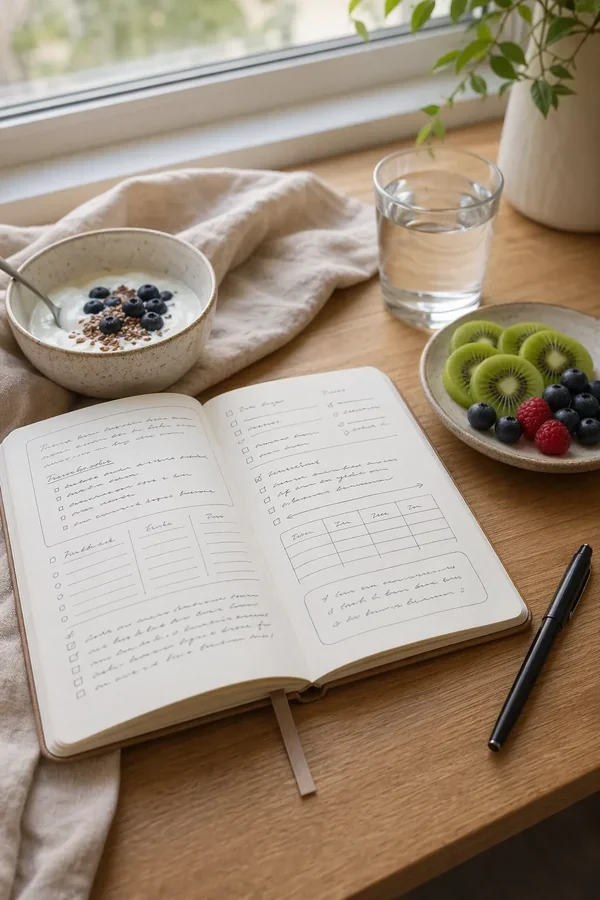
The F.T.P. Toast Method is a simple way to use frozen bread without turning it into a “healthy” breakfast that is still mostly sugar and spread.
| Step | What to do | Why it helps | Common mistake | Better fix |
|---|---|---|---|---|
| Freeze | Freeze slices, not a whole loaf | Makes breakfast fast and portioned | Freezing the whole loaf | Freeze in one-slice or two-slice portions |
| Toast | Toast one planned portion | Improves texture and matches the study-style preparation | Thinking toast alone fixes breakfast | Use toast as the base, not the whole meal |
| Protein | Add a visible protein anchor | Helps satiety and meal balance | Jam, honey, or butter-only toast | Add eggs, yogurt, cottage cheese, tofu, fish, or turkey |
Step 1: Freeze Sliced Bread
Freeze bread in the way you actually plan to eat it.
For most people, that means individual slices or two-slice portions. If you freeze a whole loaf as one block, breakfast becomes annoying. You either fight the loaf in the morning or thaw more bread than you planned to eat.
Use a freezer bag or airtight wrapping. Press out extra air if you can. If you rotate different breads, write the date on the bag.
This helps in three practical ways:
- breakfast is faster
- portions are easier to control
- bread waste goes down
That matters because the freezer is not just a starch tool. It is a behavior tool.
When bread is already sliced and ready, you are less likely to make a bigger breakfast simply because the loaf is open.
Step 2: Toast It
Toast the slice from frozen if your toaster handles frozen bread well.
If not, thaw only the slice you plan to use, then toast it. The goal is crisp, warm toast, not charred toast. You do not need aggressive browning to make this method useful.
Toasting matters because the most relevant white-bread study included toasted and frozen-then-toasted conditions. That does not prove your toaster breakfast will create the exact same effect, but it gives the home method a reasonable basis.
Step 3: Add Protein First
This is the step I would protect most.
Protein is what turns frozen toast from a carb hack into breakfast.
Good options include:
- eggs
- cottage cheese
- Greek yogurt
- tofu scramble
- smoked salmon
- tuna
- turkey
- tempeh
- measured nut butter plus a separate protein source
The key phrase is visible protein anchor.
If the toast only has jam, honey, butter, chocolate spread, or a thin smear of nut butter, it may taste good, but it is still mostly a quick-carb breakfast.
That may be fine sometimes. But if your goal is steady energy, fewer cravings, less snacking, and a more weight-friendly morning, protein has to show up clearly.
What Research Says About Frozen and Toasted Bread
The strongest direct evidence on this topic is not a giant resistant-starch database. It is a small bread preparation study.
In that study, researchers tested how different preparation methods changed the blood glucose response to white bread. Fresh bread was compared with frozen and defrosted bread, toasted bread, and frozen, defrosted, then toasted bread. The prepared versions led to lower glucose incremental area under the curve in several conditions compared with fresh bread. (Nature)
That explains why the “freeze bread then toast it” idea became popular.
But two guardrails matter.
First, glycemic response is not the same as a guaranteed health outcome. It is one measurement in one study setting.
Second, bread is not one food. A soft white slice, dense rye bread, sourdough, seeded whole-grain bread, gluten-free bread, and high-fiber packaged bread can all behave differently.
Food science research also shows that starch can change during storage and cooling through retrogradation. That is part of why cooked-and-cooled starches show up in resistant-starch conversations. Bread staling and starch retrogradation are real food-structure processes, but they do not turn every slice into the same nutrition product. (PMC, PubMed)
So the practical conclusion is:
Use freezing and toasting as a small lever. Use bread choice, portion control, and protein pairing as the bigger levers.
Harvard’s Nutrition Source also explains that blood sugar response is influenced by carbohydrate type, processing, fiber, fat, and meal composition. That is another reason the whole breakfast matters more than the freezer alone. (Harvard Nutrition Source)
The Best Bread to Freeze for This Method
The best bread to freeze is not always the one with the loudest health claims on the package.
It is the bread you can tolerate, portion, toast, and build a real breakfast around.
If possible, start with bread that brings more nutrition with it:
- 100% whole grain bread
- whole wheat bread
- rye bread
- sourdough if you tolerate it well
- seeded bread
- higher-fiber bread
Whole grains are generally a better everyday direction than refined grains because they keep more of the grain structure and nutrients. Harvard’s Nutrition Source emphasizes whole grains as a better choice than refined grains for long-term eating patterns. (Harvard Nutrition Source)
Cleveland Clinic also recommends looking past front-of-package words like “multigrain” and checking whether whole grain or whole wheat is actually listed first. (Cleveland Clinic)
Use this label checklist:
| Label check | What to look for |
|---|---|
| First ingredient | Whole grain, whole wheat, rye, or another recognizable grain |
| Fiber | A meaningful amount for the slice size |
| Added sugar | Lower is usually better for breakfast toast |
| Calories | Realistic for your goal and topping plan |
| Serving size | Make sure the numbers match the amount you actually eat |
| Tolerance | The bread should not consistently leave you bloated or uncomfortable |
White bread can still be used if you are testing the original style of the freezing and toasting study. But as an everyday breakfast, the freezer does not cancel the fact that bread quality matters.
For a broader food comparison, use the resistant starch foods list.
5-Minute Frozen Toast Breakfasts That Actually Work
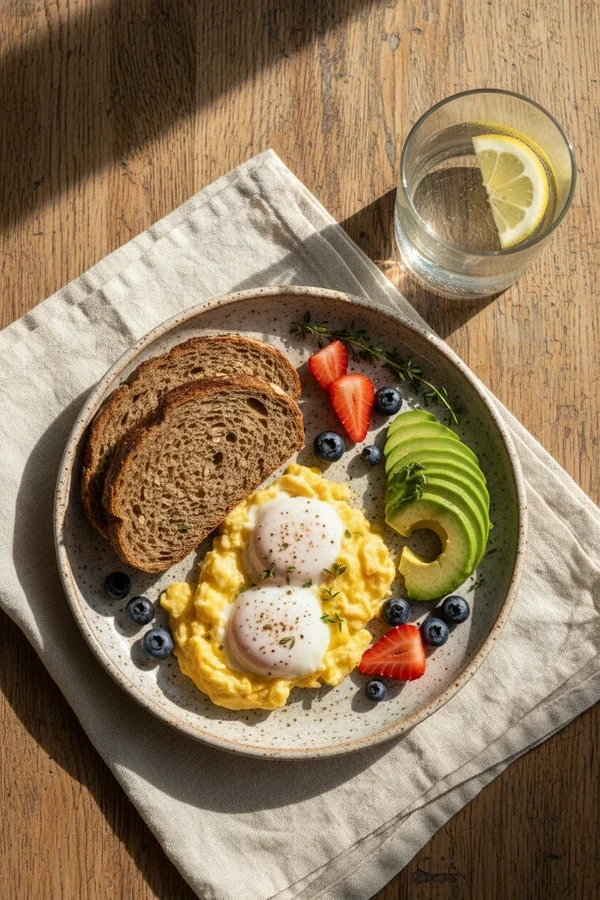
This is where the method becomes useful.
The goal is not fancy toast. The goal is breakfast that can happen before work without becoming a sugar-topping snack.
| Breakfast | Prep time | Protein anchor | Topping trap | Weight-friendly fix |
|---|---|---|---|---|
| Frozen toast + eggs + fruit | 5-7 min | Eggs | Extra butter | Use one slice and add fruit |
| Frozen toast + cottage cheese + tomato | 3-5 min | Cottage cheese | Too much cheese or spread | Use herbs, tomato, pepper |
| Frozen toast + Greek yogurt + berries | 3-5 min | Greek yogurt side | Jam plus honey | Use berries for sweetness |
| Avocado egg toast | 5-8 min | Egg | Avocado plus oil plus cheese | Measure avocado |
| Frozen toast + tofu scramble | 5-8 min | Tofu | Heavy sauce | Use simple seasoning |
| Frozen toast + tuna or salmon | 5 min | Fish | Mayo and oil | Add cucumber or greens |
| Nut butter toast + Greek yogurt | 3 min | Yogurt side | Nut butter pile-up | Measure nut butter |
1. Frozen Toast + Eggs + Fruit
This is the best starter meal for most people.
Toast one slice from frozen. Add two eggs, or one egg plus extra egg whites if that fits your goal. Add berries, an orange, or another simple fruit on the side.
This works because the protein is obvious. The toast stays controlled. The fruit adds volume and freshness without needing jam or honey.
2. Frozen Toast + Cottage Cheese + Tomato
This is a strong savory option.
Toast the bread, add cottage cheese, tomato, black pepper, and herbs. It is fast, high-protein, and more satisfying than plain buttered toast.
If dairy tends to bother your stomach, test this slowly or choose another protein.
3. Frozen Toast + Greek Yogurt Side + Berries
If you are rushing, this is one of the easiest versions.
Toast one slice. Eat it with a bowl of Greek yogurt and berries. You can add cinnamon or a small amount of nuts if it fits your goal.
This is better than spreading jam on toast and calling it complete.
4. Avocado Egg Toast
Avocado toast can be healthy, but it is easy to make it calorie-dense.
Use a measured amount of avocado and add an egg. Skip the extra oil unless you really need it. If you add cheese too, the meal can get heavy quickly.
The fix is simple: avocado for texture, egg for protein, toast as the base.
5. Frozen Toast + Tofu Scramble
For a plant-forward breakfast, keep a small batch of tofu scramble ready in the fridge.
Toast the bread, warm the tofu scramble, and add cucumber, spinach, or tomatoes. This works well if you do not eat eggs or dairy.
6. Frozen Toast + Salmon or Tuna
This is more of a lunch-style breakfast, but some people do better with savory food in the morning.
Use smoked salmon, tuna, or leftover fish with cucumber, greens, or tomato. Keep mayo, oil, and creamy sauces measured.
7. Nut Butter Toast + Greek Yogurt
Nut butter toast can work, but only if the portion is honest.
A thick layer of peanut butter or almond butter can quietly turn one slice into a very calorie-dense meal. Measure it at first. Pair it with Greek yogurt or another protein source instead of adding honey, jam, and granola on top.
For more breakfast options, read resistant starch breakfast ideas for busy office mornings.
Topping Traps That Ruin the Frozen Bread Hack
Freezing bread is a small advantage. Toppings can erase that advantage quickly.
The most common traps are:
- jam plus honey
- butter plus sweet coffee
- chocolate spread
- oversized nut butter
- avocado plus oil plus cheese
- two slices because the bread was frozen
- toast with almost no protein
None of these foods are automatically bad. The problem is stacking.
If your breakfast is toast, jam, honey, butter, and a sweet latte, freezing the bread is not doing the main job. The meal is still sweet, low in protein, and easy to overeat.
Use this order instead:
- Pick the protein.
- Pick one slice of toast.
- Add fruit or vegetables.
- Add one measured topping if you still want it.
That is a much better workday breakfast structure.
If Frozen Toast Makes You Bloated
Frozen toast can still cause bloating for some people.
That does not automatically mean resistant starch is the problem.
Possible variables include:
- wheat
- gluten sensitivity or celiac disease
- FODMAP tolerance
- portion size
- dairy toppings
- sweet toppings
- eating too fast
- coffee timing
- total fiber load
If breakfast bloating is a pattern, test one variable at a time.
Try this 3-morning toast test:
| Morning | Test | What to track |
|---|---|---|
| 1 | One slice frozen toast + protein, no sweet topping | Bloating, hunger, energy |
| 2 | Same breakfast, coffee after food | Bloating 30-60 minutes later |
| 3 | Same breakfast, add one topping | Hunger, cravings, stomach comfort |
If wheat bread keeps bothering you, do not force it because of a trend. Try another resistant-starch breakfast such as oats, cooled sweet potato, rice, or potatoes.
Helpful next reads:
- resistant starch foods for bloating
- bloating after eating
- resistant starch oatmeal
- resistant starch sweet potato
Food Safety and Storage for Frozen Bread
Bread is easy to freeze, but quality still matters.
The USDA explains that freezing keeps food safe by slowing molecule movement and preventing microorganisms from growing while food is frozen. It also notes that freezer burn is a quality issue, not a food-safety issue by itself. (USDA)
FoodSafety.gov also notes that foods kept continuously frozen at 0 F are generally safe indefinitely, although quality can decline over time. (FoodSafety.gov)
For bread, keep it simple:
- freeze slices while the bread is still fresh
- use airtight packaging
- toast only what you plan to eat
- discard moldy bread
- keep perishable toppings handled safely
That last point matters. The toast is not usually the risky part of breakfast. Eggs, fish, dairy, avocado spreads, leftovers, and creamy toppings still need normal food-safety care.
Who Should Be More Careful
Frozen toast is still bread.
If you have diabetes, insulin resistance, or a medical reason to monitor glucose closely, do not treat frozen bread as a blood-sugar strategy without professional guidance. The study is interesting, but it is not individualized medical advice.
If you have celiac disease or a wheat allergy, freezing does not make wheat bread appropriate.
If you have IBS, SIBO, gluten sensitivity, reflux, or frequent breakfast bloating, test carefully. The trigger may be the bread, portion size, coffee, dairy topping, sweetener, or eating speed.
If you are using frozen toast for weight control, remember this:
Freezing does not reduce the calories in a practical planning sense.
The weight-friendly part comes from the structure: one planned portion, protein first, toppings measured.
The Simple F.T.P. Breakfast Template
Use this template when you do not want to think:
- One planned slice of frozen toast.
- One visible protein anchor.
- One fruit or vegetable add-on.
- Zero to one measured fat or sweet topping.
- Coffee tested separately if bloating or reflux is an issue.
Examples:
- frozen toast + two eggs + berries
- frozen toast + cottage cheese + tomato
- frozen toast + Greek yogurt side + berries
- frozen toast + tofu scramble + cucumber
- frozen toast + salmon + greens
- frozen toast + measured peanut butter + Greek yogurt
Morning decision rule:
- If you are rushed: toast + Greek yogurt.
- If you get hungry often: toast + eggs.
- If you bloat easily: one slice, simple toppings, coffee later.
- If you are weight-conscious: protein first, sweet and fat toppings measured.
This is the part to remember:
Freezing bread is not the win. The win is a 5-minute toast breakfast where bread is controlled, protein is visible, and sweet toppings do not quietly turn the hack into a hunger spike.
FAQ
Does freezing bread increase resistant starch?
It may change starch structure, but the exact resistant-starch increase depends on the bread and preparation. The strongest direct bread study measured glucose response after freezing and toasting white bread, not exact resistant-starch grams for every bread.
Does freezing bread lower blood sugar?
A small study found that freezing, toasting, or freezing then toasting white bread changed the glucose response compared with fresh bread in healthy adults. That does not mean it lowers blood sugar for everyone or replaces medical advice.
Is frozen bread healthier than fresh bread?
Frozen bread can be a useful prep method. But the bigger factors are bread quality, portion size, toppings, and whether the meal includes protein.
Should I toast bread from frozen?
Yes, if your toaster handles frozen bread well. If not, thaw only the slice you plan to eat, then toast it.
Does freezing bread reduce calories?
No. Freezing bread does not make it calorie-free, low-carb, or unlimited. Calories from bread and toppings still count.
Is white bread okay if I freeze and toast it?
White bread was used in the strongest direct study, but that does not make white bread the best everyday choice for everyone. Whole-grain or higher-fiber bread is usually a better direction if you tolerate it.
Does freezing sourdough increase resistant starch?
It may affect starch structure, but sourdough results may not match the white-bread study. Treat it as a personal test, not a guarantee.
Can frozen toast cause bloating?
Yes. Wheat, portion size, toppings, dairy, coffee, total fiber, and eating speed can all contribute. If it keeps happening, test one variable at a time.
What is the best topping for frozen toast?
The best topping is protein-forward: eggs, cottage cheese, Greek yogurt, tofu, fish, turkey, or another protein anchor. Sweet toppings should be measured.
How long can you keep bread in the freezer?
Food kept continuously frozen at 0 F is generally safe indefinitely according to FoodSafety.gov, but quality declines over time. For better texture, freeze bread airtight and rotate it before freezer burn affects taste.
Bottom Line
Freezing bread is useful, but it is not magic.
The research is interesting, especially for white bread and glycemic response, but the real-life breakfast still depends on what you do next.
Use the F.T.P. Toast Method:
Freeze -> Toast -> Protein.
Freeze sliced bread so breakfast is easy. Toast one planned portion. Add protein before sweet toppings.
That is how frozen toast becomes a practical workday breakfast instead of another viral food hack that sounds good but leaves you hungry by 10 a.m.

About Mr. Anh
We turn solid evidence into everyday habits Americans can actually do—plain English, cups/oz, grocery-aisle swaps, and routines that fit real life. Our editorial process: Experience—we road-test tips in real schedules…