How to Make Resistant Starch Potatoes for Workday Meal Prep
Learn the 5P Workday Potato Method: pick, prepare, cool, portion, and pair potatoes with protein for practical resistant starch meal prep.
- Quick Answer: How Do You Make Resistant Starch Potatoes?
- The 5P Workday Potato Method
- What Research Says About Cooling Potatoes
- Food Safety and Acrylamide: The Potato Details Most Hacks Skip
- Boiled, Steamed, Baked, or Roasted: Which Method Should You Start With?
- How Much Resistant Starch Potato Should You Eat?
- Can Resistant Starch Potatoes Cause Bloating?
- 6 Workday Meal Ideas With Resistant Starch Potatoes
- Potato vs Sweet Potato vs Rice: Which Should You Use?
- The 3-Day Resistant Starch Potato Test
- Who Should Be More Careful
- Frequently Asked Questions
- The Bottom Line
Affiliate disclosure: This guide is food-first education. Any resource links are secondary and do not change the advice.
You do not need to quit potatoes.
You need to stop letting potatoes become the whole meal.
That is the real problem for most busy people. Potatoes are filling, cheap, familiar, and easy to batch cook. They are also very easy to turn into a heavy workday plate: a huge hot serving, fries, buttery mash, oily roasted potatoes, or a low-protein lunch that leaves you sleepy and snacky later.
The potato trick is not eating potatoes cold just because the internet says so.
The real trick is this: cook once, cool safely, portion small, reheat smart, and pair with protein.
I call this the 5P Workday Potato Method: Pick, Prepare, Park in the fridge, Portion, Pair.
This is not a low-carb hack. It does not make potatoes calorie-free, carb-free, or unlimited. It is a practical way to use cooked and cooled potatoes as a workday meal-prep carb without turning the plate into a comfort-food landslide.
Quick takeaways:
– Cook potatoes simply: boil, steam, or bake.
– Let steam escape briefly, then cool and refrigerate safely.
– Chilling cooked potatoes can increase resistant starch compared with serving them hot.
– Reheating is practical, but chilled potatoes may retain more resistant starch than reheated potatoes in some studies.
– Start with a modest portion if bloating or weight control is a concern.
– Pair potatoes with protein before adding sauces, butter, or oil.
– Store raw potatoes in a cool, dark pantry before cooking; do not refrigerate raw potatoes if you plan to fry or roast them later.
Quick Answer: How Do You Make Resistant Starch Potatoes?
To make resistant starch potatoes, cook potatoes until tender, let steam escape briefly, portion them into shallow containers, refrigerate them for 12 to 24 hours, then eat them cold or reheat them safely. Build the meal around protein and cooked vegetables instead of eating a large potato-only plate.
For a first test, start with 1/2 medium potato or about 1/2 to 3/4 cup cooked potato pieces. If that feels calm, filling, and easy to repeat, adjust later.
Cooling cooked starch can encourage retrogradation, a process where starch molecules reorganize into a structure that resists digestion more than freshly cooked starch. That is why cooked-and-cooled potatoes can behave differently from potatoes eaten hot right after cooking.
But the goal is not maximum resistant starch at any cost.
The useful goal is a potato meal you can actually use on a workday: filling, simple, safer to store, easier to portion, and less likely to become fries or butter-heavy mash.
Ask a better question than “Are potatoes good or bad?”
Ask this: “Can I keep potatoes in the meal without making the meal heavy, oily, or easy to overeat?”
If you want the broader science behind this kitchen method, read the cook-and-cool resistant starch method.
The 5P Workday Potato Method
Use this as your simple potato meal-prep system.
| Step | What to do | Why it matters | Common mistake | Better fix |
|---|---|---|---|---|
| Pick | Choose a potato and prep style you can repeat | Keeps the method realistic | Chasing the perfect potato variety | Start with the potato you already tolerate |
| Prepare | Boil, steam, or bake | Keeps the method weight-friendly | Turning the test into fries or buttery mash | Cook simply first |
| Park | Cool safely and refrigerate | Cooling may increase resistant starch | Leaving cooked potatoes out too long | Use shallow containers and refrigerate promptly |
| Portion | Start smaller than your normal potato plate | Helps bloating and calorie control | Eating a huge serving because it is “healthy” | Use 1/2 potato or 1/2 cup pieces first |
| Pair | Add protein and cooked vegetables | Makes potatoes a meal | Potato first, protein as an afterthought | Protein first, potato second |
1. Pick: Choose a Potato You Can Repeat
Russet, red potatoes, Yukon Gold, baby potatoes, and sweet potatoes can all be tested.
Do not over-optimize variety on day one.
One potato analysis found that resistant starch content varied by cooking method and service temperature, but not significantly by the varieties tested. In that study, chilled potatoes had more resistant starch than hot or reheated potatoes, and baked potatoes had higher resistant starch than boiled potatoes. (PubMed)
That is useful, but it does not mean you must hunt for one perfect potato before you begin.
Your first job is simpler: choose a potato you already like, cook it plainly, cool it safely, and test how your body responds.
2. Prepare: Cook Simply
Boil, steam, or bake your potatoes until tender.
For beginners, boiled or steamed potatoes are often easiest. They portion well, reheat well, and do not require much oil. Baked potatoes can also work, especially if you cook several at once.
Roasted potatoes taste good, but they can invite oil creep and over-browning. Fried potatoes, fries, and hash browns are not the starter method here. Even if processing can affect resistant starch, the fried format changes the whole meal.
If your goal is a weight-friendly workday plate, start with simple cooking. Let the potato be boring at first. You can make it more interesting after you know your portion.
3. Park: Cool and Refrigerate Safely
After cooking, let steam escape briefly. Then move the potatoes into shallow containers so they cool faster. Refrigerate promptly.
Do not leave cooked potatoes sitting out for hours.
This is the part most potato hacks skip. Cooling may help resistant starch form, but food safety still comes first.
A practical workflow:
- Cook potatoes.
- Let steam escape briefly.
- Cut or portion if needed.
- Place in shallow containers.
- Refrigerate promptly.
- Reheat only what you plan to eat.
- Skip leftovers if storage was uncertain.
No wellness trick is worth questionable leftovers.
4. Portion: Make the First Test Smaller
Start smaller than your normal potato plate.
A good first test is 1/2 medium potato or 1/2 to 3/4 cup cooked potato pieces. This is not a strict rule. It is a feedback tool.
Large portions make it harder to know what is happening. If you eat a huge potato serving with oil, cheese, raw vegetables, coffee, and stress, you will not know whether the potato, the toppings, the fiber stack, or the meal size caused the problem.
Start small enough that your body can give you clear information.
5. Pair: Protein First, Potato Second
This is where the meal becomes useful.
Use a protein anchor first: eggs, chicken, fish, tuna, salmon, tofu, lean beef, turkey, cottage cheese, Greek yogurt sauce, or another protein you tolerate well.
Then add the potato portion.
Then add cooked vegetables.
Sauce, butter, mayo, oil, cheese, and crispy toppings come last. They are not forbidden. They just should not quietly take over the meal.
Potatoes are the carb base.
They should not be the whole plate.
What Research Says About Cooling Potatoes

The main idea is simple: cooking changes starch, and cooling can change it again.
When potatoes are cooked, starch granules gelatinize and become easier to digest. When cooked potatoes cool, some starch molecules reorganize through retrogradation. That retrograded starch is often discussed as resistant starch type 3.
Harvard Health describes this same basic mechanism for starchy foods such as potatoes, pasta, rice, and oatmeal: after cooking and chilling, starch molecules can reorganize into tighter structures that resist digestion more than freshly cooked starch. (Harvard Health)
The most potato-specific point comes from a study that tested common potatoes by cooking method and service temperature. The researchers found that resistant starch varied by cooking method and service temperature. Chilled potatoes had more resistant starch than hot or reheated potatoes in that analysis. (PubMed)
That does not mean reheated potatoes are useless.
It means service temperature, storage, and reheating matter. It also means you should avoid a simplistic “one potato hack works the same for everyone” mindset.
A human crossover study in females with elevated fasting glucose and insulin compared boiled potatoes with baked-then-chilled potatoes. In that study setting, the chilled potato meal reduced early glucose, insulin, and glucose-dependent insulinotropic peptide responses compared with boiled potatoes. (PubMed, PMC)
That is interesting.
It also needs careful interpretation.
This article is not diabetes advice. It does not mean chilled potatoes treat diabetes. It does not mean every reader should eat the same study portion. It means potato preparation can influence how potatoes behave in some study settings.
Another study on post-meal glucose response to cold high-resistant-starch potatoes found that individual responses varied. That supports a practical conclusion: test your own response instead of assuming the same potato meal works identically for everyone. (PMC)
The useful takeaway:
Cook, cool, portion, pair, and track your own response.
Food Safety and Acrylamide: The Potato Details Most Hacks Skip
This section matters because potatoes have two different safety stories.
Raw potatoes and cooked potatoes are not handled the same way.
Raw potatoes are usually best stored in a cool, dark pantry before cooking. This matters because the FDA notes that storing potatoes in the refrigerator can increase acrylamide during cooking. Acrylamide is more of a concern with higher-temperature cooking methods such as frying, roasting, and heavy browning. (FDA)
That is about raw potatoes before cooking.
Cooked potatoes are different. Once cooked, they should be cooled and refrigerated safely if you are meal-prepping them.
Use this safer home workflow:
- Store raw potatoes in a cool, dark pantry before cooking.
- Cook potatoes close to tender, not scorched or heavily browned.
- Let cooked potatoes steam off briefly.
- Portion into shallow containers.
- Refrigerate promptly.
- Reheat only the portion you plan to eat.
- Discard potatoes if storage was uncertain.
The goal is not maximum resistant starch at any cost.
The goal is a potato meal you can safely repeat.
Boiled, Steamed, Baked, or Roasted: Which Method Should You Start With?
The best method is the one you can repeat without turning the potato into a high-calorie side dish.
| Method | Best for | Weight-friendly risk | Bloat/safety note | Beginner rating |
|---|---|---|---|---|
| Boiled | Potato salad, lunch boxes, soup sides | Low unless dressed heavily | Easy to cool and portion | Best starter |
| Steamed | Simple bowls and breakfast boxes | Low unless sauce-heavy | Good texture, easy reheating | Best starter |
| Baked | Batch prep and savory meals | Toppings can drift | Cool whole or cut after cooking | Good |
| Roasted | Flavor and texture | Oil creep and browning | Keep golden, not dark brown | Use later |
| Fried/hash browns | Crispy comfort meals | High | Not the starter method | Avoid as default |
Boiled or Steamed Potatoes
Boiled or steamed potatoes are the easiest beginner method. They are simple, low-oil, and easy to portion. They also work in potato salad, breakfast boxes, bowls, and soup sides.
Baked Potatoes
Baked potatoes can work well if you batch cook them. One study found baked potatoes had higher resistant starch than boiled potatoes in that analysis, but that does not automatically make baked potatoes the best choice for every meal.
The topping pattern matters.
A baked potato with protein and cooked vegetables is very different from a baked potato loaded with butter, cheese, sour cream, and bacon.
Roasted Potatoes
Roasted potatoes are delicious, but they are easy to over-oil. If you roast, keep them golden rather than dark brown, and measure the oil.
This is not the first method I would use if your main goal is weight-friendly workday meal prep.
Fried Potatoes and Hash Browns
I would not start here.
Fries and hash browns may show up in potato research because product form affects starch digestibility. But in a normal kitchen, the fried format brings a different set of issues: oil, portion size, crisp texture that encourages overeating, and a meal that is often low in protein.
For this article, the starter method is simple: boil, steam, or bake.
How Much Resistant Starch Potato Should You Eat?
Start smaller than your normal potato plate.
For many readers, a useful first portion is 1/2 medium potato or 1/2 to 3/4 cup cooked potato pieces. Pair it with protein and cooked vegetables.
| Goal | Potato portion | Protein anchor | Best prep | Watch-out |
|---|---|---|---|---|
| Low-bloat test | 1/2 medium potato | Eggs, chicken, tofu, fish | Boiled or steamed | Do not add beans and raw salad on day one |
| Workday lunch | 1/2 to 3/4 cup pieces | Chicken, tuna, tofu, turkey | Boiled, steamed, or baked | Sauce and oil creep |
| Weight-friendly plate | 1/2 medium potato | Strong protein anchor | Boiled or steamed | Butter, mayo, cheese, and fried add-ons |
| Higher-energy day | 1 medium potato | Protein first | Baked or boiled | Avoid making potato the whole meal |
This is not a weight-loss promise.
It is a plate design rule.
A potato can be weight-friendly. A large potato with butter, mayo, cheese, bacon, and extra oil can become something else quickly.
Can Resistant Starch Potatoes Cause Bloating?
Yes, they can.
Resistant starch can be fermented by gut bacteria. Fermentation can be useful in the right context, but it can also produce gas. If you increase the portion too quickly, or stack potatoes with beans, raw salad, sparkling water, and coffee, bloating becomes hard to interpret.
Use a low-bloat potato test:
- Keep the potato portion modest.
- Pair with protein.
- Use cooked vegetables instead of a huge raw salad.
- Avoid beans as the same-meal add-on on the first test.
- Keep coffee timing consistent.
- Repeat the same meal before changing everything.
Timing matters too.
Bloating 30 minutes after lunch may not mean the same thing as bloating 4 hours later. Early bloating can involve meal speed, stress, coffee timing, or stomach sensitivity. Later bloating can be more related to fermentation.
If bloating is your main issue, use the resistant starch foods for bloating guide. If bloating happens after many different meals, read bloating after eating and look at meal speed, stress, coffee, and sitting.
6 Workday Meal Ideas With Resistant Starch Potatoes
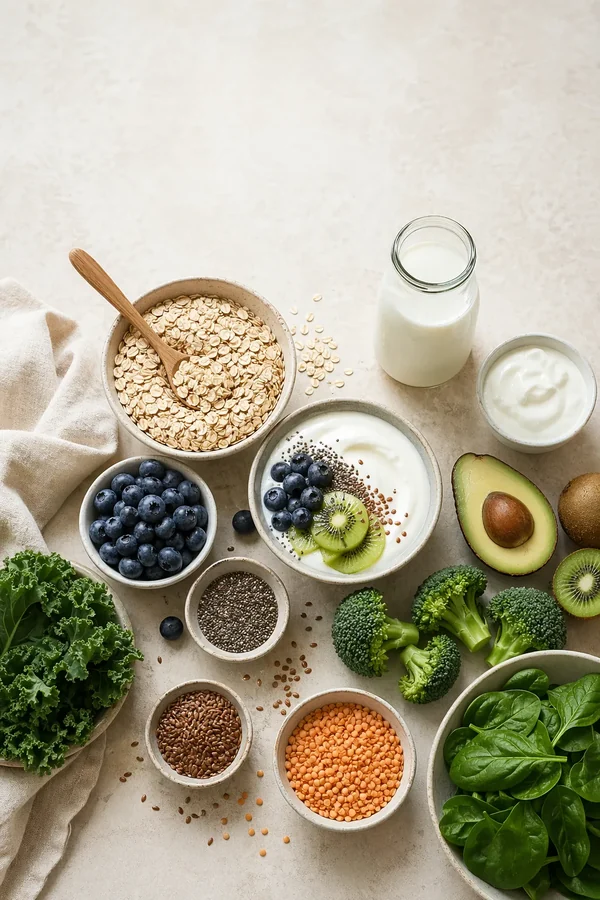
These are templates, not strict recipes.
Pick the easiest one first.
1. Potato Egg Breakfast Box
Use half a medium cooled potato, eggs, and cooked greens. Reheat the potato and greens, then add eggs.
This works well for people who like savory breakfast and want something more filling than yogurt or oats.
2. Chicken Potato Lunch Box
Use cooled and reheated potato pieces with chicken and cooked vegetables. Keep sauce measured so the lunch box does not quietly become heavy.
This is the classic workday version: simple protein, simple carb, simple vegetables.
3. Tuna or Salmon Potato Plate
Use cooled potato with tuna or salmon, herbs, lemon, cucumber if tolerated, or cooked vegetables if raw vegetables bloat you.
This can be eaten cold or gently warmed, depending on your preference.
4. Tofu Potato Bowl
Pair potato pieces with tofu, ginger, scallion, cooked vegetables, and a simple sauce.
This is a useful plant-forward option if beans feel too aggressive for your gut.
5. Greek Yogurt Potato Salad
Use Greek yogurt instead of heavy mayo. Add herbs, vinegar or lemon, salt, pepper, and a measured portion of potato.
This gives the potato salad idea without turning it into a heavy side dish.
6. Potato Soup Side
If large bowls feel heavy, use a small cooled-and-reheated potato portion as a side with soup and protein.
Sometimes the easiest fix is not a new food. It is a smaller role for the same food.
For more food comparisons, see the resistant starch foods list. If breakfast is your easiest testing window, use resistant starch breakfast ideas.
Potato vs Sweet Potato vs Rice: Which Should You Use?
There is no single best starch for everyone.
Use the one that fits your goal, prep time, and digestion.
| Food | Best use-case | Prep method | Bloat note | Internal link |
|---|---|---|---|---|
| Potato | Savory meal prep, high satiety, easy portioning | Boil, steam, bake, cool | Start small; toppings can confuse the test | Foods list |
| Sweet potato | Slightly sweeter, fiber-rich breakfast or side | Bake or steam, cool | May feel heavier for some if portion is large | Sweet potato guide |
| Rice | Familiar lunch bowls and simple batch prep | Cook, cool, reheat | Easy to over-serve without protein | Resistant starch rice |
Potatoes are especially useful when you want a savory, filling, easy-to-portion carb.
Sweet potatoes may be better if you already tolerate them and like a sweeter base.
Rice may be better if you want the easiest bowl format.
The best choice is the one you can repeat without feeling heavy, rushed, or confused by symptoms.
The 3-Day Resistant Starch Potato Test
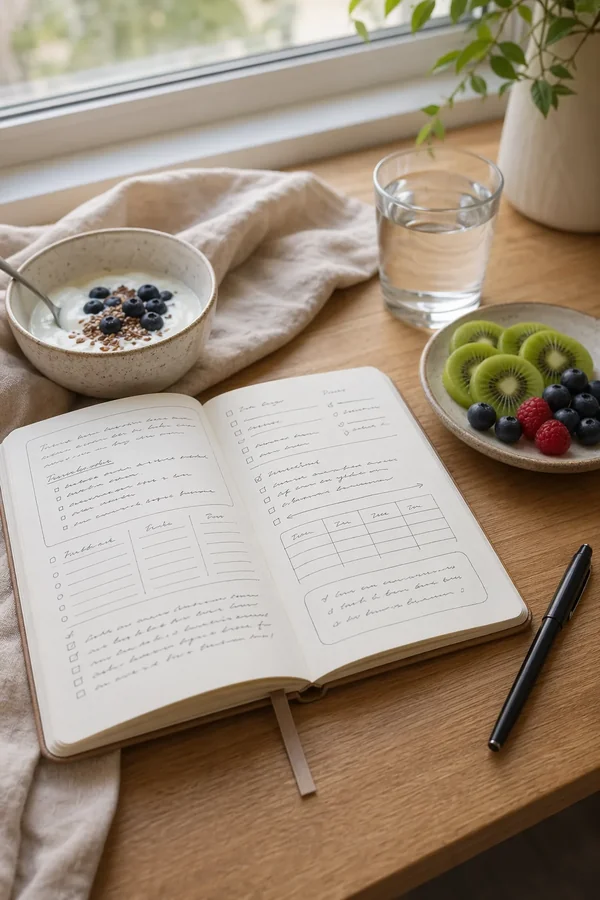
Do not change your entire diet at once.
Test one potato meal cleanly.
| Day | Potato type | Portion | Protein | Serving temp | Hunger after 3h | Bloating/gas | Keep/change |
|---|---|---|---|---|---|---|---|
| 1 | Hot freshly cooked potato | 1/2 medium | Same as usual | Hot | Track | Track | Baseline |
| 2 | Cook and refrigerate potato | Prep only | Same as usual | Not test day | Track normal meal | Track | Prep |
| 3 | Cooled or reheated potato | 1/2 medium | Same protein | Cold or reheated | Compare | Compare | Keep/change |
Keep protein, vegetables, sauce, coffee timing, and meal speed as similar as possible. If you change everything, you will not know what worked.
If cooled potatoes feel steadier, keep them. If they bloat you, reduce the portion or test another starch such as cooled sweet potato, rice, or oats.
For another gentle starter, see resistant starch sweet potato. If oats are easier for your routine, read resistant starch oatmeal.
Who Should Be More Careful
This is food-first education, not medical nutrition therapy.
Talk with a licensed healthcare professional if you have diabetes, pregnancy, immune compromise, IBS, SIBO, GERD, inflammatory bowel disease, eating disorder history, recent surgery, or a prescribed medical nutrition plan.
Also get care if digestive symptoms are severe, persistent, getting worse, or come with red flags such as vomiting, fever, blood in stool, unexplained weight loss, dehydration, severe abdominal pain, or a major change in bowel habits.
And from a food safety standpoint: if the potatoes were left out too long or storage was uncertain, discard them.
Frequently Asked Questions
How do you make resistant starch potatoes?
Cook potatoes until tender, cool them safely, refrigerate them for 12 to 24 hours, then eat them cold or reheat them safely. Pair them with protein and cooked vegetables.
How long should potatoes cool for resistant starch?
Many practical methods use overnight refrigeration. Research suggests cooling cooked potatoes can increase resistant starch, but values vary by cooking method, service temperature, and storage.
Can you reheat resistant starch potatoes?
Yes. You can reheat safely stored cooked-and-cooled potatoes. Some studies suggest chilled potatoes may have more resistant starch than reheated potatoes, but reheated potatoes are still a practical meal-prep option.
Are cold potatoes better than hot potatoes?
Not automatically. Chilled potatoes may contain more resistant starch than hot potatoes in some analyses, but the best choice depends on tolerance, portion, food safety, and whether you can repeat the meal.
Does cooling potatoes reduce calories?
Do not rely on that claim. Cooling potatoes may increase resistant starch and change starch digestibility, but it does not make potatoes calorie-free or unlimited.
Are boiled or baked potatoes better for resistant starch?
One potato analysis found baked potatoes had higher resistant starch than boiled potatoes in that study. But boiled or steamed potatoes may still be the better beginner method because they are easy to portion and less likely to bring oil or topping creep.
Can resistant starch potatoes cause bloating?
Yes. Resistant starch can be fermented by gut bacteria, and fermentation can produce gas. Start with a modest portion and avoid stacking several high-fiber foods in the same test meal.
Are resistant starch potatoes good for weight loss?
They can fit a weight-friendly plate when portions are controlled and protein is included. They are not a guaranteed weight-loss food.
Should raw potatoes be refrigerated?
Generally, store raw potatoes in a cool, dark pantry before cooking. The FDA notes that refrigerating raw potatoes can increase acrylamide during later cooking, especially frying or roasting.
What is the best potato for resistant starch?
There is no single best potato for everyone. Cooking method, cooling, service temperature, portion, and toppings may matter more than variety for a beginner.
The Bottom Line
Potatoes are not automatically the problem.
The problem is often the pattern: hot, oversized, low-protein, butter-heavy or oil-heavy potato meals that are hard to portion and easy to repeat.
Use the 5P method:
- Pick.
- Prepare.
- Park in the fridge.
- Portion.
- Pair with protein.
Keep potatoes if they work for your life. Make the potato plate work harder for your goal.
If you want the full cook-and-cool explanation, read the resistant starch cooling hack. If potatoes make you bloated, start with the resistant starch tolerance ladder. If you want to compare starch options, use the resistant starch foods list.
Disclaimer: I am trained in traditional medicine in Vietnam, but I am not currently practicing medicine or providing personal diagnosis or treatment advice through this website. I write from personal experience, ongoing research, and my own food-first wellness experiments. My work explores digestion, daily energy, traditional self-care, movement, breathwork, meditation, and simple habits that support everyday well-being. Everything I share here is educational and reflective, not medical advice. It should not replace diagnosis, treatment, or care from a licensed healthcare professional.

About Mr. Anh
We turn solid evidence into everyday habits Americans can actually do—plain English, cups/oz, grocery-aisle swaps, and routines that fit real life. Our editorial process: Experience—we road-test tips in real schedules…