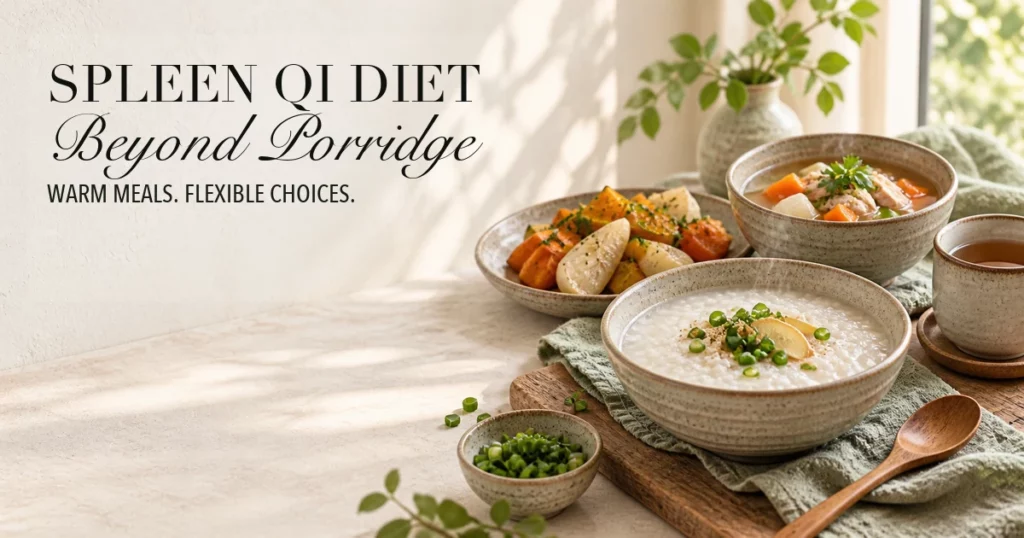
3 Anti-Inflammatory Breakfast Ideas: Why Warm & Grounding is Better
Struggling with bloating or energy crashes after breakfast? These 17 anti-inflammatory breakfast ideas are designed to be quick, realistic, and delicious while supporting your body’s needs. Stop the sugar spikes and start your day with healthy meals.
How you break your overnight fast sets the metabolic and energetic tone for your entire day.
When trying to reduce inflammation, most people turn to the internet for answers and are immediately bombarded with recipes for frozen acai bowls, cold overnight chia puddings, and chilled fruit salads. While these vibrant bowls look beautiful on Instagram, there is a hidden reality: they often leave people feeling severely bloated after eating, fatigued, and heavy by mid-morning.
Today, we are going to look at breakfast through a different lens—the lens of traditional healing. I want to share three simple, warm, and grounding anti-inflammatory breakfast ideas designed to nourish your body without extinguishing your delicate morning digestive fire.
A Traditional Perspective: “Your digestive system is like a delicate fire in the morning. Dumping ice-cold smoothies or raw salads onto it creates immediate stagnation. Healing begins when we eat warm, grounding foods that coax the digestive fire back to life.”
— Mr. Anh, Founder of Essential Wellness AZ
The “Cold Breakfast” Trap
We live in an era obsessed with raw, cold breakfasts, often marketed for weight loss or detoxing. However, this approach completely ignores how our digestive system actually functions.
In traditional Eastern medicine, the digestive system is often compared to a fire (the “Spleen and Stomach fire”). First thing in the morning, after a long night of fasting and cellular repair, this fire is delicate. It needs gentle kindling to roar back to life.
Dumping cold, damp, raw foods—like an ice-cold green smoothie or chilled oats straight from the fridge—directly onto this delicate fire creates immediate stagnation. Your body has to work overtime just to warm the food up to body temperature before it can even begin extracting nutrients. This stress slows down digestion, leads to poor nutrient absorption, and ultimately creates more inflammation in the gut. If your stomach already feels irritated, start with what to do when your gut already feels inflamed before adding more raw roughage.
The Principles of a Warming Anti-Inflammatory Breakfast
If we want to heal, we must work with our body’s natural rhythms, not against them. A truly healing morning routine relies on two core principles:
- Cooked is better than raw: Cooking breaks down the tough cellular walls of plants. It essentially “pre-digests” the food, meaning your inflamed or sensitive gut doesn’t have to expend massive amounts of energy to break it down.
- Warmth promotes circulation: Warm foods stimulate blood flow to the digestive tract. Increased blood flow encourages gentle motility (peristalsis) and helps soothe the inflamed mucosal lining of the intestines.
3 Easy Anti-Inflammatory Breakfast Ideas
These three breakfasts aren’t just meals; they are traditional remedies masquerading as delicious food.
1. Warming Cinnamon-Ginger Oatmeal
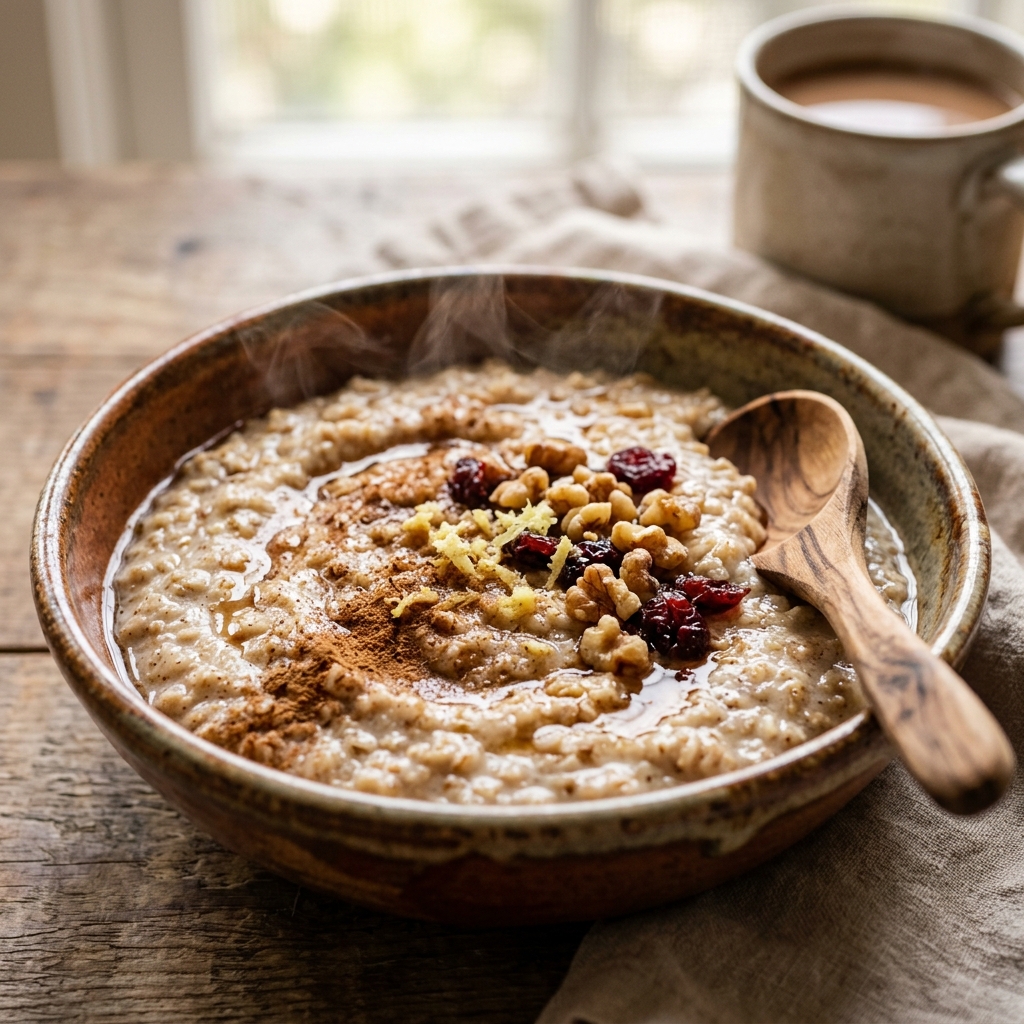
Oats are a fantastic, inexpensive staple. They provide an excellent source of beta-glucan, a prebiotic fiber that feeds the good bacteria in your microbiome. If you want the practical version of that idea, here is how prebiotic fiber feeds your gut bacteria. But instead of eating them cold in “overnight oats,” you should cook them thoroughly until they are incredibly soft and creamy.
The Twist: While the oats are cooking, grate in a generous amount of fresh ginger and add a heavy dash of pure cinnamon.
Cinnamon is a powerhouse spice that helps stabilize blood sugar, preventing the rapid insulin spikes that drive systemic inflammation. Meanwhile, the ginger provides that essential “warming” energy. It dispels stagnant cold in the stomach, eases nausea, and makes the heavy oats significantly easier to digest.
How to make it:
- 1/2 cup rolled oats (avoid instant oats if possible)
- 1.5 cups water or unsweetened almond milk
- 1 teaspoon freshly grated ginger
- 1/2 teaspoon pure cinnamon
- A pinch of sea salt
- Optional: A drizzle of raw honey or a small handful of walnuts
Method: Combine the oats, liquid, grated ginger, cinnamon, and salt in a small saucepan. Bring to a gentle boil, then reduce the heat to low. Let it simmer slowly for 10-15 minutes, stirring occasionally until the oats are incredibly soft and creamy. Serve warm.
2. Warm Tomato & Soft Scrambled Eggs

For those who prefer a savory start, this deeply traditional, soft-cooked option is incredibly healing.
Tomatoes are rich in Lycopene, a potent antioxidant known to combat cellular stress. However, Lycopene is actually more bioavailable (easier for your body to absorb) when the tomatoes are cooked.
The Twist: Instead of frying a harsh, greasy egg, cook your diced tomatoes down in a pan on medium-low heat until they break down into a soft, warm sauce. Then, gently fold in a couple of beaten eggs.
This provides easily digestible, bioavailable protein without the harshness of heavily fried foods or seed oils. It is deeply nourishing, satiating, and perfectly gentle on an inflamed gut.
How to make it:
- 2 ripe tomatoes, diced
- 2 high-quality, pasture-raised eggs
- 1 teaspoon ghee, olive oil, or virgin coconut oil
- A pinch of sea salt and black pepper
- Optional: Fresh herbs like basil or scallions
Method: Heat the ghee or oil in a skillet over medium-low heat. Add the diced tomatoes and a pinch of salt. Let them cook down for 5-7 minutes until they release their juices and turn into a soft, chunky sauce. In a small bowl, lightly beat the eggs. Pour the eggs directly over the simmering tomatoes and gently fold them together until the eggs are just set. Serve warm.
3. Soothing Sweet Potato Mash
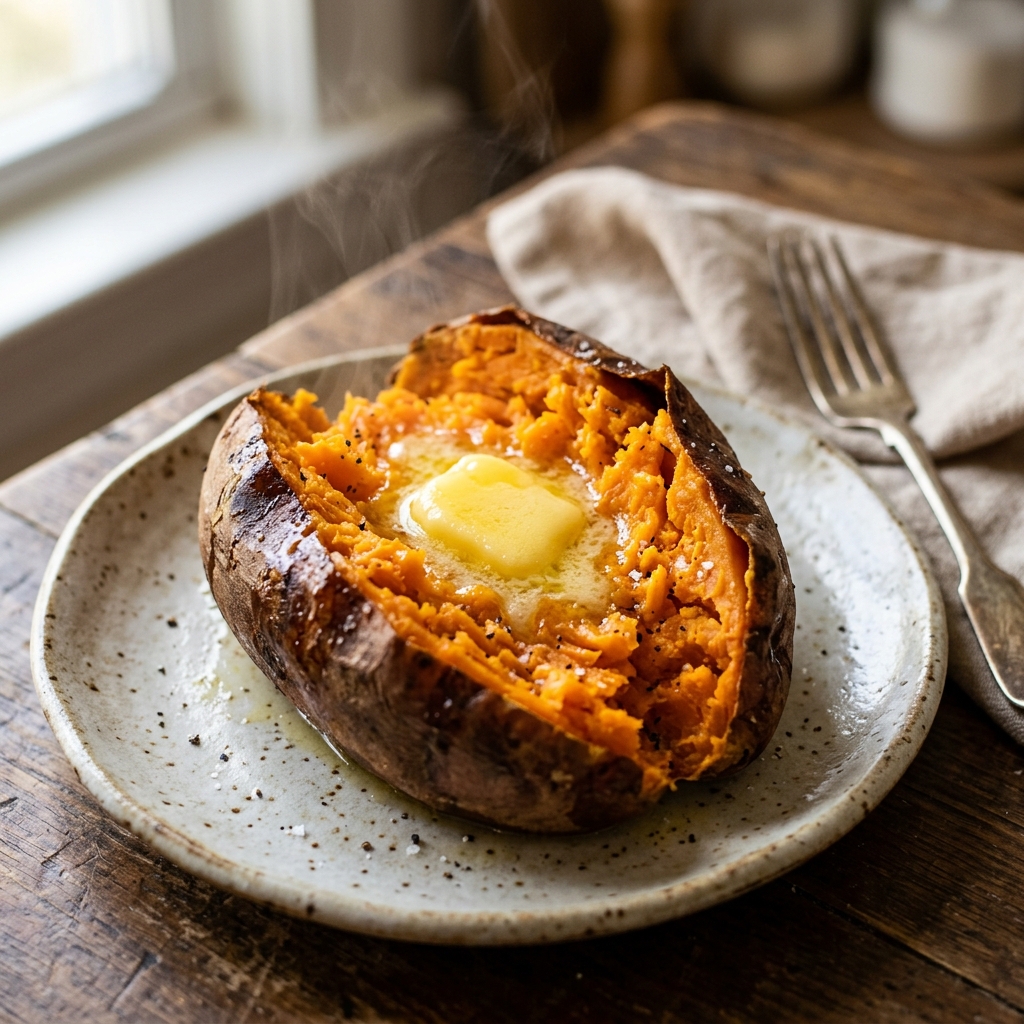
In traditional medicine, yellow and orange root vegetables are prized for their ability to deeply nourish the spleen and stomach. Sweet potatoes are packed with beta-carotene, which is crucial for repairing oxidative stress and supporting the integrity of the gut lining.
The Twist: Instead of eating starchy potatoes cold or in a heavy hash, steam or bake a sweet potato until it is incredibly soft. Mash it in a bowl with a tiny bit of high-quality ghee or virgin coconut oil, and a pinch of sea salt.
The healthy fats in the ghee or coconut oil help your body absorb the fat-soluble vitamins (like Vitamin A) from the potato, while the soft, warm texture feels like a comforting hug for your intestines.
How to make it:
- 1 medium sweet potato (orange flesh)
- 1/2 tablespoon high-quality ghee or virgin coconut oil
- A pinch of sea salt
- Optional: A sprinkle of cinnamon or pumpkin seeds for texture
Method: Steam or bake the sweet potato until it is completely tender (a fork should pierce it with zero resistance). Peel off the skin and place the flesh into a warm bowl. Add the ghee or coconut oil and sea salt, mashing vigorously with a fork until smooth and creamy. Eat slowly.
The Perfect Pairing: Add a Healing Tonic
A warm, healing breakfast shouldn’t be paired with an iced coffee or a sugary, cold juice. Doing so would undo all the warming, grounding benefits of the meal.
To truly maximize your anti-inflammatory morning routine, pair these meals with a traditional tonic. Sipping on a Golden Turmeric Tea or warm Lemon Honey Water perfectly complements these foods, priming your stomach acid and soothing your tissues. (For full recipes, explore our guide on Homemade Anti-Inflammatory Drinks).
Frequently Asked Questions
Are smoothies always bad for inflammation?
Not necessarily, but they are often too cold and contain too many hidden sugars for a sensitive gut first thing in the morning. If you must have a smoothie, ensure it is at room temperature and focuses heavily on healthy fats and proteins rather than just sweet fruits.
Can I eat eggs if I have inflammation?
Unless you have a specific allergy or sensitivity, high-quality, pasture-raised eggs are an excellent anti-inflammatory food. They are a superb source of bioavailable protein and choline, which actively supports cellular repair and liver health.
Nourishment Without the Chill
Anti-inflammatory eating doesn’t have to mean suffering through cold, unappetizing health fads or trendy diets that leave you hungry.
By focusing on warm, cooked, and grounding foods, you actively support your body’s natural digestive fire and healing rhythms. You give your gut the break it desperately needs to repair itself.
If you want to build the rest of your day around the same gentle logic, use our guide to build the rest of your day around gut-friendly foods.
Disclaimer: I’m trained in traditional medicine in Vietnam, but I’m not currently practicing medicine or providing personal diagnosis or treatment advice through this website. I write from personal experience, ongoing research, and my own food-first wellness experiments. My work explores digestion, daily energy, traditional self-care, movement, breathwork, meditation, and simple habits that support everyday well-being. Everything I share here is educational and reflective, not medical advice. It should not replace diagnosis, treatment, or care from a licensed healthcare professional.

About Mr. Anh
We turn solid evidence into everyday habits Americans can actually do—plain English, cups/oz, grocery-aisle swaps, and routines that fit real life. Our editorial process: Experience—we road-test tips in real schedules…