3 Homemade Anti-Inflammatory Drinks (A Traditional Self-Care Guide)
Looking for homemade anti-inflammatory drinks that actually make sense? This guide covers the best ingredients, easy recipes, and how to choose the right drink for your goal.
There is a profound, time-tested saying in traditional wellness practices: Your kitchen is your first apothecary.
When our bodies feel sluggish, achy, or bloated after eating healthy—the classic, quiet signs of underlying inflammation—the modern instinct is often to search for a complex “detox” supplement. Or, worse, we force ourselves to chug a massive, ice-cold green smoothie packed with raw vegetables, hoping to flush the inflammation away. But true healing rarely comes from shocking the system. It often starts with something much simpler, slower, and gentler.
Today, drawing from traditional medicine principles and my own morning rituals, I want to share three simple, homemade anti-inflammatory drinks. These recipes don’t require an expensive juicer or obscure superfood powders. Instead, they focus on warming your digestive system, calming your gut, and gently supporting your body’s natural ability to restore balance.
A Traditional Perspective: “We often fight inflammation with aggression—harsh detoxes and cold smoothies. But an inflamed body is a stressed body. True healing requires us to step back and offer our system warmth, gentleness, and traditional nourishment.”
— Mr. Anh, Founder of Essential Wellness AZ
Why You Might Want to Skip the “Green Smoothie”
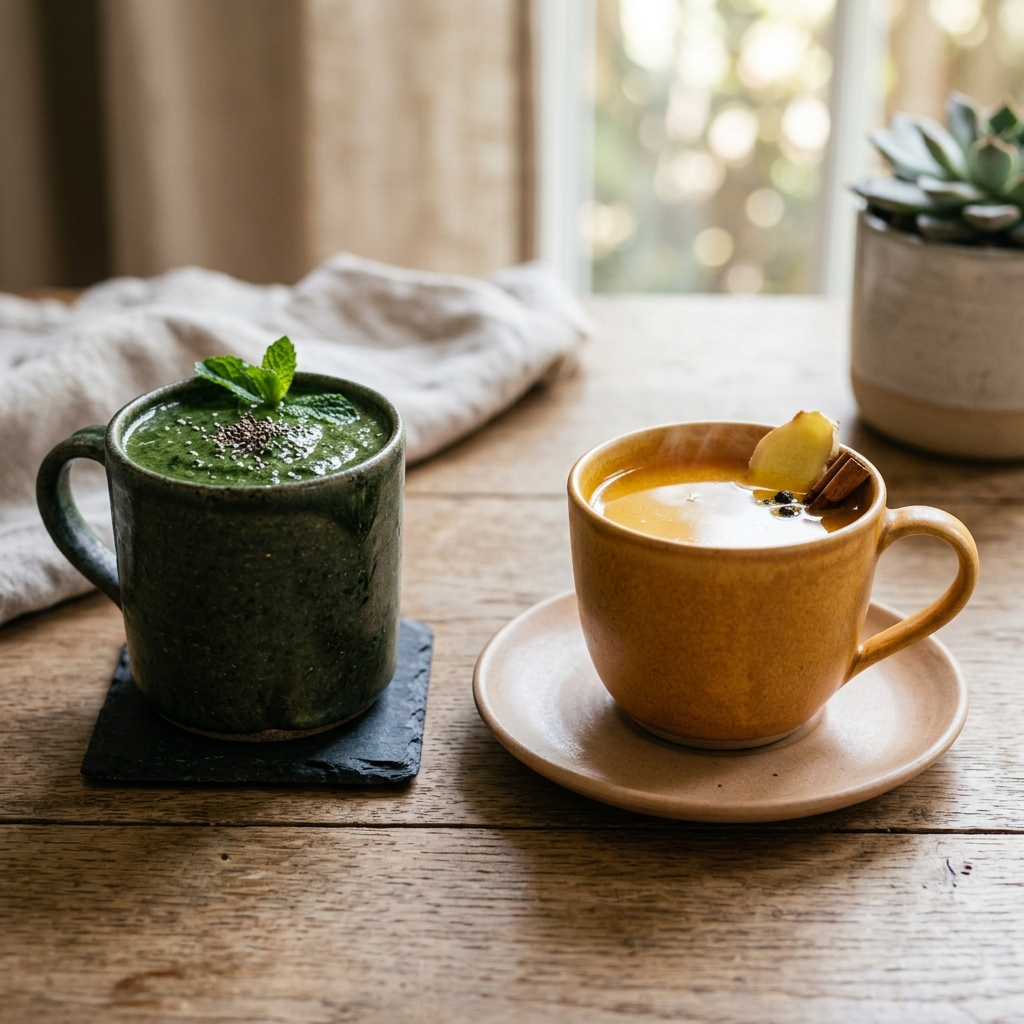
If you spend any time in wellness communities, you’ve likely seen the endless debates about the perfect anti-inflammatory diet. A common frustration I hear from people is this: they force themselves to drink ice-cold kale and spinach smoothies every morning, only to end up severely bloated and uncomfortable by noon. If that is your morning pattern, it may be time to switch to a warmer anti-inflammatory breakfast instead.
Why does this happen?
From a traditional Eastern wellness perspective, raw, cold vegetables carry a “cold” energy. When your gut is already inflamed, sensitive, or struggling to digest, dumping ice-cold raw greens into your stomach is like pouring a bucket of ice water onto a struggling fire. It physically slows down your digestion and creates stagnation.
Similarly, the popular trend of taking harsh, undiluted shots of Apple Cider Vinegar (ACV) on an empty stomach can backfire. For many, that intense acidity aggravates acid reflux and irritates a gut lining that is already inflamed and sensitive.
When we are trying to reduce inflammation, we don’t need to be aggressive. We need warm, gentle, and soothing liquids—often called tonics—that encourage the flow of energy (what traditional practices call Qi) and stimulate digestion without adding stress to the body.
The Power of Warm Tonics in Traditional Self-Care
In traditional practices, there is a heavy emphasis on warming the “Spleen and Stomach.” This doesn’t just refer to the physical organs, but the entire digestive fire that converts what we consume into usable energy.
Warm liquids are inherently relaxing. Think about how a warm bath soothes tired muscles. The same principle applies internally. Warm, homemade anti-inflammatory drinks help to relax the intestinal muscles, stimulate gentle blood flow to the digestive tract, and prepare your body to extract and absorb nutrients efficiently throughout the day.
By starting your morning with a warm tonic, you are actively participating in traditional self-care—signaling to your nervous system that it is safe to shift out of “fight or flight” and into “rest and digest.”
3 Gentle Homemade Anti-Inflammatory Drinks
Here are three of my absolute favorite tonics to make at home. They utilize powerful, everyday roots and spices that have been revered for centuries for their soothing properties.
1. The Golden Soother: Warm Turmeric-Ginger Tea
If there is one drink that defines the traditional approach to inflammation, it is the combination of turmeric and ginger. Modern science celebrates curcumin (the active compound in turmeric) and gingerol (in ginger) for their well-documented ability to inhibit the enzymes that cause inflammation. If you want the evidence-focused version, read whether turmeric is actually good for inflammation.
But from a traditional lens, this drink is all about “warming the center.” Ginger dispels stagnant cold in the stomach, easing cramps and soothing nausea, while turmeric encourages healthy blood circulation.
How to make it:
- 3 to 4 thin slices of fresh ginger root (no need to peel if organic).
- 1/2 teaspoon of ground turmeric (or a 1-inch piece of fresh turmeric, grated).
- A tiny pinch of black pepper. (This is crucial, as the piperine in black pepper helps your body absorb the curcumin).
- 1 cup of hot (not boiling) water.
Method: Place the ginger, turmeric, and black pepper in your favorite mug. Pour the hot water over the top, cover it with a small plate to trap the essential oils, and let it steep for 5 to 7 minutes. Sip slowly.
2. The Gentle Awakener: Warm Lemon Honey Water
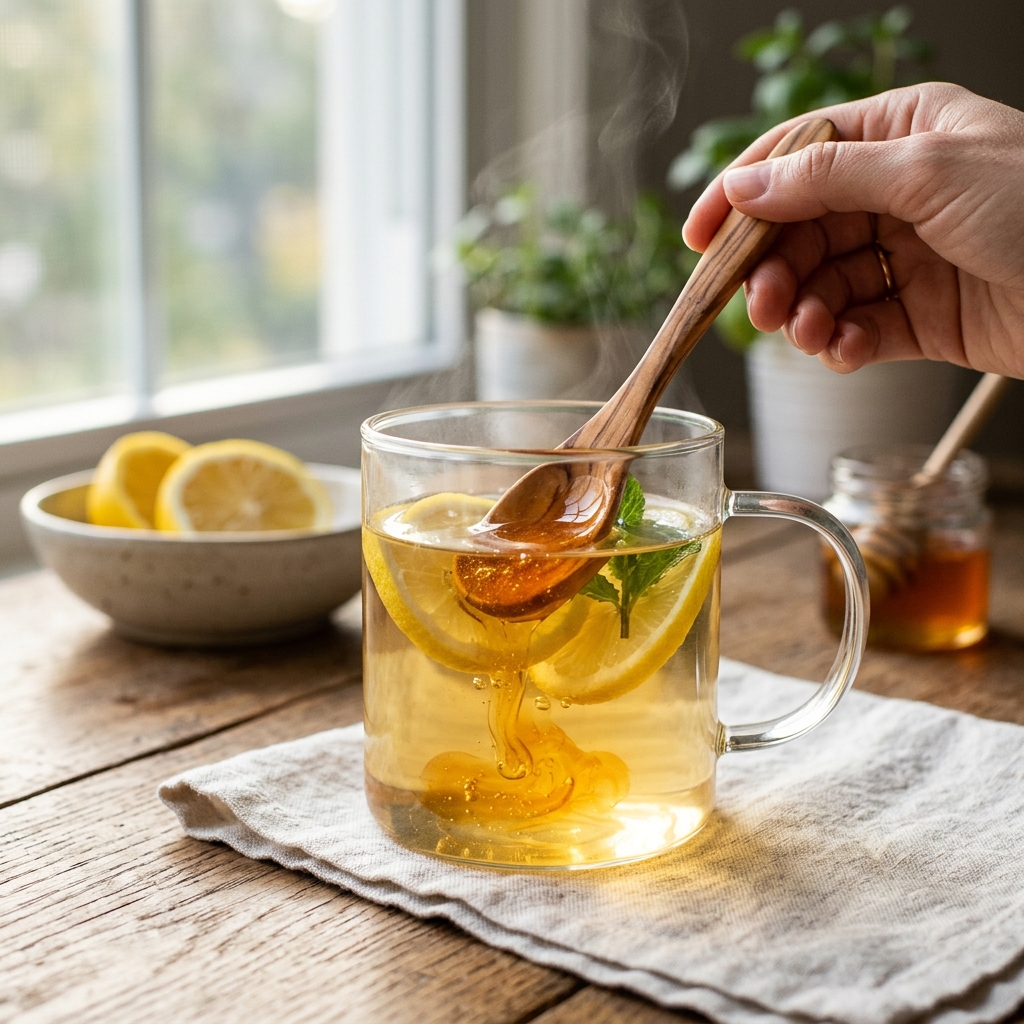
If you want the digestive benefits of a morning acidic kick but find Apple Cider Vinegar too harsh, this is your gentle alternative.
Lemon water provides a soft dose of vitamin C and helps to gently flush the digestive tract, acting as a mild stimulant for your liver. The addition of raw honey is vital here; unlike refined sugar which can trigger inflammation, raw honey is traditionally used to coat and protect the mucosal lining of the throat and stomach, making this drink incredibly soothing for a sensitive gut.
How to make it:
- 1 cup of warm (not boiling) water.
- The juice of half a fresh lemon.
- 1 teaspoon of raw, unpasteurized honey.
Method: Stir the lemon juice and honey into the warm water until the honey dissolves. Drink this mindfully upon waking, before you reach for your morning coffee. It gently awakens the peristalsis (the muscle contractions) in your gut.
3. The Deep Restorer: Ginger-Infused Bone Broth
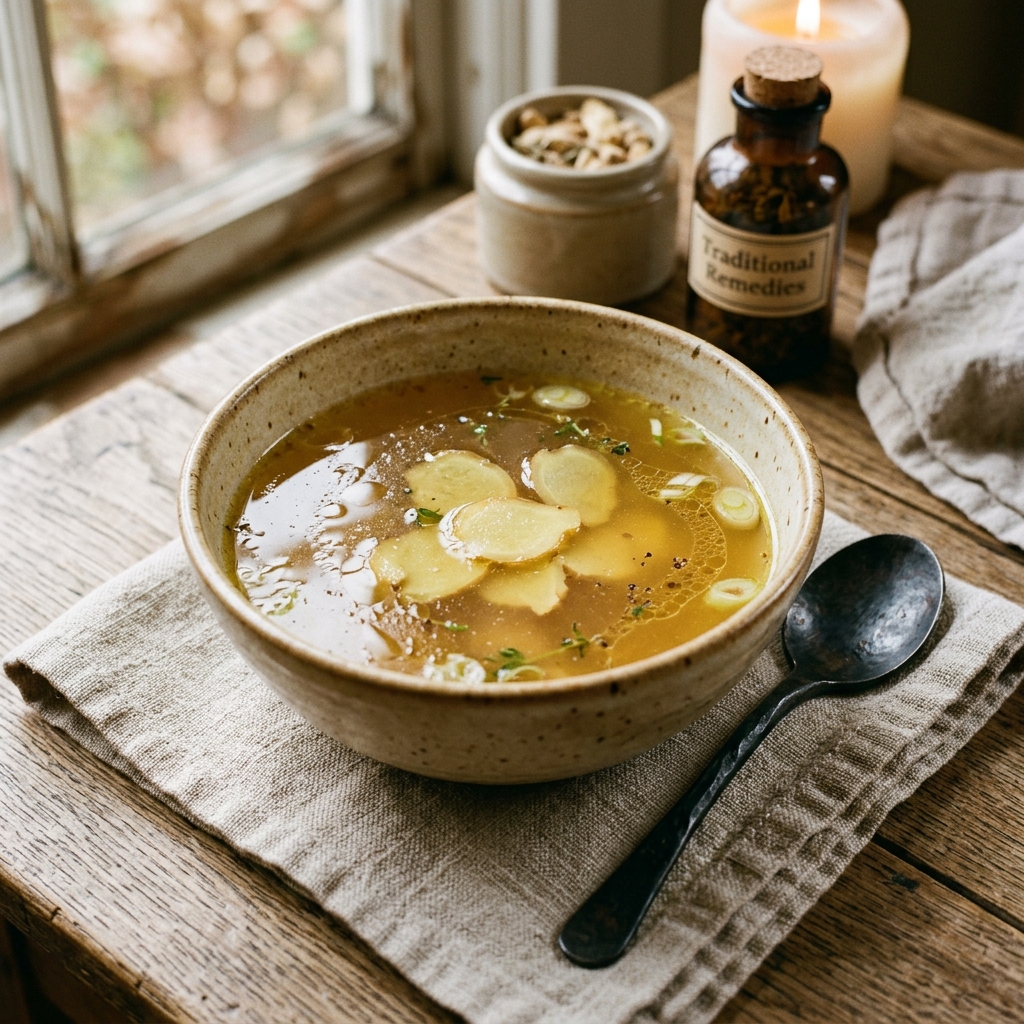
Sometimes, inflammation is a sign that the body lacks the foundational building blocks to repair itself—specifically the lining of the gut. This is where bone broth shines.
Rich in naturally occurring collagen, gelatin, and amino acids like L-glutamine, bone broth supports the structural integrity of the intestinal wall. For a broader step-by-step approach, pair it with a gentler gut inflammation reset. By infusing it with fresh ginger, you combine deep structural nourishment with an immediate, warming, anti-inflammatory kick.
How to make it:
- 1 cup of high-quality, unflavored bone broth (beef or chicken).
- 2 thick slices of fresh ginger, gently bruised with the back of a knife to release the juices.
- A pinch of sea salt to taste.
Method: Bring the bone broth to a gentle simmer in a small saucepan. Add the bruised ginger slices and let it simmer for 3 to 5 minutes. Remove the ginger and pour the broth into a mug. This is a spectacular, restorative alternative to an afternoon cup of coffee when your energy begins to slump.
Making It a Mindful Morning Ritual
In traditional wellness, how you consume your food is just as important as what you consume.
When you make these homemade anti-inflammatory drinks, don’t gulp them down while scrolling through your phone or rushing out the door. Turn the preparation into a mindful ritual. Listen to the water boil. Feel the warmth of the mug in your hands. Take five deep, slow breaths before taking your first sip.
Allow the physical warmth of the drink to relax your shoulders, your jaw, and your abdomen. That simple act of mindfulness actively reduces stress hormones like cortisol, which are notorious for fueling chronic inflammation.
Frequently Asked Questions
Can I drink these every day?
Absolutely. Unlike harsh commercial “cleanses” or extreme detox regimens, these are gentle, food-based tonics designed for daily support. They are safe and beneficial to incorporate into your everyday routine.
Do I really have to drink them hot? Can I add ice?
While you certainly can drink them over ice on a hot summer day, traditional wisdom strongly suggests drinking them warm, especially if you are actively dealing with digestive discomfort or inflammation. Warmth promotes circulation and relaxes the gut muscles, which is exactly what your body needs to heal.
The Kitchen is Your First Apothecary
You do not need an entire pantry full of expensive powders, complicated supplements, or industrial juicers to support your body’s natural healing processes. A piece of fresh ginger, a pinch of bright yellow turmeric, and a warm cup of water are incredibly powerful tools when used consistently.
Remember to listen to your body, choose the drink that feels best for you today, and always approach your self-care with gentleness.
If you want to learn more about how to eat to soothe your digestion, use our complete guide to build a broader gut-friendly food routine.
Disclaimer: I write from personal experience, ongoing research, and my own food-first wellness experiments. The recipes and traditional practices shared here are educational and reflective. They should not replace diagnosis, treatment, or care from a licensed healthcare professional, especially if you are dealing with chronic, severe inflammation.

About Mr. Anh
We turn solid evidence into everyday habits Americans can actually do—plain English, cups/oz, grocery-aisle swaps, and routines that fit real life. Our editorial process: Experience—we road-test tips in real schedules…