Diarrhea After Drinking Alcohol on an Empty Stomach
Alcohol on an empty stomach can speed absorption and irritate your gut. Learn why diarrhea happens, what to eat, and when to pause drinking.
- Why Empty Stomach Drinking Hits Your Gut Harder
- Why Diarrhea Can Happen After Drinking Without Eating
- What To Do Tonight Or The Next Morning
- What To Eat After Alcohol Diarrhea
- What To Eat Before Drinking Next Time
- Drinks And Habits That Can Make It Worse
- When Can You Drink Again?
- When To Get Medical Help
- Frequently Asked Questions
- References
Disclaimer: This article is for educational purposes only and is not a substitute for medical advice. If diarrhea is severe, keeps coming back, includes blood or black stool, or comes with dehydration, fever, repeated vomiting, or severe pain, contact a healthcare professional.
Diarrhea after drinking alcohol on an empty stomach can happen because alcohol absorbs faster without food, may irritate the digestive tract, and can make your intestines move faster than usual. If you had loose stool after drinking, the practical next step is simple: pause alcohol, rehydrate, eat bland food, and do not drink again until your stool is normal.
The empty-stomach part matters. Food slows stomach emptying and gives your body more time to absorb alcohol gradually. Without food, alcohol can reach the small intestine faster, which can raise blood alcohol levels more quickly and make stomach and gut irritation feel stronger.
For the broader topic, see alcohol and diarrhea. For the bathroom-urgency mechanism, see why alcohol can make you poop.
Why Empty Stomach Drinking Hits Your Gut Harder
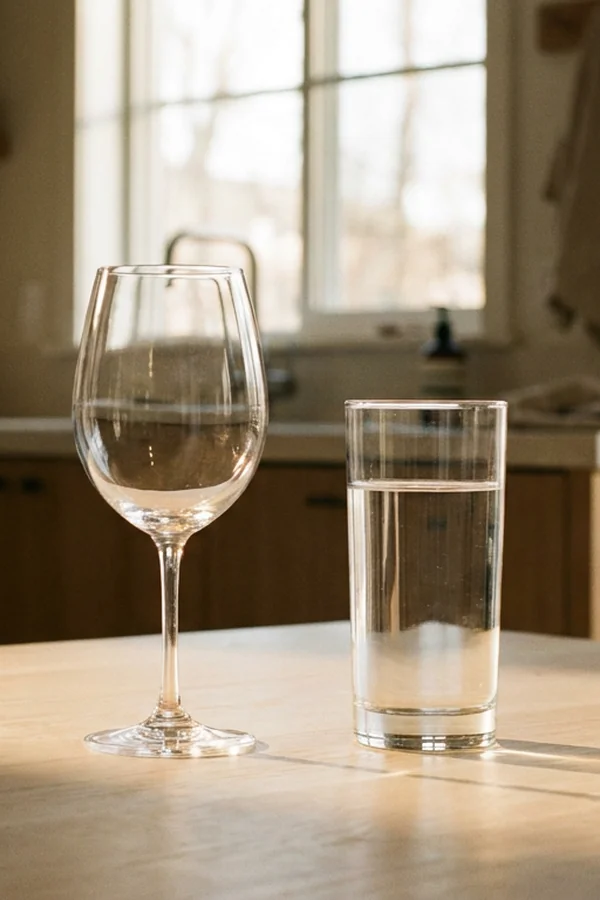
When there is food in your stomach, alcohol does not move through your system in quite the same way. Food slows gastric emptying, which means alcohol usually reaches the small intestine more slowly. That can lower and delay the peak effect compared with drinking in a fasted state.
When you drink on an empty stomach, alcohol can hit faster. That may mean stronger nausea, stomach burning, bloating, cramping, urgency, and next-day loose stool for people with a sensitive gut.
This does not mean food makes heavy drinking safe. It means an empty stomach removes one buffer. If your gut was already stressed from poor sleep, spicy food, caffeine, stress, IBS, or a previous stomach bug, drinking without eating can be the extra push.
Why Diarrhea Can Happen After Drinking Without Eating
Alcohol-related diarrhea usually is not one single thing. A few mechanisms can stack together:
- Alcohol may irritate the stomach and intestinal lining.
- Alcohol can change gut movement, so stool moves through faster.
- Alcohol can contribute to dehydration, especially if diarrhea also happens.
- Sugary mixers, beer, carbonation, caffeine, spicy food, and late-night fried food can add extra triggers.
- Drinking without food can make the alcohol effect feel stronger and faster.
That is why two drinks can feel different depending on whether you had dinner first. The same drink that felt fine with a meal may feel rough when it lands on coffee, stress, and an empty stomach.
What To Do Tonight Or The Next Morning
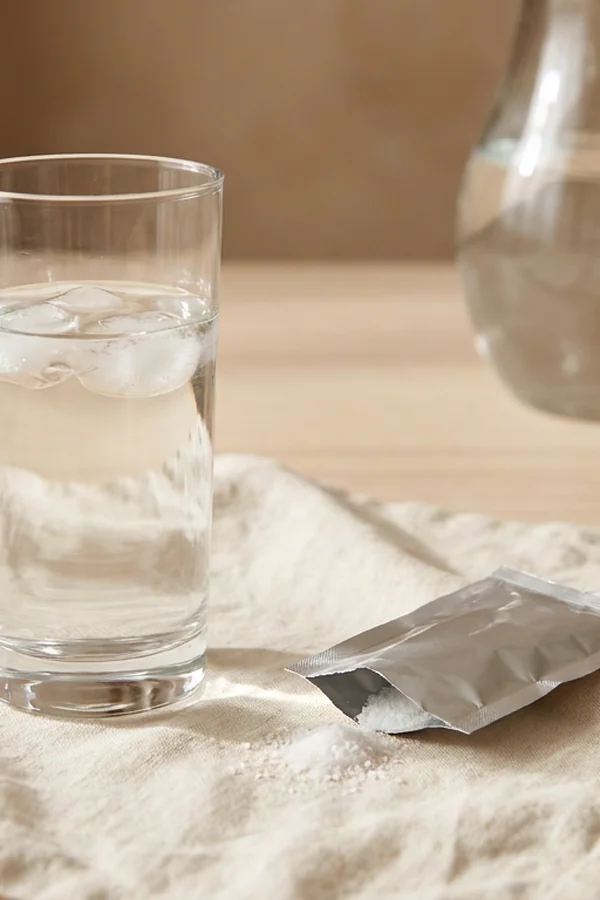
If diarrhea has already started, the goal is not to “flush out” alcohol. Your body is already asking for less irritation and more fluid.
Start with water, broth, or an oral rehydration drink. Small frequent sips are often easier than chugging a huge bottle. If you feel dizzy, very thirsty, weak, or your urine is very dark, treat hydration as the priority.
Then keep food boring for a bit. Try rice, toast, bananas, applesauce, oatmeal, potatoes, soup, eggs, or simple lean protein. Avoid making the next meal a challenge meal. Fried food, heavy dairy, spicy sauces, big salads, and more alcohol can keep the gut moving.
For a step-by-step recovery plan, use how to stop diarrhea after drinking alcohol.
What To Eat After Alcohol Diarrhea
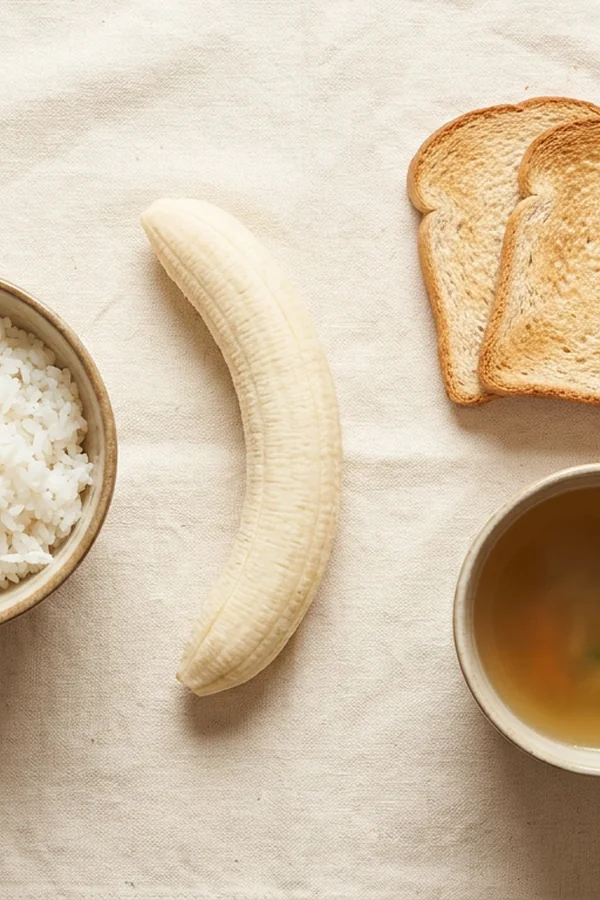
The best food after alcohol diarrhea is food your gut can process without drama. Think simple carbohydrates, salt, fluid, and gentle protein.
- rice with eggs
- toast with banana
- oatmeal
- broth-based soup
- potatoes with a little salt
- crackers and water
- plain yogurt only if dairy normally agrees with you
Skip aggressive “detox” routines. You do not need a harsh cleanse. You need enough fluid, enough salt, and enough calm food to let stool firm back up.
If you want non-alcohol drinks while your gut settles, see these gut health drinks.
What To Eat Before Drinking Next Time
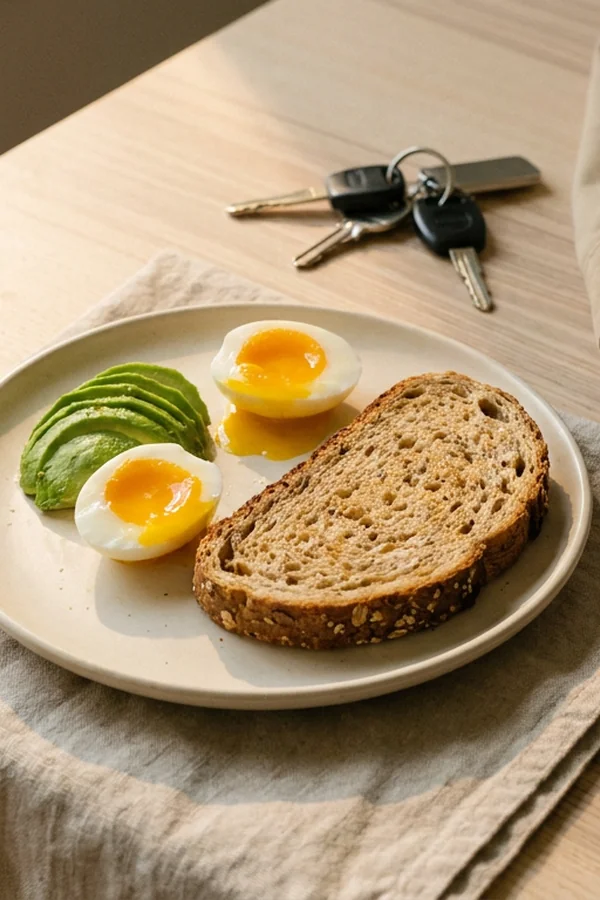
If you choose to drink again another day, eat before the first drink. A better pre-drinking meal has protein, starch, some fat, and fluid.
| Easy meal | Why it works better than drinking empty |
|---|---|
| Eggs, toast, and fruit | Protein plus starch gives the stomach something to work with. |
| Rice bowl with chicken or tofu | Simple, filling, and less likely to stack spicy or greasy triggers. |
| Soup plus bread | Adds fluid and salt before alcohol enters the picture. |
| Oatmeal with nut butter | Gentle starch plus fat can be easier than a very heavy meal. |
You do not need a giant meal. You do need something more substantial than a handful of chips. Drinking on an empty stomach is much more likely to feel sharp, fast, and messy.
Drinks And Habits That Can Make It Worse
Some drinks are more likely to stack triggers:
- beer, because of alcohol, volume, carbonation, and fermentable carbs
- sweet cocktails, because sugar can worsen loose stool for some people
- creamy drinks, especially if dairy bothers you
- caffeine mixers or energy drinks
- very spicy food plus alcohol
- late-night fried food after drinking
Beer is not automatically the cause, but it is a common suspect. If beer repeatedly causes urgency or loose stool, compare that pattern with a simpler drink taken with food. If symptoms keep repeating, your body is giving you useful data.
When Can You Drink Again?
Do not drink again while diarrhea is active. A cautious rule is to wait until diarrhea has fully stopped, you are rehydrated, and you can eat normally again. Many people use 24-48 hours after the last loose stool as a basic minimum.
For the full timing checklist, read how long after diarrhea can you drink alcohol.
When To Get Medical Help
Skip alcohol and get medical advice if diarrhea lasts more than two days, keeps returning, or comes with fever, severe abdominal pain, blood, black stool, repeated vomiting, confusion, fainting, or signs of dehydration.
Also be extra cautious if you have IBS, IBD, celiac disease, liver disease, kidney disease, diabetes, pregnancy, a weakened immune system, or medications that interact with alcohol.
Frequently Asked Questions
Can drinking alcohol on an empty stomach cause diarrhea?
It can contribute. Drinking on an empty stomach can speed alcohol absorption and may make gut irritation, urgency, nausea, and loose stool more likely in sensitive people.
Why do I get diarrhea the morning after drinking without eating?
The next-morning effect may come from faster alcohol absorption, gut irritation, dehydration, poor sleep, sugary mixers, beer, caffeine, or late-night trigger foods. An empty stomach can make the whole experience hit harder.
What should I eat after alcohol diarrhea?
Start with bland, simple foods such as rice, toast, bananas, oatmeal, potatoes, broth, eggs, or crackers. Drink water or electrolytes and avoid alcohol, greasy food, and very spicy food until stool is normal.
Should I drink alcohol again if I had diarrhea today?
No. Wait until diarrhea has fully stopped, hydration is back, and simple meals feel normal again. Drinking while diarrhea is active can worsen dehydration and irritation.
Is beer worse on an empty stomach?
Beer can be rough for some people because it combines alcohol, carbonation, volume, and fermentable carbohydrates. On an empty stomach, those triggers may feel stronger.
References

About Mr. Anh
We turn solid evidence into everyday habits Americans can actually do—plain English, cups/oz, grocery-aisle swaps, and routines that fit real life. Our editorial process: Experience—we road-test tips in real schedules…