Why Does Alcohol Make You Poop? The Science of D.A.D.S.
You wake up after a night of drinking and spend the morning rushing to the bathroom. Sound familiar? Alcohol-induced diarrhea affects millions of people, yet most don't know exactly why it happens. In this guide, we break down the science behind alcohol's effect on your gut — from gut motility to microbiome disruption — and give you practical steps to prevent it.
Disclaimer: The information provided in this article is for educational purposes only and is not a substitute for professional medical advice. If you experience chronic diarrhea or blood in your stool, consult a healthcare provider immediately.
You wake up after a fun night out, grab a glass of water, and suddenly… you have to make a mad dash for the bathroom. Welcome to the phenomenon affectionately known as D.A.D.S. — Day After Drinking Stools (or simply, the “hangover poop”).
If you’re reading this from the comfort of your toilet seat, take a deep breath. You are not alone. In fact, this is one of the most common, yet least talked about, digestive side effects of alcohol consumption. We aren’t here to judge your weekend choices or lecture you about giving up your favorite cocktail. Instead, consider us your digestive tour guides.
We are going to explain exactly what ethanol does to your plumbing and give you a realistic “survival guide” to protect your gut before, during, and after you drink.
What I noticed:
* In my clinical experience, people often blame their upset stomach on the late-night pizza or the greasy diner breakfast. While those definitely don’t help, the truth is that the ethanol in your drinks was already wreaking havoc on your colon muscles hours before you even ordered that food. Understanding this timeline changes everything about how you recover. For the full timeline — and why it can arrive the morning after — see how long alcohol diarrhea lasts.
The Anatomy of a Hangover Poop: 3 Scientific Reasons
Your digestive system is a finely tuned machine. When you introduce alcohol into the mix, it acts like a rogue manager on a factory floor, throwing off the entire assembly line. Here is exactly what is happening inside your gut.
Reason 1: The “Speed Up” Effect (Motility Overdrive)
Under normal circumstances, your large intestine moves waste along slowly, allowing plenty of time to absorb water so you can form a solid stool. Alcohol changes the rules. Ethanol is an irritant. When it hits your colon, it causes the smooth muscles to spasm and contract much faster than normal—a process called increased motility.
Because the waste is being pushed through your system at breakneck speed, your colon simply doesn’t have the time to absorb water. The result? A very urgent, very loose bowel movement the next morning.
Reason 2: The Water Flood (Vasopressin Drop)
Have you ever noticed that “breaking the seal” leads to countless trips to the bathroom while drinking? This happens because alcohol suppresses a crucial hormone called vasopressin (the antidiuretic hormone).
Vasopressin normally tells your body to hold onto water. When alcohol turns this hormone off, your kidneys flush water directly into your bladder. To make matters worse, your stomach may also pump extra water into your small intestine in a desperate attempt to dilute the irritating alcohol. This massive influx of water into your digestive tract is a primary trigger for watery morning-after stools.
Reason 3: The Sugar Mixer Trap (Fermentation)
Often, it isn’t just the alcohol causing the problem—it’s what you mix it with. Sugary sodas, sweet juices, and the heavy carbohydrates found in beer are a feast for the bacteria in your gut.
When these sugars reach your large intestine, your gut bacteria begin fermenting them rapidly. This fermentation process produces a massive amount of gas, leading to that uncomfortable bloating and explosive urgency you feel the next day. This is also why sugary mixers can leave you bloated after eating and drinking.
Does the Type of Alcohol Matter?
Yes, the type of drink you choose can significantly impact how your stomach feels the next day.
Beer and Wine vs. Clear Liquor
Beer and wine are complex beverages. They contain high amounts of carbohydrates, yeast, and FODMAPs (fermentable sugars). These elements are notoriously difficult for the digestive system to break down and are prime targets for bacterial fermentation, leading to more gas and diarrhea. If that pattern sounds familiar, read why beer and wine hit harder if fermentable carbs already bother your gut.
On the other hand, clear liquors (like vodka, gin, or tequila) mixed with plain soda water contain virtually zero sugar or complex carbs. While the ethanol itself will still speed up your gut motility, you avoid the heavy fermentation phase, which often makes clear liquors a slightly “safer” choice for sensitive stomachs.
The Pre-Game: How to Protect Your Gut Before You Drink
The best way to prevent a hangover poop is to build a fortress inside your stomach before the first sip.
The “Sponge” Strategy (Soluble Fiber)
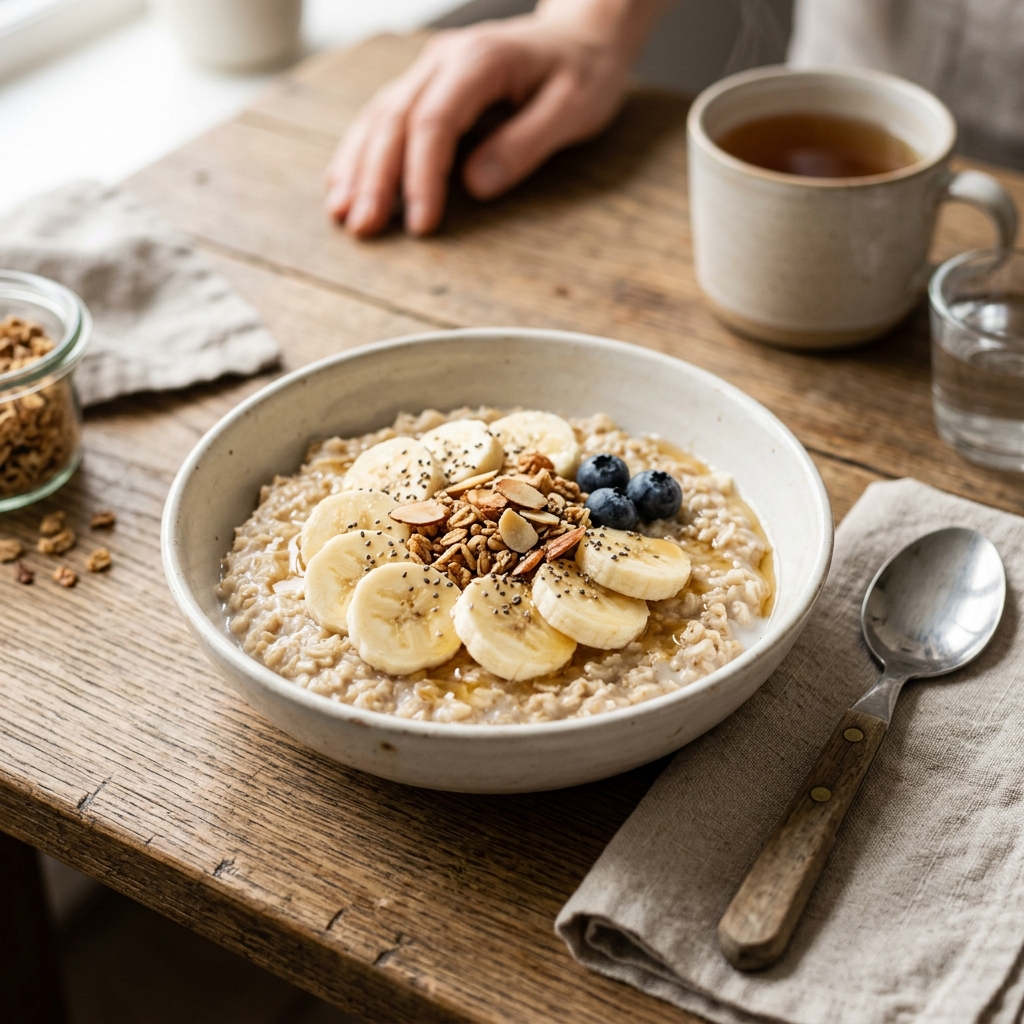
Never drink on an empty stomach. Before you head out, eat a meal rich in soluble fiber. Think of a warm bowl of oatmeal, a ripe banana, or grilled chicken with vegetables. Soluble fiber acts like a sponge in your digestive tract. It slows down the emptying of your stomach, meaning the alcohol trickles into your bloodstream slowly rather than hitting your intestines all at once. This drastically reduces the irritation to your mucosal lining. Start with a gentle high-fiber foods plan that does not overload your gut before drinking.
The 1-to-1 Hydration Rule
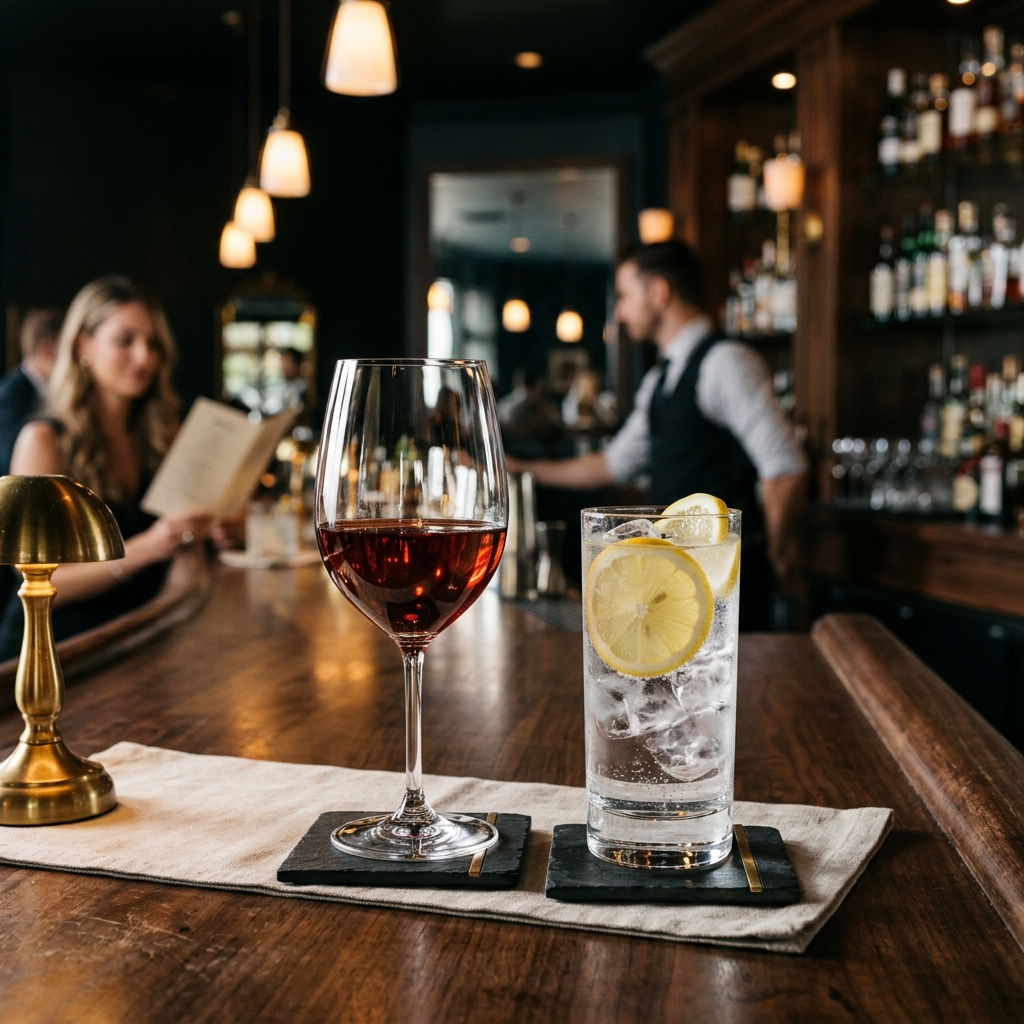
For every alcoholic beverage you consume, drink one full glass of water. This simple rule serves two purposes: it prevents you from drinking too fast, and it stops your body from drawing “emergency water” into your gut, keeping your hydration levels stable.
The Morning After: Damage Control
If the damage is already done, your focus should shift to soothing the irritation and restoring balance. For the step-by-step version of this, see how to stop diarrhea after drinking alcohol.
What to Eat When You Have D.A.D.S.
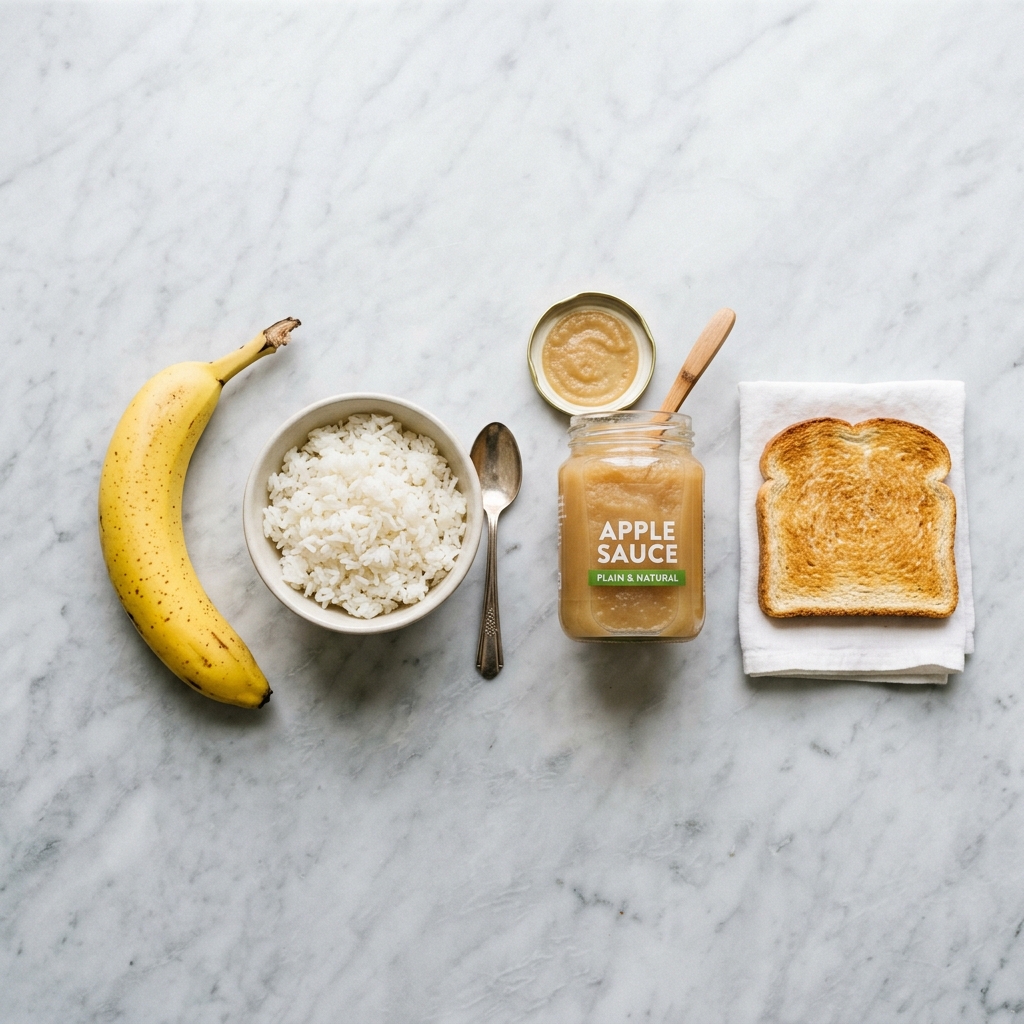
Your gut lining is inflamed and exhausted. This is not the time for a greasy bacon, egg, and cheese sandwich—no matter how much your brain craves it. Greasy, fatty foods trigger the release of bile, which acts as a powerful laxative and will only make your bathroom trips worse.
Instead, stick to the BRAT diet: Bananas, Rice, Applesauce, and Toast. These bland foods are easy to digest and help bind loose stools.
Soothing the Mucosal Lining
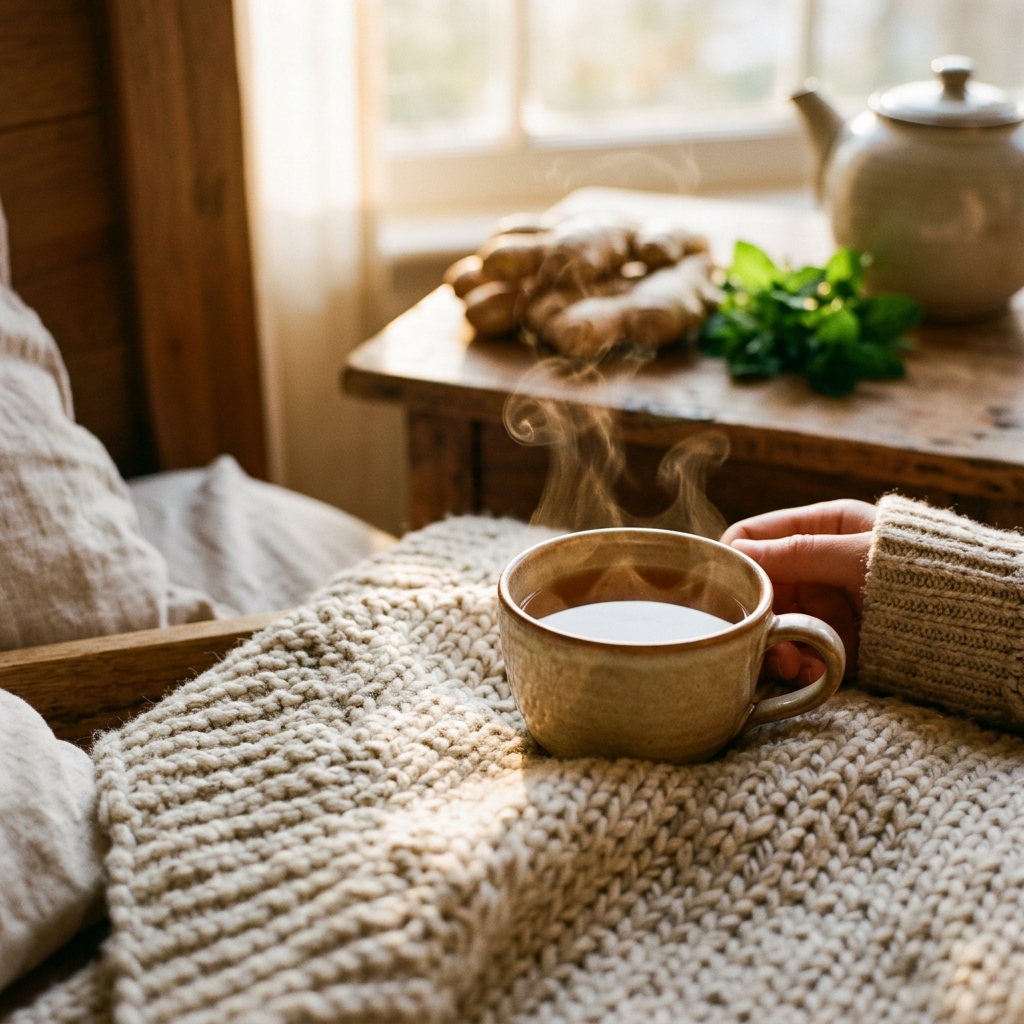
To relax the spasms in your colon, skip the harsh morning coffee. Instead, brew a warm cup of ginger or peppermint tea. Both herbs are natural antispasmodics that gently calm the digestive tract. You can learn more about these restorative options in the best gut health drinks for calming intestinal spasms. Alternatively, sipping on warm, gelatin-rich bone broth can help soothe the inflamed mucosal lining (see our guide on how to reduce gut inflammation quickly).
Common Questions About Alcohol and Diarrhea
Does alcohol cause diarrhea the next day?
Yes, it can. Alcohol speeds up gut motility, lowers vasopressin (so more water stays in the stool), and sugary mixers ferment in the gut — together these can cause loose stools the morning after. For most people it settles within 24–48 hours.
How long does alcohol-related diarrhea last?
Usually 24–48 hours, as hydration and gut motility return to normal. If it lasts longer, is severe, or comes with blood or a high fever, check in with a healthcare professional.
How do you stop diarrhea after drinking alcohol?
Rehydrate with water and electrolytes, eat gentle soluble-fiber and bland foods (oats, banana, rice, broth), and give the gut lining time to settle. Skip more alcohol and heavy caffeine until you feel normal.
Why does alcohol make you poop more?
Alcohol accelerates the contractions of the colon and pulls fluid into the gut, so waste moves through faster — that urgent feeling after drinking.
Do beer and wine cause more diarrhea than clear liquor?
For some people, yes. Beer and wine carry more fermentable carbs and sugars than clear spirits, which can add to the fermentation effect in the gut.
When to Worry (The Medical Disclaimer)
A standard bout of D.A.D.S. is completely normal and should resolve itself within 24 to 48 hours. However, if your symptoms persist beyond two days, if you experience severe abdominal pain, or if you notice blood in your stool, it is time to put down the internet and consult a doctor. Chronic alcohol-related diarrhea can be a sign of underlying conditions like Irritable Bowel Syndrome (IBS) or Inflammatory Bowel Disease (IBD).
If alcohol regularly wrecks your stomach, rebuilding with probiotic foods that help rebuild your gut after irritation can make the next recovery less brutal.
Alcohol speeds up your digestive tract, floods it with water, and ferments sugary mixers. But a little bit of preparation goes a long way. Next time you plan a night out, remember to eat a solid, fiber-rich meal first.
- **Pace yourself:** Alternate every drink with water.
- **Pre-game smart:** Eat soluble fiber (like oats) before drinking.
- **Recover gently:** Stick to bland foods and soothing teas the next day.
If you want to build a more resilient digestive system year-round, explore a gut-healthy meal plan that makes your digestive system more resilient year-round.

About Mr. Anh
We turn solid evidence into everyday habits Americans can actually do—plain English, cups/oz, grocery-aisle swaps, and routines that fit real life. Our editorial process: Experience—we road-test tips in real schedules…