How to Reduce Gut Inflammation “Quickly”: A Gentle Food-First Guide
Kefir, kombucha, ginger tea, and green drinks are not all doing the same job. This guide shows which gut health drinks make sense for bloating, microbiome support, and everyday digestion.
Disclaimer: I’m trained in traditional medicine in Vietnam, but I’m not currently practicing medicine or providing personal diagnosis or treatment advice through this website. I write from personal experience, ongoing research, and my own food-first wellness experiments. My work explores digestion, daily energy, traditional self-care, movement, breathwork, meditation, and simple habits that support everyday well-being. Everything I share here is educational and reflective, not medical advice. It should not replace diagnosis, treatment, or care from a licensed healthcare professional. If you experience chronic or severe digestive pain, please consult a physician.
When your stomach is bloated, irritated, and uncomfortable, it is completely natural to search for a way to reduce gut inflammation *quickly*. You just want a magic pill, an instant detox drink, or a quick-fix diet to make the discomfort stop immediately. We’ve all been there.
However, most health websites will tell you to immediately start eating huge bowls of raw kale, taking heavy fiber supplements, or drinking spicy, intensely fermented kimchi.
But think about it for a second: if your digestive tract is already highly irritated, throwing heavy roughage or intense fermented foods at it is exactly like throwing gasoline on a fire.
In this guide, we are not offering a medical cure for chronic inflammation. Instead, we are sharing a much gentler, food-first approach. You will learn how to hit the “Pause Button” on dietary irritants, soothe your mucosal lining with gentle liquids, and use a Food Journal to rebuild your gut’s resilience safely over time.
The Competitor Gap: Why “Quick Fixes” Usually Fail
When your digestion is acting up, the absolute worst thing you can do is shock your system with aggressive “health trends.”
The Danger of Adding Roughage Too Soon
Look, fiber is incredibly important for long-term gut health. However, raw, insoluble fiber (like raw spinach, broccoli, or raw carrots) is very difficult for your body to break down. When your gut lining is irritated, the mechanical action of digesting raw roughage can cause painful gas, intense bloating, and further irritation. Adding more fiber to an already inflamed gut is a surprisingly common mistake. Here is more on why raw fiber bloats a sensitive gut and how to read the symptoms.
Why “Detox Cleanses” Irritate the Gut Lining
Many “quick fix” cleanses rely on acidic juices, laxative teas, or spicy cayenne pepper concoctions. Here’s the thing: these harsh ingredients can strip the gut of its natural protective mucus and disrupt your microbiome. You do not need to “scrub” your gut clean; you need to give it space to rest.
Phase 1: The “Pause Button” (What to Stop Doing Today)
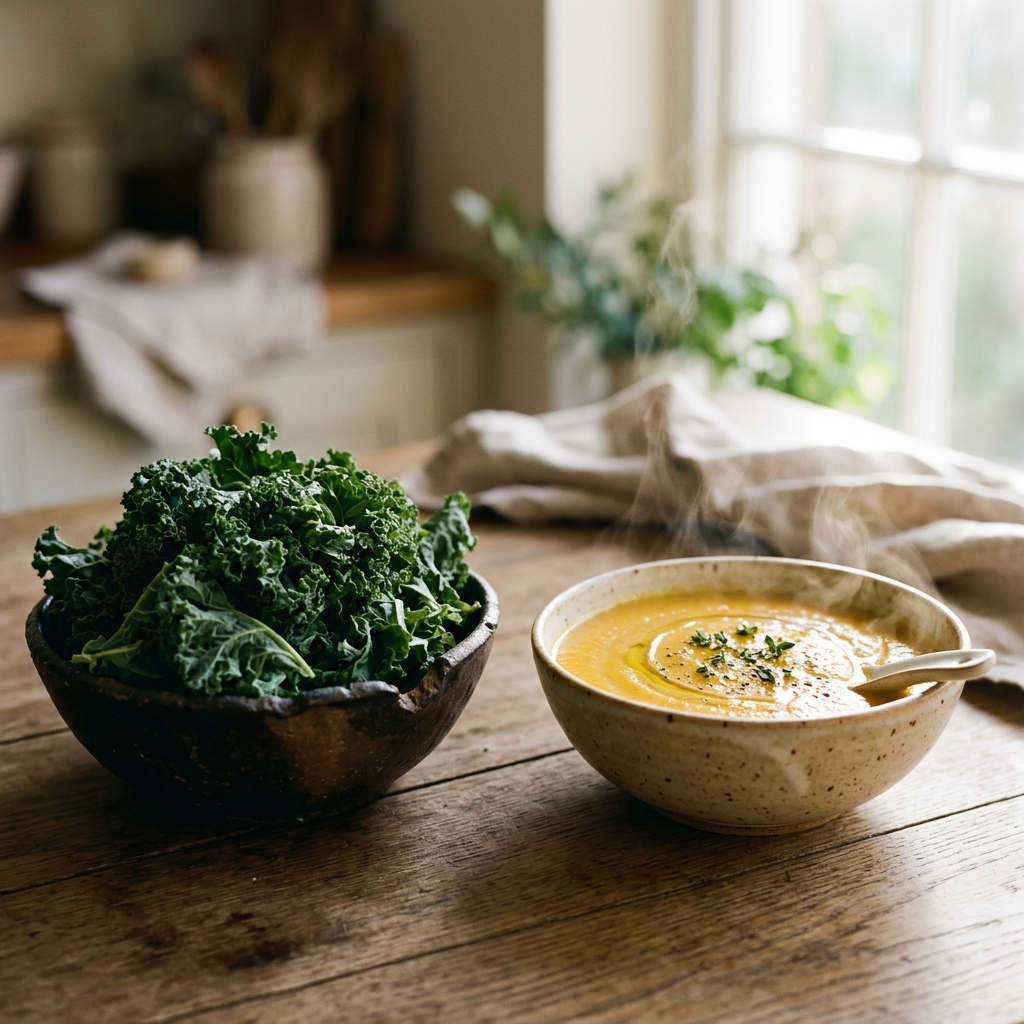
The fastest way to start reducing gut irritation is actually not about what you add to your diet; it is about what you remove.
Removing Dietary Triggers
To give your digestive system a break, temporarily hit pause on foods that are known to provoke an inflammatory response:
- Refined Sugars: They feed unfriendly bacteria and yeast in the gut.
- Alcohol: Alcohol is a direct irritant to the stomach lining and disrupts normal gut motility.
- Ultra-Processed Oils: Found in most fast food and heavily packaged snacks.
Pausing Raw Vegetables (Why Cooked is Gentler)
During a flare-up, step away from the salad bar. Heat naturally breaks down the tough plant cell walls, essentially “pre-digesting” the food for you (a concept widely supported by gastroenterologists and institutions like Johns Hopkins Medicine when discussing easy-to-digest diets). Cooking your vegetables thoroughly—whether that means steaming, boiling, or roasting—dramatically reduces the workload on your digestive system.
What I noticed:
“I used to think the solution to a bloated stomach was to eat a massive, raw ‘detox’ salad. I would force down bowls of raw kale and cabbage. It always made things significantly worse. The bloating would double, and I would feel sharp cramps. Once I learned to hit the ‘Pause Button’ and switched to thoroughly cooked, pureed vegetable soups during a flare-up, the relief was almost immediate. The cooked food allowed my digestive tract to actually rest.”
Phase 2: The Soothing Phase (Immediate Comfort)

Once you have removed the irritants, you can slowly introduce foods that act like a liquid bandage for your digestive tract.
Bone Broth and Collagen (The Liquid Band-Aid)
High-quality, slowly simmered bone broth is rich in gelatin, collagen, and amino acids like glutamine. These compounds are famously gentle and are widely believed to help support the integrity of the intestinal mucosal lining. Honestly, sipping warm bone broth is one of the most soothing things you can do for an irritated stomach.
Ginger and Peppermint Tea (Nature’s Calming Agents)
Warm liquids naturally relax the digestive muscles. Ginger contains gingerol, which helps speed up stomach emptying and reduces nausea. Peppermint tea has antispasmodic properties, meaning it physically helps relax the muscles of the intestinal wall, relieving trapped gas and cramping. For the full set, see homemade anti-inflammatory drink recipes for gentle digestion.
Easily Digestible Carbs (White Rice vs. Brown Rice)
While brown rice is healthier long-term due to its nutrient density and fiber content, white rice is usually the better choice during an acute digestive flare-up. Because the fibrous bran has been stripped away, white rice provides easily absorbed energy without making your gut work overtime to break it down.
Phase 3: The Rebuild Phase (Long-Term Resilience)
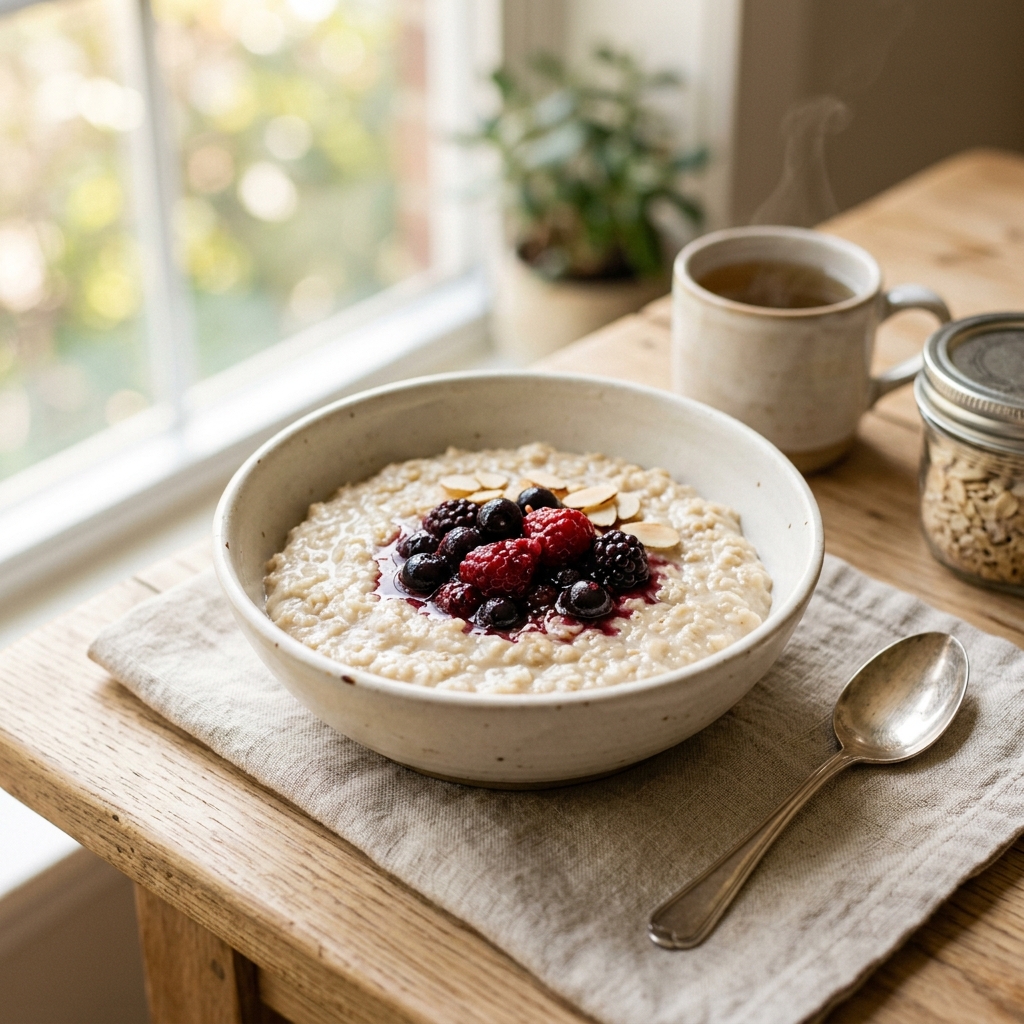
You should only enter Phase 3 when your stomach feels calm and the bloating has entirely subsided. Now, you can safely start rebuilding your microbiome.
Slowly Introducing Soluble Fiber
Unlike harsh insoluble fiber, soluble fiber turns into a soothing, gel-like substance in your digestive tract. Start with small portions of cooked oatmeal, chia seeds soaked in water, or boiled sweet potatoes. This gel helps feed good bacteria without causing physical irritation.
Adding Probiotic Foods Gradually
Once your gut can handle soluble fiber comfortably, gently introduce probiotic foods. Do not start with a massive bowl of spicy kimchi. Start with just a few spoonfuls of plain, unsweetened yogurt or a small glass of kefir. Monitor exactly how your body reacts before increasing the portion. When the gut is ready, work from the food-first probiotic foods list to step up gradually.
How to Find Your Unique Triggers

The most powerful tool for reducing gut inflammation isn’t a supplement—it is self-awareness. What irritates one person’s gut might be perfectly fine for another.
The 2-Hour Rule (Food Journaling)
Start a simple food journal. After you eat a meal, pay close attention to how your stomach feels exactly two hours later. This is usually when food is actively moving through your system. Do you feel light and energized, or do you feel heavy, gassy, and fatigued?
Listening to Your Body’s Biofeedback
If you notice that every time you eat a certain food (like heavy dairy or gluten), you experience bloating two hours later, you have found a unique dietary trigger. By tracking your biofeedback, you can permanently remove the specific foods that cause you distress, helping prevent future inflammation entirely.
Frequently Asked Questions
Can drinking water help reduce gut inflammation?
Yes. Staying hydrated is absolutely crucial. Water helps move waste through your digestive tract smoothly, preventing constipation—which can severely exacerbate bloating and irritation. Room temperature or warm water is generally more soothing to the gut than ice-cold water.
Are bananas good for an inflamed gut?
Yes, especially when they are ripe. Ripe bananas are very easy to digest and contain pectin, a type of soluble fiber that helps normalize bowel function gently. See which banana ripeness stage actually soothes an inflamed gut.
How long does it actually take to soothe the gut?
Dietary adjustments (like using the Pause Button) can provide relief from acute bloating and gas within 24 to 48 hours. However, genuinely supporting the gut lining and rebuilding a healthy microbiome is a long-term process that takes weeks or months of consistent, gentle dietary choices.
The Bottom Line
Reducing digestive irritation is not an overnight medical miracle. It is a logical, patient process of removing triggers and adding soothing foods.
By hitting the pause button on raw roughage and irritants, and returning to simple, cooked, hydrating foods like broth and ginger tea, you give your body the space it desperately needs to rest. Only when the irritation has subsided should you begin rebuilding with fiber and probiotics.
Ready to figure out what is irritating your system? Start a food journal today. When you want a structured next step, see the daily gut-friendly meal plan that supports long-term resilience, and then explore gentle high-fiber foods that are less likely to bloat when your gut is calm and ready to rebuild.
Disclaimer: The information provided on EssentialWellnessAZ is for educational purposes only. It is not intended as a substitute for professional medical advice, diagnosis, or treatment.

About Mr. Anh
We turn solid evidence into everyday habits Americans can actually do—plain English, cups/oz, grocery-aisle swaps, and routines that fit real life. Our editorial process: Experience—we road-test tips in real schedules…