Gut-Friendly Overnight Oats: Why the “Healthy” Breakfast Makes You Bloated (And How to Fix It)
If you spend any time on social media, you have likely seen influencers touting overnight oats as the ultimate breakfast...
- The Science of the Bloat: What Happens in Your Gut?
- The Eastern Perspective: Don't Put Out Your Digestive Fire
- How to Make Truly Gut-Friendly Overnight Oats (The Solution)
- The "Digestive Fire" Overnight Oats Recipe
- Troubleshooting: When Should You Stop Eating Oats?
- Frequently Asked Questions
- The Bottom Line
If you spend any time on social media, you have likely seen influencers touting overnight oats as the ultimate breakfast for digestion. It makes sense on paper: oats are full of fiber, easy to prep, and supposedly great for your microbiome.
But what happens when you actually try them? For many beginners, the result is the exact opposite of what they expected. Instead of feeling light and energized, they feel like a balloon ready to pop. They experience intense gas, cramping, and a heavy, sluggish feeling that lasts all morning. Here is more on why this kind of bloat after eating points to fermentation overload.
I call this the “Bloat Paradox.”
Why does a breakfast so universally praised for gut health cause so much immediate digestive distress? The problem is not the oats themselves. The problem is how your current digestive system handles raw starch, and more importantly, the temperature at which you are eating it.
If you want to improve your gut health using oats, you cannot simply follow a trendy recipe. You have to understand how to prepare them so your body can actually process them.
The Science of the Bloat: What Happens in Your Gut?
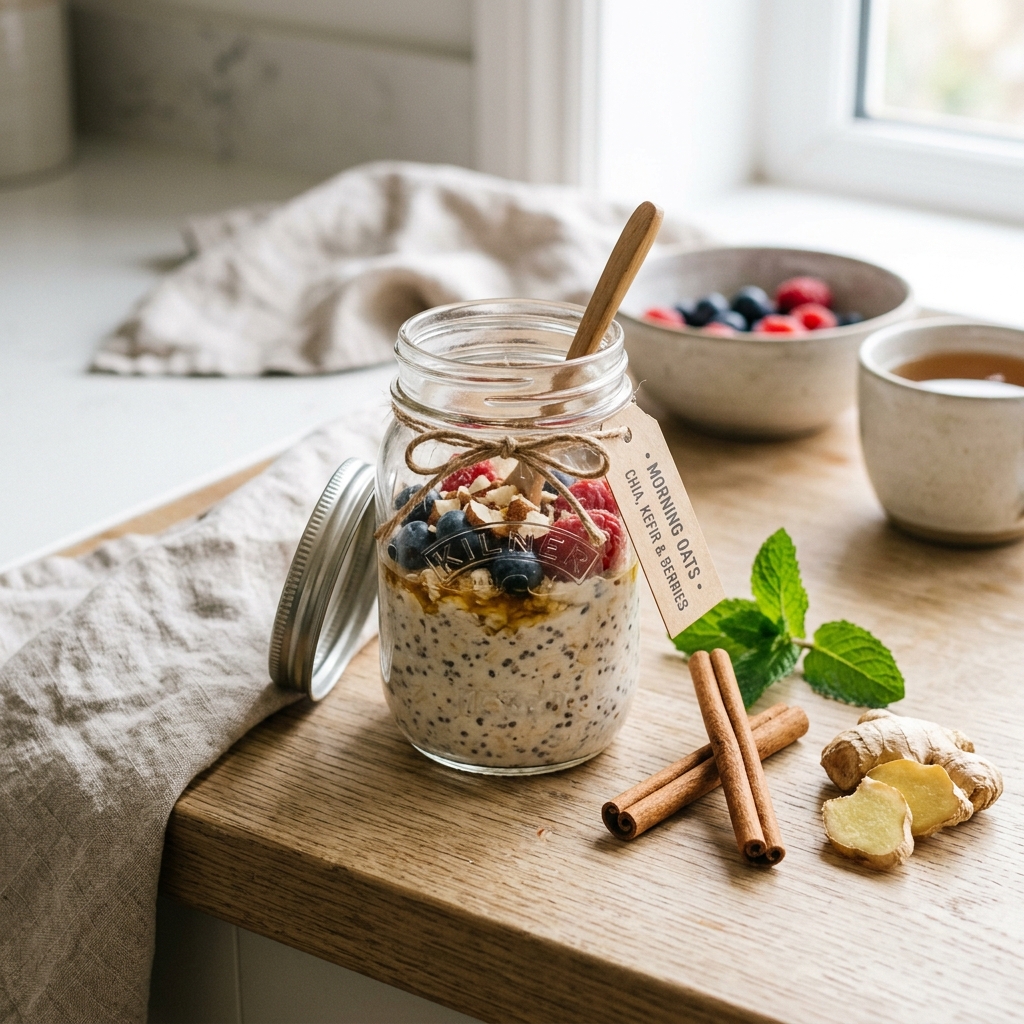
To understand why overnight oats hurt your stomach while a bowl of warm, cooked oatmeal doesn’t, we have to look at the chemistry of a raw oat grain.
The Double-Edged Sword of Resistant Starch
When oats are soaked rather than cooked, they retain a massive amount of resistant starch. Resistant starch is a type of carbohydrate that resists digestion in the small intestine. Instead, it travels whole into your large intestine, where your gut bacteria ferment it. According to research published in the National Institutes of Health (NIH), resistant starch is incredibly beneficial for colonic health when introduced properly.
This fermentation process is technically a good thing—it acts as a powerful prebiotic fiber that feeds your microbiome safely. However, if your gut is not used to digesting large amounts of resistant starch, this sudden influx causes rapid, aggressive fermentation. The byproduct of this rapid fermentation is gas. Lots of it. See why cooking destroys most of the resistant starch in oats and how to keep it gut-friendly.
Phytic Acid (The Anti-Nutrient)
Raw oats also contain high levels of phytic acid. Phytic acid is the plant’s natural defense mechanism. While it serves the plant well, clinical studies show that in the human body, it acts as an “anti-nutrient,” binding to essential minerals like zinc, iron, and calcium, preventing their absorption. More importantly for your digestion, unbroken phytic acid can be incredibly irritating to a sensitive gut lining, contributing to that heavy, cramped feeling.
The Eastern Perspective: Don’t Put Out Your Digestive Fire
While Western science explains the chemistry of the bloating, Eastern traditional medicine explains the mechanics of it perfectly.
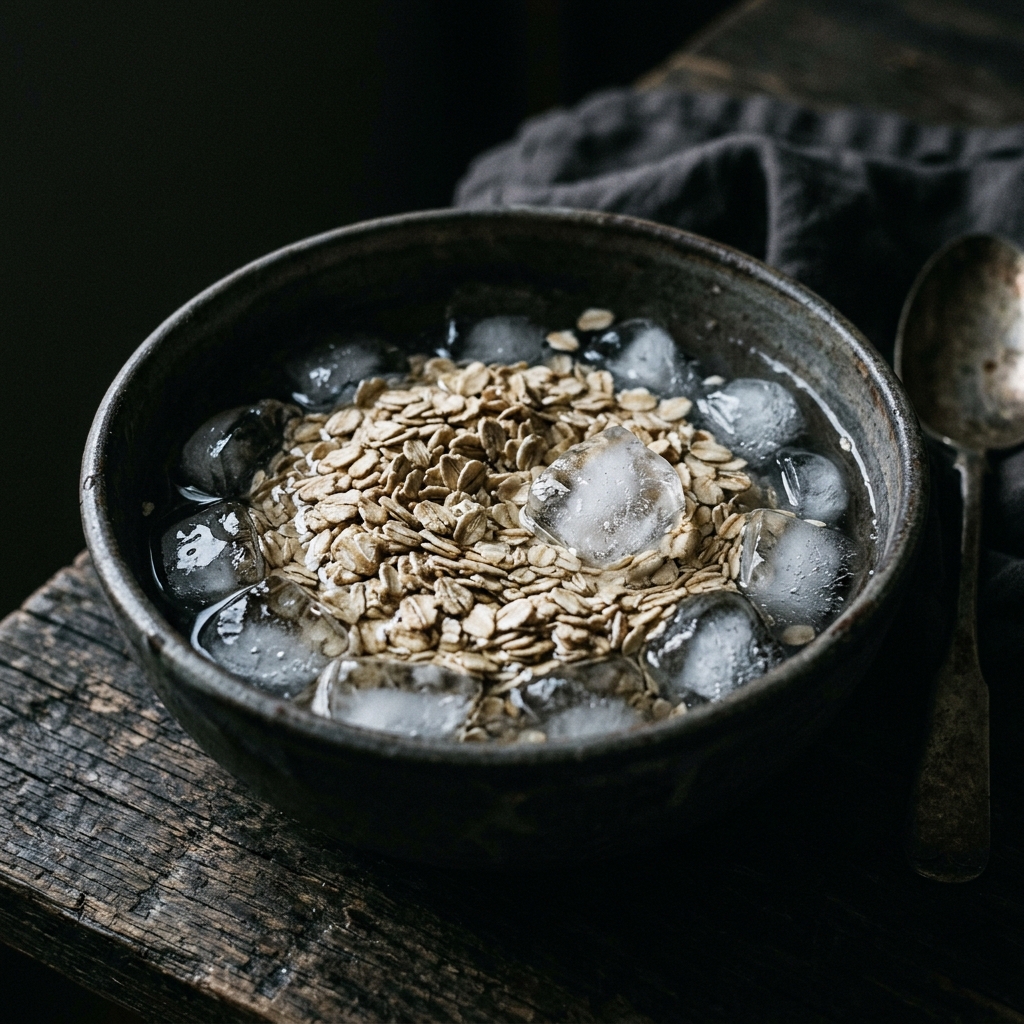
What I noticed: In traditional Eastern medicine, the digestive system (the Spleen and Stomach, or Tỳ Vị) is viewed as a furnace. It requires warmth to “cook” and extract nutrients from your food. When you take a jar of cold, damp, raw oats straight from the refrigerator and eat them first thing in the morning on an empty stomach, you are essentially throwing a bucket of ice water onto your digestive fire.
The result? Stagnation. The stomach has to expend massive amounts of energy just to warm the food up to body temperature before it can even begin breaking down the complex starches. This is why you feel sluggish and heavy after eating them.
How to Make Truly Gut-Friendly Overnight Oats (The Solution)
You don’t have to give up on overnight oats. You just need to “pre-digest” them before they enter your body. Here is how to make them truly gut-friendly.
1. The Acid Soak (Breaking Down Phytic Acid)
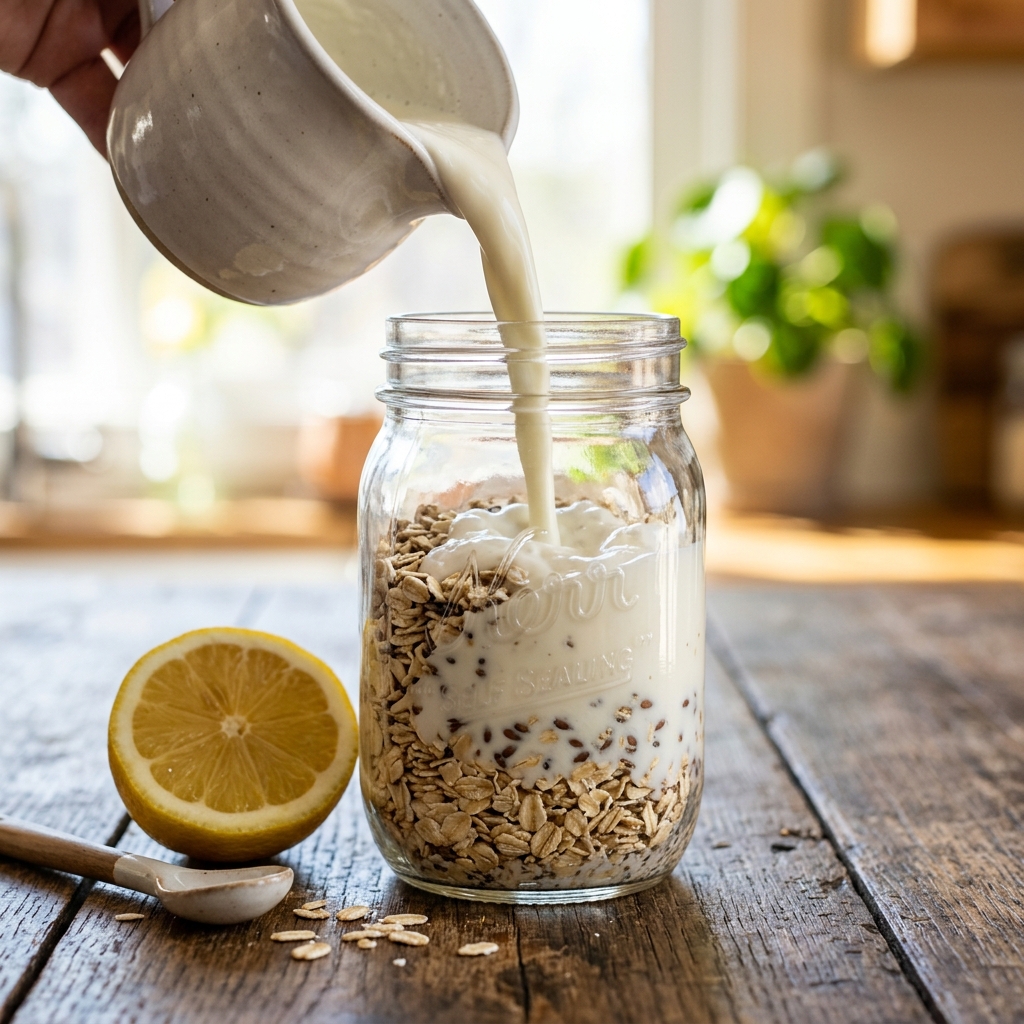
You cannot simply soak oats in almond milk and expect the phytic acid to break down. To neutralize phytic acid and make the oats easier to digest, you need an acidic environment.
When preparing your oats, add a tablespoon of an acidic medium to your liquid base. The best options are kefir, plain probiotic yogurt, or a splash of apple cider vinegar or lemon juice. This simple addition creates a slightly acidic soak that breaks down the phytic acid overnight, doing half the digestive work for you while you sleep. If you are choosing between fermented dairy, see kefir vs yogurt for which fermented dairy actually heals digestion.
2. Adding Metabolic Warmth

To counteract the “cold and damp” nature of soaked oats, you must add warming spices. This isn’t just for flavor; it’s a strategic digestive aid.
Always mix in a generous dash of cinnamon, ginger powder, or cardamom. These spices stimulate the production of digestive enzymes and help maintain your stomach’s metabolic warmth, preventing the sluggishness that usually follows a cold breakfast.
3. The Temperature Rule
This is the most important step: Never eat overnight oats straight out of the fridge.
Take your jar out of the refrigerator at least 15 to 20 minutes before you plan to eat. Let it sit on the counter and come closer to room temperature. Taking the chill off the oats is the kindest thing you can do for your morning digestive fire.
The “Digestive Fire” Overnight Oats Recipe
If you are ready to try again, use this foundational framework. It is designed specifically for sensitive stomachs.
Ingredients:
- 1/4 cup rolled oats (Start small! Do not use a massive jar. You must slowly introduce your body to the gentle high-fiber foods list for sensitive guts).
- 1/3 cup unsweetened almond milk or water.
- 1 tbsp plain kefir or probiotic yogurt (The Acid Soak).
- 1/2 tsp ground cinnamon and a pinch of ginger powder (The Metabolic Warmth).
- 1 tsp chia seeds (Optional, for gentle gel-like fiber).
- A pinch of sea salt (Crucial for digestion and flavor).
Instructions:
- Combine all ingredients in a small jar and stir thoroughly.
- Let it sit in the refrigerator overnight (at least 8 hours to allow the acid to work).
- In the morning, take the jar out and let it sit at room temperature for 15-20 minutes.
- Eat slowly, chewing thoroughly. Digestion begins in the mouth, and chewing signals your stomach to prepare for complex starches.
Troubleshooting: When Should You Stop Eating Oats?
If you follow these steps—using the acid soak, adding warming spices, eating a small portion, and letting it warm up—and you still experience severe bloating and gas, you may need to stop eating oats temporarily.
Persistent bloating from small amounts of carbohydrates can be a sign of deeper bacterial imbalances, such as Small Intestinal Bacterial Overgrowth (SIBO). If this is the case, you may need to take a step back and explore the real-world low FODMAP diet survival strategy to identify your specific carbohydrate triggers before reintroducing resistant starches.
Frequently Asked Questions
Do you have to cook oats to make them digestible?
Cooking oats breaks down the starches, making them much easier to digest immediately. However, cooking also reduces the resistant starch content. If you want the prebiotic benefits of resistant starch without the severe bloating, soaking them in an acidic medium is the best middle-ground.
Are chia seeds good to add to overnight oats?
Yes, but with caution. Chia seeds form a mucilaginous gel that is very soothing to the gut lining. However, they are also very high in fiber. If you are a beginner, stick to just 1 teaspoon per serving to avoid overloading your digestive tract.
Why do cooked oats feel fine but overnight oats hurt?
Cooked oatmeal is warm and the complex starches have already been broken down by heat. It requires very little effort from your stomach to process. Overnight oats are cold, raw, and full of unbroken resistant starches, requiring massive digestive effort.
The Bottom Line
Overnight oats are not inherently bad for you, but they are not the effortless “miracle breakfast” social media makes them out to be. They require respect.
If you treat them like the complex, raw starch they are—by pre-digesting them with an acid soak, warming them up with spices, and eating them at room temperature—they can become a powerful, gut-healing staple in your diet. Start small, listen to your body, and protect your digestive fire. When you are ready to upgrade, try the chia-seed overnight oats variant for synbiotic gut healing.
Disclaimer: I am sharing my personal experiences and research. This content is for educational purposes only and is not intended to diagnose, treat, cure, or prevent any disease. Always speak with a licensed healthcare professional about your personal medical concerns.

About Mr. Anh
We turn solid evidence into everyday habits Americans can actually do—plain English, cups/oz, grocery-aisle swaps, and routines that fit real life. Our editorial process: Experience—we road-test tips in real schedules…