How Long After Diarrhea Can You Drink Alcohol?
Wait until diarrhea has fully stopped, you are rehydrated, and you are eating normally again before drinking alcohol. Use this 24-48 hour gut reset checklist.
- The Short Answer: Wait 24-48 Hours After It Fully Stops
- The 4-Point Checklist Before Drinking Again
- Why Alcohol Is a Bad First Test for Your Gut
- Is Beer Okay After Diarrhea?
- What To Drink Instead Today
- If You Decide To Drink Again, Start Boring
- What About Probiotics After Diarrhea?
- When To Avoid Alcohol And Get Medical Help
- Frequently Asked Questions
- References
Disclaimer: This article is for educational purposes only and is not a substitute for medical advice. If diarrhea is severe, keeps coming back, includes blood or black stool, or comes with dehydration, fever, or severe pain, contact a healthcare professional.
If you just had diarrhea, wait until it has fully stopped before drinking alcohol again. A conservative rule is to wait at least 24 to 48 hours after your last loose stool, and only consider alcohol if you are rehydrated, eating normally, and have no red-flag symptoms.
That answer may feel annoyingly cautious, but your gut is not asking for a calendar. It is asking for a reset. Alcohol can pull you back into dehydration, irritate the digestive tract, and make your intestines move faster again. If your body just spent a day rushing fluid out, alcohol is a rough first test.
For the bigger timeline of alcohol-related diarrhea, start with how long alcohol diarrhea lasts. This guide is narrower: when it makes sense to drink again after diarrhea, what to do instead today, and when to skip alcohol completely.
The Short Answer: Wait 24-48 Hours After It Fully Stops
Do not count from the first moment you feel better. Count from the point where the diarrhea has actually stopped. That means no watery stool, no repeated urgency, and no feeling that a normal meal sends you straight back to the bathroom.
For a mild, short episode, many people use a simple rule: wait 24 to 48 hours after the last loose stool. If the diarrhea was severe, lasted more than a day or two, or came with vomiting, fever, or dizziness, give your body more time and consider checking in with a clinician.
The reason is simple: diarrhea can drain fluid and electrolytes. Alcohol can increase urination and may irritate the gut lining. Put those together too soon and you may restart the exact cycle you were trying to escape.
The 4-Point Checklist Before Drinking Again
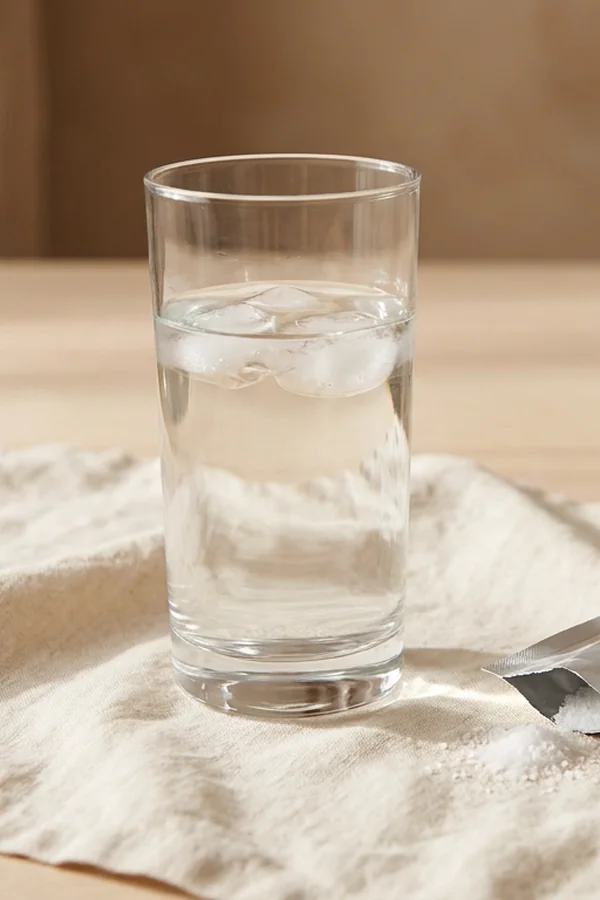
Instead of asking, “Has it been long enough?” use this checklist.
- No loose stool for 24-48 hours. Not “less bad.” Actually settled.
- You are rehydrated. Thirst, dizziness, dry mouth, and very dark urine should not still be hanging around.
- You can eat normal simple meals. Rice, eggs, soup, toast, oatmeal, bananas, potatoes, or lean protein should feel boringly okay.
- No red flags. No blood, black stool, fever, severe abdominal pain, repeated vomiting, or signs of dehydration.
If one of those boxes is not checked, alcohol can wait. Your first job is not proving your gut is fine. Your first job is getting it boring again.
Why Alcohol Is a Bad First Test for Your Gut
Alcohol is not just another drink. It can affect the gut in several ways at once: fluid balance, motility, irritation, and the foods or mixers that come with it. That is why it can make diarrhea worse for some people even after the original stomach upset seems mostly gone.
First, alcohol can contribute to dehydration. If diarrhea already cost you fluid and electrolytes, drinking can make that recovery harder. Second, alcohol can irritate the gastrointestinal tract. Third, it can affect how quickly contents move through your intestines. If things move too fast, your colon has less time to absorb water, which means looser stool.
That is also why alcohol can trigger bathroom urgency even when you were not sick first. For the mechanism, read why alcohol can make you poop.
Is Beer Okay After Diarrhea?
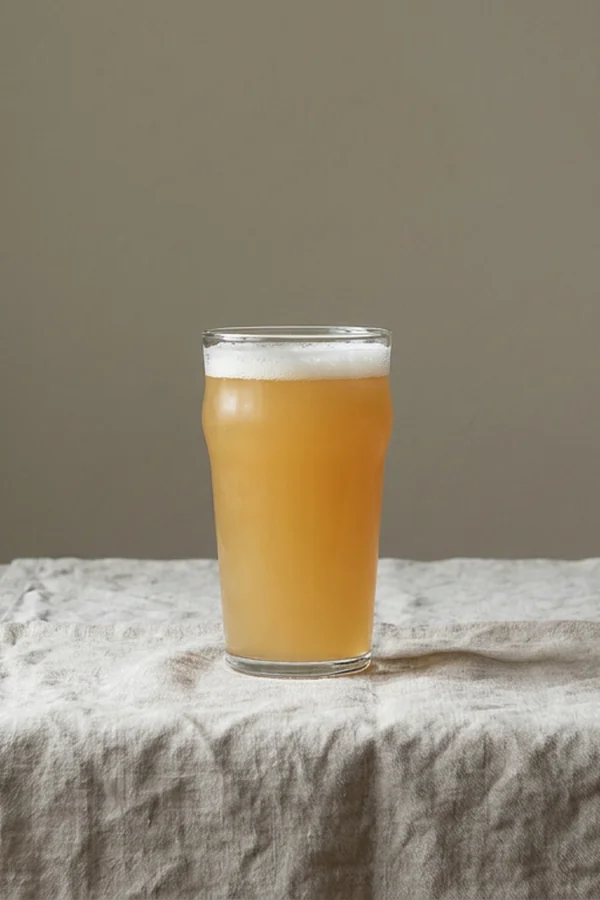
Beer is usually not the gentlest first choice after diarrhea. It brings alcohol, carbonation, volume, and fermentable carbohydrates into a gut that may still be sensitive. For some people, beer can mean more gas, bloating, and urgency than a small amount of a simpler drink.
That does not mean clear liquor is “gut-safe.” Ethanol is still ethanol. But beer, sweet cocktails, creamy drinks, energy-drink mixers, and very sugary drinks tend to stack more digestive triggers on top of the alcohol itself.
If you are still asking, “Can I drink beer if I have diarrhea?” the answer is no. Wait until the diarrhea is gone, hydration is back, and your gut has tolerated normal food again.
What To Drink Instead Today
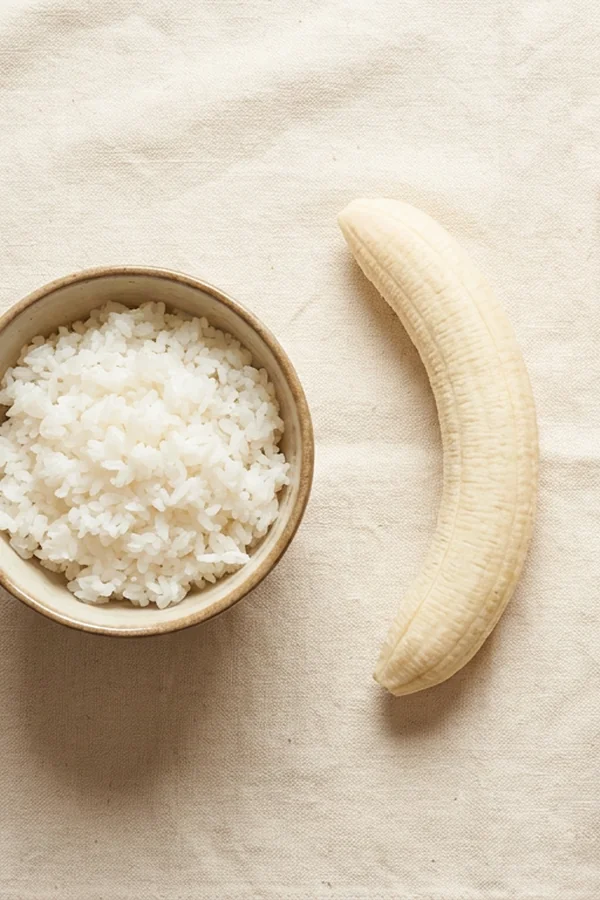
If diarrhea was recent, choose drinks that help you recover instead of drinks that test your gut.
- Oral rehydration solution or electrolytes if you lost a lot of fluid.
- Broth if food still feels heavy but you need salt and fluid.
- Water with a simple salty meal such as soup, rice, toast, potatoes, or eggs.
- Ginger or chamomile tea if warm drinks feel soothing to you.
If you want more non-alcohol options, see these gut health drinks. Keep it simple today. Your gut does not need a dramatic cleanse; it needs fluid, salt, rest, and food it can handle.
If You Decide To Drink Again, Start Boring
Once the checklist is clear, the safest first drink is not the most exciting one. Start small, drink with food, and avoid stacking triggers. That means skipping the “first night back” combination of alcohol plus fried food, spicy food, sugary mixers, caffeine, and late-night overeating.
Try a small amount with a normal meal and stop if urgency, cramps, nausea, or loose stool returns. If diarrhea comes back every time you drink, even with small amounts, treat that as useful data. Your body may be telling you that alcohol, a mixer, beer carbs, gluten, sulfites, or another trigger is not working for your gut.
For the step-by-step recovery order after alcohol-related diarrhea, use how to stop diarrhea after drinking alcohol.
What About Probiotics After Diarrhea?
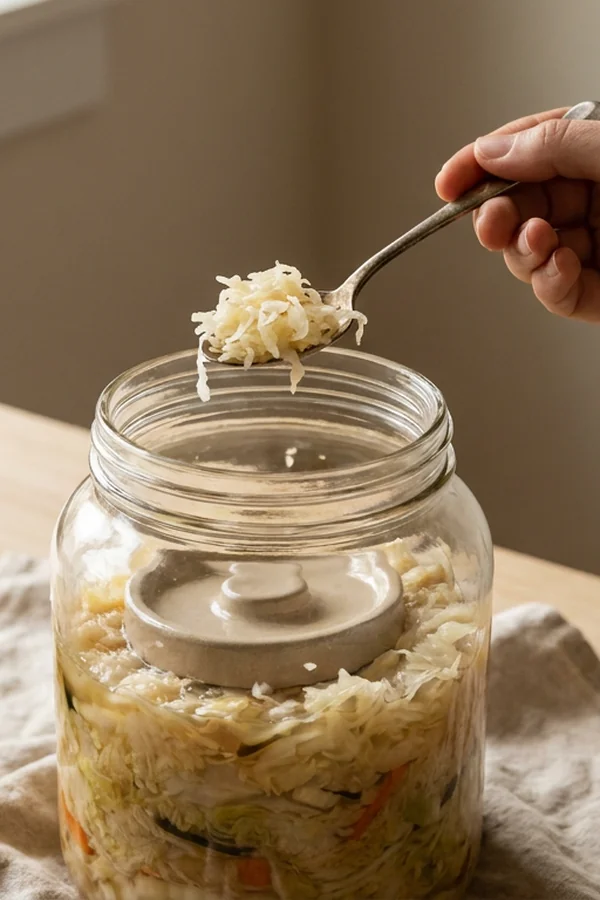
Do not rush fermented foods or probiotic supplements while your gut is still actively loose and reactive. Some people tolerate them well; others feel more gas, bloating, or urgency if they add them too early.
A calmer sequence is: rehydrate first, eat simple foods, wait until stool is stable, then slowly bring back fiber and probiotic foods if they normally agree with you.
When To Avoid Alcohol And Get Medical Help
Skip alcohol and get medical advice if diarrhea lasts more than two days without improvement, keeps returning, or comes with dehydration, fever, severe abdominal or rectal pain, bloody stool, or black stool. Those are not “wait and see with a beer” situations.
Also be careful if you have IBS, IBD, celiac disease, liver disease, diabetes, kidney disease, a weakened immune system, or if you take medications that interact with alcohol. In those cases, the right waiting period may be more personal than a general article can answer.
Frequently Asked Questions
Can I drink alcohol if I still have diarrhea?
No. If diarrhea is still active, alcohol is a poor choice because it can worsen dehydration, irritate the gut, and make loose stool more likely to continue.
How long after diarrhea can I drink beer?
Wait at least 24-48 hours after diarrhea fully stops, and only if you are rehydrated and eating normally again. Beer is often a rough first choice because it adds carbonation and fermentable carbohydrates on top of alcohol.
Does alcohol make diarrhea worse?
It can. Alcohol may contribute to dehydration, irritate the gastrointestinal tract, and speed intestinal movement. Any of those can make loose stool or urgency worse in a sensitive gut.
How long after a stomach bug can I drink alcohol?
A cautious rule is to wait until vomiting and diarrhea are gone, you have been stable for 24-48 hours, and you can eat and drink normally. If symptoms were severe or lasted several days, wait longer and consider medical advice.
Is it good to poop after drinking alcohol?
A normal bowel movement is not a problem. But watery diarrhea, repeated urgency, blood, black stool, fever, or severe pain after drinking are not signs to celebrate. They are signs to pause alcohol and pay attention.
References

About Mr. Anh
We turn solid evidence into everyday habits Americans can actually do—plain English, cups/oz, grocery-aisle swaps, and routines that fit real life. Our editorial process: Experience—we road-test tips in real schedules…