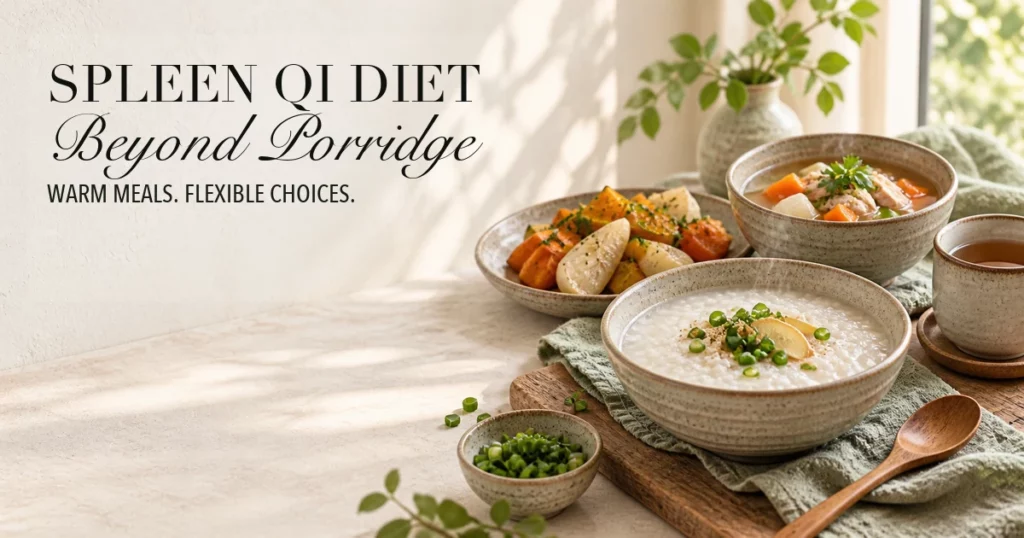
Does Reheating Destroy Resistant Starch? Rice, Potatoes, and Pasta Explained
Does reheating destroy resistant starch? Learn the Warm Leftover Rule for rice, potatoes, pasta, and oats: cool first, reheat safely, and pair smart.
- Quick Answer: Does Reheating Destroy Resistant Starch?
- The Warm Leftover Rule
- Food-by-Food Answer: Rice, Potatoes, Pasta, and Oats
- What Research Actually Suggests
- Food Safety: The Part the Reheating Hack Cannot Skip
- The Best Reheating Method for Workday Meal Prep
- If You Bloat After Reheated Resistant Starch
- Weight-Friendly Plate: Do Not Let the Hack Become a Bigger Carb Meal
- Who Should Be More Careful
- Frequently Asked Questions
- The Bottom Line
Affiliate disclosure: This guide is food-first education. Any resource links are secondary and do not change the advice.
No, you probably do not have to eat cold potatoes or cold rice for resistant starch to be useful.
That is the part most people get stuck on.
They hear the basic idea: cook a starchy food, cool it, and some of the starch may become more resistant to digestion. Then the practical question shows up at lunch:
“If I reheat this, did I just ruin the whole point?”
For a real workday, that question matters. Cold leftovers are not always appealing. You may want warm rice with eggs, a reheated potato with chicken, or pasta that does not feel like a sad fridge experiment.
Here is the honest answer:
Reheating does not usually erase the entire resistant-starch benefit. But the food, cooling time, storage, reheating method, and portion all matter.
The rule I use is simple:
Cool first. Reheat safely. Pair smart.
I call it The Warm Leftover Rule.
This is not a magic carb loophole. It does not make rice, potatoes, or pasta low-carb, calorie-free, or unlimited. It is a way to make cooked-and-cooled starches fit normal life without forcing every meal to be cold.
Quick takeaways:
– Reheating does not usually destroy all resistant starch.
– The cooling step matters most. Resistant starch type 3 forms as cooked starch cools.
– Rice research suggests cooked rice cooled in the fridge and reheated can still contain more resistant starch than freshly cooked rice.
– Potato data are more nuanced: chilled potatoes may retain more resistant starch than reheated potatoes in some studies, but reheating does not make potato meal prep useless.
– Pasta has several cooled-and-reheated studies with favorable resistant starch or glucose-response changes in study settings.
– Do not repeatedly reheat the same container to chase more resistant starch.
– Store leftovers safely, reheat thoroughly, and pair carbs with protein.
Quick Answer: Does Reheating Destroy Resistant Starch?
Reheating does not usually destroy all resistant starch.
The main resistant-starch change happens after cooking, when the food cools. During cooling, some starch molecules reorganize through a process called retrogradation. This can form resistant starch type 3, the type commonly discussed with cooked-and-cooled rice, potatoes, pasta, and oats.
That means the useful sequence is:
- Cook the starch.
- Cool it properly.
- Refrigerate it safely.
- Reheat one portion if you want it warm.
- Build a balanced meal around it.
The fragile question is:
“Did reheating preserve every gram?”
The better question is:
“Did I cook, cool, store, reheat, portion, and pair this food in a way I can actually repeat?”
That is where resistant starch becomes useful. Not as a perfect laboratory trick, but as a practical meal-prep habit.
The method may increase resistant starch compared with freshly cooked versions. It may make a meal feel steadier for some people. But it does not make rice, potatoes, or pasta calorie-free, low-carb, or safe to eat in unlimited amounts.
For the broader science, start with the cook-and-cool resistant starch method.
The Warm Leftover Rule
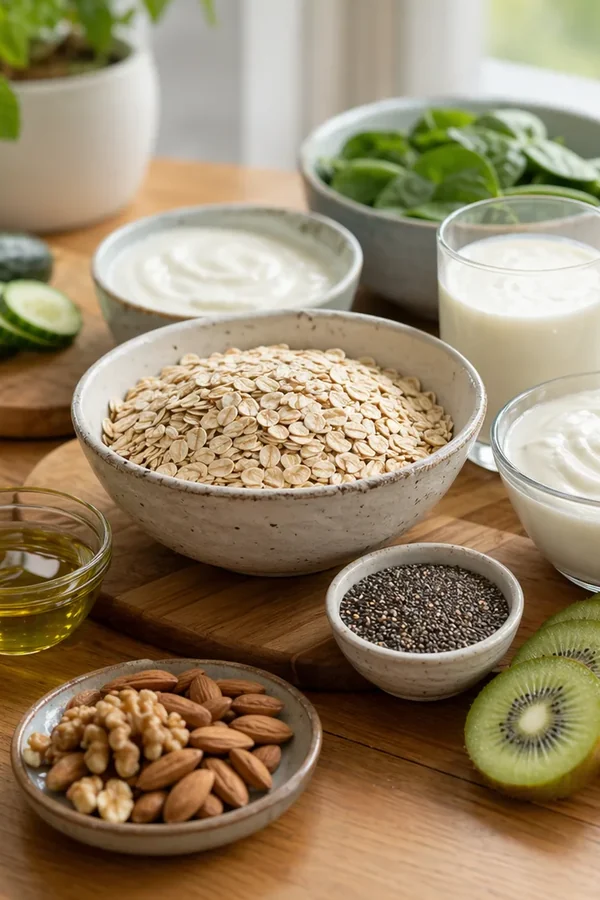
Use this as your simple decision system.
| Step | What to do | Common mistake | Better fix |
|---|---|---|---|
| Cool first | Refrigerate cooked starch safely | Leaving rice or potatoes out for hours | Use shallow containers and refrigerate promptly |
| Reheat safely | Warm one portion thoroughly | Reheating the same large container repeatedly | Portion first, reheat only what you need |
| Pair smart | Add protein and vegetables | Eating a big carb-only bowl | Build a real plate |
1. Cool First
Cook the starch normally.
Then let steam escape briefly and move the food into shallow containers. This helps it cool faster and makes later portions easier.
Cooling is the key step. Cleveland Clinic explains that resistant starch type 3 forms when starchy foods such as potatoes, rice, and pasta are cooked and then cooled. Harvard Health and UF/IFAS Extension also describe this cook-and-cool process as a practical way to increase resistant starch in some foods. (Cleveland Clinic, Harvard Health, UF/IFAS)
For everyday use, think overnight refrigeration. You do not need a complicated protocol before you have a repeatable habit.
2. Reheat Safely
If you want the food warm, reheat one portion.
Do not keep warming and cooling the same big container. Some studies look at repeated heating and cooling cycles, but that is not the habit I would build at home. It adds confusion and can make food safety harder.
Reheat the portion you plan to eat until it is hot throughout. If the food was stored poorly, sat out too long, smells off, or feels questionable, skip it.
No wellness habit is worth unsafe leftovers.
3. Pair Smart
This is where the hack either becomes useful or falls apart.
If you cool and reheat rice, then eat a huge rice bowl with almost no protein, the meal can still feel heavy. If potatoes become butter-heavy mash, the resistant starch detail is no longer the main issue. If pasta becomes the whole plate, the fridge did not solve the meal.
Use this order:
- Protein first.
- Carb portion second.
- Cooked vegetables next.
- Sauce, oil, or extras last.
That structure helps you learn from the meal. Otherwise, you may blame reheating when the real variable was portion size, sauce, coffee timing, stress, or not enough protein.
Food-by-Food Answer: Rice, Potatoes, Pasta, and Oats
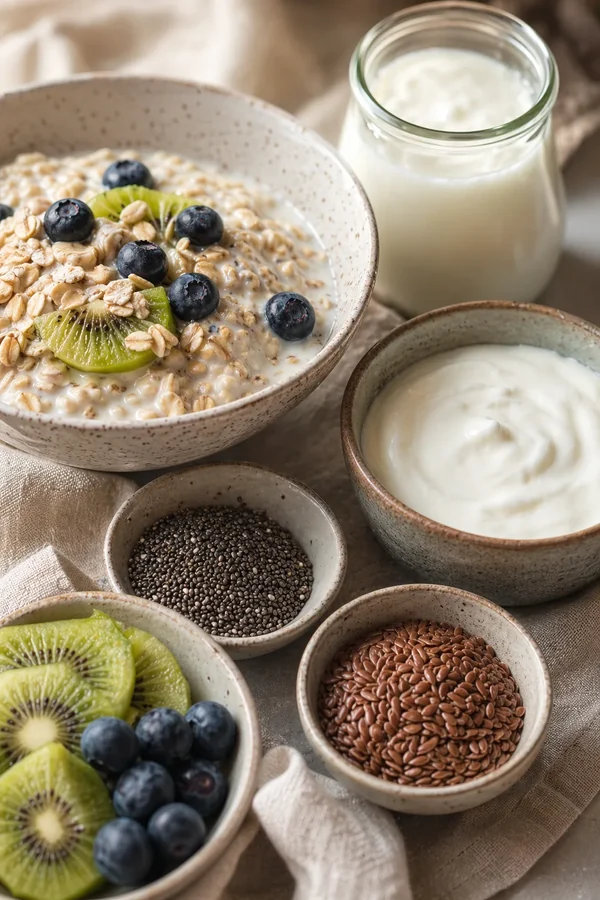
Here is the practical answer by food.
| Food | Can you reheat it? | What research suggests | Best workday move |
|---|---|---|---|
| Rice | Yes, if stored safely | Cooled then reheated rice can still have more resistant starch than fresh rice in some studies | Cook, cool, refrigerate, reheat one portion |
| Potato | Yes, with nuance | Chilled may retain more resistant starch than reheated in some data | Reheat if needed, but keep portion modest |
| Pasta | Yes | Cooled-and-reheated pasta has supportive study data | Pair with protein; avoid large portions |
| Oats | Depends on preference | Less direct reheating focus than rice, potatoes, and pasta | Use portion, protein, and tolerance first |
Rice: Reheating Can Still Be Useful
Rice gives the clearest practical reassurance.
One study compared freshly cooked white rice with rice cooled for 10 hours at room temperature and rice cooled for 24 hours at 4 C, then reheated. The rice cooled for 24 hours in the fridge and reheated had more resistant starch than freshly cooked rice in that study. (PubMed)
That does not mean every rice cooker, rice variety, refrigerator, and reheating method will produce the same number. Rice type, water ratio, cooking method, refrigeration, and reheating can all change results.
But it does answer the fear:
Reheating rice does not automatically make the cook-and-cool method pointless.
Microwave reheating and cold storage have also been studied in cooked rice, and the results support a more nuanced view than “heat destroys everything.” (PubMed)
The practical move is simple:
Cook rice. Cool it safely. Refrigerate it. Reheat one portion thoroughly. Pair it with protein.
For the full rice workflow, use the resistant starch rice guide.
Potatoes: Chilled May Be Highest, but Reheated Is Still Practical
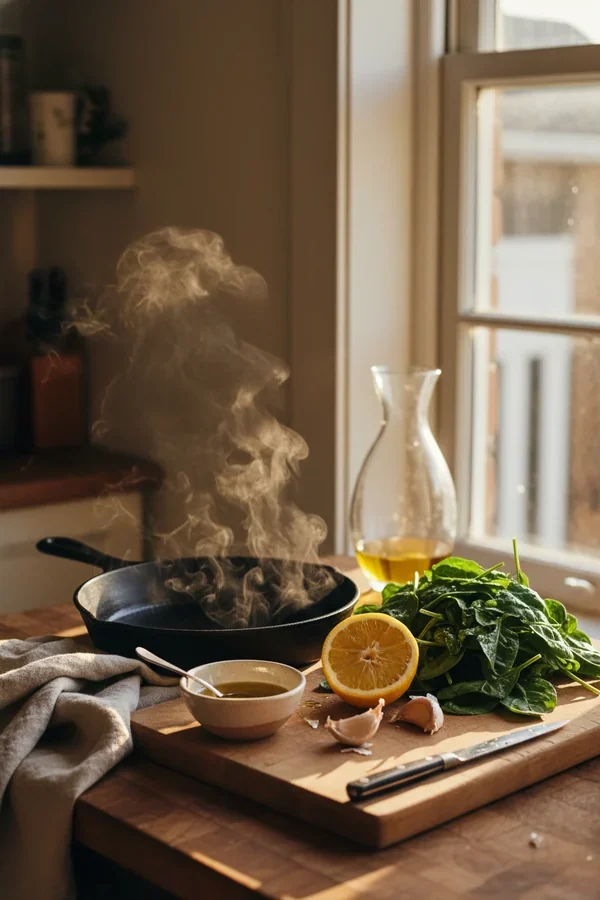
Potatoes are more nuanced than rice.
Some potato research suggests chilled potatoes may contain more resistant starch than hot or reheated potatoes. A potato boiling, cooling, and reheating study found meaningful differences in potato structure and digestibility across preparation methods. (ScienceDirect)
That does not mean reheated potatoes are useless.
It means we should avoid extreme rules.
If cold potato works for you, use it. Potato salad, cooled potato with eggs, or chilled potato pieces with a protein-based sauce can be useful.
If warm food helps you stick with the habit, reheat a safely stored portion and keep the portion modest.
The real mistake is not warming the potato. The real mistake is letting potato become a huge, low-protein, butter-heavy or oil-heavy meal.
For the full method, read the resistant starch potatoes guide. If you prefer sweet potatoes, use the resistant starch sweet potato guide.
Pasta: Cooled and Reheated Can Still Be Relevant
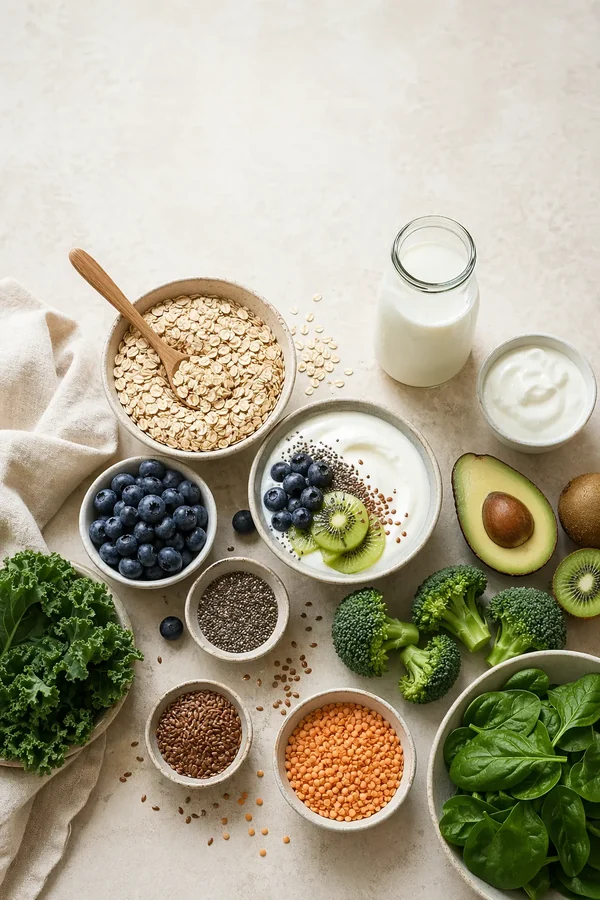
Pasta also has supportive cooled-and-reheated research.
Several study settings suggest cooling and reheating pasta can increase resistant starch or change glucose response compared with freshly cooked pasta. This has been studied in different pasta contexts, including chickpea pasta and pasta meals. (PMC, PMC, Nature)
The practical answer is simple:
Cooled-and-reheated pasta can fit the Warm Leftover Rule.
But it still needs portion control and protein. A giant pasta bowl does not become a light meal just because it spent the night in the fridge.
Try pasta as part of the plate:
- pasta plus chicken and cooked vegetables
- pasta plus tuna, herbs, and measured olive oil
- pasta plus tofu, vegetables, and a simple sauce
- pasta plus eggs or a Greek-yogurt-based dressing if tolerated
Oats: Use the Breakfast Lens
Oats are different because they usually live in breakfast.
Overnight oats are often eaten cold, but many people prefer warm oats. With oats, the bigger practical questions are usually portion size, protein, total fiber load, sweeteners, and tolerance.
If warm oats feel better, do not obsess over whether every gram of resistant starch survived. Build a breakfast that is fast, balanced, and calm for your stomach.
That usually means:
- keep the oat portion modest
- add protein
- avoid stacking too many seeds, powders, sweeteners, and raw fruit at once
- test coffee timing if breakfast bloating is an issue
For more help, read the resistant starch oatmeal guide and the resistant starch breakfast ideas guide.
What Research Actually Suggests
The research does not support a simple slogan like “reheating destroys resistant starch.”
It also does not support the opposite slogan: “cool it once and eat as much as you want.”
The real picture is more useful than either extreme.
Resistant Starch Type 3 Forms During Cooling
When cooked starch cools, some of the starch reorganizes into a structure that resists digestion more than fresh hot starch. This is commonly called resistant starch type 3.
That is why cooked-and-cooled rice, potatoes, pasta, and oats get attention.
The cooling phase is the foundation. Reheating is the next variable, not the whole story.
Rice Evidence Supports Cooled and Reheated Use
The rice evidence is useful because it directly includes a cooled-and-reheated condition.
In the cooked white rice study, rice cooled for 24 hours at 4 C and reheated contained more resistant starch than freshly cooked rice. The same study also reported a lower glycemic response for the cooled-and-reheated rice meal compared with the freshly cooked rice meal in that setting. (PubMed)
This is promising, but it needs careful framing.
It does not mean rice becomes a treatment for diabetes. It does not mean every person will respond the same way. It does not mean the portion no longer matters.
It means preparation can change how starch behaves.
Potato Evidence Is Not Identical to Rice
Potatoes should not be squeezed into the rice story.
Some potato data suggest chilled potatoes may retain more resistant starch than reheated potatoes. That gives us a useful distinction:
Cold may be closer to the “maximize resistant starch” version.
Warm may be closer to the “I can actually eat this at work” version.
Both can be useful depending on the person, the meal, and the goal.
Pasta Evidence Supports Reheated Leftovers
Pasta research gives another reason not to panic about reheating.
Some cooled-and-reheated pasta studies show increased resistant starch or improved glucose-response markers compared with fresh pasta meals in study settings. Again, this does not make pasta unlimited. It means cooled-and-reheated pasta can be a reasonable meal-prep option when the rest of the plate is built well.
Food Safety: The Part the Reheating Hack Cannot Skip
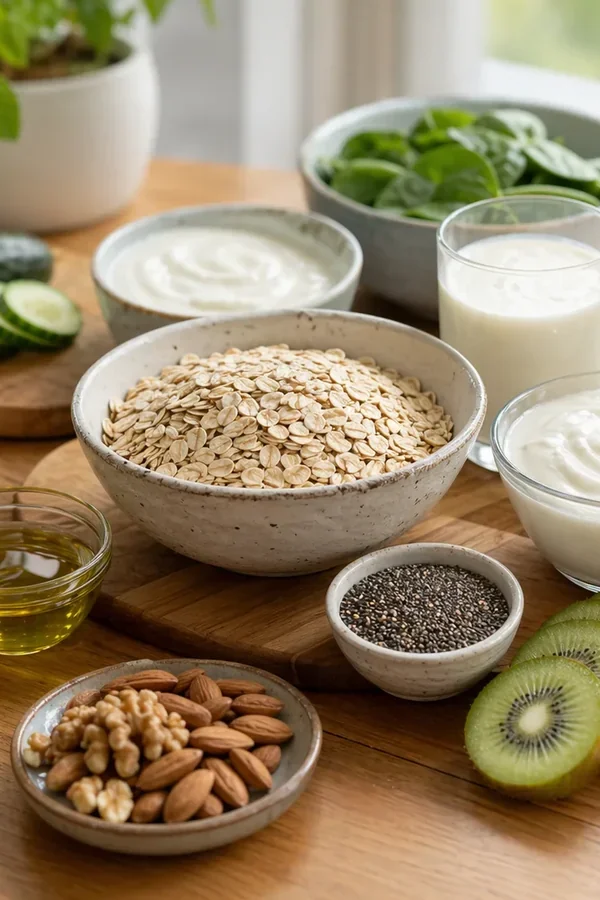
This section is deliberately plain.
That is a good thing. Leftover safety should not be dramatic. It should be boring enough to repeat.
If a resistant starch hack encourages unsafe leftovers, it is not a good hack.
Use a conservative home workflow:
- Cook the food.
- Let steam escape briefly.
- Portion into shallow containers.
- Refrigerate promptly.
- Reheat thoroughly.
- Eat the portion you reheated.
USDA leftovers guidance emphasizes safe storage and reheating. Academy of Nutrition and Dietetics and NY State food-safety guidance also support the basic principles: cool food properly, refrigerate safely, and reheat thoroughly. (USDA FSIS, EatRight, NY State)
Be Extra Careful With Rice
Cooked rice deserves extra care because unsafe storage can become a real food-safety issue.
Do not leave cooked rice sitting out for hours. Do not wait until bedtime to put lunch rice in the fridge. Do not reheat rice if you are unsure how long it sat out.
This is not fear-mongering.
It is just the cost of doing the method responsibly.
Do Not Chase Repeated Reheating Cycles
Some research has studied multiple heating and cooling cycles and found that resistant starch can increase in legumes, cereals, and tubers. (PubMed)
That does not mean you should repeatedly heat and cool the same container at home.
In real life, repeated reheating increases confusion and food-safety risk. It also makes the habit harder to follow.
Keep the system simple:
Cool once. Store safely. Reheat one portion. Eat it.
The Best Reheating Method for Workday Meal Prep
The best reheating method is the one that keeps the food safe, edible, and easy to pair with protein.
For Rice
Reheat a single portion until hot throughout.
If the rice is dry, add a small splash of water before reheating. Then build the plate around protein:
- eggs and rice with cooked greens
- chicken rice bowl with vegetables
- tofu rice bowl with soup or cooked vegetables
- fish with rice and steamed vegetables
Try not to turn every reheated rice meal into fried rice. Fried rice can be delicious, but oil and portion creep can hide inside the word “leftovers.”
For Potatoes and Sweet Potatoes
Reheat gently.
Potatoes can become a heavy meal fast if the default is butter, cream, cheese, or oil-heavy roasting. Keep the method simple:
- reheated potato plus eggs
- potato plus tuna or chicken
- potato plus tofu and cooked vegetables
- sweet potato plus Greek yogurt, eggs, or another tolerated protein
If cold potato feels good, use it. If warm potato makes the habit easier, reheat it.
For Pasta
Reheat one portion and keep protein visible.
Pasta is easy to over-serve because it feels like the meal itself. Make it one part of the plate:
- pasta plus chicken
- pasta plus tuna
- pasta plus tofu
- pasta plus eggs
- pasta plus vegetables and measured sauce
For Breakfast

If mornings are rushed, keep breakfast boring enough to repeat.
Good starting options:
- overnight oats plus protein
- cooled sweet potato plus eggs
- leftover rice with eggs
- reheated potato with eggs or tofu
If coffee makes you bloated 30 minutes after breakfast, test coffee timing separately. Do not blame resistant starch until you have isolated the variables.
If You Bloat After Reheated Resistant Starch

The issue may not be reheating.
Bloating can come from many variables:
- portion size
- total fiber load
- beans or lentils added too quickly
- raw salad
- carbonated drinks
- coffee timing
- dairy
- high-fat sauces
- eating too fast
- stress before meetings
That is why the test needs to be clean.
Use a simple 3-day test:
| Day | What to test | Keep steady | Track |
|---|---|---|---|
| 1 | Fresh version or normal meal | Coffee, protein, sauce, meal speed | Bloating at 30 min, 2 hours, next morning |
| 2 | Cooked-and-cooled version | Same protein and portion | Energy, fullness, bloating |
| 3 | Cooled-and-reheated version | Same meal structure | Compare comfort and hunger |
Do not change everything at once. If you switch the starch, double the portion, add beans, change coffee timing, and use a new sauce, your body cannot give you a clean signal.
For a gentler starting plan, use the resistant starch foods for bloating guide.
Weight-Friendly Plate: Do Not Let the Hack Become a Bigger Carb Meal
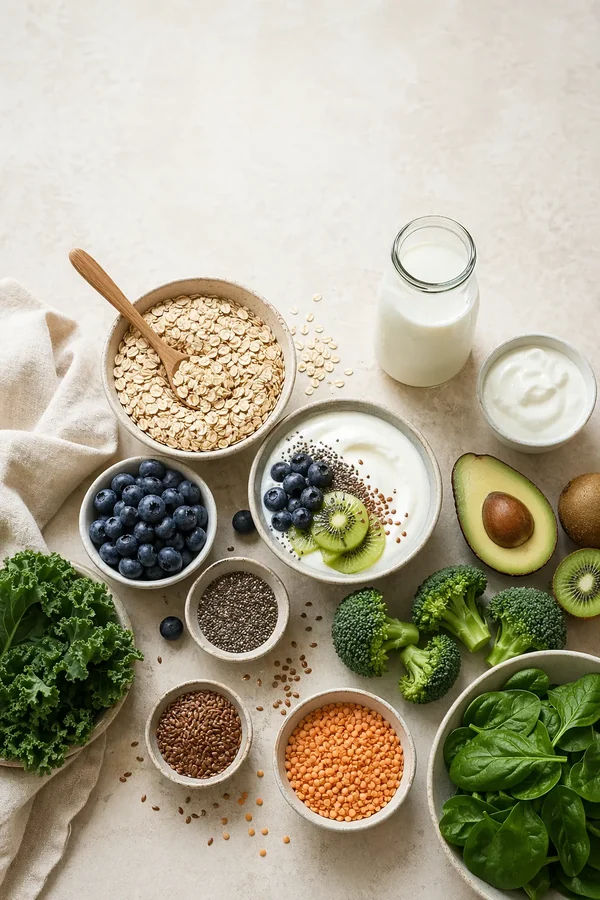
The common mistake is simple:
“It has resistant starch, so I can eat more.”
That is the trap.
Resistant starch may change how some starch behaves after cooking and cooling, but the food still contains energy. Rice is still rice. Potatoes are still potatoes. Pasta is still pasta.
The goal is not to make carbs disappear.
The goal is to make the meal work harder for your body and your schedule.
Use this plate structure:
- 1 palm protein
- 1 small fist cooled-and-reheated starch
- 1 to 2 fists cooked vegetables
- sauce or oil measured, not poured freely
Workday examples:
- rice plus eggs, tofu, chicken, fish, or shrimp
- potato plus tuna, chicken, eggs, tofu, or Greek-yogurt-based sauce
- pasta plus chicken or tofu and cooked vegetables
- oats plus Greek yogurt, protein, and berries if tolerated
If you want a bigger comparison of options, use the resistant starch foods list. If breakfast is the hard part, use the resistant starch breakfast ideas guide.
Who Should Be More Careful
This article is food-first education. It is not medical nutrition therapy.
Talk with a licensed healthcare professional if you have diabetes, pregnancy, immune compromise, IBS, SIBO, GERD, inflammatory bowel disease, eating disorder history, recent surgery, or a prescribed medical nutrition plan.
Also get care if digestive symptoms are severe, persistent, getting worse, or come with red flags such as vomiting, fever, blood in stool, unexplained weight loss, dehydration, severe abdominal pain, or a major change in bowel habits.
And from a food-safety standpoint: if the leftovers were stored poorly or you are not sure how long they sat out, discard them.
Frequently Asked Questions
Does reheating destroy resistant starch?
Reheating does not usually destroy all resistant starch. Research suggests some cooked-and-cooled foods, especially rice and pasta in several studies, can still contain more resistant starch or behave differently than freshly cooked versions after reheating.
Does reheating rice destroy resistant starch?
Not necessarily. One study found cooked white rice cooled for 24 hours at 4 C and reheated had more resistant starch than freshly cooked rice. Safe storage and thorough reheating are essential.
Does reheating cold potatoes destroy resistant starch?
Potato evidence is more nuanced. Chilled potatoes may have more resistant starch than reheated potatoes in some data, but reheating does not make potato meal prep pointless.
Is it better to eat potatoes cold or reheated?
Cold may be useful if you tolerate it, but reheated is often more realistic. Choose the version you can store safely, portion well, and repeat.
Can you reheat resistant starch pasta?
Yes. Several pasta studies suggest cooling and reheating can still be relevant for resistant starch and glucose-response outcomes in study settings.
Can reheated resistant starch foods cause bloating?
They can, especially if the portion is large or you increase resistant starch quickly. Start small and test one variable at a time.
How many times can you reheat resistant starch foods?
Reheat only the portion you plan to eat. Do not repeatedly reheat the same container to chase more resistant starch.
Does resistant starch reduce calories?
Do not use resistant starch as a calorie loophole. It may change starch digestibility, but the food still contains energy and portion size still matters.
The Bottom Line
You do not have to eat every resistant starch food cold.
You also do not need to pretend reheating is a perfect, universal switch.
The practical rule is simpler:
- Cool first.
- Reheat safely.
- Pair smart.
That is the version of resistant starch that can survive a real workday.
If you want the full cook-and-cool explanation, read the resistant starch cooling hack. If rice is your main carb, use the resistant starch rice method. If potatoes are your meal-prep carb, use the resistant starch potato method. If bloating is the reason you are testing this, start with the resistant starch tolerance ladder.
Disclaimer: I am trained in traditional medicine in Vietnam, but I am not currently practicing medicine or providing personal diagnosis or treatment advice through this website. I write from personal experience, ongoing research, and my own food-first wellness experiments. My work explores digestion, daily energy, traditional self-care, movement, breathwork, meditation, and simple habits that support everyday well-being. Everything I share here is educational and reflective, not medical advice. It should not replace diagnosis, treatment, or care from a licensed healthcare professional.

About Mr. Anh
We turn solid evidence into everyday habits Americans can actually do—plain English, cups/oz, grocery-aisle swaps, and routines that fit real life. Our editorial process: Experience—we road-test tips in real schedules…