Green Banana vs Ripe Banana: The Gut Health Benefits of Resistant Starch
Disclaimer: I’m trained in traditional medicine in Vietnam, but I’m not currently practicing medicine or providing personal diagnosis or treatment...
Disclaimer: I’m trained in traditional medicine in Vietnam, but I’m not currently practicing medicine or providing personal diagnosis or treatment advice through this website. I write from personal experience, ongoing research, and my own food-first wellness experiments. My work explores digestion, daily energy, traditional self-care, movement, breathwork, meditation, and simple habits that support everyday well-being. Everything I share here is educational and reflective, not medical advice. It should not replace diagnosis, treatment, or care from a licensed healthcare professional.
Have you ever noticed that eating a slightly green banana makes you feel entirely different than eating a soft, brown-spotted one? It’s not just your imagination.
Most people choose their bananas based purely on taste and texture preferences. However, as a banana changes color from green to yellow to brown, a massive chemical transformation is happening beneath the peel. The fruit is literally digesting itself, converting tough, complex starches into simple, easily absorbed sugars.
If you have a sensitive stomach, suffer from bloating, or are actively trying to improve your gut health, eating the “wrong” color at the wrong time can lead to unexpected gas or sluggishness.
In this guide, we’ll break down the exact benefits of green banana and explore the key differences of a green banana vs ripe banana at every stage. You’ll learn why green bananas are a secret weapon for your microbiome, why brown bananas are the ultimate gentle food for a tired stomach, and how to use a simple food journal to find your personal “sweet spot.”
- Green (The Prebiotic): High in resistant starch, feeds gut bacteria, but can cause gas if eaten too quickly.
- Yellow (The Sweet Spot): The perfect balance of fiber and simple sugars for quick, easy energy.
- Brown (The Healer): Starch is completely converted to sugar. The absolute easiest stage to digest for a sensitive stomach.
The Starch-to-Sugar Transformation
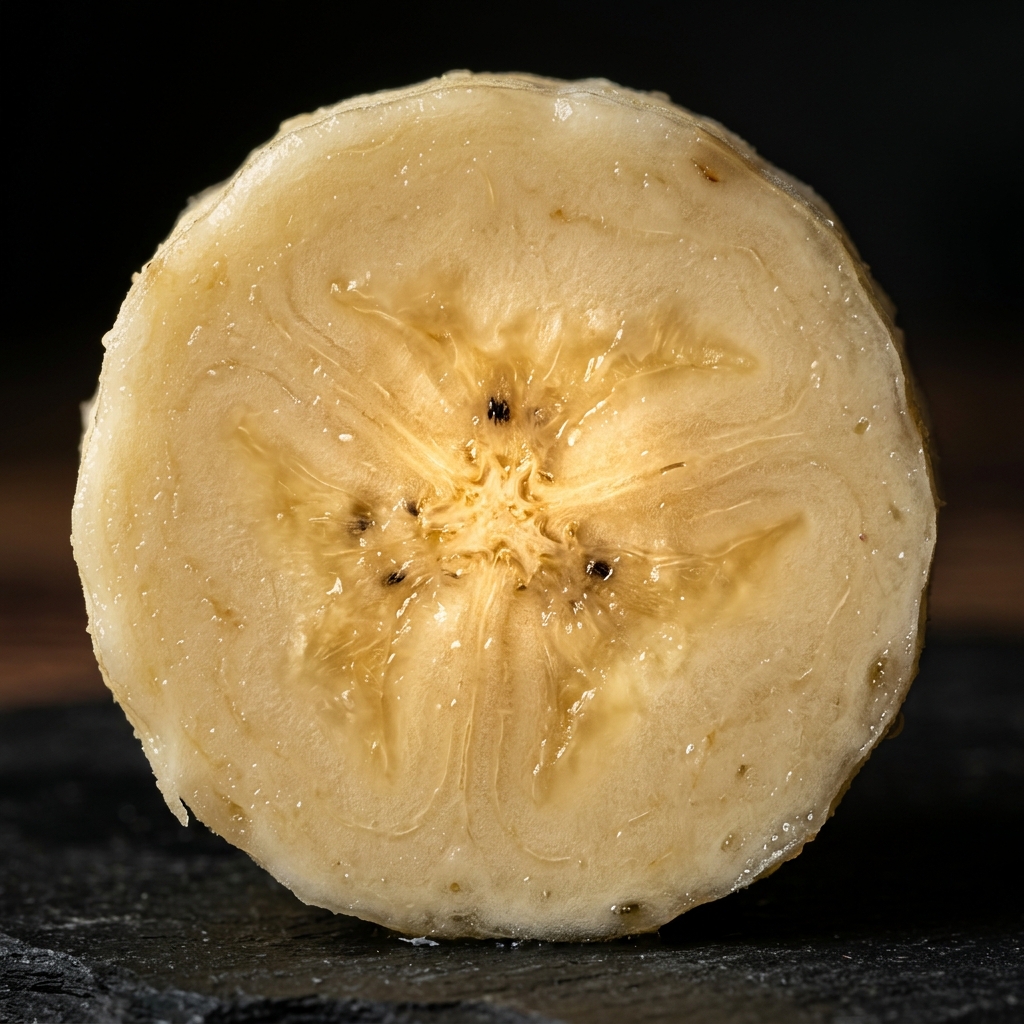
To understand why a banana’s color matters, you have to understand what’s happening on a molecular level as it sits on your kitchen counter.
What is Actually Happening Inside the Peel?
A green, unripe banana is essentially a block of solid starch (specifically, resistant starch and pectin). As days pass and the banana ripen, natural enzymes within the fruit begin breaking those starches down into simple sugars (glucose, fructose, and sucrose). By the time the banana is covered in brown spots, almost all of the starch is gone.
Why Your Stomach Cares
Your digestive system reacts very differently to starches than it does to simple sugars. Complex starches require immense digestive energy to break down, while simple sugars are absorbed rapidly with almost zero effort.
What I noticed:
“In my early days of exploring gut health, I read that green bananas were ‘the best’ for your microbiome. I forced myself to eat a highly unripe, chalky green banana every morning. By the afternoon, my stomach was ballooning with painful gas. I didn’t realize that my digestion wasn’t strong enough yet to handle that much resistant starch. Once I switched to eating soft, yellow-brown bananas, my digestion immediately calmed down. The fruit wasn’t the problem; the timing was.”
Green Banana vs Ripe Banana: The Microbiome Workout
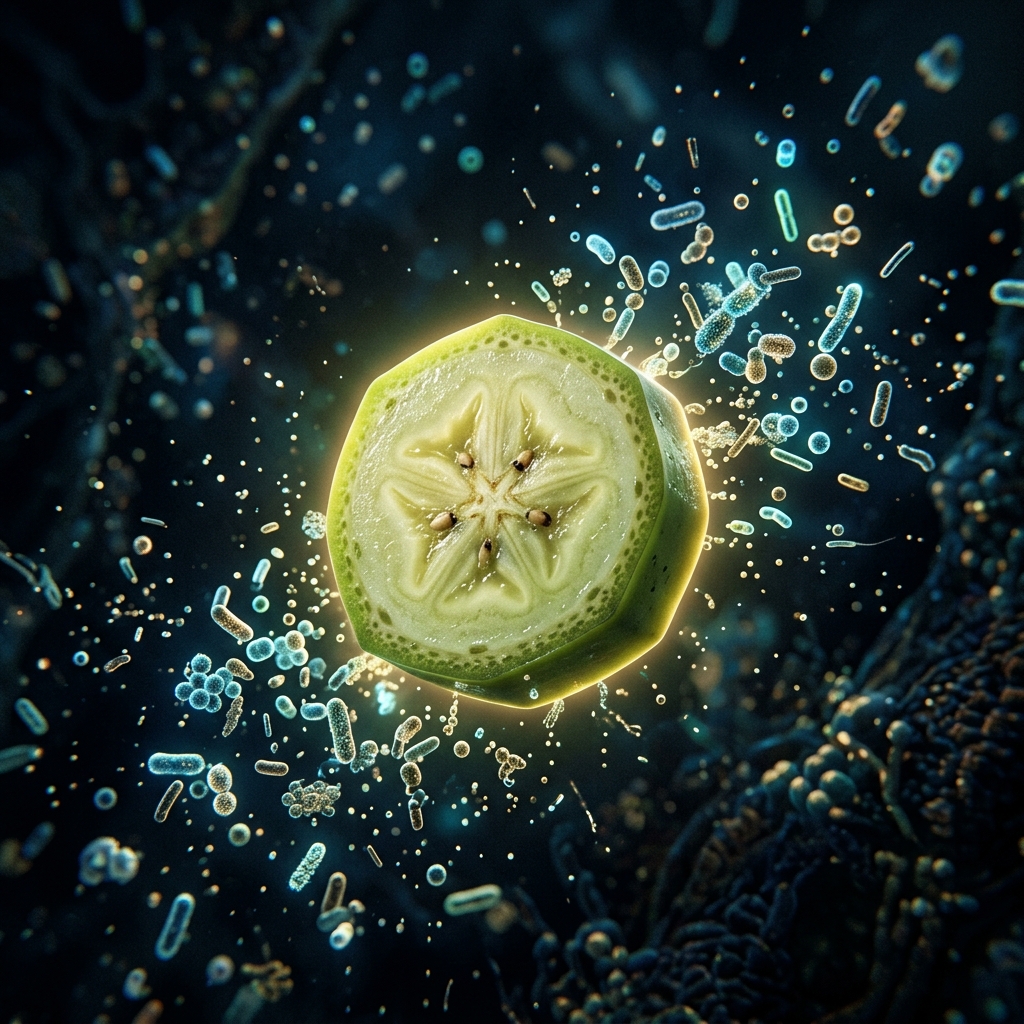
When comparing a green banana vs ripe banana, green bananas have gained massive popularity in the wellness community for a very specific reason: they act as a workout for your gut. The unique benefits of green banana come from its high concentration of prebiotic starch.
The Power of Resistant Starch
The starches in a green banana are called “resistant” because they literally resist digestion in your small intestine. Instead, they pass intact into your large intestine (the colon), where they act as a prebiotic. According to nutritional guidelines from the Cleveland Clinic, they become food for your beneficial gut bacteria – here is what makes prebiotic starches different from probiotic bacteria. When your bacteria ferment this starch, they produce short-chain fatty acids (like butyrate) that support the lining of your gut. Furthermore, because they aren’t absorbed as sugar, green bananas cause a much slower, steadier release of energy.
The “Green Banana Bloat” Warning

Here’s the catch: if you introduce a massive amount of resistant starch into a gut that isn’t used to it, those bacteria will rapidly ferment the starch and produce an enormous amount of gas. This is the infamous “green banana bloat.” Read more on why fast fermentation in a new gut causes that distended after-eating feeling. If you’re new to prebiotic foods, start very small—just a few slices of a green banana—and slowly build your tolerance.
Yellow Bananas: The Balanced Sweet Spot

For the vast majority of people, the bright yellow banana is the perfect middle ground.
The Ideal Pre-Workout Snack
At the yellow stage, the banana still retains a good amount of dietary fiber to keep you feeling full, but enough of the starch has converted to simple sugars to provide a rapid, clean source of energy. This is why you see professional athletes eating yellow bananas on the sidelines. It’s the ultimate natural pre-workout fuel.
The Perfect Middle Ground
If your digestion is generally healthy, a yellow banana offers the best of both worlds: it’s sweet enough to be palatable, soft enough to digest easily, but still fibrous enough to support healthy, regular bowel movements.
Brown Bananas: The Gentle Healer
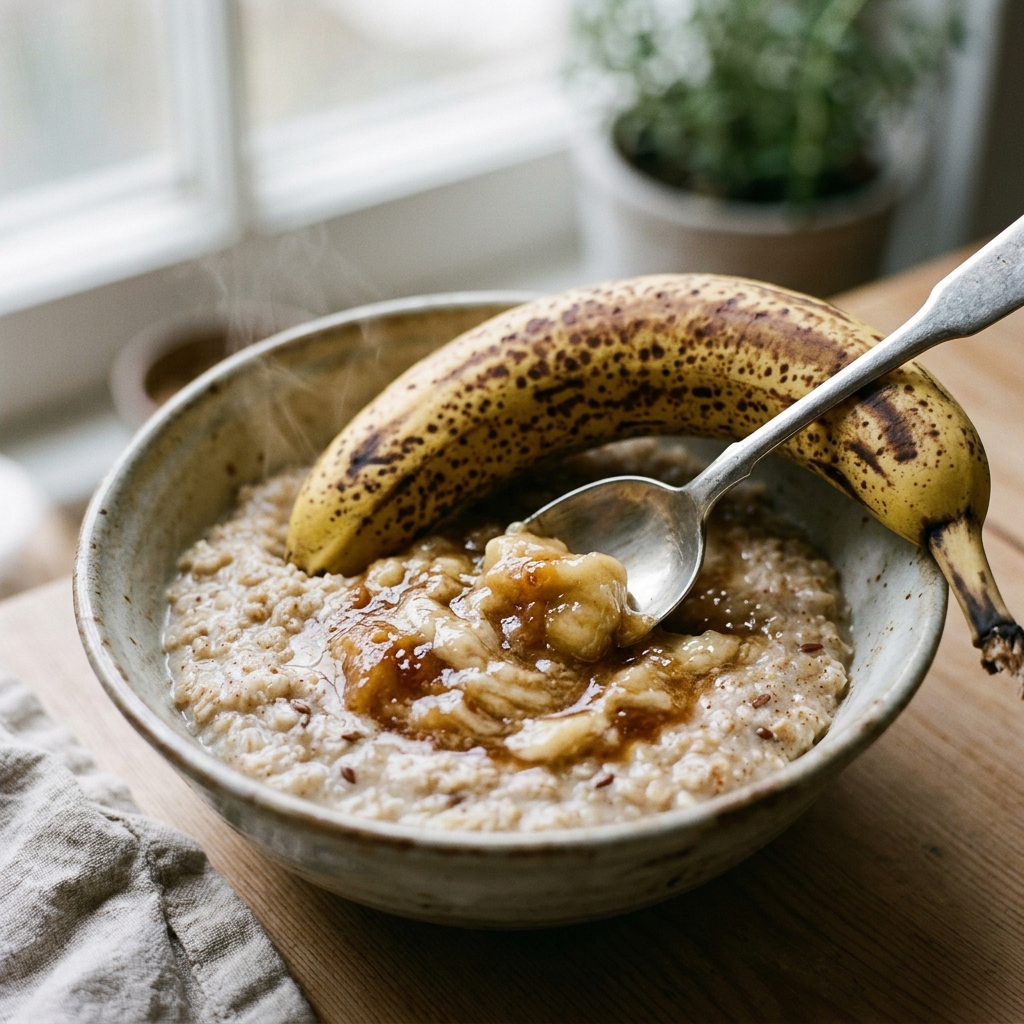
Many people throw away bananas once they develop brown spots, fearing they’re “too sugary.” If you have a sensitive stomach, this is a massive mistake.
Zero Digestive Effort Required
Remember that the brown banana has already “digested itself.” The complex starches have been entirely broken down into simple sugars. If you’re recovering from a stomach bug, suffering from a severe IBS flare-up, or simply feeling digestively exhausted, a brown-spotted banana requires almost zero effort from your stomach to process. For mornings like that, lean on low-FODMAP breakfast options that ride on the same gentle principle. It provides immediate, soothing nourishment.
The Antioxidant Peak
Research shows that as bananas reach the brown-spotted stage, their antioxidant levels peak. While they’re significantly sweeter, they’re an incredibly valuable tool for providing gentle, easily accessible nutrition when your body is too tired to process heavy, starchy foods.
How to Find Your Perfect Stage (The Food Journal Method)

Instead of asking “which banana is healthiest,” you should be asking “which banana does my body need today?” You can discover this using the Food Journal Method.
Listen to Your Gut’s Feedback
Your body is constantly communicating with you through symptoms like gas, bloating, and energy crashes. We highly recommend using a physical notebook to track these signals. Here is how to build a food-and-symptom journal that maps your gut triggers beyond bananas.
A Simple 3-Day Test
If you want to find your sweet spot, try this simple experiment:
- Day 1: Eat half of a slightly green banana with breakfast. Note in your journal if you experience any extra gas or bloating in the afternoon.
- Day 2: Eat half of a bright yellow banana. Note your energy levels and digestion.
- Day 3: Eat half of a soft, brown-spotted banana. Note how quickly it digests and how your stomach feels.
By tracking these responses, you’ll quickly learn exactly what stage of ripeness your unique microbiome prefers.
Frequently Asked Questions
Which banana stage is easiest to digest?
The brown-spotted banana is unequivocally the easiest to digest. Because the starches have completely converted to simple sugars, your stomach has to do very little work to break it down and absorb the nutrients.
Are green bananas higher in resistant starch?
Yes. Green bananas contain the highest levels of resistant starch. As the banana turns yellow and then brown, this resistant starch rapidly decreases, transforming into sugar.
Is a brown banana better for you?
“Better” depends entirely on your goals. If you want to feed your gut bacteria and maintain steady energy, a green banana is better. If you need gentle, soothing, easy-to-digest nourishment, a brown banana is significantly better.
The Bottom Line
Banana ripeness isn’t just about culinary preference; it’s a powerful, natural tool you can use to adjust the workload on your digestive system.
Don’t be afraid of the brown spots, and don’t be intimidated by the green peel. Start paying attention to how your body responds to each stage. If you’re bloated, your body might be asking for an easier, riper option.
Ready to start tracking your body’s signals? When you are ready to widen your fiber sources beyond bananas, the gentle high-fiber foods that are less likely to bloat you is the natural next list. And if you are curious how other fruits stack up, see how different fruits impact your blood sugar compared to bananas.
Disclaimer: The information provided on EssentialWellnessAZ is for educational purposes only. It is not intended as a substitute for professional medical advice, diagnosis, or treatment.

About Mr. Anh
We turn solid evidence into everyday habits Americans can actually do—plain English, cups/oz, grocery-aisle swaps, and routines that fit real life. Our editorial process: Experience—we road-test tips in real schedules…