Best High Fiber Foods List: The Gentle Guide to Avoiding Bloat
A beginner-friendly high fiber foods list with oats, beans, lentils, berries, chia, vegetables, gradual fiber tips, serving ideas, and safety notes.
If you have ever searched the internet for the “best high fiber foods list,” you have likely been hit with intimidating medical charts demanding you eat massive bowls of black beans, raw kale, and dry wheat bran every single day.
While this advice is scientifically accurate—we absolutely need fiber for a healthy gut—following it blindly is often a recipe for disaster. If your gut is already sensitive, inflamed, or sluggish, dumping a massive amount of raw, harsh fiber into your system will inevitably lead to severe bloating, painful cramping, and paradoxically, worse constipation. If you are already backed up, start with why fiber can make constipation worse before adding more roughage.
Today, we are taking a different approach. We are going to look at fiber through the lens of traditional healing. Instead of a rigid medical chart, I will provide you with a two-phase “gentle fiber” list, teaching you exactly how to introduce these foods so they heal your gut, rather than irritate it.
A Traditional Perspective: “Fiber can act like a soft sponge or a stiff broom. When your digestive system is weak and inflamed, using a stiff broom is torture. We must use the sponge first to soothe the inflammation, and save the broom for when the gut is strong enough to handle the sweeping.”
— Mr. Anh, Founder of Essential Wellness AZ
The High-Fiber Trap: Why Beans and Bran Cause Bloating

To understand why traditional high-fiber lists cause so much pain for beginners, you must understand the critical difference between the two types of fiber: Soluble and Insoluble.
Soluble Fiber acts like a sponge. When it mixes with water in your stomach, it forms a thick, soothing, gel-like substance. This gel glides through your digestive tract, actively soothing inflamed tissues while feeding your good gut bacteria. It is incredibly gentle.
Insoluble Fiber, on the other hand, is the “roughage” found in tough vegetable skins, seeds, and raw greens. It does not dissolve in water. Instead, it acts like a broom sweeping through your intestines to push waste out.
Here is the traditional insight: If your intestines are already inflamed or your “digestive fire” (Spleen/Stomach energy) is weak, sweeping them with a stiff, raw broom hurts. It creates friction, gas, and stagnation. Healing requires soothing first, sweeping later.
Phase 1: The “Gentle Fiber” List (For Beginners)
If you are just starting to rebuild your gut health, you must focus almost entirely on foods rich in soluble fiber that are easy to break down.
1. Cooked Rolled Oats
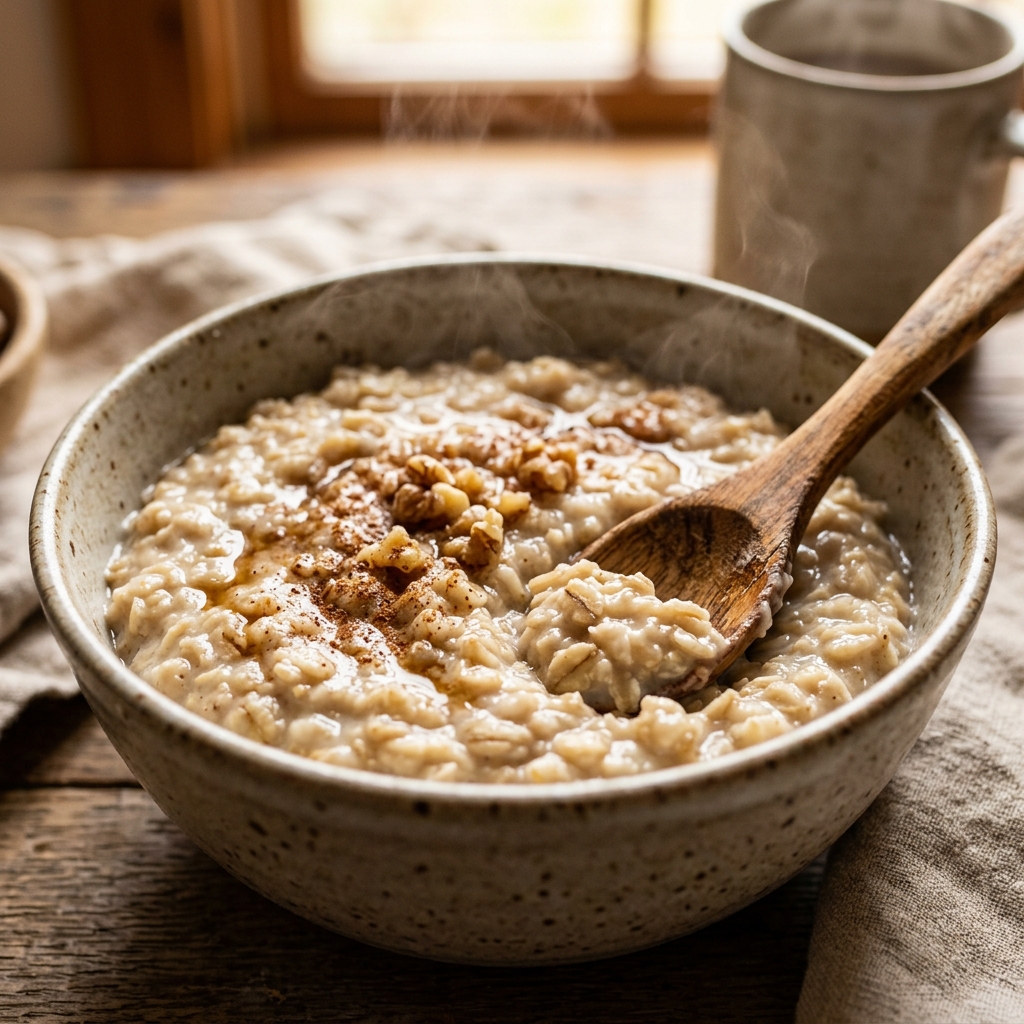
Oats are a fantastic source of Beta-glucan, a highly specific prebiotic fiber that forms a soothing gel in the gut. If the word prebiotic feels confusing, this guide explains what prebiotic fiber actually does, and once your gut is ready you can pair these fibers with a food-first probiotic foods list that feeds off them. However, they must be thoroughly cooked. Eating them raw (like in cold overnight oats) is too harsh for a weak stomach. For inspiration on how to prepare them properly, check out our guide to Anti-Inflammatory Breakfast Ideas.
2. Stewed Apples (Peeled)
Apples contain a powerful soluble fiber called Pectin, which is phenomenal for regulating bowel movements. But raw apple skins are tough insoluble fiber. To make them gentle, peel the apples, chop them, and stew them on the stove with a little water and cinnamon until they fall apart into a warm, comforting sauce.
3. Soaked Chia Seeds
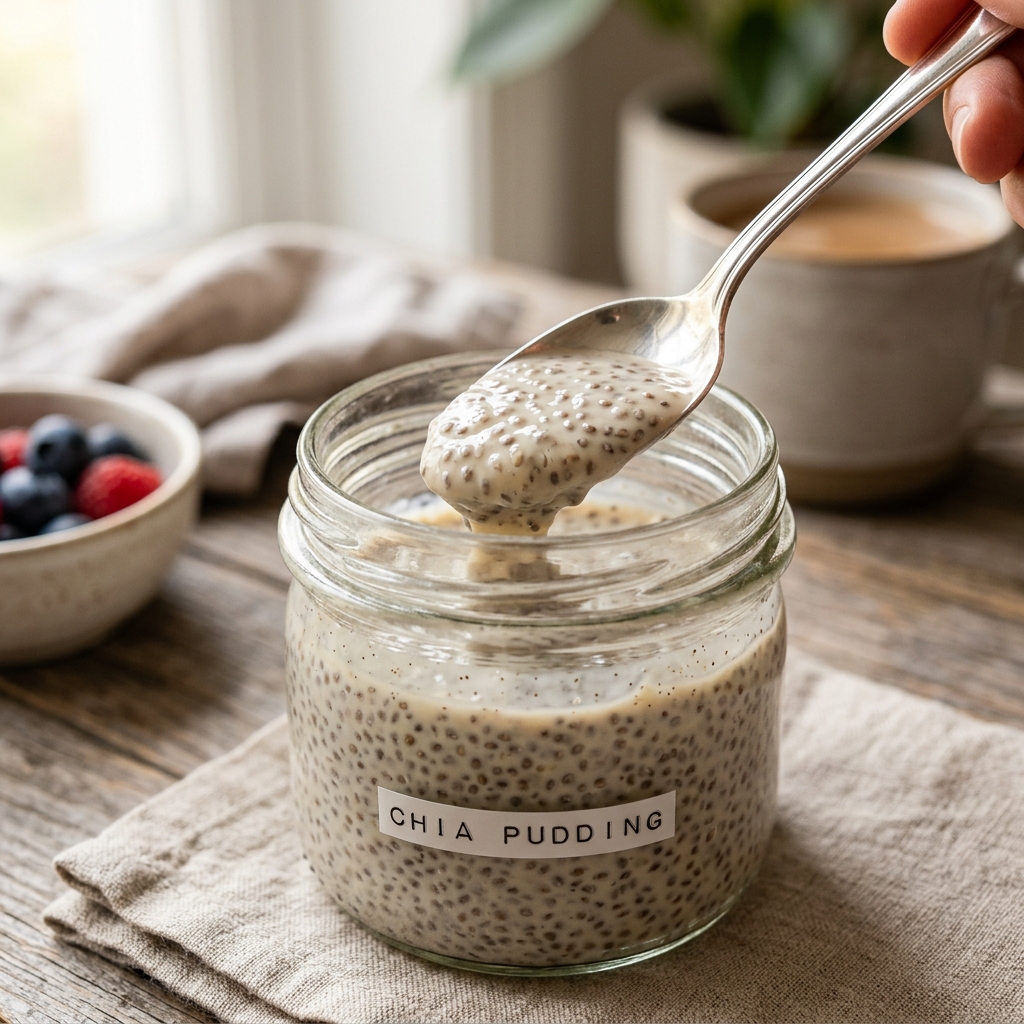
Dry chia seeds can be highly abrasive to the intestinal wall. However, when you soak them in warm water or almond milk for at least an hour (or overnight), they absorb the liquid and form a thick, mucilaginous gel. This gel perfectly coats and protects the digestive tract.
4. Cooked Root Vegetables
Root vegetables like sweet potatoes, carrots, and parsnips are staples in traditional healing. When steamed or baked until soft, they provide high-quality fiber while deeply nourishing and grounding the body’s digestive energy.
Phase 2: The “Advanced Fiber” List (For Maintenance)
You should only introduce these foods after your gut has healed and adjusted to the gentle fibers in Phase 1 without experiencing any bloating.
1. Legumes and Lentils
Beans are incredible sources of fiber, but they contain complex sugars that cause severe gas if not prepared correctly. They must be prepared traditionally: always soak them overnight (discarding the soaking water) and cook them thoroughly with warming spices like cumin, fennel, or ginger to aid digestion.
2. Cruciferous Vegetables
Broccoli, cauliflower, and Brussels sprouts are loaded with insoluble fiber. The golden rule: Never eat them raw if you have a weak gut. Raw broccoli is incredibly difficult to break down. Always steam or roast them until they are fork-tender.
3. Berries
Raspberries and blackberries pack the highest fiber punch in the fruit kingdom. However, that fiber comes from hundreds of tiny seeds (insoluble roughage). Introduce them slowly into your diet to ensure your gut can handle the sweep.
3 Golden Rules for Adding Fiber Without Bloating
Even with the gentle list, you must follow these traditional rules to avoid digestive distress.
Rule 1: Go Slow (The 3-Gram Rule)
Do not jump from eating 10g of fiber a day to 30g overnight. Your microbiome needs time to adapt. Add just 3 to 5 extra grams of fiber per day, and stay at that level for a few days before increasing again.
Rule 2: Hydration is Non-Negotiable
Remember, fiber is a sponge. If you eat a sponge without giving it water to absorb, it turns into a dry brick in your colon, causing severe constipation. You must drink plenty of warm water or herbal teas throughout the day; these warm drinks that support digestion are a simple place to start.
Rule 3: Cook Your Vegetables
Cooking is essentially “pre-digesting” your food. Heat breaks down the tough plant cell walls so your stomach doesn’t have to expend massive amounts of energy doing it for you.
Rebuilding With Patience
Rebuilding your gut health with fiber is a marathon, not a sprint. If you want to turn this list into real meals, use it to turn this gentle fiber list into a gut-friendly meal plan. By starting with gentle, soluble fibers and honoring traditional preparation methods like cooking and soaking, you can enjoy all the life-changing benefits of a high-fiber diet without suffering through agonizing bloat.
To understand exactly why your stomach swells after high-fiber meals, read our deep-dive on timing, gas, and food triggers.
Disclaimer: I’m trained in traditional medicine in Vietnam, but I’m not currently practicing medicine or providing personal diagnosis or treatment advice through this website. I write from personal experience, ongoing research, and my own food-first wellness experiments. My work explores digestion, daily energy, traditional self-care, movement, breathwork, meditation, and simple habits that support everyday well-being. Everything I share here is educational and reflective, not medical advice. It should not replace diagnosis, treatment, or care from a licensed healthcare professional.

About Mr. Anh
We turn solid evidence into everyday habits Americans can actually do—plain English, cups/oz, grocery-aisle swaps, and routines that fit real life. Our editorial process: Experience—we road-test tips in real schedules…