20 Anti-Inflammatory Foods That Actually Reduce Inflammation
You've cleaned up your diet -- so why does your body still feel like it's fighting against you? This guide gives you 20 science-backed anti-inflammatory foods organized by what they actually do, plus a simple system to use them at every meal.
- What Is Inflammation and Why Do Anti-Inflammatory Foods Matter?
- The 3-Category Plate Rule for Anti-Inflammatory Foods
- 20 Best Anti-Inflammatory Foods (Full Organized List)
- How to Build an Anti-Inflammatory Plate Starting Tonight
- Foods That Cause Inflammation — Remove These First
- Frequently Asked Questions About Anti-Inflammatory Foods
- The Bottom Line on Anti-Inflammatory Foods
- References
If you’ve been trying to eat better, you’ve probably heard about anti-inflammatory foods — but every list out there looks different, and none of them tell you how to actually use them at a normal meal. Joint stiffness in the morning. Afternoon energy crashes. Bloating that shows up even when you eat what seems like a clean diet. For a lot of people, these are signs that chronic inflammation is running quietly in the background — and anti-inflammatory foods are the fastest dietary lever to pull. I spent years eating what I thought was a healthy diet. It wasn’t until I understood how specific anti-inflammatory foods work in the body — and organized them into a simple system — that things actually started to change. In this guide, you’ll get 20 anti-inflammatory foods organized by what they do, plus a simple framework called the 3-Category Plate Rule that makes this usable at every meal.
Quick Takeaways:
- 20 anti-inflammatory foods organized by biological function
- The 3-Category Plate Rule: Reduce, Repair, Protect
- Which foods have the strongest research behind them
- The #1 mistake most people make even when eating well
What Is Inflammation and Why Do Anti-Inflammatory Foods Matter?
Not all inflammation is bad. Acute inflammation — like when you sprain an ankle and it swells — is your immune system doing its job. Chronic inflammation is completely different. It’s low-grade, persistent, and instead of protecting tissue, it silently damages it over time. The World Health Organization describes chronic inflammatory diseases as the greatest threat to human health globally. Most people can’t feel it until it’s already caused real problems — joint stiffness, fatigue, brain fog, and digestive issues are common early signals.
How Anti-Inflammatory Foods Work at the Cellular Level
Anti-inflammatory foods don’t work in a vague, general way. They act on specific biological pathways. One of the most important is NF-kappaB — a protein complex that works like an inflammation switch inside your cells. Refined sugar and seed oils activate that switch. Anti-inflammatory foods suppress it. The other key factor is your omega-6 to omega-3 ratio. The ideal is roughly 4:1. The average American eats at 15:1. That imbalance alone drives measurable chronic inflammation — and anti-inflammatory foods help restore the balance.
The 3-Category Plate Rule for Anti-Inflammatory Foods
Instead of memorizing a random list, organize anti-inflammatory foods by what they actually do in your body. The 3-Category Plate Rule makes daily eating predictable and simple.
REDUCE: Anti-Inflammatory Foods That Block Inflammation Signals
These anti-inflammatory foods contain compounds that physically interfere with inflammatory pathways. A 2024 meta-analysis (NIH) found omega-3 supplementation significantly reduced CRP, TNF-alpha, and IL-6 across multiple conditions. REDUCE foods: Wild salmon, extra virgin olive oil, turmeric, ginger, walnuts, flaxseeds, green tea. One thing worth knowing about turmeric: curcumin — its active compound — has poor bioavailability when eaten alone. Pairing it with black pepper dramatically increases absorption. On days I don’t cook with fresh turmeric, a Turmeric Curcumin with BioPerine supplement genuinely helps.
REPAIR: Anti-Inflammatory Foods That Heal Cell Damage
These anti-inflammatory foods are packed with anthocyanins, carotenoids, and vitamin C that neutralize free radicals and restore healthy cell function. REPAIR foods: Blueberries, kale and spinach, tomatoes, bell peppers, broccoli, dark chocolate (70%+), avocado.
PROTECT: Anti-Inflammatory Foods That Guard Your Gut
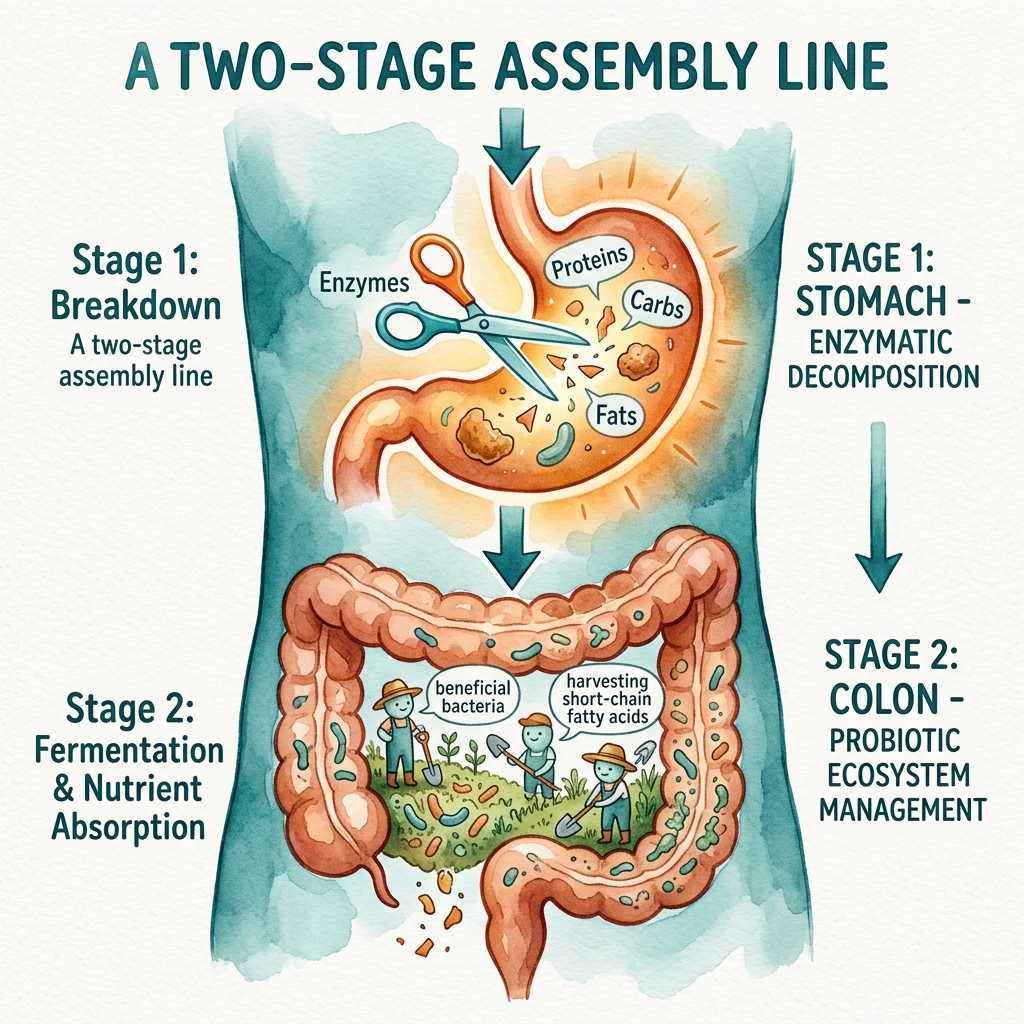
Up to 70% of your immune system lives in your gut. These anti-inflammatory foods feed beneficial bacteria, strengthen the gut lining, and produce short-chain fatty acids that signal your immune system to reduce systemic inflammation. Our gut healthy foods guide has more on this. PROTECT foods: Oats, lentils, garlic, onions, fermented foods, tart cherries.
20 Best Anti-Inflammatory Foods (Full Organized List)
REDUCE Category: 7 Anti-Inflammatory Foods That Block Inflammation
1. Wild Salmon
Why it works: Wild salmon is one of the richest anti-inflammatory foods for EPA and DHA omega-3s. A 3-oz serving provides 1,500-2,000mg.
Best eaten: Baked with olive oil and garlic twice a week.
Swap: Canned sardines in olive oil deliver equal omega-3s at lower cost.
2. Extra Virgin Olive Oil
Why it works: EVOO contains oleocanthal — which inhibits inflammation enzymes similarly to ibuprofen — plus polyphenols that protect cell membranes.
Best eaten: Default cooking oil at low-medium heat; drizzle raw over salads.
Swap: Avocado oil for higher-heat cooking.
3. Turmeric
Why it works: Curcumin inhibits NF-kappaB and lowers inflammatory cytokines. A 2023 meta-analysis in Nutrients found it improved joint pain comparably to NSAIDs.
Best eaten: 1 tsp in soups or eggs, always with black pepper.
Swap: Golden milk.
4. Ginger
Why it works: Gingerols suppress pro-inflammatory prostaglandins. Research shows consistent benefit for joint pain and muscle soreness.
Best eaten: Grated fresh into stir-fries or smoothies, 1-2g daily.
Swap: 1/4 tsp dried ginger powder.
5. Walnuts
Why it works: The only tree nut with meaningful ALA omega-3. A handful daily lowers CRP measurably.
Best eaten: Raw, added to oatmeal or salads.
Swap: Chia seeds or ground flaxseed.
6. Flaxseeds
Why it works: Richest plant source of ALA plus lignans with anti-inflammatory properties. Ground form is essential for absorption.
Best eaten: 1-2 tbsp ground in smoothies or oatmeal.
Swap: Hemp seeds.
7. Green Tea
Why it works: EGCG is one of the most potent antioxidant compounds in any food, suppressing inflammatory pathways measurably.
Best eaten: 2-3 cups daily at 175F.
Swap: Matcha for 10x the EGCG. See also: 7 Anti-Inflammatory Breakfasts That Actually Work
REPAIR Category: 7 Anti-Inflammatory Foods That Heal Cell Damage
8. Blueberries
Anthocyanins in blueberries reduce oxidative stress and lower inflammatory markers. Fresh or frozen work equally well. Daily consumption of 1 cup shows measurable effects in blood work.
9. Dark Leafy Greens (Kale, Spinach, Swiss Chard)
Rich in vitamin K, magnesium, and carotenoids that regulate inflammatory signaling. When I added kale consistently to my diet, the joint stiffness I used to wake up with improved noticeably within weeks.
10. Tomatoes
The richest food source of lycopene, which reduces IL-6 and other inflammatory markers. Cooked tomatoes have more bioavailable lycopene than raw — homemade sauce counts.
11. Bell Peppers
Red and yellow bell peppers contain 3x more vitamin C than an orange. Vitamin C is essential for collagen synthesis and acts as an antioxidant in inflamed tissue. Eat raw for maximum vitamin C.
12. Broccoli
Contains sulforaphane — activated by chopping and letting sit 5 minutes. Sulforaphane activates Nrf2, a cellular defense pathway that reduces inflammation. Lightly steam or roast; don’t boil.
13. Dark Chocolate (70%+)
Flavanols reduce LDL oxidation and inflammatory markers. One to two small squares (1 oz) daily provides meaningful anti-inflammatory benefit. Check labels for hydrogenated oils.
14. Avocado
Rich in oleic acid, potassium, magnesium, and glutathione — one of the body’s most important internal antioxidants. Half an avocado daily is a solid target. Related: Mediterranean Meal Prep for the Week
PROTECT Category: 6 Anti-Inflammatory Foods That Guard Your Gut
15. Oats and Whole Grains
Beta-glucan in oats produces butyrate — the primary fuel for colon cells that signals your immune system to reduce systemic inflammation. Steel-cut or overnight oats; avoid instant varieties with added sugar.
16. Lentils and Legumes
Triple benefit: prebiotic fiber for gut bacteria, plant protein, and polyphenols. Regular legume consumption is one of the dietary patterns most consistently linked to longevity in large population studies.
17. Garlic
Crushing garlic creates allicin — a broad anti-inflammatory and prebiotic compound. Let it sit 10 minutes after crushing before cooking to maximize allicin formation. Add to everything.
18. Onions
Quercetin in red and yellow onions suppresses inflammatory compounds and acts as a prebiotic. Raw in salads and salsas preserves more quercetin than cooked.
19. Fermented Foods (Kefir, Kimchi, Sauerkraut)
A 2021 Stanford study in Cell found a high-fermented-food diet significantly increased microbiome diversity and decreased 19 inflammatory proteins. Small daily portions are more effective than large occasional servings.
20. Tart Cherries
Uniquely rich in anthocyanins and melatonin — making them both anti-inflammatory and sleep-supportive. Tart cherry juice (8 oz, unsweetened) or 1 oz concentrate before bed works well.
How to Build an Anti-Inflammatory Plate Starting Tonight
The 3-2-1 Rule for Every Meal
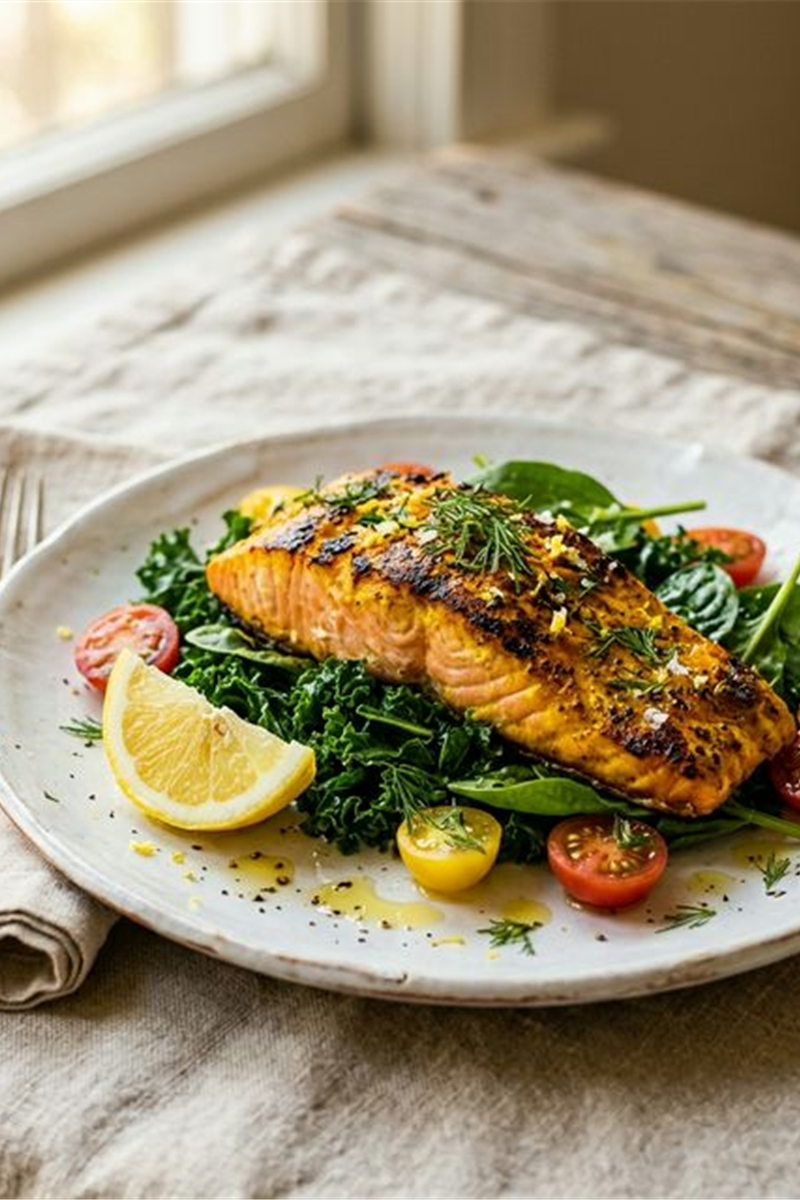
Aim for: 3 vegetables (at least 1 dark leafy green), 2 sources of healthy fat (olive oil + nuts, fish, or avocado), 1 anti-inflammatory spice (rotate turmeric, ginger, garlic).
3 Sample Meals Using Anti-Inflammatory Foods
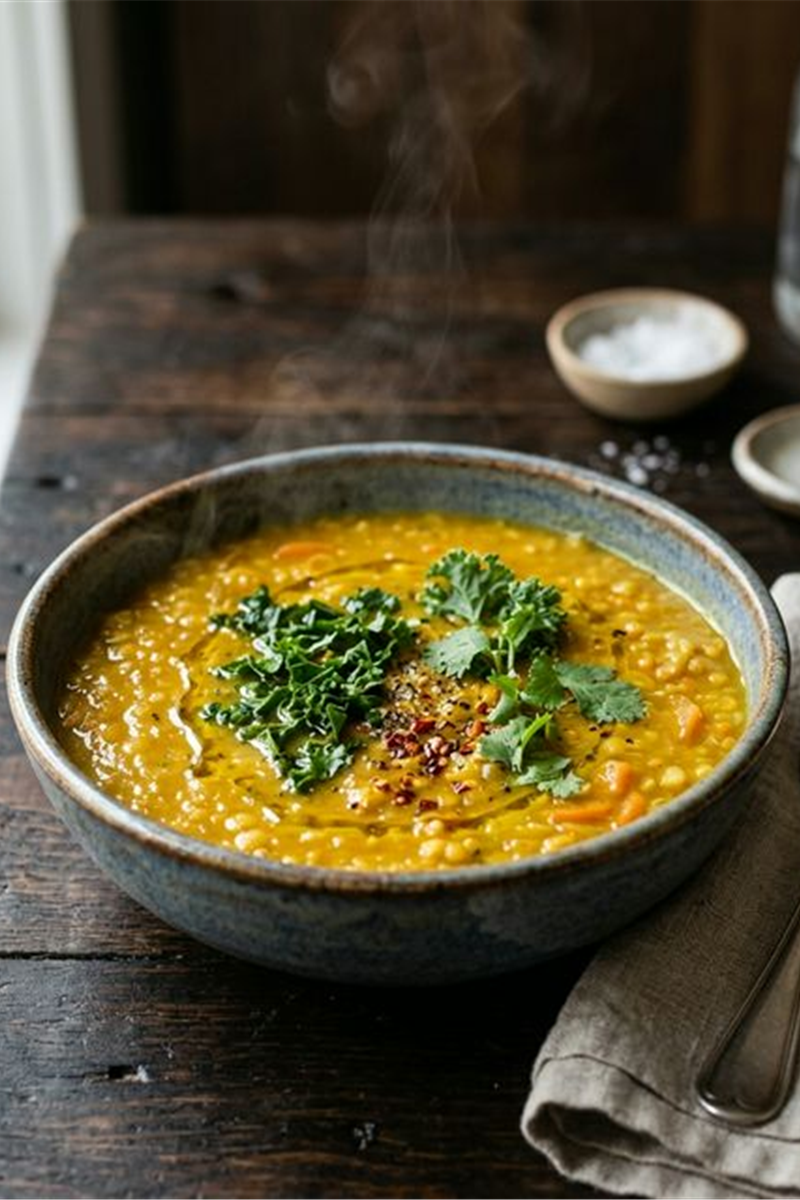
Breakfast: Overnight oats with frozen blueberries, walnuts, and cinnamon. Two minutes of prep the night before. Lunch: Big salad with spinach, kale, canned wild salmon, cherry tomatoes, and olive oil and lemon dressing. Add chickpeas for more staying power. Dinner: Lentil soup with garlic, turmeric, and diced tomatoes. Side of steamed broccoli drizzled with olive oil. Under 30 minutes to make.
The #1 Mistake People Make with Anti-Inflammatory Foods
People eat all the right anti-inflammatory foods — then cook them in the wrong oil. Beautiful salmon added to corn oil. A perfect salad drowned in seed oil-based dressing. The fastest fix: swap every cooking oil in your kitchen for extra virgin olive oil or avocado oil. Single change, big impact. If building this pantry feels expensive, a Thrive Market membership gives you organic versions of all these anti-inflammatory foods at 25-50% below retail prices.
Foods That Cause Inflammation — Remove These First
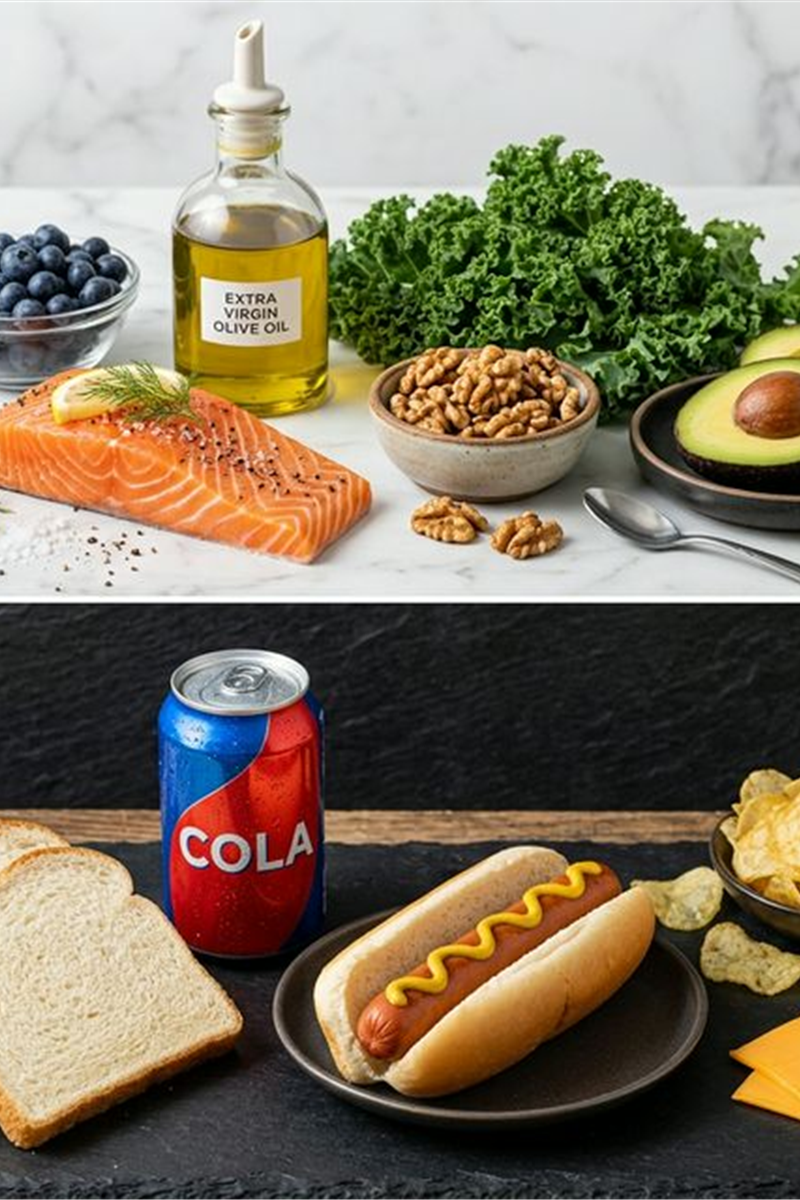
Removing inflammatory foods often has a faster short-term impact than adding anti-inflammatory ones:
- Refined seed oils (corn, soybean, sunflower) — drive the omega-6:omega-3 imbalance underlying chronic inflammation
- Added sugar and HFCS — directly activate NF-kappaB and feed pro-inflammatory gut bacteria
- Processed and deli meats — contain AGEs that measurably raise inflammatory markers
- Refined carbohydrates (white bread, pastries) — blood sugar spikes trigger inflammatory responses
- Trans fats — directly raise LDL and inflammatory markers simultaneously
Frequently Asked Questions About Anti-Inflammatory Foods
What is the #1 most anti-inflammatory food? Wild-caught salmon has the strongest clinical evidence. Omega-3 fatty acids (EPA and DHA) directly reduce CRP, TNF-alpha, and IL-6 across dozens of trials. If you can add only one anti-inflammatory food this week, start here. How quickly do anti-inflammatory foods work? Some effects appear within 2 weeks. Measurable reductions in CRP and inflammatory cytokines typically show in blood work after 4-8 weeks of consistent eating. Can anti-inflammatory foods help with joint pain? Yes. A 2023 NIH meta-analysis found curcumin improved joint pain comparably to NSAIDs, with fewer side effects. What are the fastest-acting anti-inflammatory foods? Ginger and tart cherries. Gingerols begin modulating inflammatory prostaglandins within hours. Tart cherry anthocyanins peak in plasma within 4 hours. Do I need supplements alongside anti-inflammatory foods? Food first. But turmeric and omega-3s have bioavailability limitations from food alone. I use Nordic Naturals Ultimate Omega — NSF-certified and third-party tested — on days my diet falls short.
The Bottom Line on Anti-Inflammatory Foods
You don’t need a perfect diet. The 3-Category Plate Rule — Reduce, Repair, Protect — gives you a framework that actually works in real life. Eat one anti-inflammatory food from each category daily. Replace your cooking oils. Cut back on the five biggest inflammatory foods. Do that consistently for 6-8 weeks. Grab our free Anti-Inflammatory Foods Grocery Guide — a printable PDF organized by the 3 categories. Or dive into the 30-Day Anti-Inflammatory Meal Plan for every meal mapped out.
References
- Omega-3 fatty acids and inflammatory markers — PMC9751493, NIH (2024)
- Curcumin anti-inflammatory meta-analysis — PubMed 37559779 (2023)
- Curcumin vs NSAIDs for joint pain — PMC9742455, NIH (2023)
- Fermented food diet and inflammation — Cell, Stanford (2021)
Health Disclaimer: This article is for informational purposes only. It is not intended to diagnose, treat, cure, or prevent any disease. Always consult a qualified healthcare provider before making dietary changes, especially if you have a medical condition or are taking medications.

About Jane Smith
We turn solid evidence into everyday habits Americans can actually do—plain English, cups/oz, grocery-aisle swaps, and routines that fit real life. Our editorial process: Experience—we road-test tips in real schedules…