Resistant Starch and Blood Sugar: How It Helps Glucose Control
If you’re watching your glucose, resistant starch is one of the more interesting food-first tools out there. Here’s how resistant...
- Why resistant starch affects blood sugar differently
- The “second-meal effect”
- What the research shows
- Best resistant-starch foods for steadier blood sugar
- The cook-and-cool trick for a lower glucose impact
- How to add it without spiking
- Important caveats
- FAQ
- A real-world example: hot vs. cooled rice
- What resistant starch does NOT do
- Pairing for steadier glucose
- Who should be especially careful
If you’re watching your glucose, resistant starch is one of the more interesting food-first tools out there. Here’s how resistant starch and blood sugar are connected, what the research suggests, and how to add it without a spike. New to the topic? Start with our complete guide to resistant starch.
A quick note: I don’t practice clinically or treat patients. This is general education, not medical advice — especially important if you manage diabetes.
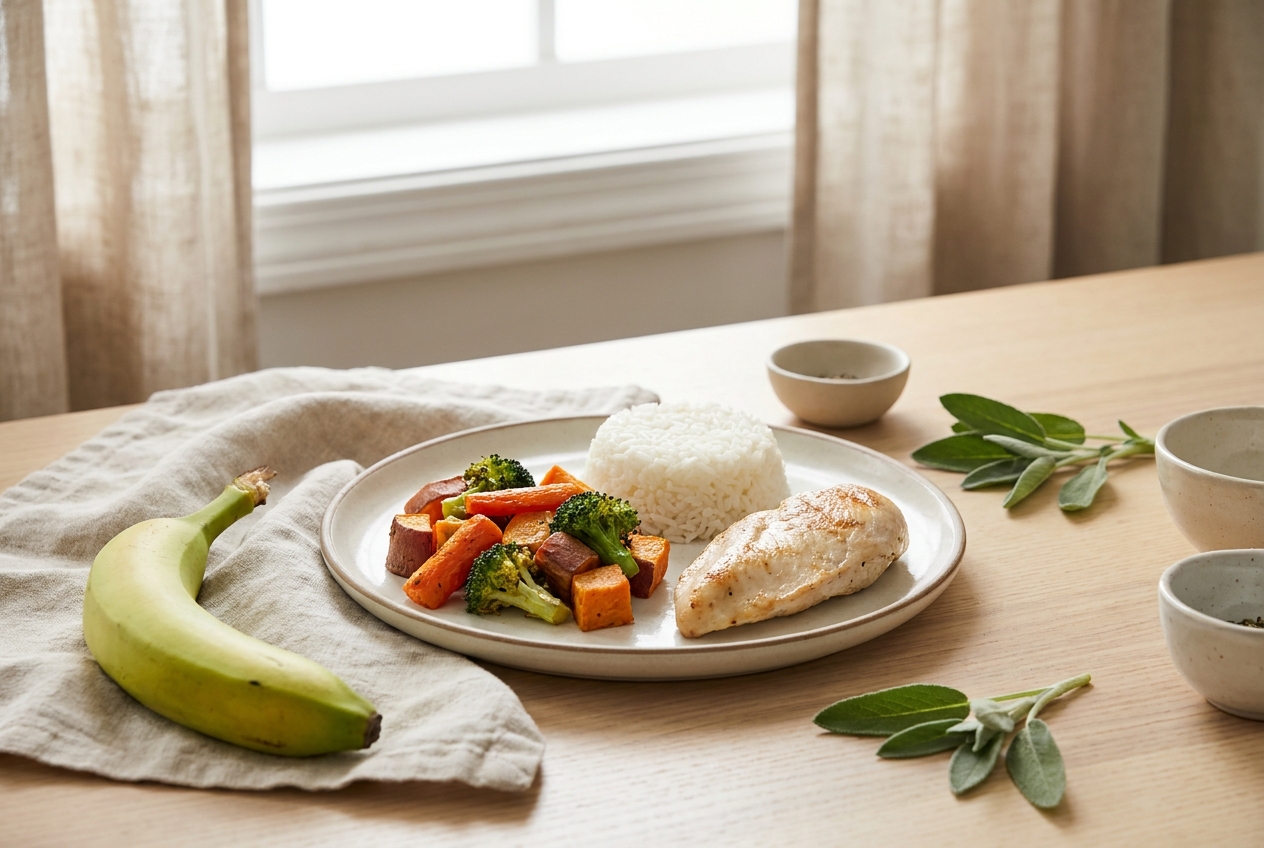
Why resistant starch affects blood sugar differently
Regular starch is broken down into glucose and absorbed in the small intestine, which raises blood sugar. Resistant starch mostly skips that step — it’s fermented in the colon instead — so it contributes far less to the immediate glucose rise than the same food would in its fully-digestible form.
The “second-meal effect”
One of the most studied ideas is the second-meal effect: eating fermentable carbohydrates like resistant starch at one meal is associated with steadier blood sugar at the following meal. The fermentation and short-chain fatty acids produced appear to influence how your body handles the next round of carbs.
What the research shows
Studies on resistant starch and glucose control are promising but mixed — effects vary by person, dose, and the food used. The honest summary: resistant starch tends to blunt glucose and insulin responses modestly, and works best as a consistent habit rather than a single big dose. It’s a helpful nudge, not a replacement for anything your doctor recommends.
Best resistant-starch foods for steadier blood sugar
Whole, food-first sources are the way to go — see the full resistant starch foods list. Reliable picks include legumes and beans, green bananas, and cooked-and-cooled sweet potato, rice, potatoes and oats.
The cook-and-cool trick for a lower glucose impact
This is the practical lever: cooking a starchy food and then chilling it increases its resistant starch, which can soften its blood-sugar impact compared with eating it hot and fresh. The cook-and-cool method works for rice, potatoes and oats — and gentle reheating keeps much of the benefit.
How to add it without spiking
Pair resistant-starch foods with protein, healthy fat and non-starchy vegetables, keep portions sensible, and favor the cooked-and-cooled versions. Add it gradually so your gut adjusts comfortably.
Important caveats
Resistant starch is not a treatment for diabetes or prediabetes, and it doesn’t replace medication, monitoring, or your care team’s advice. If you take glucose-lowering medication, talk to your healthcare professional before making it a big part of your routine.
FAQ
Does cold rice really lower the glucose response? Cooling increases resistant starch, which can lower the response somewhat versus hot fresh rice — effects vary by person.
How much do I need? There’s no magic number; a few servings of resistant-starch foods across the day, added gradually, is a sensible food-first approach.
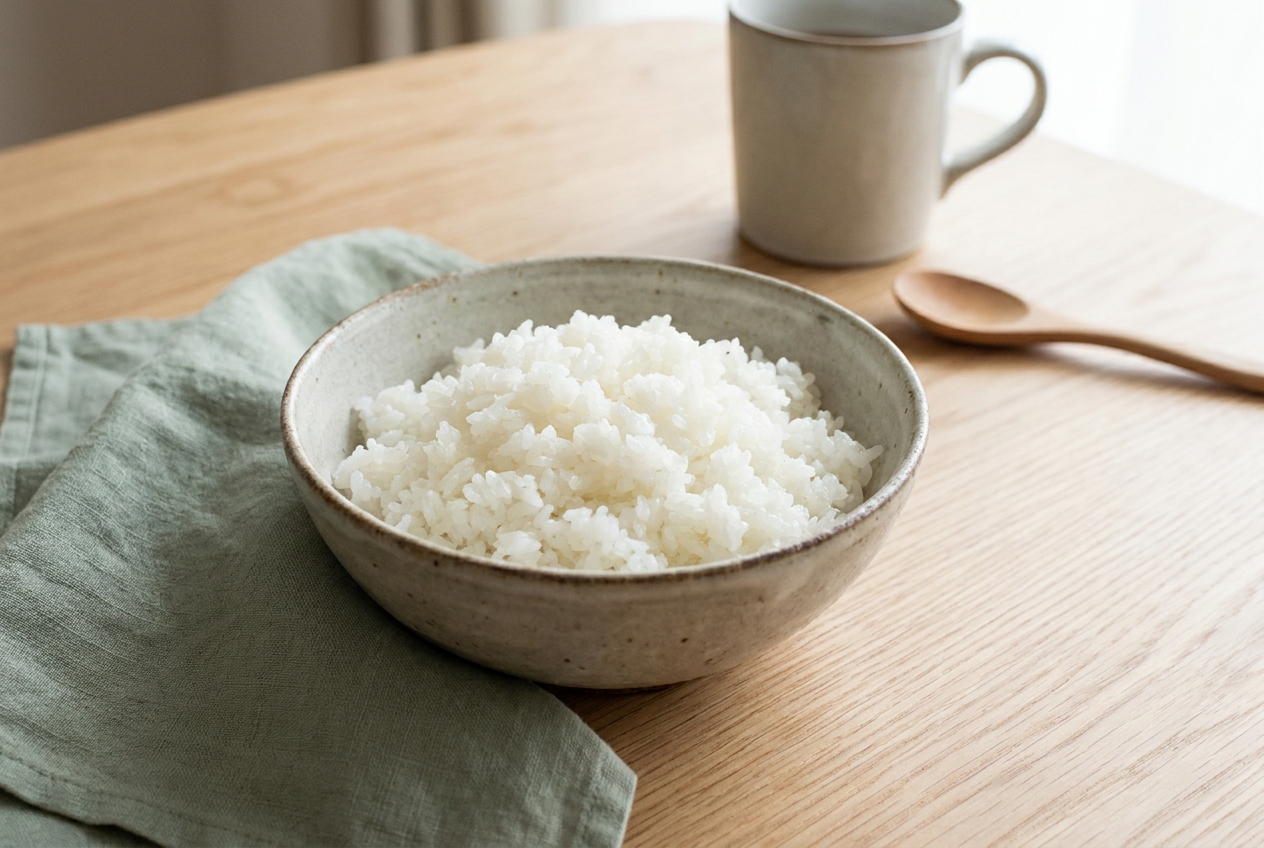
A real-world example: hot vs. cooled rice
Picture the same bowl of white rice two ways. Eaten hot and fresh, it’s highly digestible and raises blood sugar quickly. Cook it, chill it in the fridge overnight, then gently reheat it, and some of that starch has turned into resistant starch — so the glucose rise tends to be a little gentler. Same food, different preparation, different response. That’s the practical heart of it.
What resistant starch does NOT do
Being honest matters here. Resistant starch does not “cancel out” a high-carb meal, doesn’t lower blood sugar dramatically on its own, and is not a substitute for medication, monitoring, movement or your care team’s guidance. Think of it as one small, steady lever — not the whole machine.
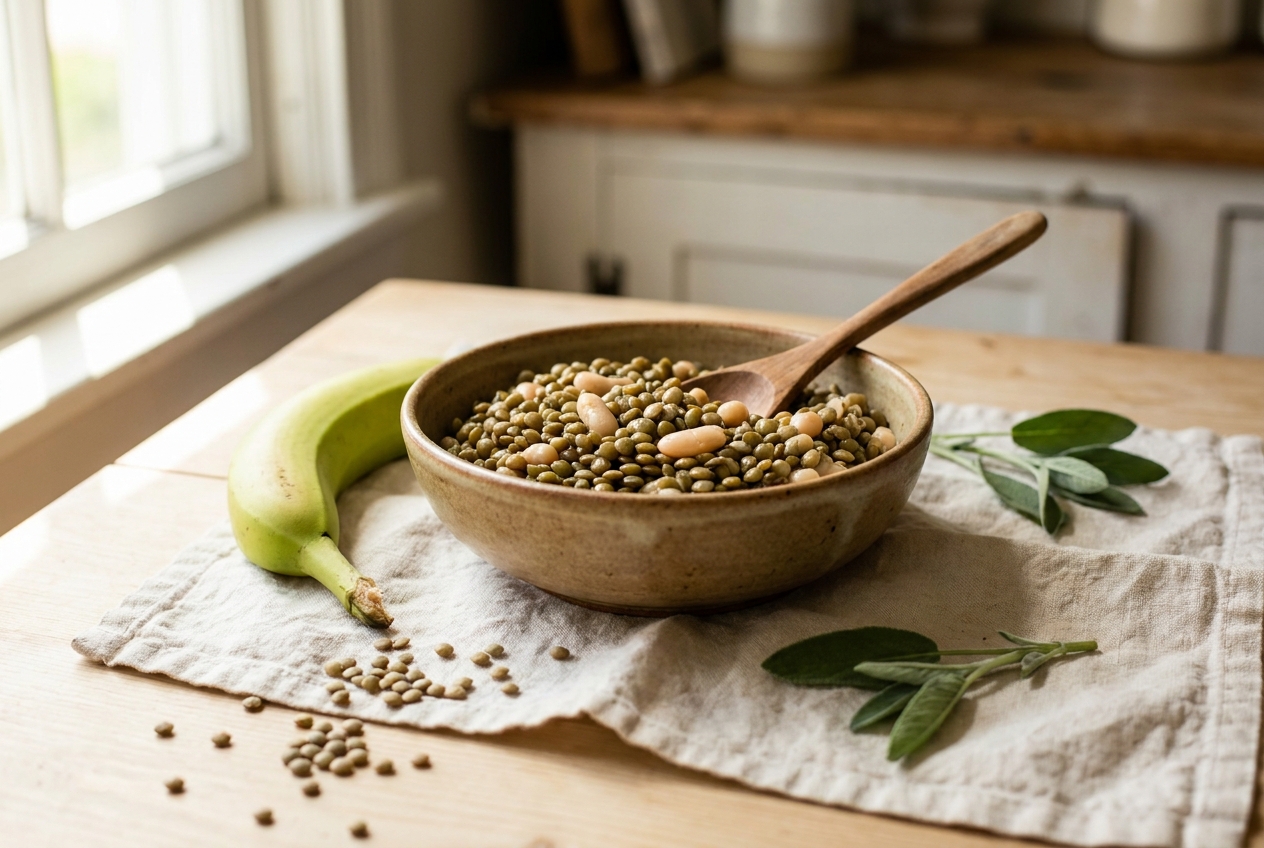
Pairing for steadier glucose
How you build the plate matters as much as the resistant starch itself:
- Pair starchy foods with protein and healthy fat to slow digestion.
- Add non-starchy vegetables for volume and fiber.
- Favor cooked-and-cooled versions of rice, potato and oats.
- Keep portions sensible rather than piling on “healthy” carbs.
- Walk for a few minutes after meals if you can — it stacks well with the effect.
Who should be especially careful
If you have diabetes or prediabetes, or take glucose-lowering medication, treat resistant starch as a food-first tweak to discuss with your healthcare professional — not a self-directed treatment. Everyone’s glucose response is individual, and a glucose meter or CGM will tell you far more than any general rule.
Will it help with insulin resistance? Some research suggests fermentable fibers like resistant starch may support insulin sensitivity over time, but it’s one piece of a bigger picture that includes sleep, movement and overall diet.
General wellness content, not medical advice or treatment for any condition.

About Mr. Anh
We turn solid evidence into everyday habits Americans can actually do—plain English, cups/oz, grocery-aisle swaps, and routines that fit real life. Our editorial process: Experience—we road-test tips in real schedules…