Does Cutting Out Dairy Help Acne? How To Test It
Cutting out dairy may help acne for some people, but only if you test milk or whey for eight weeks while replacing calcium, vitamin D, and protein.
Disclaimer: This article is for educational purposes only and is not a substitute for medical advice. Acne can scar, become painful, or affect mental health. If you have cystic acne, sudden severe acne, scarring, or acne that is not improving, work with a dermatologist.
Does cutting out dairy help acne? It can help some people, but it is not a guaranteed fix. The more useful question is whether milk, whey, or a specific dairy habit is one of your personal triggers. To find out, you need a clean test: one dairy change, enough time, and a plan for calcium and vitamin D.
The evidence is suggestive, not absolute. The American Academy of Dermatology notes that cow’s milk has been linked with acne in some studies, while the largest reviews still describe a modest association rather than proof that dairy causes acne for everyone.
For the deeper numbers, start with does dairy cause acne. This guide is the practical experiment: what to cut, how long to test it, and how to avoid fooling yourself.
The Short Answer
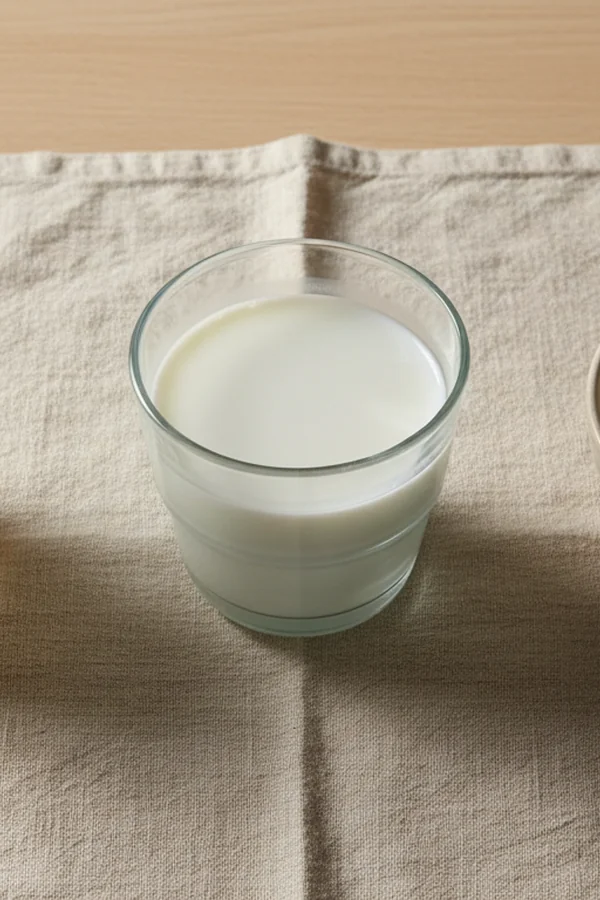
Cutting out dairy may help if your acne is sensitive to milk proteins, insulin/IGF-1 signaling, or high dairy intake. It is less likely to help if your acne is mainly driven by hormones, medication, skincare irritation, stress, sleep, or genetics.
That is why a two-week trial is weak evidence. Acne lesions start forming under the skin before you see them. If you stop milk today, some breakouts that appear next week may already have been in motion.
What To Cut First

Do not start by removing every dairy food forever. Start with the dairy category with the most consistent signal: fluid cow’s milk, especially skim or low-fat milk. If you drink milk daily, this is the cleanest first test.
- First cut: skim milk, low-fat milk, and daily milk drinks.
- Second cut if needed: whey protein powder.
- Hold steady at first: cheese and unsweetened yogurt, unless you clearly react to them.
This keeps the experiment readable. If you remove milk, whey, cheese, yogurt, sugar, gluten, and ten skincare products at the same time, you may improve, but you will not know why.
Run An 8-Week Dairy Test
Use eight weeks as the default. Four weeks may show early changes, but eight weeks gives your skin cycle a fairer shot. This matches the broader timeline in our how long diet takes to clear skin guide.
| Week | What to watch |
|---|---|
| 1-2 | Do not judge yet. Existing bumps may still surface. |
| 3-4 | Look for fewer new inflamed spots, not perfect skin. |
| 5-8 | Judge the pattern: fewer breakouts, calmer skin, or no clear change. |
Replace Dairy Carefully

If you reduce dairy, replace the nutrients, not just the taste. Dairy can be a major source of calcium, vitamin D, iodine, and protein. Use fortified unsweetened plant milk, calcium-set tofu, canned salmon or sardines with bones, leafy greens, beans, or a clinician-approved supplement if needed.
For the milk swap decision, use best milk alternative for acne after it is published.
How To Know If It Worked
Do not judge by one good skin day. Judge by the rate of new breakouts. Take the same lighting photo once per week, track painful bumps separately from small clogged pores, and keep your skincare stable.
If your skin improves, reintroduce one dairy type at a time. Start with a small serving, wait several days, and watch. If milk reliably brings new inflamed spots, that is useful personal evidence. If nothing changes after eight careful weeks, dairy may not be your main lever.
Mistakes That Ruin The Experiment
The most common mistake is changing too many things at once. Someone cuts dairy, starts a new retinoid, stops eating sugar, changes pillowcases, buys a cleanser, and then tries to credit the result to dairy. That may feel productive, but it destroys the signal.
The second mistake is replacing dairy with a daily sweet drink. If your old breakfast was skim milk and your new breakfast is a sweet oat milk latte, you have not run a clean acne experiment. You removed one possible trigger and added another.
The third mistake is under-eating. If cutting dairy removes your easiest protein source, breakfast may become coffee and toast. That can leave you hungrier, more stressed, and more likely to snack on high-glycemic foods later. Keep meals steady while you test.
When To See A Dermatologist
See a dermatologist if acne is cystic, painful, scarring, sudden, or affecting your confidence and mood. Food experiments can support skin health, but they should not delay care when acne is severe.
Frequently Asked Questions
Does cutting out dairy help acne for everyone?
No. It may help a subset of people, especially those who drink milk daily or use whey protein, but acne has many drivers.
How long should I cut dairy for acne?
Eight weeks is a fairer test than two weeks. Acne lesions take time to form and settle.
Should I cut yogurt too?
Not first. Milk has the most consistent signal. Yogurt evidence is more contested, so test milk first unless yogurt is your obvious trigger.
What if my skin gets worse after cutting dairy?
Check what replaced it. Sugary oat milk drinks, low-protein breakfasts, stress, or skincare changes may blur the experiment.
References

About Mr. Anh
We turn solid evidence into everyday habits Americans can actually do—plain English, cups/oz, grocery-aisle swaps, and routines that fit real life. Our editorial process: Experience—we road-test tips in real schedules…