Are Prebiotic Sodas Actually Healthy? Poppi, OLIPOP, and the Bloating Truth
Disclaimer: I’m trained in traditional medicine in Vietnam, but I’m not currently practicing medicine or providing personal diagnosis or treatment...
- Why Prebiotic Soda Sounds So Healthy
- What Is Actually Inside Prebiotic Soda?
- The Real Benefit: A Behavioral Bridge Away From Regular Soda
- Why Prebiotic Soda Can Make You Bloated
- Poppi vs OLIPOP: What Actually Matters
- Who It Fits and Who Should Probably Skip It
- What Should You Drink Instead?
- Final Verdict
- Frequently Asked Questions
Disclaimer: I’m trained in traditional medicine in Vietnam, but I’m not currently practicing medicine or providing personal diagnosis or treatment advice through this website. I write from personal experience, ongoing research, and self-experiments I have tried on my own body and, carefully, with family and close friends. My work explores digestion, daily energy, traditional self-care, movement, breathwork, meditation, and practical food-first habits that support everyday well-being. Everything I share here is educational and reflective, not medical advice. It should not replace diagnosis, treatment, or care from a licensed healthcare professional.
You have probably seen them everywhere by now: bright cans of Poppi or OLIPOP sitting in grocery coolers, filling your TikTok feed, and quietly suggesting that soda has finally been upgraded into something your gut can feel good about.
It is a very effective pitch.
You still get the fizz. You still get the nostalgic flavor. You get less sugar than regular soda. And then the label adds one more seductive word: prebiotic.
That one word is doing a lot of work.
Because once people see “prebiotic,” they stop thinking of these drinks as soda and start thinking of them as a digestive-health tool.
That is where the confusion begins.
The most honest way to frame prebiotic soda is this: it is usually better than regular soda, but it is still a weak substitute for actual gut healing.
That does not make it useless. It also does not make it fake.
It just means it belongs in the right category.
If you are trying to get off a daily Coke or Pepsi habit, prebiotic soda can be a smarter bridge. If you already eat well and want a drink that will actively repair your digestion, it is a much less impressive option than the marketing suggests.
This guide is for the middle ground most articles skip. We are going to look at what prebiotic soda really contains, why it helps some people but bloats others, and how to think about Poppi and OLIPOP without turning the conversation into a flavor-ranking contest.
- Prebiotic soda is usually a better choice than regular soda, mainly because it has less sugar and sometimes added fiber.
- The gut-health story is often overstated. Added fiber in a soda is not the same thing as a food-first gut strategy.
- Inulin-based drinks can trigger gas and bloating, especially for people with IBS or FODMAP sensitivity.
- Poppi and OLIPOP are most useful as soda-transition drinks, not as microbiome therapy.
Why Prebiotic Soda Sounds So Healthy
Traditional soda has an easy reputation to attack. It is high in sugar, easy to overconsume, and nutritionally thin. So when a new category shows up and says, “What if soda still tasted good, but came with less sugar and some fiber?” people naturally lean in.
That part is understandable.
Many prebiotic sodas do contain less sugar than regular soda. Many also add a few grams of fiber per can. Compared with a classic full-sugar soda, that is already an improvement.
But improvement is not the same thing as transformation.
This is the part wellness marketing blurs on purpose. A drink can be better than soda without being good enough to call a true gut-health tool.
Those are two very different standards.
What Is Actually Inside Prebiotic Soda?
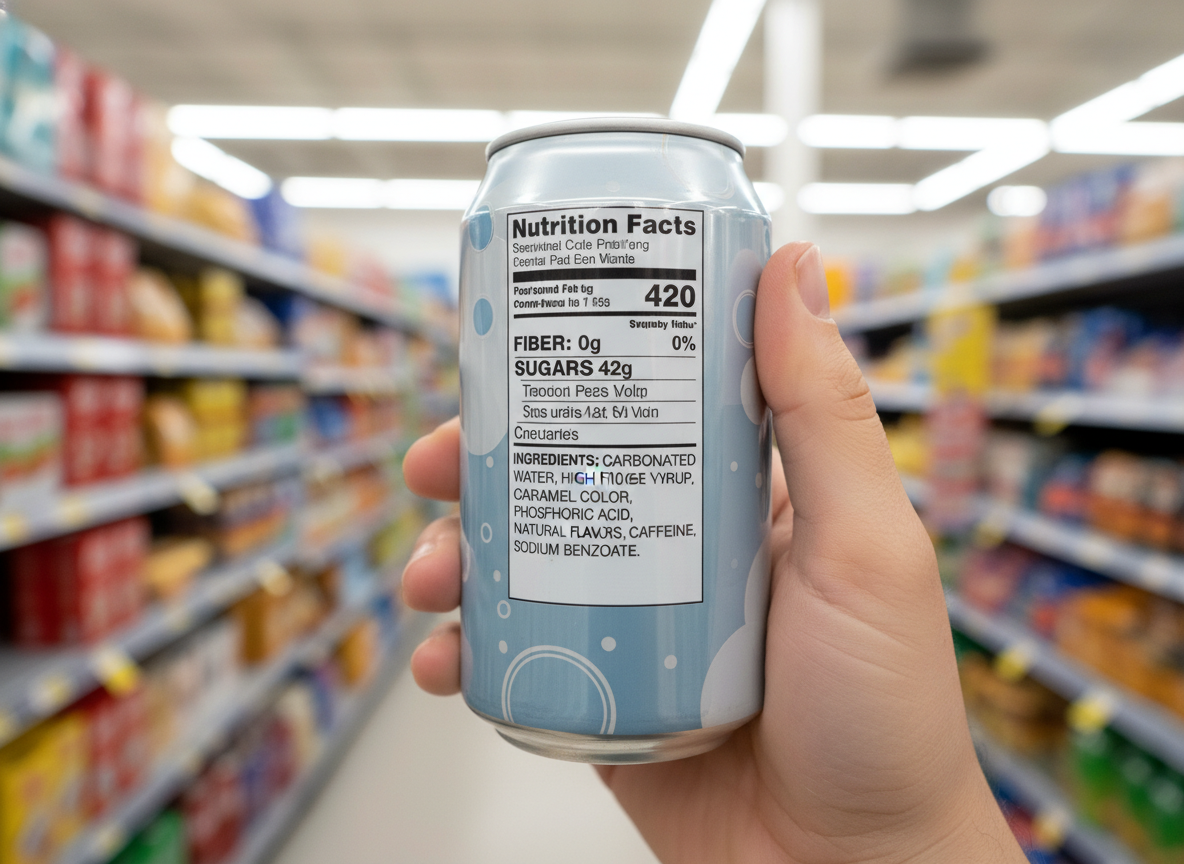
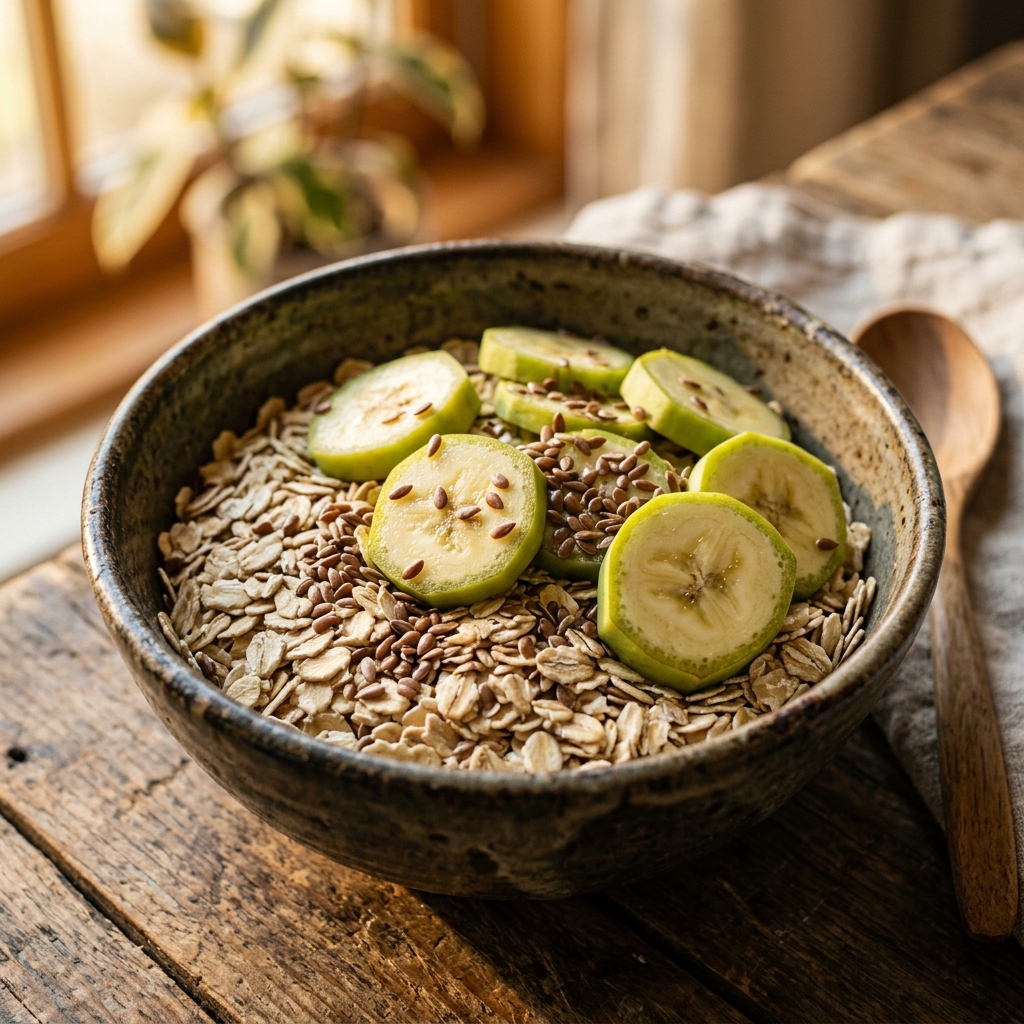
If you want to judge these drinks properly, ignore the branding for a minute and read the label like a person who cares more about outcome than packaging.
The Fiber Is the Real Functional Ingredient
Most prebiotic sodas rely on added fibers such as:
- chicory root inulin
- agave inulin
- cassava root fiber
- Jerusalem artichoke inulin
- acacia or guar blends
These are called prebiotics because they feed beneficial gut bacteria.
That is important, but it needs to be understood correctly.
Prebiotics are not probiotics. They are not live bacteria. They are fermentable fibers that become food for bacteria already living in your gut. If you want the clean foundation, our guide on probiotic vs prebiotic explains the difference in practical terms.
So yes, prebiotic soda can contain ingredients that theoretically support the microbiome.
But “contains prebiotic fiber” is still not the same thing as “heals your gut.”
Lower Sugar Is a Real Benefit, But It Is Still a Sweet Drink
This is where prebiotic soda deserves more credit than some critics give it.
If your baseline is a daily full-sugar soda habit, moving to a lower-sugar alternative is a real improvement. For many people, that is the most practical health benefit in the entire category.
But it is still a sweet processed beverage.
That matters because many people mentally promote these drinks into the same category as water, herbal tea, or a true food-first digestive drink. They are not that.
They are still designed to feel fun, craveable, and easy to drink quickly.
The Apple Cider Vinegar Halo
Some brands, especially Poppi, also ride the halo of apple cider vinegar.
That ingredient sounds functional and old-school enough to imply digestive wisdom. But in reality, apple cider vinegar is not the main reason this category exists. The core engine is still lower sugar plus added fermentable fiber.
The ACV story helps the branding. It is not the whole mechanism.
The Real Benefit: A Behavioral Bridge Away From Regular Soda
The most useful question is not:
“Is this the best drink for my gut?”
The more honest question is:
“Is this a better drink than the soda I was already having?”
For many people, yes.
If you are trying to step down from a regular soda habit, prebiotic soda can help because it:
- lowers sugar exposure
- adds some fiber
- preserves the emotional ritual of drinking something fizzy and enjoyable
That is not trivial.
In my view, this is the category’s strongest argument. Prebiotic soda works best as a behavioral bridge, not as a healing protocol.
That distinction matters because it protects you from expecting too much from one can.
Why Prebiotic Soda Can Make You Bloated

This is the part people often discover only after buying a case.
Inulin Ferments Fast
Many of the fibers used in prebiotic soda, especially inulin-type fibers, ferment quickly in the gut. That fermentation can feed beneficial bacteria, but it can also produce a lot of gas fast.
For someone with a calm, resilient digestive system, that may be manageable.
For someone already dealing with irritation, sluggish motility, or poor fermentation tolerance, it can feel miserable: pressure, trapped gas, cramping, or a stomach that suddenly feels much worse than before.
If that pattern sounds familiar, our article on bloating after eating explains why even “healthy” ingredients can hit hard when the gut is already sensitive.
IBS and FODMAP-Sensitive Readers Need to Be More Careful
This is where the health halo can become genuinely misleading.
If you have IBS, frequent bloating, or strong sensitivity to fermentable carbohydrates, prebiotic soda may be one of the rougher ways to introduce fiber. It is concentrated, sweet, carbonated, and easy to drink too fast.
That combination can be a problem.
If you already know that onions, garlic, apples, or inulin-heavy products tend to upset your stomach, you will usually get more value from understanding the low-FODMAP diet guide than from hunting for the “best” prebiotic soda brand.
“Gut Healthy” Does Not Mean Universally Tolerable
One mistake I see people make in digestive self-experiments is assuming that if a product is marketed as gut-supportive, then a bad reaction must mean their body is somehow failing.
That is not how this works.
Sometimes the ingredient is fine in theory, but the delivery system is wrong for your current digestive state.
A sweet, carbonated, quickly consumed fiber drink is not automatically the gentlest way to increase prebiotics.
Poppi vs OLIPOP: What Actually Matters
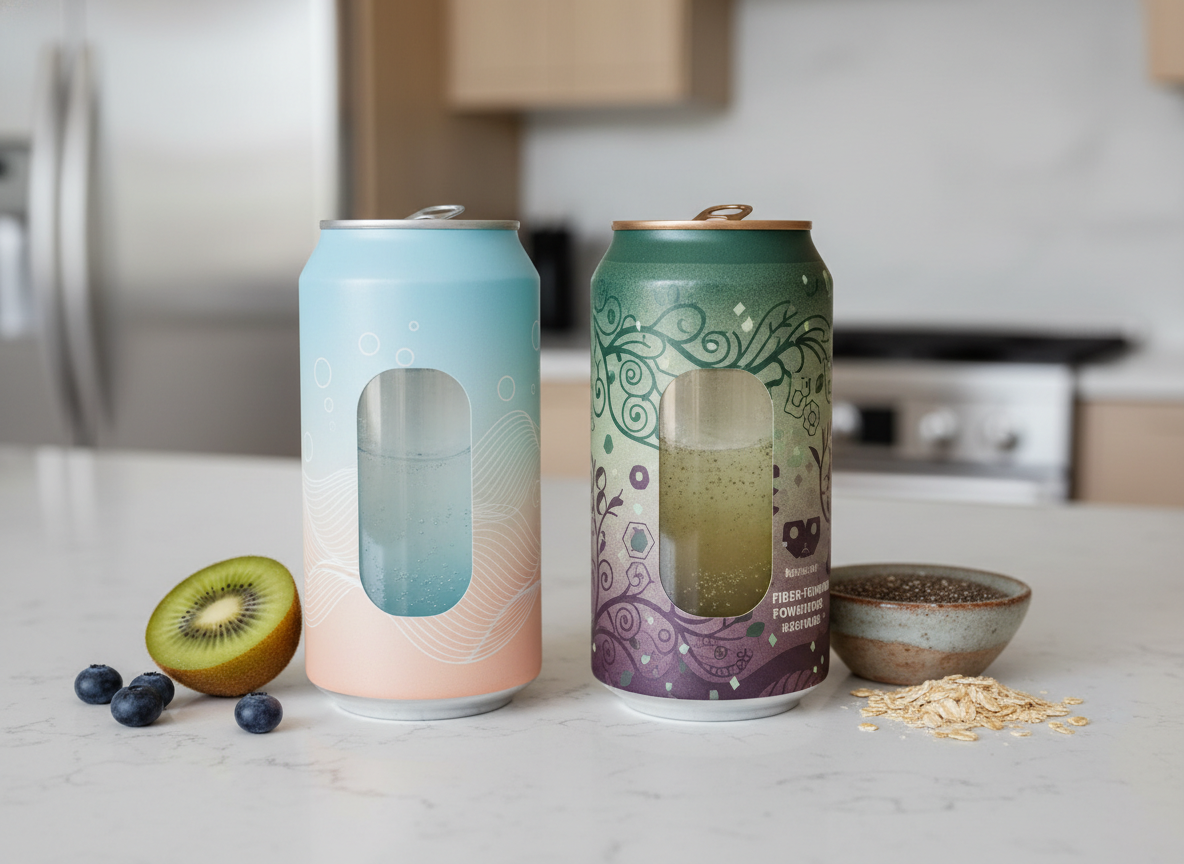
Most people eventually want a direct comparison, so the useful thing is to compare them by role rather than by hype.
Poppi
Poppi tends to function more like a lifestyle soda replacement. The taste is often more accessible, the branding is light, and it feels easier for a regular soda drinker to adopt.
If your main goal is simply to stop drinking regular soda every day, Poppi may feel easier to use.
OLIPOP
OLIPOP tends to lean harder into the digestive-health and fiber story. On paper, that can make it look more functional.
But more fiber is not automatically better if your gut tolerance is shaky.
For some people, a stronger prebiotic formula will feel more “effective.” For others, it will simply feel more bloating.
The Practical Comparison
If your goal is the smoothest transition away from regular soda, the gentler-feeling option is usually better.
If your goal is to maximize the label’s fiber story, the stronger formula may look better on paper while feeling worse in the body.
That is the comparison that matters.
Who It Fits and Who Should Probably Skip It
Better Fit
Prebiotic soda makes the most sense for people who:
- are actively reducing regular soda
- want an occasional fizzy sweet drink with less sugar
- tolerate fermentable fiber reasonably well
- understand it as a transition tool, not a cure
Proceed With Caution
It is much less convincing for people who:
- have IBS
- get frequent gas or bloating
- react strongly to inulin or other FODMAP-heavy foods
- are already eating a high-fermentation, high-fiber day
- want a shortcut so they do not have to improve their overall diet
That last point is blunt, but it matters.
No canned drink should be asked to do the job of a weak food pattern.
What Should You Drink Instead?
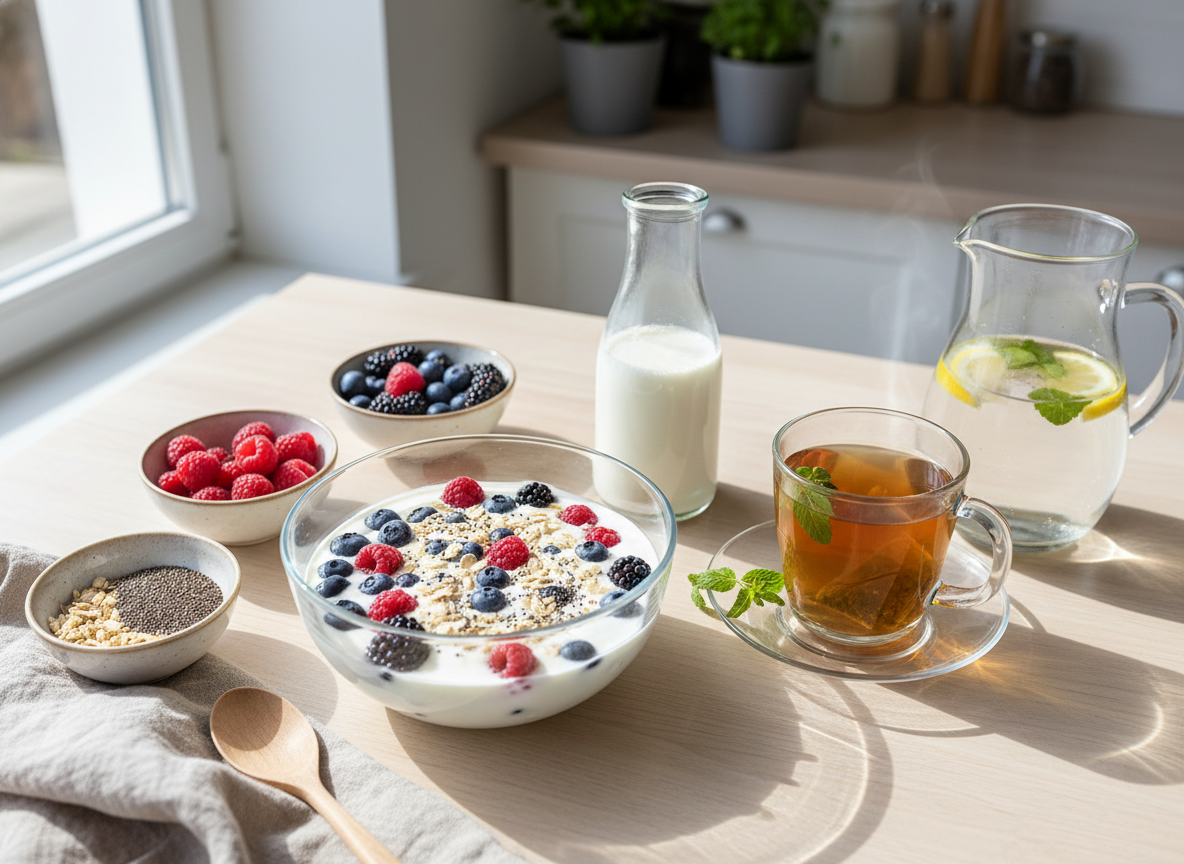
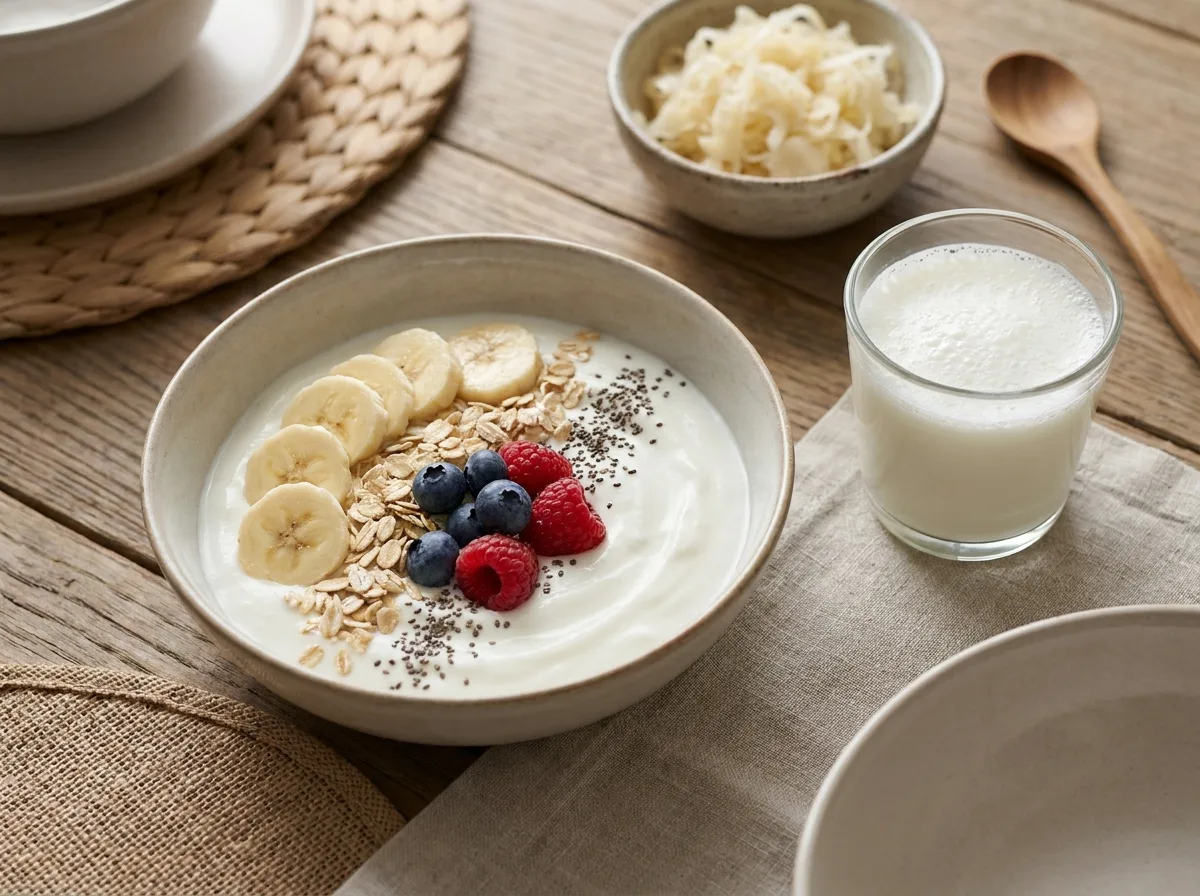
If your real goal is digestive support, not just a better soda, then food-first and gentler drink options usually make more sense.
That is where gut health drinks becomes more useful than another trendy can.
And if your deeper goal is to improve fiber quality overall, the best high-fiber foods list will move your digestion much further than relying on an engineered beverage.
Final Verdict
Prebiotic soda is best understood as a better-for-you soda swap, not a true gut-healing tool.
If you want to use it intelligently:
- use it instead of regular soda, not on top of regular soda
- start with half a can if you know your gut reacts to fermentable fiber
- avoid it on already bloated, high-FODMAP days
- do not treat it like hydration
- do not mistake it for a complete fiber strategy
The most honest conclusion is simple:
Prebiotic soda can be a useful exit ramp from regular soda, but it is still a detour from the real work of better digestion: eating more diverse fiber from actual food and learning what your own body tolerates.
—
Frequently Asked Questions
Are prebiotic sodas actually healthy?
Prebiotic sodas are usually healthier than regular soda because they often contain less sugar and some added fiber, but they are still processed sweet drinks and should not be treated as a true gut-healing solution.
Why does prebiotic soda make me bloated?
Many prebiotic sodas contain inulin or other fermentable fibers that can create gas quickly, especially in people with IBS, FODMAP sensitivity, or a gut that already reacts strongly to fiber.
Is Poppi or OLIPOP better for bloating?
It depends more on your fiber tolerance than on the brand itself. A lighter formula may feel easier for sensitive digestion, while a stronger-fiber formula may trigger more bloating.
Can prebiotic soda replace fiber from real food?
No. It may add a small amount of fiber, but it does not replace the digestive benefits of getting diverse fiber from whole foods like oats, beans, fruit, vegetables, nuts, and seeds.
Who should avoid prebiotic soda?
People with IBS, chronic bloating, strong inulin sensitivity, or a high-FODMAP sensitivity pattern should be more cautious because prebiotic soda may aggravate symptoms.
Disclaimer: The information provided on EssentialWellnessAZ is for educational purposes only. It is not intended as a substitute for professional medical advice, diagnosis, or treatment.

About Mr. Anh
We turn solid evidence into everyday habits Americans can actually do—plain English, cups/oz, grocery-aisle swaps, and routines that fit real life. Our editorial process: Experience—we road-test tips in real schedules…