Plant Based Protein Sources: The Absorption Stack (What the Lists Don’t Tell You)
Most plant protein guides count grams on a label, but your body doesn't absorb them all. This guide reveals the "Absorption Stack" to ensure you actually get the protein you need.
- Why the "Grams Per Serving" Number Can Mislead You
- Which Plant Proteins Cover All Your Needs
- The Best Plant Based Protein Sources by Absorption Tier
- 4 Simple Hacks That Dramatically Improve How Much Protein You Absorb
- A Simple Daily Template to Hit Your Protein Target
- Frequently Asked Questions
- The Bottom Line
You’ve done the research. You swapped the chicken for lentils, started putting hemp seeds on everything, and built your meals around tofu and chickpeas. You’re hitting the number on your tracking app. So why does your nutritionist still flag a protein deficiency? Why does your energy feel flat? Why are your muscles not responding the way they should?
Here’s the honest answer: the grams on your label and the grams your muscles actually receive are two completely different numbers.
The missing piece is absorption. Specifically, how much of the protein in a food your body can break down and actually use. And the difference between a high-absorption plant protein and a low-absorption one can be as dramatic as 50%.
In this guide, you’ll learn how to build an Absorption Stack, a practical system for choosing, combining, and preparing plant based protein sources in a way that makes sure your body actually gets what the label promises.
Quick Takeaways:
- Protein grams on a label don’t account for how well your body absorbs them. A score called PDCAAS tells you the real picture.
- Some common plant proteins, like raw lentils, only deliver about half their advertised protein to your muscles.
- Soaking, fermenting, and sprouting can raise how much protein your body absorbs by 30% or more.
- The Grain plus Legume pairing creates a complete protein profile. You don’t even need to eat them in the same meal.
- Tempeh is the highest-quality plant protein most people aren’t eating enough of.
Why the “Grams Per Serving” Number Can Mislead You
The gram count on a nutrition label is measured in a lab. It tells you how much total protein exists in that food. What it doesn’t tell you is how much of that protein will survive your digestion, get absorbed through your gut wall, and actually reach your muscles.
That gap is real, and it varies widely between plant foods.
The Simple Score Most Guides Ignore
A rating called PDCAAS (Protein Digestibility Corrected Amino Acid Score) measures protein quality from 0 to 1.0. A score of 1.0 is perfect. A score of 0.52 means only about half of that protein is actually usable by your body.
Here is how common plant proteins stack up:
| Protein Source | Grams per Serving | Quality Score (PDCAAS) |
|---|---|---|
| Whey protein | 25g | 1.0 |
| Tempeh | 31g/cup | 0.99 |
| Edamame | 17g/cup | 0.99 |
| Pea protein powder | 20-25g | 0.89 |
| Firm Tofu | 20g/cup | 0.84 |
| Chickpeas | 14.5g/cup | 0.78 |
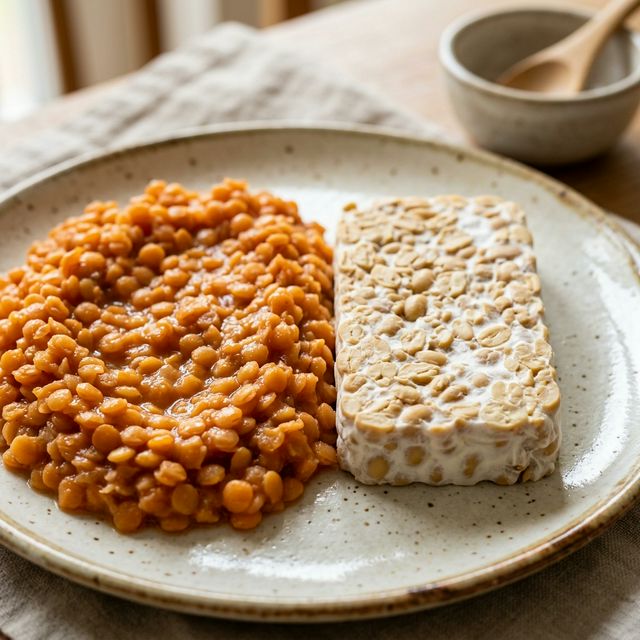
| Lentils (cooked) | 18g/cup | 0.52 |
| Rice protein | 15g | 0.42 |
So if you eat a cup of cooked lentils thinking you got 18 grams of protein, your body likely absorbed closer to 9 or 10 grams. The rest passed through without contributing anything.
The Thing in Raw Legumes That Blocks Absorption
Raw and improperly prepared legumes and grains contain natural compounds called phytates and lectins. These are the plant’s way of protecting itself, and they happen to bind to protein (and minerals like zinc and iron) in your gut, pulling them out before your body can absorb them.
This doesn’t mean you should avoid these foods. It means you need to prepare them correctly. Soaking, cooking, fermenting, and sprouting all significantly reduce these compounds. And the result is a meaningful increase in how much protein you actually get from the same food.
Research published in the Journal of Agricultural and Food Chemistry found that soaking and boiling lentils reduced these blocking compounds by up to 51%, noticeably improving both protein and mineral absorption. Preparation is not just a cooking preference. It’s part of how you eat protein.
Which Plant Proteins Cover All Your Needs
Your body needs nine specific building blocks (amino acids) that it can’t make on its own. The challenge with most plant proteins is that they’re naturally low in one or two of these, which limits how much protein your body can build from that meal no matter how much you eat.
Why Most Plant Proteins Need a Partner
Think of your amino acid supply like a bucket with holes at different heights. You can pour water in, but it only fills to the level of the lowest hole. That lowest hole is what nutrition experts call the “limiting amino acid,” and it caps your body’s ability to use the protein from that meal.
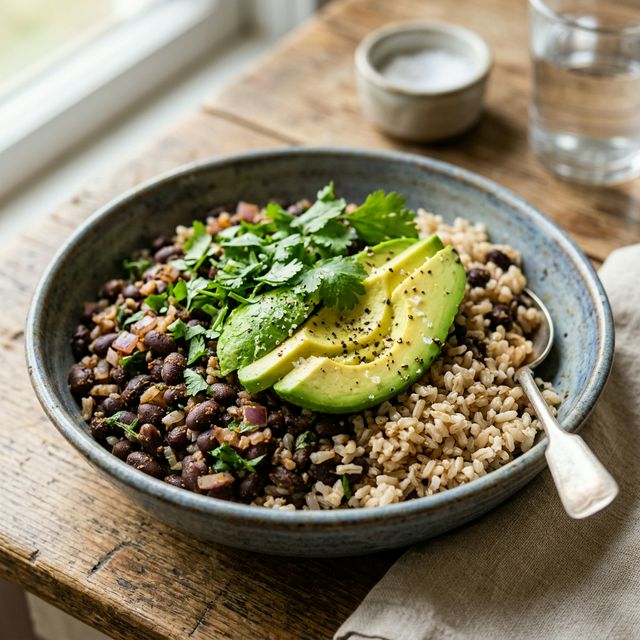
For most grains like rice, oats, and corn, the limiting amino acid is lysine. For most legumes like beans, lentils, and peas, it’s methionine. Those two weaknesses are each other’s strengths, which is exactly why grains and legumes work so well together.
When you pair a grain with a legume in the same day, rice with black beans, oats with lentil soup, or sourdough with hummus, the amino acid picture becomes complete. And you don’t need to eat them at the same time. Research shows that pairing them within the same day is enough.
The 5 Plant Foods That Are Already Complete
A few plant foods have all nine amino acids covered on their own:
- Tempeh (score: 0.99): The fermentation process removes the compounds that block absorption, making this the most usable plant protein in whole-food form.
- Edamame (score: 0.99): Fresh or frozen edamame is one of the most efficient plant proteins by both volume and amino acid coverage.
- Quinoa: All nine amino acids, though lower in total protein at about 8 grams per cooked cup. Use it as a base, not a primary source.
- Hemp Seeds: All nine amino acids, about 10 grams per three tablespoons. Easy to add to any meal.
- Chia Seeds: All nine amino acids, about 5 grams per two tablespoons. Better as an add-on than a standalone.
The fact that tempeh scores so high is not a coincidence. Fermentation strips away the compounds that lower regular tofu’s usefulness. This is one reason why fermented foods offer a real nutritional advantage over unfermented versions of the same food.
The Best Plant Based Protein Sources by Absorption Tier
Not all plant proteins are equal. Here is a straightforward framework that accounts for both how much protein a food contains and how much of it you can actually use.
Tier 1: High Absorption — Build Your Meals Around These
These foods score high on quality and have either minimal blocking compounds or have been prepared to remove them:
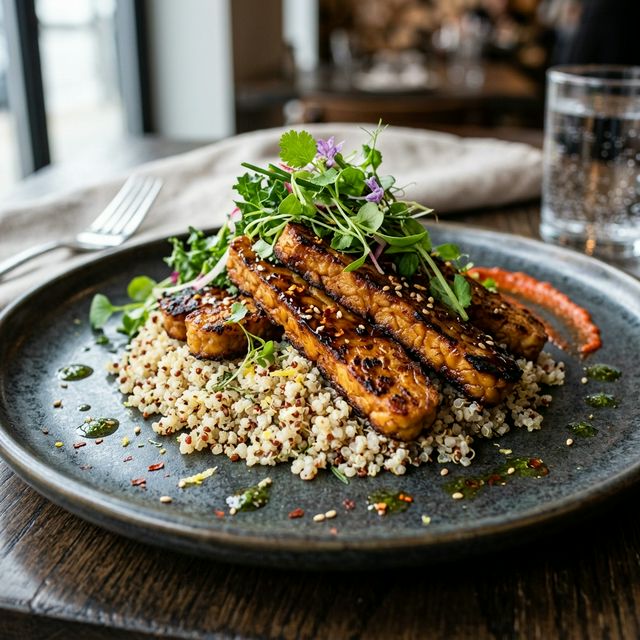
- Tempeh: 31g per cup, score 0.99. The best whole-food plant protein.
- Edamame: 17g per cup, score 0.99. Affordable, simple, and complete.
- Hemp Seeds: 10g per three tablespoons. Complete amino acid profile. Easy to scatter over anything.
- Pea Protein Powder: 20 to 25g per serving, score 0.89. The most researched plant powder for building muscle.
Tier 2: Good Absorption with the Right Preparation or Pairing
These are strong contributors, but they work best when prepared correctly or eaten alongside a complementary food:
- Firm Tofu: 20g per cup, score 0.84. Solid choice, but tempeh is noticeably better for absorption.
- Lentils (soaked overnight, then cooked): 18g per cup, score 0.52 alone. Paired with a grain, the amino acid gaps close.
- Black Beans: 15g per cup. Pair with rice or corn for a complete stack.
- Chickpeas: 14.5g per cup. Hummus naturally combines chickpeas with tahini, which improves the amino acid balance.
Tier 3: Add-Ons for Variety and Extra Nutrients
- Nutritional Yeast: 8g per two tablespoons, plus a useful source of B12. Great sprinkled on lentil dishes or grain bowls.
- Spirulina: 4g per tablespoon. Complete amino acid profile. Better used as a boost than a main source.
- Pumpkin Seeds: About 9g per quarter cup, and one of the best food sources of zinc. Worth noting because zinc is directly involved in how your body processes and builds protein. Our guide on zinc rich foods explains exactly why pumpkin seeds are worth adding as a daily protein-mineral anchor.
- Almonds: 6g per ounce. Good for combining with legume-heavy meals to keep blood sugar steady.
For days when whole foods fall short, a clean plant protein powder is a practical bridge. Thorne Plant Protein is NSF-certified and tested for heavy metals, which matters because lower-quality plant powders have consistently shown up with contamination in third-party testing.
4 Simple Hacks That Dramatically Improve How Much Protein You Absorb
These aren’t optional extras. If you’re eating plant proteins without using at least a couple of these methods, you’re leaving a lot of protein on the table.
Hack 1: Soak Your Legumes the Night Before
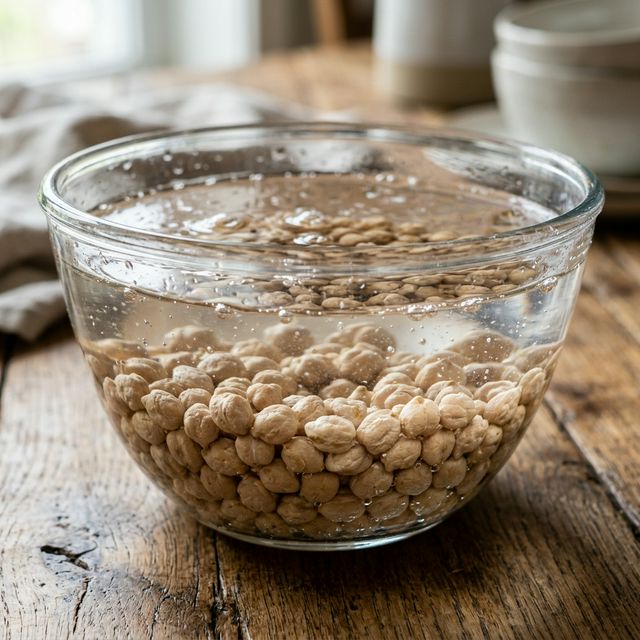
Soaking dry lentils, beans, or chickpeas in cold water for eight to twelve hours neutralizes a big portion of the compounds that block protein and mineral absorption. Rinse well before cooking.
This works on its own, and if you go a step further by sprouting (draining after soaking and letting them germinate for one to three days), research in Food Chemistry found that protein digestibility improved significantly alongside major reductions in phytic acid and tannins in lentils.
The practical version: before you go to bed, put your lentils or chickpeas in a bowl with three times their volume of water. Rinse and cook in the morning. That habit alone meaningfully changes what you absorb, at zero additional cost.
Hack 2: Pair Grains with Legumes on the Same Day
This is the core move of the Absorption Stack. Grains lack lysine. Legumes lack methionine. Together, they cover everything.
Common pairings that work:
- Rice with black beans
- Oats with red lentil soup
- Sourdough toast with hummus
- Corn tortillas with refried beans
- Farro with chickpea salad
You don’t need to eat these at the same time. Eating them within the same day is enough for your body to use both sources together in protein synthesis.
Hack 3: Choose Tempeh Over Tofu When You Can
Tempeh and tofu both come from soybeans. But tempeh is fermented, and that changes everything. The fermentation process breaks down the compounds that block absorption, so the protein becomes much more available to your digestive system than it is in regular tofu.
The quality score difference, 0.84 for tofu versus 0.99 for tempeh, reflects a real difference in what your body actually receives. If you want to know more about why fermentation makes such a difference not just for protein but for overall gut function, the fermented foods guide covers the full picture.
Hack 4: Add Vitamin C to Any Iron-Rich Meal
Plant proteins frequently come alongside iron as well, but it’s the type of iron found in plants, which your body absorbs much less easily than the type found in meat. Iron is essential for energy. Low iron is one of the most common reasons people on plant-forward diets feel tired, and that fatigue often gets blamed on protein when iron is actually the issue.
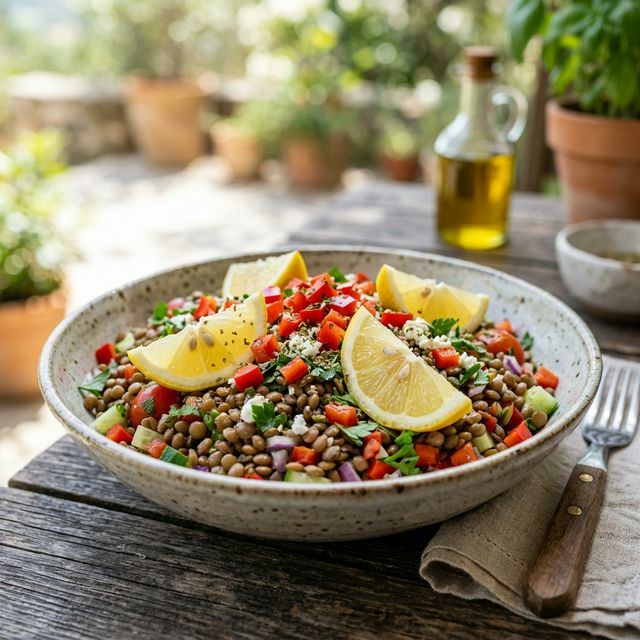
Adding a Vitamin C source to the same meal raises iron absorption by two to four times. A squeeze of lemon over lentils, bell pepper strips in a chickpea bowl, or berries on hemp seed oatmeal are easy ways to make this happen. No supplement needed.
A Simple Daily Template to Hit Your Protein Target
Here is a practical day built around the Absorption Stack, aiming for roughly 120 grams of well-absorbed plant protein:
Breakfast (around 20g):
Steel-cut oats cooked with three tablespoons of hemp seeds. Top with nutritional yeast and a handful of berries for Vitamin C. The grain and hemp seeds together cover all amino acids.
Lunch (around 35-38g):
Tempeh bowl with a quinoa base, roasted vegetables, and tahini dressing. Add a side of edamame. Both tempeh and edamame are complete proteins with near-perfect absorption scores, so no stacking math needed here.
Dinner (around 25-28g):
Red lentil soup (made from soaked-overnight lentils) served with sourdough bread. Sprinkle nutritional yeast on top and squeeze lemon over everything. The grain and legume combination covers the amino acid gaps, lemon boosts iron absorption, and soaking reduced the blocking compounds before you even started cooking.
Snacks (around 20-22g):
A quarter cup of pumpkin seeds plus one cup of frozen edamame, steamed and salted.
Bridge if you’re still short:
One scoop of pea protein in oat milk adds around 20 grams in about 30 seconds. Use it as a gap filler, not a foundation.
This approach directly mirrors what the anti-inflammatory meal prep guide is built around: prepping a week’s worth of protein-complete, anti-inflammatory components in one kitchen session so the stack is ready every day without thinking.
Frequently Asked Questions
What is the highest protein plant based food?
By grams per cup, tempeh leads with 31 grams, followed by firm tofu at 20 grams, lentils at 18 grams, and edamame at 17 grams. But if you factor in absorption quality, tempeh and edamame come out clearly ahead because their quality scores are both 0.99. Lentils and rice protein look good on a label but deliver significantly less to your muscles.
Can you get enough protein on a plant based diet without supplements?
Yes, consistently and practically. A day built around tempeh, edamame, lentils, chickpeas, and hemp seeds can reach 100 to 130 grams of well-absorbed protein without any powder. The key factors are variety across the day (for complete amino acid coverage) and preparation habits (for removing absorption blockers). Protein powder is a useful tool for convenience, not a necessity.
Are plant based protein sources complete proteins?
Five are reliably complete on their own: tempeh, edamame, quinoa, hemp seeds, and chia seeds. All other plant proteins have at least one amino acid gap, but that gap closes easily when you pair a grain with a legume across the same day. You don’t need to eat them together.
How much plant protein do I need per day to build muscle?
For active adults focused on muscle growth, current research points to 1.6 to 2.2 grams of protein per kilogram of body weight per day. Because plant proteins tend to score lower on absorption quality than animal proteins on average, many researchers suggest plant-focused eaters aim for the upper end of that range, around 2.0 to 2.2 grams per kilogram, to account for the absorption difference. For someone who weighs 70 kilograms (about 155 pounds), that works out to 140 to 154 grams of plant protein per day.
The Bottom Line
Most plant protein guides hand you a list and a gram count. What they don’t give you is the context that actually changes whether those grams do anything.
The Absorption Stack is that context. It’s the understanding that grams on a label are not the same as grams in your muscles, and that the gap between those two numbers is something you can actually influence through which foods you choose, how you prepare them, and how you combine them.
Tempeh and edamame belong at the center of your plate. Lentils work better after a night of soaking. The grain-legume pairing is worth making a daily habit. And Vitamin C at dinner makes your iron-rich plant protein meals meaningfully more effective.
Consistent choices, better preparation, smarter pairings. That’s the whole system.
Want a full week of meals already built around this? The anti-inflammatory meal prep guide gives you a complete prep template, shopping list included, that hits all nine essential amino acids across every day.
The information on this site is for educational purposes only and is not intended as medical advice. Always consult a qualified healthcare provider before making significant changes to your diet, especially if you are managing a health condition or training intensively.

About Jane Smith
We turn solid evidence into everyday habits Americans can actually do—plain English, cups/oz, grocery-aisle swaps, and routines that fit real life. Our editorial process: Experience—we road-test tips in real schedules…