Zinc Rich Foods for Immunity: The Protocol That Actually Works
You wash your hands, sleep eight hours, take vitamin C — and still catch every cold. The missing piece is likely zinc. Here's the protocol for getting enough from food, and what to eat the moment symptoms start.
- Why Zinc Is Your Immune System's Most Underrated Tool
- Zinc Rich Foods for Immunity — Ranked by Bioavailable Zinc Per Serving
- The Zinc Absorption Protocol — Getting 3x More From Plant Foods
- Zinc Rich Foods for Immunity on Specific Diets
- The Zinc First Aid Meal — What to Eat When You Feel a Cold Starting
- Food vs. Zinc Supplement — When Diet Falls Short
- Frequently Asked Questions About Zinc Rich Foods for Immunity
- The Bottom Line
Zinc is involved in over 300 enzyme reactions in your body — and yet an estimated 17% of the global population runs deficient in it, including a surprising number of people who genuinely believe they eat well.
The best zinc rich foods for immunity aren’t just about eating oysters once in a while. They’re about understanding which foods your body can actually use, how to dramatically increase absorption from plant sources, and what to eat the moment you feel a cold coming on.
You take vitamin C when a scratchy throat hits. You sleep eight hours. You wash your hands. And you still seem to catch every bug that comes through the office. Here’s what most people never find out: without enough zinc, your immune cells literally cannot form properly, cannot communicate with each other, and cannot identify and destroy pathogens. Vitamin C can’t compensate for that gap alone.
This guide covers the best zinc rich foods for immunity — ranked by how much zinc your body actually absorbs, not just what’s on the nutrition label — plus a practical protocol for getting more from every meal, whether your diet includes meat or not.
Quick Takeaways:
– Men need 11mg/day; women 8mg/day — and most people quietly fall short
– Animal zinc absorbs at 40–50%; plant zinc absorbs at only 10–15% without preparation tricks
– Soaking, sprouting, or fermenting legumes significantly increases zinc absorption
– Oysters are the #1 zinc food by a huge margin — 74mg per 3 oz (nearly 7x the daily value)
– A “Zinc First Aid Meal” for when you feel a cold starting is at the bottom of this guide
Why Zinc Is Your Immune System’s Most Underrated Tool

Most people rank their immune-support nutrients in this order: vitamin C, vitamin D, maybe echinacea. Zinc rarely tops that list — which is part of why immune fatigue is so common even in people who try hard to eat well.
What Zinc Actually Does Inside Your Immune Cells
Zinc isn’t just a supporting player. It’s foundational.
T-cells — your body’s primary defense against viruses — require zinc to activate and multiply. B-cells need zinc to produce antibodies. Natural killer cells, the immune system’s rapid-response team, depend on zinc signaling to recognize and destroy infected cells. Without adequate zinc, none of these pathways operate at full strength.
Beyond cell development, zinc acts as a direct antiviral agent. Research shows that zinc ions can physically disrupt how certain viruses — including rhinoviruses (the most common cold virus) — attach to and enter your cells. This is why zinc lozenges have a measurable effect on cold duration when taken within the first 24 hours of symptoms.
Zinc also regulates cytokine signaling — the chemical communication system between immune cells. When zinc is low, this system can misfire, leading to either an underwhelming immune response or runaway inflammation. It plays a role in over 300 enzymatic reactions. No single other mineral touches as many immune pathways.
Signs You Might Not Be Getting Enough Zinc
Zinc deficiency is usually subclinical — meaning your blood panel may return “normal” while your actual tissue stores are running low. The symptoms tend to creep up gradually:
Frequent colds that drag on longer than a week. Slow wound healing even for small cuts. Loss of taste or smell without any identifiable illness — one of the most specific zinc deficiency markers that most people chalk up to something else. White spots on fingernails. Unexplained hair shedding. Persistent adult acne or skin rashes. Brain fog and low-grade fatigue that sleep doesn’t fully resolve.
In women over 35, low libido and menstrual irregularity can also be connected to declining zinc levels — particularly in those with heavy periods, since zinc is lost in menstrual blood.
💡 If you suspect deficiency, ask your doctor for an RBC zinc test rather than a standard serum zinc. Serum zinc fluctuates based on recent meals and is a poor indicator of body stores. Red blood cell zinc is far more accurate.
Who Is Most at Risk
Some groups run consistently lower than optimal:
Vegetarians and vegans (plant phytates block zinc). Women with heavy periods. Anyone under chronic psychological stress (cortisol actively increases urinary zinc excretion). Frequent travelers and athletes who sweat regularly. People taking diuretics, metformin, or ACE inhibitors. And heavy drinkers, as alcohol increases renal zinc excretion.
Zinc Rich Foods for Immunity — Ranked by Bioavailable Zinc Per Serving
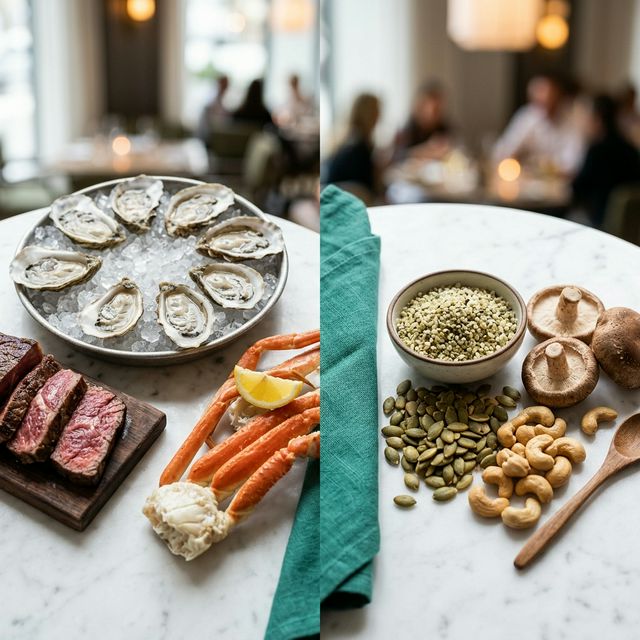
Most articles rank zinc foods by raw milligrams. That’s a starting point, but it’s incomplete. What your body absorbs is often very different from what a food contains — depending on the source and how it’s prepared. Here’s the full picture, with an absorption rate column that most competing guides don’t bother including.
Best Animal-Based Zinc Sources
Animal zinc absorbs at 40–50% — roughly three to five times more efficiently than most plant sources. Even a modest serving of these foods can meaningfully move your daily zinc total.
| Food | Serving | Zinc (mg) | % Daily Value | Absorption Rate | Best Paired With |
|---|---|---|---|---|---|
| Oysters (cooked) | 3 oz | 74.0 mg | 673% | 40–50% | Lemon juice / mignonette |
| Beef chuck roast | 3 oz | 7.0 mg | 64% | 40–50% | Roasted garlic and broccoli |
| Alaskan king crab | 3 oz | 6.5 mg | 59% | 40–50% | Lemon and parsley butter |
| Dark turkey meat | 3 oz | 3.8 mg | 35% | 40–50% | Orange cranberry sauce |
| Pork tenderloin | 3 oz | 2.9 mg | 26% | 40–50% | Apple cider vinegar glaze |
| Cheddar cheese | 1 oz | 1.0 mg | 9% | 30–40% | Whole grain crackers |
Oysters are in a category of their own. One 3-oz serving provides nearly seven times the daily value in a single sitting. If immunity is your concern, oysters on a regular rotation — even once a month — do more than most supplements.
Best Plant-Based Zinc Sources — And How to Prepare Them
Plant zinc is genuinely valuable. But the “phytate problem” (more on that below) means how you prepare these foods matters almost as much as which ones you choose.
| Food | Serving | Zinc (mg) | % DV | Phytate Level | Best Prep |
|---|---|---|---|---|---|
| Hemp seeds | 3 tbsp | 3.0 mg | 27% | Low | Add raw — no prep needed |
| Pumpkin seeds | 1 oz | 2.2 mg | 20% | Medium | Toast lightly or soak overnight |
| Rolled oats | 1 cup cooked | 2.3 mg | 21% | High | Soak 8–12 hours before cooking |
| Cashews | 1 oz | 1.6 mg | 15% | Medium | Roasting reduces phytate |
| Chickpeas (cooked) | ½ cup | 1.3 mg | 12% | Medium-High | Sprouted version is best |
| Lentils (cooked) | ½ cup | 1.3 mg | 12% | Medium | Cook with lemon juice |
| Shiitake mushrooms | ½ cup cooked | 1.0 mg | 9% | Very Low | Sauté — no phytate tricks needed |
| Dark chocolate (70%+) | 1 oz | 0.9 mg | 8% | Low | Eat with strawberries |
🌱 The 1.5x Rule for Plant-Based Eaters: Vegetarians and vegans should target 12mg/day (women) or 16.5mg/day (men) — 1.5x the standard RDA — because phytates push plant zinc absorption down to 10–15%. It’s achievable. It just can’t be accidental.
The Zinc Absorption Protocol — Getting 3x More From Plant Foods
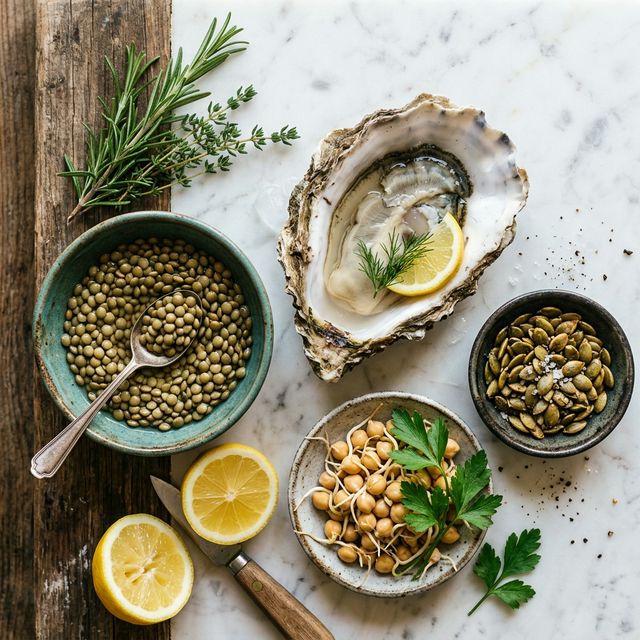
This is the section most guides skip entirely. You could eat lentils and pumpkin seeds every day and still be functionally zinc-deficient if you’re not addressing phytates.
The Phytate Problem and How to Fix It
Phytates are naturally occurring antinutrients in grains, legumes, seeds, and nuts. They bind to zinc in the digestive tract and block absorption. For someone eating a primarily plant-based diet without addressing phytates, zinc absorption can fall as low as 3–8% — meaning most dietary zinc passes through unused.
Four techniques that reliably break phytate bonds:
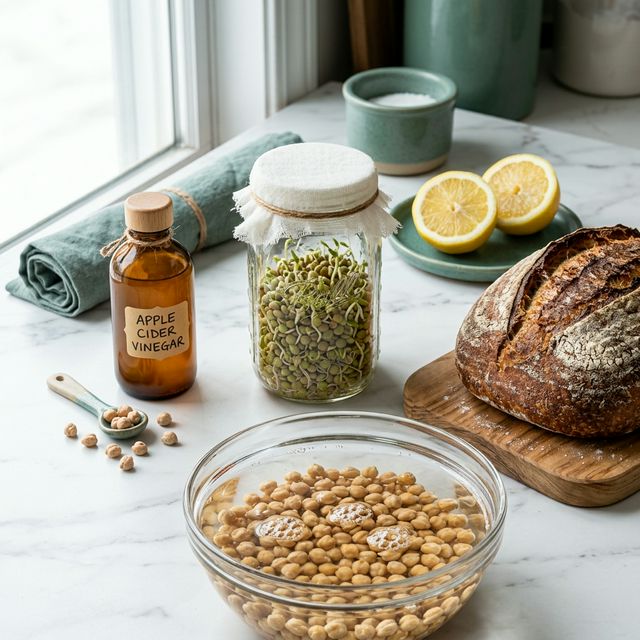
Soaking — Submerge beans, lentils, chickpeas, or oats in water for 8–12 hours before cooking. Discard the soaking water. This reduces phytate content by about 50% and meaningfully improves zinc (and iron) absorption.
Sprouting — Sprouted chickpeas, lentils, and seeds have 60–70% lower phytate content than unsprouted versions. Sprouted legumes are increasingly available at most grocery stores, or you can sprout at home in 2–3 days with a jar and cheesecloth.
Fermenting — Sourdough bread, tempeh, miso, and yogurt are fermented foods where phytase enzymes (which break down phytates) are already active. This is the most effective phytate-reduction technique of the four.
Cooking with acid — Adding lemon juice, apple cider vinegar, or tomatoes to beans and lentils while cooking creates an acidic environment that reduces phytate binding. This is the easiest technique to implement starting tonight.
The practical rule: if it came from a plant and hasn’t been cooked or processed, soak it first.
The Protein Co-Factor
Animal protein doesn’t just supply zinc directly — it also enhances absorption from plant foods eaten in the same meal. Even a small amount of meat or fish can raise plant-zinc absorption from around 10% to closer to 25%. For vegetarians, eggs and dairy play a similar co-factor role. For vegans, combining hemp seeds with fermented tempeh in the same meal is the best available alternative.
Zinc Immunity Dose Chart — By Life Scenario
Your zinc target isn’t static. It shifts based on what your immune system is dealing with right now.
| Life Scenario | Daily Zinc Target | Best Food Priority |
|---|---|---|
| Healthy adult woman | 8 mg | Cashews + pumpkin seeds + soaked lentils |
| Healthy adult man | 11 mg | Beef + hemp seeds + soaked oats |
| Feeling a cold starting | 25–40 mg (max 5 days) | Oysters or zinc lozenge + pumpkin seed meal |
| Chronic stress / frequent travel | 12–15 mg | Beef + pumpkin seeds + dark chocolate |
| Vegetarian or vegan | 12–16 mg | Sprouted chickpeas + hemp seeds + toasted cashews |
| Post-illness recovery | 15–20 mg (with MD guidance) | Bone broth + beef + pumpkin seed mix |
⚠️ The 40mg ceiling: Chronic zinc above 40mg/day suppresses copper absorption and can paradoxically weaken immunity over time. The 25–40mg range is strictly for acute short-term use (5 days max) during active illness — not a daily target.
Sources: NIH Office of Dietary Supplements — Zinc Fact Sheet | Prasad AS. Advances in Nutrition. 2013;4(2):176–190.
Zinc Rich Foods for Immunity on Specific Diets
Zinc strategy isn’t one-size-fits-all. Here’s how to build your daily zinc intake based on how you actually eat.
For Vegetarians — Building an 8–12mg Plant Day
This is doable. It just requires a little intention.
Morning: Rolled oats soaked overnight (2.3mg) with 3 tbsp hemp seeds stirred in (3.0mg) = 5.3mg. Lunch: Sprouted chickpea grain bowl with lemon tahini dressing (1.5mg) and a handful of cashews (1.6mg) = 8.4mg running total. Dinner: Shiitake mushroom stir-fry (1.0mg) with tempeh (1.5mg, already fermented = higher bioavailability) = comfortably above 10mg.
Every plant zinc source in this day has been soaked, sprouted, fermented, or paired with acid. That’s the difference between hitting the target and falling short despite a healthy diet.
For Meat-Eaters — The Easy Path to 11mg
Animal-based zinc is so bioavailable that meeting the daily target is genuinely straightforward:
Oysters once a week provides nearly 7x the daily value in a single sitting. One oyster dinner functionally covers immune maintenance for several days. A beef taco bowl (3 oz) with a pumpkin seed topping delivers roughly 9mg in one meal. A piece of cheddar as a snack pushes you comfortably past 11mg for the day.
For Children and Teens
Zinc requirements are higher during active growth. Boys 14–18 need 11mg/day. Girls 14–18 need 9mg/day. Best kid-friendly sources: fortified whole grain cereal, cashew butter, scrambled eggs, cheddar, and lean beef in tacos or pasta.
One thing worth watching: diets heavy in processed corn-based snacks are high in phytates and very low in zinc — they crowd out space for zinc-rich whole foods without delivering anything useful in return.
The Zinc First Aid Meal — What to Eat When You Feel a Cold Starting
This is the section readers will bookmark.
A 2013 systematic review in CMAJ found that zinc supplementation started within 24 hours of cold symptoms reduced average duration by approximately one day and reduced severity. The mechanism is direct: zinc ions interfere with rhinovirus binding to nasal epithelial cells, slowing replication before the infection gets established.
The timing is the key insight. Wait until day three of a full cold and you’ve already missed the window where zinc has the most impact.
Option A — The Oyster Boost (fastest, most effective)
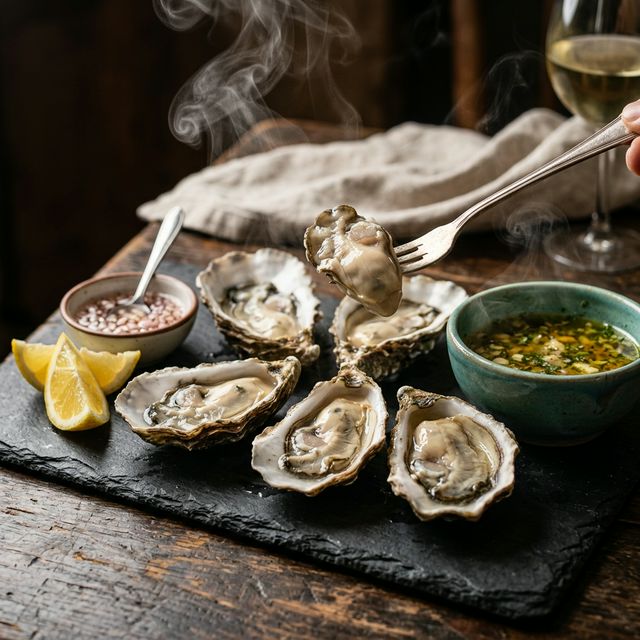
Six cooked oysters (74mg zinc per 3 oz) with a squeeze of fresh lemon juice. Follow with garlic broth — allicin in garlic has antiviral properties that work synergistically with zinc. Eat this at the very first sign of symptoms: scratchy throat, unusual mid-afternoon fatigue, that faint pressure behind the eyes.
Option B — Immunity Pumpkin Seed Hummus (plant-based)
Blend 1 cup sprouted chickpeas, ¼ cup toasted pumpkin seeds, 2 tbsp lemon juice, 2 garlic cloves, 2 tbsp tahini, and a pinch of sea salt. Roughly 4.5–5mg of zinc per generous serving. Pair with shiitake miso soup for additional zinc and beta-glucans that directly activate macrophages. For the first 2–3 days of symptoms, take a zinc lozenge (15–25mg) alongside this meal for the acute-response boost that food alone can’t deliver fast enough.
Zinc First Aid rules to keep in mind: always take zinc with food to avoid nausea. Zinc lozenges absorb faster than capsules because of direct mucosal contact in the throat. Space zinc at least 2 hours away from copper, calcium, or iron supplements. Stop high-dose zinc after 5 consecutive days.
Food vs. Zinc Supplement — When Diet Falls Short
For most adults eating a varied diet with some animal protein, dietary zinc is completely sufficient for year-round immune maintenance. The case for supplementing becomes genuinely clearer in a few specific situations.
Consider a supplement if: you’re vegetarian or vegan and can’t consistently soak, sprout, or ferment legumes at home. You’re under sustained chronic stress. You travel frequently and catch things easily in transit. You’ve recently recovered from illness and want to restock. You’re on long-term medications that impair zinc retention — diuretics, metformin, and ACE inhibitors are the most common culprits.
On form selection, this matters more than most people realize:
| Form | Absorption Rate | Best For |
|---|---|---|
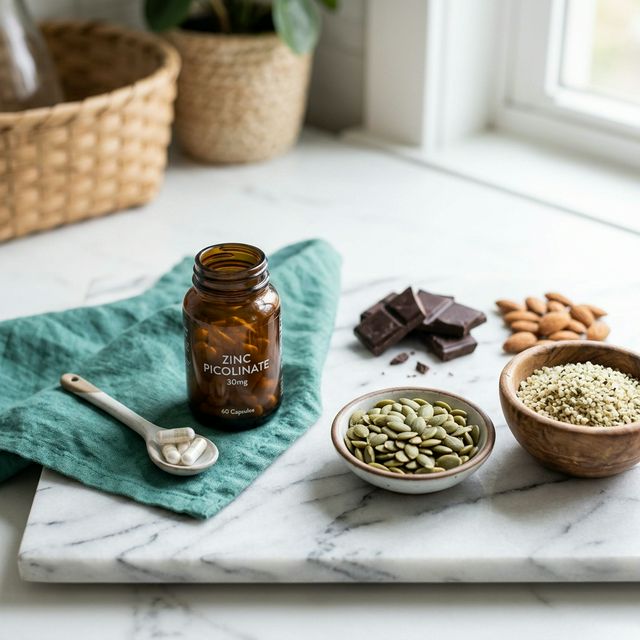
| Zinc picolinate | ~60% | Daily immune support |
| Zinc bisglycinate | ~60% | Daily immune support — gentler on stomach |
| Zinc acetate/gluconate lozenge | Fast mucosal | Acute cold response (first 24–48h) |
| Zinc oxide | ~10% | Avoid — found in most budget multivitamins |
| Zinc sulfate | ~20% | Often causes GI distress |
My recommendation for daily use: Thorne Zinc Picolinate (15mg) — NSF certified, clean formula, no unnecessary binders, and absorbed far better than the zinc oxide hiding in most generic multivitamins. For acute cold response, NOW Foods Zinc Lozenges are consistently well-rated and genuinely well-priced.
💊 Zinc above 40mg daily long-term can suppress copper and reduce immune efficacy — the opposite of what you’re after. Stick to 15–25mg for day-to-day supplementation. Check with your doctor if you’re managing a health condition or already taking several supplements.
Frequently Asked Questions About Zinc Rich Foods for Immunity
How much zinc do I need each day for immune support?
Adult women need 8mg per day; adult men need 11mg. The NIH sets the safe upper limit at 40mg daily — above which copper absorption is compromised and immunity can paradoxically weaken. During the first 24–48 hours of acute illness, short-term intakes of 25–40mg (via zinc lozenges) can meaningfully support a faster immune response.
What is the single highest-zinc food for immunity?
Oysters, by an enormous margin. Cooked oysters provide approximately 74mg of zinc per 3-oz serving — 673% of the daily value in one sitting. No other whole food comes close. For plant-based eaters, hemp seeds (3.0mg per 3 tbsp) and pumpkin seeds (2.2mg per oz) are the two strongest options when prepared correctly.
Can vegetarians get enough zinc for immunity from food alone?
Yes — with consistent effort. Plant zinc absorbs at roughly 10–15% versus 40–50% for animal sources. Vegetarians and vegans should target 12–16mg daily and systematically use phytate-reduction techniques at every meal: soak legumes overnight, choose sprouted products when available, eat fermented foods like tempeh and miso regularly, and add lemon juice or vinegar to plant-based dishes.
Does zinc actually shorten colds?
Zinc won’t prevent viral illness, but the evidence on shortening duration is reasonably solid. A 2013 systematic review found zinc started within 24 hours of cold onset reduced duration by about one day and lessened severity. The therapeutic window is narrow — it needs to start early. Food-based zinc serves the prevention goal. Zinc lozenges serve the acute response.
What depletes zinc fastest?
Chronic psychological stress (cortisol increases renal zinc excretion), regular alcohol consumption, high-phytate diets without soaking or sprouting, certain medications (diuretics, metformin, ACE inhibitors), and significant or frequent sweating. Athletes and frequent travelers are particularly vulnerable to subclinical depletion.
What are the symptoms of zinc deficiency?
The most common: colds that keep coming or drag on longer than 7–10 days, slow wound healing, unexplained loss of taste or smell, white spots on nails, hair shedding, persistent skin rashes or adult acne, and brain fog. Subclinical deficiency often doesn’t flag on a standard serum zinc test — request an RBC zinc test if you have multiple symptoms.
The Bottom Line
Zinc is the immune system’s most consistently overlooked mineral — and a nutrient where the gap between what most people eat and what their bodies can actually absorb is larger than with almost any other micronutrient.
Your simple zinc rich foods for immunity framework:
Aim for 8mg/day if you’re a woman, 11mg/day if you’re a man. Vegetarians and vegans should target 12–16mg and use the phytate-override techniques at every plant-based iron meal. Eat oysters at least once a month for the highest-density immune zinc available in any food. When you feel the first sign of a cold, reach for the Zinc First Aid Meal within 24 hours. For daily gaps, zinc picolinate or bisglycinate at 15–25mg consistently outperforms the zinc oxide found in most generic multivitamins.
If you’re building out a complete food-first immunity strategy, zinc and the nutrients covered in our guide to iron rich foods for women often go hand in hand — iron deficiency and zinc deficiency co-occur more often than most people realize, especially in women. A healthy gut also plays a direct role in how much zinc your intestinal cells absorb, which is why our guide to probiotic foods for gut health is worth reading alongside this one. And if you want a full weekly structure that builds zinc alongside other anti-inflammatory nutrients, the 7-day anti-inflammatory meal plan follows the same food-pairing logic.
The information on this site is for educational purposes only and is not intended as medical advice. Always consult a qualified healthcare provider before making changes to your diet, supplement routine, or treatment plan.

About Jane Smith
We turn solid evidence into everyday habits Americans can actually do—plain English, cups/oz, grocery-aisle swaps, and routines that fit real life. Our editorial process: Experience—we road-test tips in real schedules…