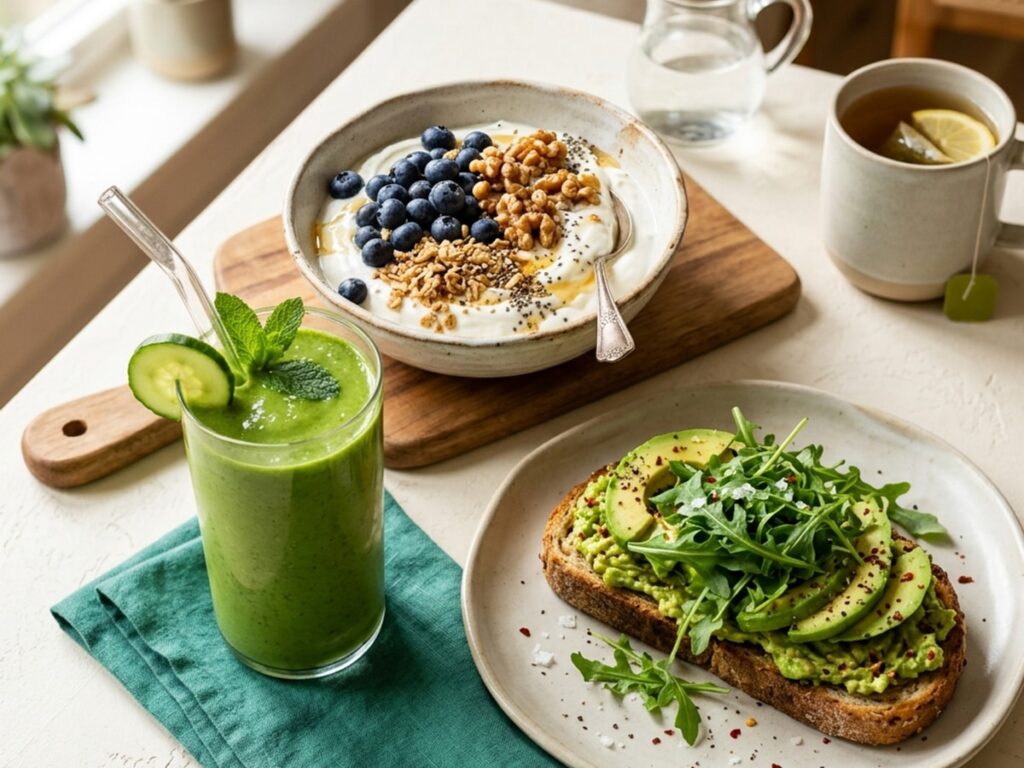
Fermented Foods Benefits: Why Diversity Beats Dosage (2026 Authority Guide)
Think fermented foods benefits start and end with yogurt? The real story is diversity. Discover the Postbiotic Revolution and why rotating your ferments is the key to gut-brain health.
- The Postbiotic Revolution: Beyond "Live and Active" Cultures
- The Fermented Foods Benefits Ranking: Diversity over Dosage
- The Three Pillars of Fermentation Benefits
- The "Anti-Nutrient" Hack: Why Sourdough and Kimchi Are Superior
- Safety, Myths, and "Fake" Ferments: How Not to Get Fooled
- The 7-Day "Diverse Ferment" Challenge
- Frequently Asked Questions About Fermented Foods Benefits
- The Bottom Line
You’ve probably heard the advice a thousand times: “Eat more yogurt for your gut.” But as the science of the human microbiome enters a new era, we are discovering that the standard probiotic advice is barely scratching the surface of what’s possible.
In a landmark 2021 study from Stanford University, researchers found that a diet high in fermented foods was more effective at increasing microbial diversity and decreasing molecular signs of inflammation than a high-fiber diet alone. But here is the catch: the benefits didn’t come from just eating one brand of probiotic yogurt. They came from diversity.
Welcome to the Postbiotic Era. In this comprehensive guide, we’ll dive into the real fermented foods benefits, why rotating your sources is the secret to lower inflammation, the emerging science of the gut-skin axis, and how to spot the fake fermented foods that are currently crowding grocery store shelves.
Quick Takeaways:
– Fermented foods increase gut microbial diversity, which is the single most important marker of a healthy immune system.
– Postbiotics, the metabolites like butyrate, are just as important as the live bacteria themselves.
– Fermentation destroys anti-nutrients like lectins and phytates, making minerals like Zinc and Iron much more absorbable.
– For maximum benefit, aim for 6 or more small servings of diverse fermented sources every day.
– The Gut-Skin axis: Fermentation is 2024’s top inside-out beauty trend for managing acne and eczema.
– Not all fermented items are equal. Many pickles and sauerkrauts in stores are just vinegar-soaked and contain no live cultures at all.
The Postbiotic Revolution: Beyond “Live and Active” Cultures
For decades, we focused entirely on probiotics, the good bacteria themselves. We looked for “Live and Active” stamps on labels and hoped those tiny organisms would survive the long, acidic journey through our stomach.
But 2024 research has shifted the focus toward postbiotics. These are the healthful metabolites, enzymes, and chemical byproducts created by the bacteria during the fermentation process.
Why This Changes Everything
This explains why heat-treated fermented foods, like real sourdough bread or steamed tempeh, still offer significant health benefits even if the live bacteria are no longer present. The biological machinery, specifically the enzymes and metabolites, is already built.
When you consume fermented foods, you aren’t just taking a supplement. You are consuming a pre-digested, nutrient-dense package where the anti-nutrients have been lowered and the cellular energy, or postbiotics, has been maximized.
The Fermented Foods Benefits Ranking: Diversity over Dosage

To get the most out of your gut health, you need a rotation of different species. Here is our 2026 ranking of fermented foods based on their microbial diversity and nutrient density.
| Fermented Food | Typical Species Count | Top Benefit | Best Usage |
|---|---|---|---|
| Kefir (Dairy/Water) | 30+ strains | The Diversity King | In smoothies or as a milk substitute |
| Traditional Kimchi | 15–20 strains | Immunity & Metabolism | A side dish for almost any meal |
| Artisanal Sauerkraut | 10–15 strains | Vitamin C & Fiber | Salad topper or a sandwich addition |
| Natto | 1–2 strains (high yield) | Vitamin K2 (Heart & Bone) | Best for breakfast with rice |
| Miso | 5–10 strains | Protease Enzymes | In soup or used as a glaze for fish |
| Tempeh | 5+ strains | High Protein + Prebiotics | A main plant-based protein source |
| Kombucha (Raw) | 5–10 strains | Acetic Acid & Detox | A mid-day energy boost |
| Sourdough (Real) | Low live (High post) | No Blood Sugar Spikes | Your primary bread choice |
Note: Most supermarket pickles in vinegar do not contain these strains. You must look for naturally fermented or unpasteurized labels, usually found in the refrigerated section.
The Three Pillars of Fermentation Benefits

Pillar 1: The Gut-Brain Axis (Mood and GLP-1)
The gut is often called our second brain. In fact, over 90% of our body’s serotonin is produced in the gut, not the brain. Fermented foods stimulate the production of short-chain fatty acids like butyrate, which travel to the brain and influence our mood, anxiety levels, and stress resilience.
But there is a new discovery at play: specific fermented foods trigger the release of GLP-1, the same hormone targeted by modern weight-loss medications. By consuming fermented foods, you are naturally supporting the signaling pathways that tell your brain you are full and satisfied.
Pillar 2: The Gut-Skin Axis (Beauty from the Inside Out)
Fermentation skincare was once just a topical trend. Now, we know that internal microbial diversity is the true secret to a clear complexion. Fermented foods help seal the leaky gut that often causes systemic inflammation, which eventually shows up on your face as acne, eczema, or redness.
By reducing systemic inflammation markers like IL-6 and CRP, fermented foods improve the skin’s barrier function. If you struggle with chronic skin issues, the Diversity Challenge is often more effective than topical creams alone.
Pillar 3: The Immunity Stack (Lowering Chronic Inflammation)
In the 2021 Stanford study mentioned earlier, participants who ate 6 servings of fermented foods daily saw a decrease in 19 different inflammatory proteins.
For context, a high-fiber diet alone, which is often touted as the gold standard for gut health, did not show this immediate reduction in inflammatory markers. Fermented foods act as a quick-start for the immune system, providing a literal army of microbial support that tells your immune cells to calm down.
For those focusing on immunity, pairing fermentation with other key nutrients is critical. For example, our zinc rich foods for immunity guide explains how fermentation actually helps you absorb more of the zinc you eat.
The “Anti-Nutrient” Hack: Why Sourdough and Kimchi Are Superior
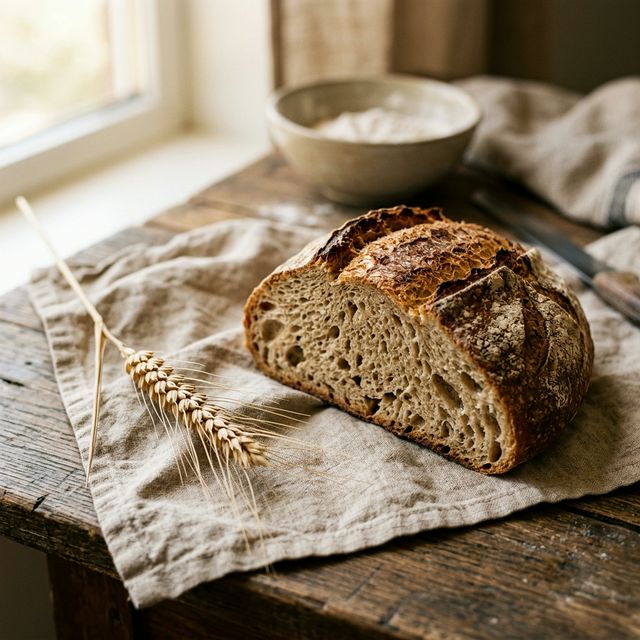
Grains, legumes, and even some vegetables contain anti-nutrients like phytic acid and lectins. These compounds are the plant’s natural defense system, but in humans, they can block the absorption of critical minerals like Iron, Zinc, and Calcium.
This is where fermentation shines. The bacteria pre-digest these compounds for you.
- Sourdough vs. Wheat Bread: Long-fermentation sourdough breaks down the phytic acid in wheat, making the minerals bioavailable and the gluten much easier to digest.
- Tempeh vs. Soybeans: Fermenting soy, such as in Tempeh or Miso, removes the trypsin inhibitors that cause bloating and digestive upset for many people.
- Kimchi/Kraut vs. Fresh Veg: Fermentation actually increases the Vitamin C and Vitamin B12 levels beyond what is found in the raw vegetable.
If you are struggling with low iron or anemia, you must consider the bioavailability of your food. Our iron rich foods for women guide covers the best sources, but pairing those sources with fermented foods, like a squeeze of kraut on your beef bowl, can double your absorption rate.
Safety, Myths, and “Fake” Ferments: How Not to Get Fooled
The single biggest mistake consumers make is buying jars of “pickles” or “sauerkraut” from the room-temperature shelf.
1. The Vinegar Trap
Vinegar-based preserving is a fast, cheap way to make foods sour, but it is not fermentation. Most shelf-stable pickles are made by heating vegetables and soaking them in white vinegar and dyes. There are zero probiotics or postbiotics in these jars.
- The Rule: If it’s not in the refrigerated section and the labels don’t say “naturally fermented” or “contains live cultures,” it’s likely a dead food.
2. The Pasteurization Problem
Even real fermented foods can be killed by pasteurization, which is the process of heating to kill bacteria for a longer shelf life. While you still get some postbiotic benefits, you lose the diversity of the live microbiome. Always look for “unpasteurized” or “raw” on labels.
3. Does Heat Kill the Benefits?
Yes and No. High heat kills the live bacteria, but it leaves behind the metabolites, like short-chain fatty acids and enzymes. This is why sourdough bread is still beneficial for blood sugar management even though the bacteria died in the oven. For the full benefit, you want a mix of both raw ferments like kimchi and kefir, and cooked ferments like sourdough and tempeh.
For more on planning your kitchen for these gut-supportive foods, see our anti-inflammatory meal plan which guides you through selecting the right whole-food versions.
The 7-Day “Diverse Ferment” Challenge

To follow the science of the Stanford study, you want to reach 6 servings per day. That might sound like a lot, but a serving is actually quite small, like two tablespoons of kraut or half a cup of kefir.
A Typical Day in the Challenge:
- Breakfast: 2 tablespoons of Kefir in your smoothie or on your oats.
- Snack: A small glass (4 oz) of low-sugar Kombucha.
- Lunch: 1 slice of real Sourdough toast with avocado and a side of Kimchi (2 tablespoons).
- Dinner: Miso glaze on your salmon and a tablespoon of fermented ginger on top.
- Bonus: A small side of artisanal pickles from the refrigerated section.
By rotating these sources, you expose your gut to over 50 different strains of bacteria, which is far superior to taking a single probiotic pill with only two strains.
Frequently Asked Questions About Fermented Foods Benefits
What are fermented foods benefits for the gut?
The primary benefit is microbial diversity. A more diverse gut microbiome is linked to lower obesity rates, better mood, and a more resilient immune system. Fermented foods also provide postbiotics, which are metabolites that help heal the gut lining and reduce systemic inflammation.
Can fermented foods help with weight loss?
Yes, indirectly. Fermented foods help regulate blood sugar and trigger the release of GLP-1, a hormone that signals fullness. By improving insulin sensitivity and reducing the inflammation that often stalls weight loss, they are a powerful tool for metabolic health.
What exactly is the “Gut-Skin Axis”?
The gut-skin axis is the communication network between your microbiome and your skin cells. When your gut has low diversity, it triggers inflammation that can lead to acne, eczema, and even premature aging. Fermented foods help heal the gut barrier, reducing the signals that cause skin flares.
Does sourdough bread have fermented foods benefits?
Yes, but primarily in the form of postbiotics and bioavailability. While the heat of the oven kills the live bacteria, the fermentation process has already broken down the phytic acid and gluten, making it a low-glycemic bread that is much easier on your digestive system than commercial white bread.
How many fermented foods should I eat daily?
Recent studies suggest that 6 small servings daily is the sweet spot for seeing a significant decrease in inflammatory markers. This can be as simple as adding a tablespoon of sauerkraut to your lunch or having a small yogurt for breakfast.
Are all fermented foods safe for everyone?
Most are very safe, but those with histamine intolerance should proceed with caution, as fermentation naturally increases histamine levels. Additionally, always ensure you are eating naturally fermented foods from the refrigerated section and avoid the fake vinegar-based versions found on store shelves.
The Bottom Line
The true fermented foods benefits aren’t found in a pill or a single superfood. They are found in diversity.
By bringing a variety of small, potent fermented sources into your daily life, from morning kefir to evening miso, you are performing a system reboot on your immune system. You are lowering inflammation, unlocking minerals, and even improving your mental clarity through the gut-brain axis.
For more evidence-based guides on how these nutrients interact, see our b12 foods for energy article, which explains how your microbiome and fermentation play a key role in the energy vitamin.
The information on this site is for educational purposes only and is not intended as medical advice. Always consult a qualified healthcare provider before making significant changes to your diet, especially if you have a history of histamine intolerance or specific gut conditions.

About Jane Smith
We turn solid evidence into everyday habits Americans can actually do—plain English, cups/oz, grocery-aisle swaps, and routines that fit real life. Our editorial process: Experience—we road-test tips in real schedules…