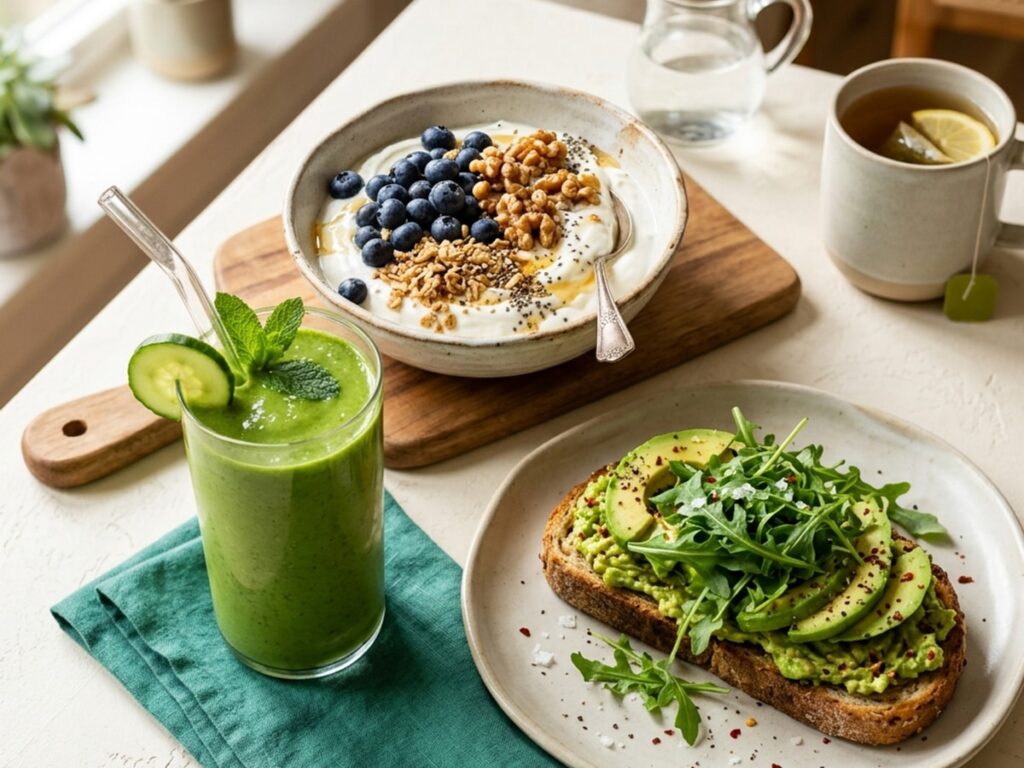
Hydrating Foods: Why You Should “Eat Your Water” for Cellular Energy
You are not just drinking water, you are absorbing it. Discover why "eating your water" through hydrating foods is the key to cellular energy.
You’ve probably been told for years that the secret to health is drinking eight glasses of water every day. But for many of us, all that water is simply passing straight through our systems. If you are struggling with dry skin, constant fatigue, and frequent trips to the bathroom despite drinking plenty of water, you don’t actually have a “water” problem. You have an absorption problem.
When we talk about hydrating foods, we are looking at something much deeper than just how much liquid you swallow. We are talking about the biology of how water actually gets inside your cells and stays there.
Most guides on hydration focus only on how “wet” a food is. While it’s true that a cucumber is mostly water, its true power comes from how that water is organized. This guide introduces the Cellular Hydration Protocol. You will learn why “eating your water” is actually more efficient than just drinking it. We will explore the “fourth phase” of water, why minerals are the secret key to hydration, and the top 15 foods that can finally solve your dehydration issues for good.
Quick Takeaways:
- Structured water, also called H3O2, is found naturally in living plants. It is easier for your body to use and stays in your cells longer than plain tap water.
- For water to actually enter your cells, it needs “keys” called electrolytes. These are minerals like sodium, potassium, and magnesium.
- Healthy fats act as a seal for your cell walls, which stops water from “leaking” out of your cells.
- Foods like cucumbers and watermelon provide a slow-release form of hydration because they contain fiber.
- A high-quality electrolyte supplement can help you stay hydrated during times of high stress or heavy exercise.
The Science of “Gel Water” (H3O2)
To understand why a piece of fruit can be more hydrating than a glass of plain water, we have to look at some fascinating science. Researchers have found that water changes its structure when it is near a “water-loving” surface, like the wall of a plant cell.
Why Tap Water Isn’t Always Enough
Most water we drink is H2O. However, the water found inside the cells of living plants is often in a different form called H3O2. This is a “gel-like” state, sometimes called “structured water” or “living water.” Because this water is more organized at a molecular level, it contains more energy.
When you drink plain tap water, your body has to spend energy to “restructure” that water so your cells can use it. But when you eat hydrating foods, that water is already in the right form. It is ready to go to work immediately. Think of it like the difference between buying a pile of raw wood and buying a pre-built shed. The fruit provides the “pre-built” hydration your cells need.
Getting Water Into the Cell vs. Around the Cell
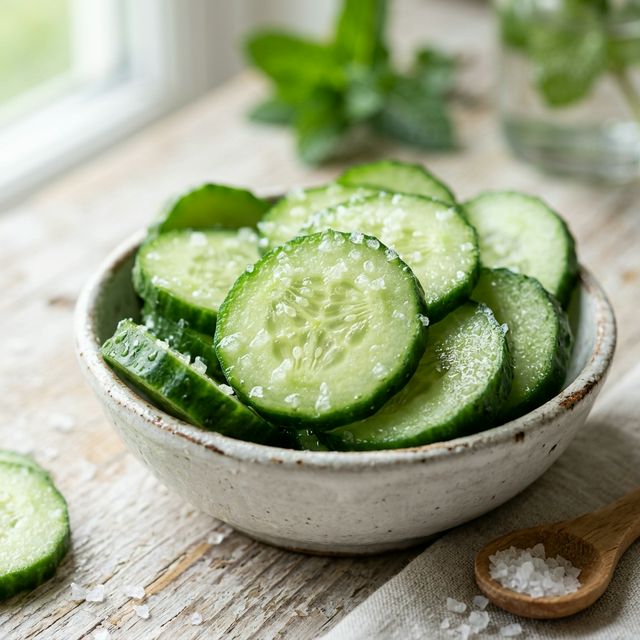
Have you ever noticed your ankles swelling or your face looking “puffy” even when you feel thirsty? This is a sign that water is sitting around your cells but cannot get inside them.
For true energy, you need water inside the cells. This process is controlled by tiny “pumps” in your cell walls. Minerals act as the signals that tell these pumps to open up and let the water in. This is why a cucumber, which has both water and the right minerals, is often more effective than just drinking a glass of water.
Top 15 Hydrating Foods (Ranked by Water and Minerals)
If you want to fix your hydration from the inside out, make these fifteen foods a regular part of your diet.
1. Cucumbers (96% Water)
Cucumbers are the absolute gold standard for hydration. They contain a mineral called silica, which is essential for healthy, glowing skin. They provide deep hydration without raising your blood sugar, making them perfect for a low glycemic index lifestyle.
2. Watermelon (92% Water)
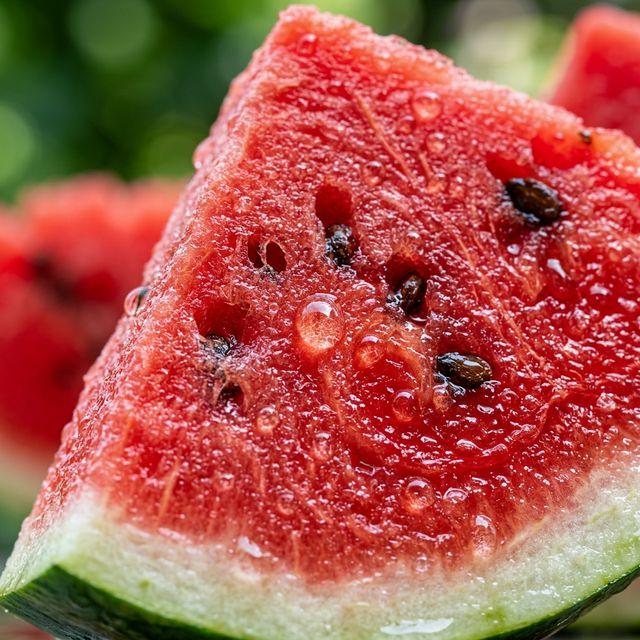
Watermelon is more than just a summer treat. It contains lycopene and citrulline. Citrulline is an amino acid that helps move blood through your body more easily, which helps carry that hydration to every part of your system.
3. Celery (95% Water)
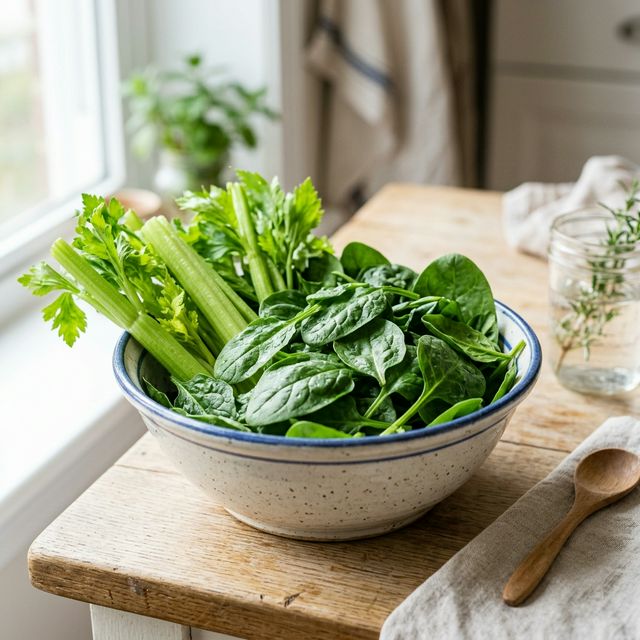
Celery is often called “crunchy water.” But it’s actually a great source of natural sodium and potassium. It works like a natural sports drink, delivering electrolytes directly to your cells.
4. Strawberries (91% Water)
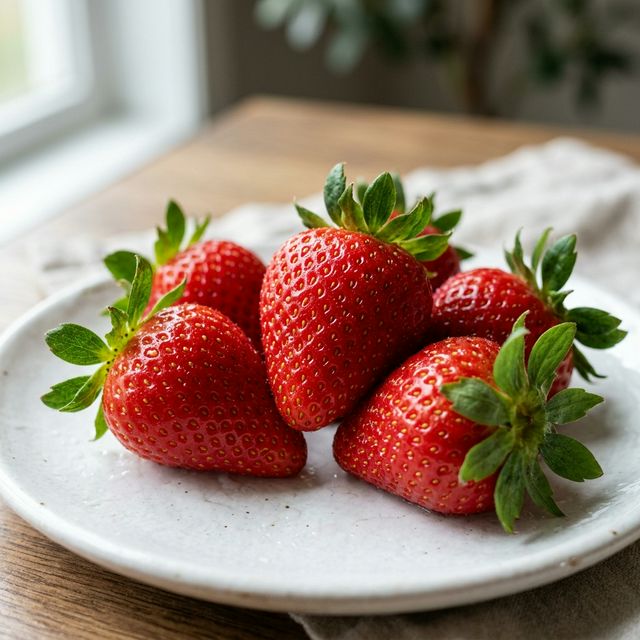
Strawberries give you water along with fiber and Vitamin C. The fiber helps the water release slowly into your system, so you stay hydrated for a longer period of time.
5. Lettuce (96% Water)
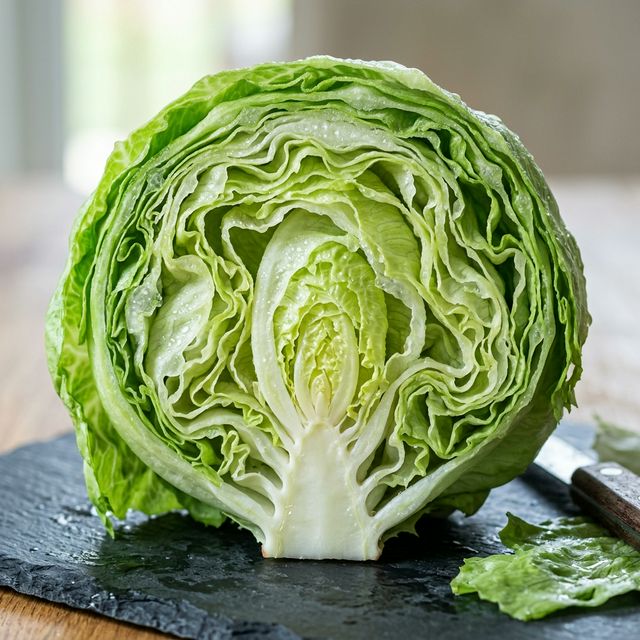
Standard lettuces like iceberg have a very high water content. They are excellent for a quick burst of hydration on a hot day.
6. Zucchini (94% Water)
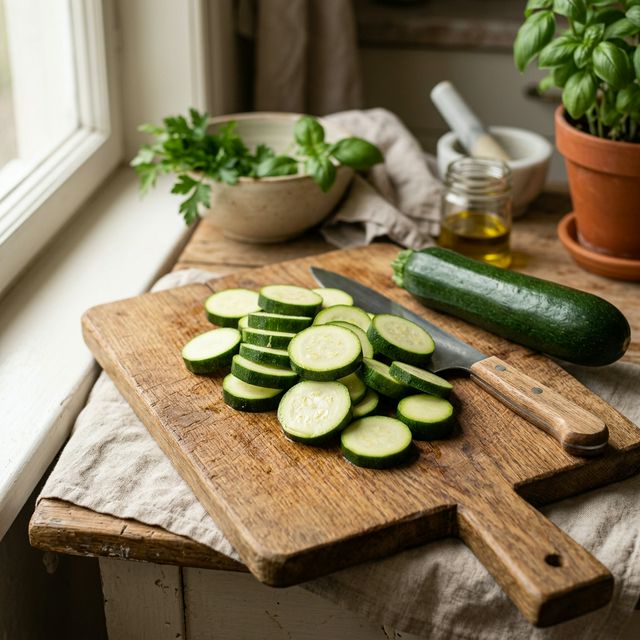
Zucchini is a very efficient hydrator. Whether you eat it raw or lightly cooked, its structure holds onto water and releases it slowly as you digest it.
7. Bell Peppers (93% Water)

Beyond the water they provide, bell peppers are packed with Vitamin C. When you combine Vitamin C with good hydration, your body can build stronger, healthier skin.
8. Cauliflower (92% Water)
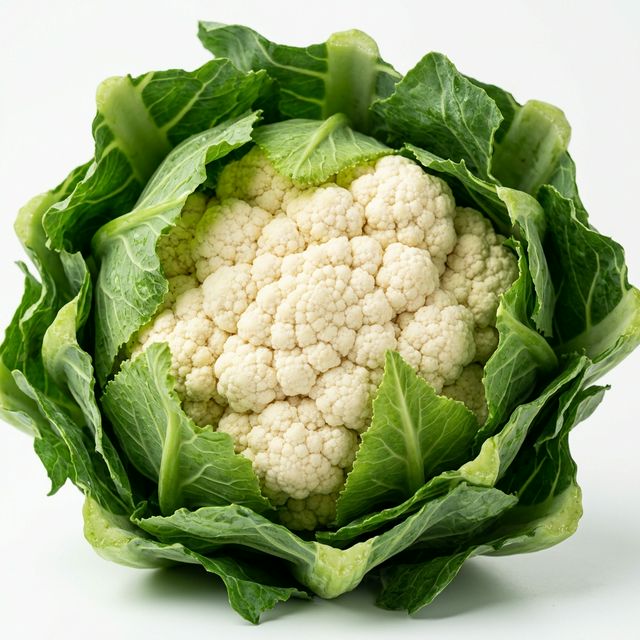
Most people are surprised to find out how much water is in cauliflower. It’s a great choice for anyone trying to stay hydrated while following a low GI or low-carb diet.
9. Cabbage (92% Water)
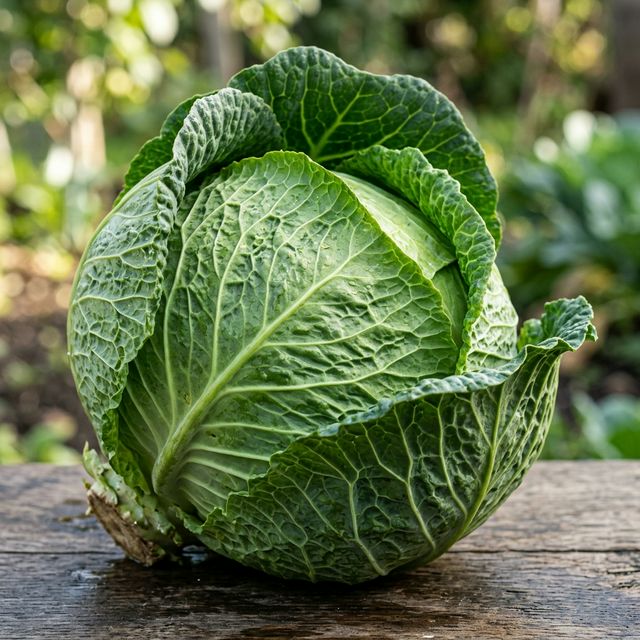
Cabbage is great for your gut health. Its high water content and minerals make it a solid hydrator. When you eat fermented foods like sauerkraut, you also get probiotics that help your gut absorb water more effectively.
10. Grapefruit (88% Water)
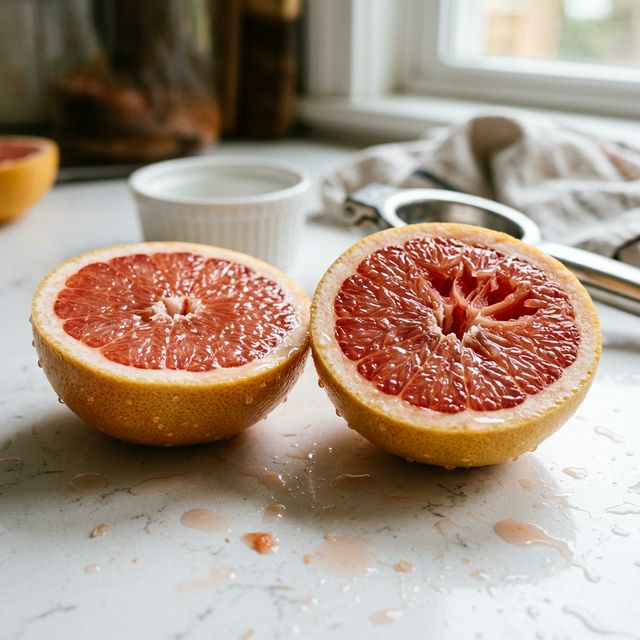
Grapefruit is excellent for your metabolism. It contains special nutrients that help the liver work better, while the water and potassium keep your cells happy and hydrated.
11. Spinach (91% Water)
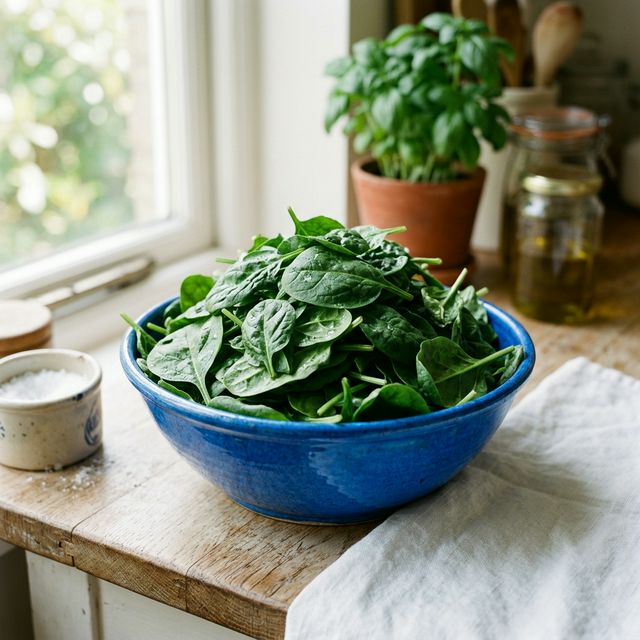
Spinach provides a lot of water along with magnesium. Magnesium is the “master mineral” that helps your cells hold an electrical charge. This charge is what allows them to grip onto water. It’s a great food to pair with iron rich foods.
12. Tomatoes (94% Water)
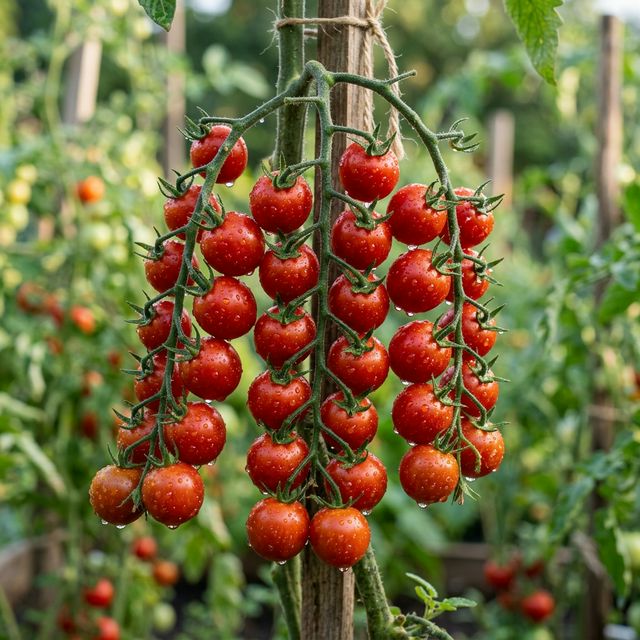
The jelly-like part around tomato seeds is a perfect example of “gel water” in nature. Tomatoes offer deep hydration that your body can use very easily.
13. Radishes (95% Water)
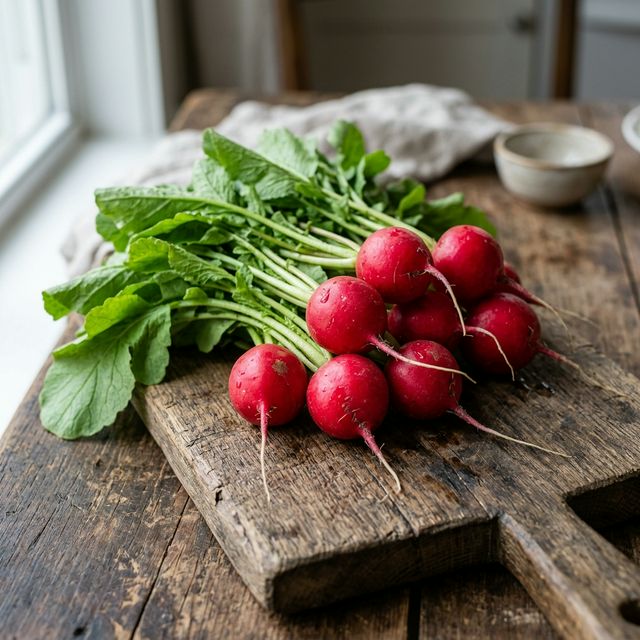
Radishes are naturally cooling. In traditional medicine, they are used to clear “heat” or inflammation from the body. This is important because inflammation often dries out your cells.
14. Cantaloupe (90% Water)
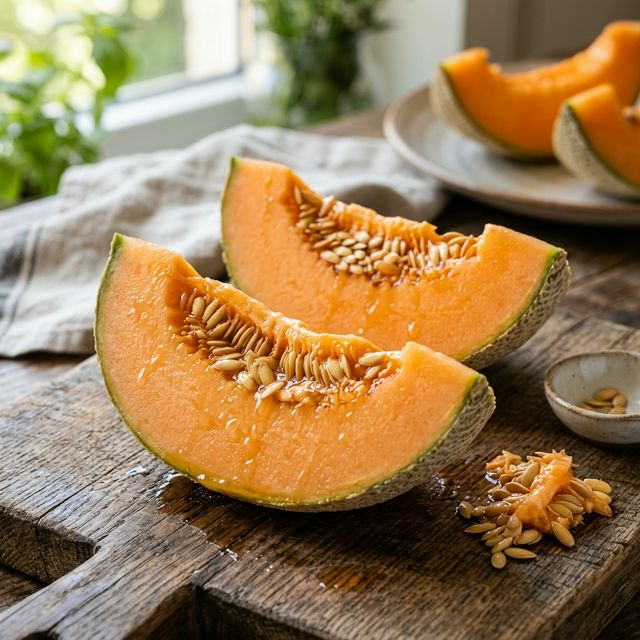
This melon is very high in Vitamin A and potassium. Potassium is the main mineral that lives inside your cells. This makes cantaloupe a key food for getting water into the cell where it’s needed most.
15. Coconut Water (95% Water)

Coconut water is the juice of a living seed. Its balance of minerals is actually very similar to human blood. This makes it one of the most natural and effective ways to hydrate in existence.
The Hydration Team: Water, Minerals, and Fats
Eating the right foods is just the start. To make sure that water stays in your body, you need two other important things.
Why Salt is Actually Good for Hydration
We have been told for years to avoid salt. But salt (sodium) is what keeps water in your blood. If your sodium levels are too low, your body can’t hold onto water, and it will just pass right through you. Using a high-quality sea salt gives you the trace minerals your cells need to “grip” onto the water you drink.
The Role of Magnesium and Potassium
Think of potassium as the force that pulls water into the cell, while sodium holds it in the blood. This balance is what stops you from feeling “bloated” or puffy. If you often feel puffy, you might need more potassium from the foods listed above.
3 Simple Ways to “Eat Your Water”
Our team uses these three simple habits to stay hydrated all day long.
Habit 1: The Morning Hydration Bowl
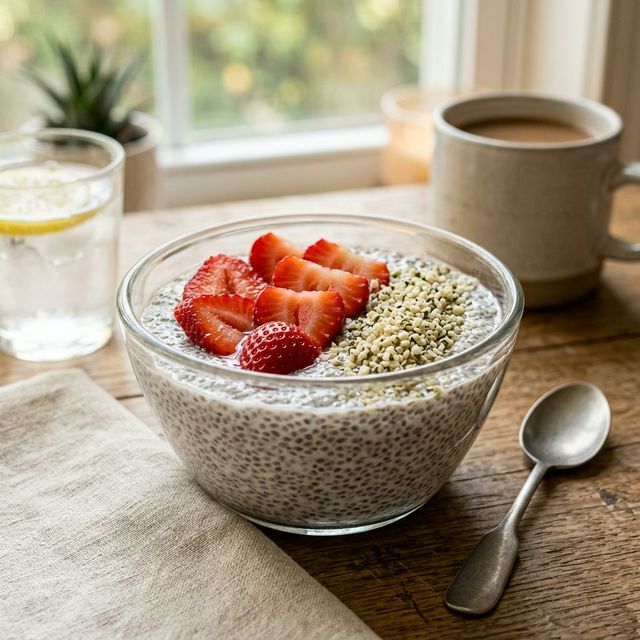
Start your day with chia seeds. These tiny seeds can hold up to 12 times their weight in water. This creates a slow-release hydration gel in your stomach. Try them with strawberries and hemp seeds for a great plant based protein boost.
Habit 2: Add a Pinch of Salt to Veggies
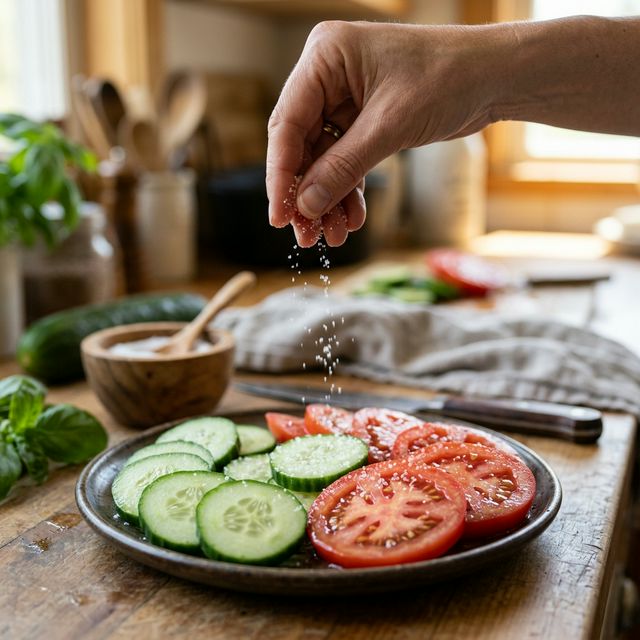
Whenever you eat hydrating vegetables like cucumber or celery, add a tiny pinch of sea salt. This helps the water in the vegetables move through your gut and into your blood much more easily.
Habit 3: Make a Structured Water Infusion
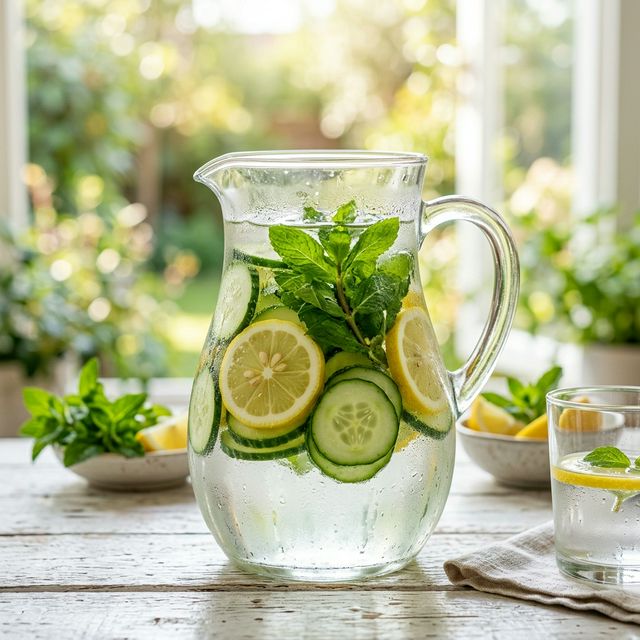
Instead of plain water at night, try an infusion. Add slices of cucumber, lemon, and some mint to a pitcher of water. Let it sit for about 30 minutes. The nutrients from the plants help “reorganize” the water molecules before you drink them, making the water much better for your cells.
Frequently Asked Questions
What are the most hydrating foods?
Cucumbers, watermelon, celery, and strawberries have the highest water content. For deep cellular hydration, coconut water and chia seeds are also excellent because they provide the minerals your cells need to absorb the water.
Can I get enough water just from eating food?
Food can provide about 20% to 30% of your daily water needs. While you still need to drink liquids, eating hydrating foods means you won’t have to drink as much plain water to stay perfectly hydrated.
Why am I still thirsty even after drinking a lot of water?
This usually happens when your body is low on minerals like magnesium and potassium. Without these minerals, your body can’t “hold” the water, so it just ends up in the toilet. Eating hydrating foods or adding a little sea salt to your diet can solve this problem.
Is coffee going to dehydrate me?
Coffee can make you go to the bathroom more often, but the water in the coffee usually makes up for it. However, coffee doesn’t have the “structured water” or minerals that your body needs to stay hydrated at a cellular level. It’s a good idea to eat some cucumber or an orange if you drink a lot of coffee.
The Bottom Line
Hydration is not just about how much water you drink. It’s about how much water your cells actually absorb. Your body is a biological masterpiece that works best when it gets “gel water” from living plants. By eating more hydrating foods, you give your body the water and the minerals it needs to keep your energy high and your skin glowing.
Stop just drinking your water. Start eating it instead.
Want to see how we use these foods in a daily plan? Our Anti-Inflammatory Meal Prep guide shows you exactly how to set up your kitchen for a healthy, hydrated week.
For the days when you need an extra boost, we trust Thorne Catalyte. It gives your body the exact mineral balance it needs to make sure the water you drink actually reaches your cells.
The information on this site is for education only and is not medical advice. Always talk to a doctor before making big changes to your diet, especially if you are pregnant or have a health condition.

About Jane Smith
We turn solid evidence into everyday habits Americans can actually do—plain English, cups/oz, grocery-aisle swaps, and routines that fit real life. Our editorial process: Experience—we road-test tips in real schedules…