Anti-Inflammatory Diet for Weight Loss: 7-Day Starter Plan
Eating better but still stuck? This guide explains how an anti-inflammatory diet for weight loss actually works, what to eat, what to cut first, and a simple 7-day starter plan that fits real life.
- Can an Anti-Inflammatory Diet for Weight Loss Really Work?
- Why "Eating Healthy" Still Fails for Weight Loss
- The Anti-Inflammatory Fat-Loss Plate
- Best Foods to Eat More Often on an Anti-Inflammatory Diet for Weight Loss
- Foods to Avoid First If Your Goal Is Fat Loss and Lower Inflammation
- Your 7-Day Anti-Inflammatory Diet for Weight Loss Starter Plan
- A Simple Grocery List for Anti-Inflammatory Weight Loss
- Is the Mediterranean Diet the Best Anti-Inflammatory Diet for Weight Loss?
- How Long Does It Take to Lose Weight on an Anti-Inflammatory Diet?
- Frequently Asked Questions
- The Bottom Line
You’ve cleaned up your meals, bought the “healthy” groceries, and maybe even started making smoothies. So why does the scale still feel glued in place?
That is exactly why people start searching for an anti-inflammatory diet for weight loss. You are not imagining the pattern. A lot of people eat better and still feel puffy, hungry, and weirdly stuck. I have seen this happen when meals look healthy on the surface but still do not do the two things that matter most: keep you full and lower the food triggers that keep inflammation and belly fat feeding each other.
Here’s what changes things in real life. You stop chasing random healthy foods and start building meals with a system. In this guide, you’ll learn how inflammation affects fat loss, why some “clean eating” meals still backfire, and how to use a simple 7-day starter plan that is realistic enough to follow on a normal week.
Quick Takeaways
- Yes, an anti-inflammatory diet can support weight loss, but it works through satiety, steadier energy, and lower inflammatory load rather than diet magic
- Chronic inflammation and excess belly fat can reinforce each other, which is one reason fat loss sometimes feels harder than it should
- The easiest way to make this work is to build meals around Protein Anchor + Fiber Volume + Color + Smart Fat
- You do not need to count every calorie to get traction, but you do need a repeatable structure
- A 7-day anti-inflammatory diet for weight loss is often enough to reduce puffiness, improve appetite control, and make the next few weeks much easier
Can an Anti-Inflammatory Diet for Weight Loss Really Work?

Yes. But not in the way most internet articles make it sound.
An anti-inflammatory diet for weight loss works because it changes the kind of foods that usually make fat loss harder to sustain. Ultra-processed foods tend to be easy to overeat, low in fiber, and built around refined carbs, added sugars, and industrial oils. That combination affects more than calories. It affects your hunger, your energy, and how hard the rest of the day feels.
Researchers have been mapping this connection for years. A review published through the National Institutes of Health found that obesity is closely tied to chronic low-grade inflammation, and that inflammatory pathways can worsen insulin resistance and broader metabolic dysfunction. So what does that mean for you practically? It means your body is not just storing energy. It is responding to a whole environment of signals.
There is also a belly-fat piece that a lot of articles skip. A review published through the NIH on visceral adiposity and inflammation described abdominal fat as metabolically active tissue that releases inflammatory cytokines. In other words, excess belly fat can help drive inflammation, and inflammation can make it easier to stay stuck in the same pattern.
That is why aggressive restriction often falls apart. It may lower calories for a week or two, but it usually does not improve fullness, cravings, or food quality enough to last. When I have tightened up my own meals after a stretch of convenience eating, the first change has never been dramatic fat loss. It has been that calmer feeling between meals. And that is usually the first sign the system is working.
If you want the longer version after this starter guide, our anti-inflammatory meal plan expands the idea into a full progression.
Why “Eating Healthy” Still Fails for Weight Loss
“Healthy” sounds useful until you realize it can mean almost anything.
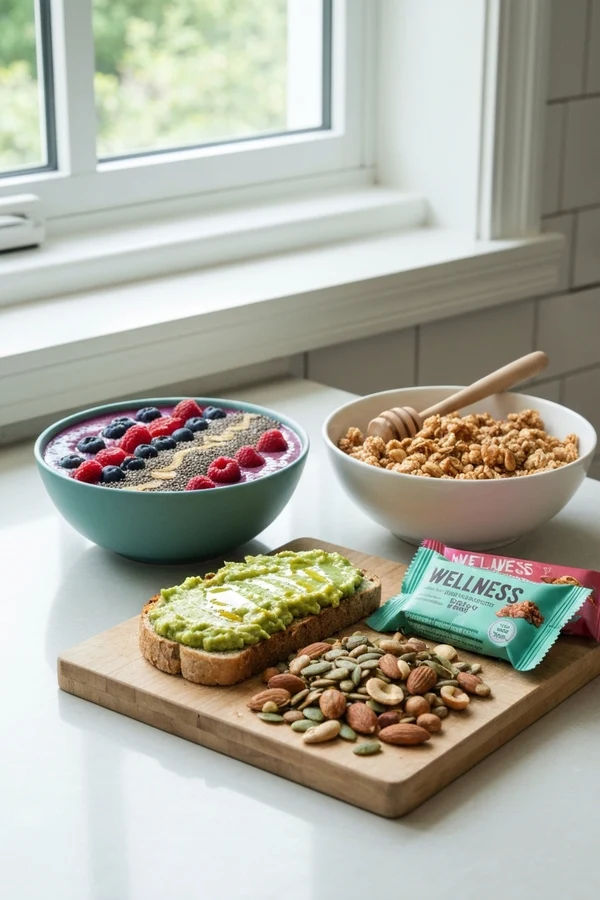
This is where a lot of people get frustrated. They are not eating fast food three times a day. They are eating avocado toast, smoothie bowls, trail mix, wraps, granola, and protein bars. Those foods can all fit in a healthy diet. But if the meal is low in protein, light on fiber, or built around sugar and hidden oils, it may still leave you raiding the pantry two hours later. Sound familiar?
The first mistake is too much healthy fat without enough protein. Avocado, nut butter, nuts, seeds, and olive oil are all useful foods. But they do not automatically create a satisfying meal. If breakfast is toast, avocado, and coffee, it can still leave you underfed in the exact way that leads to mid-morning snacking.
The second mistake is trusting wellness packaging. Smoothies can be great. They can also be liquid desserts. Granola can be fiber-rich. It can also be sweetened oats glued together with syrup and seed oils. A lot of foods marketed as clean are still easy to overeat and terrible at keeping you full.
The third mistake is having no weekday system. Most people do not fall apart on Saturday afternoon. They fall apart on a rushed Tuesday morning or a Thursday night when there is no plan and they are too tired to think. That is why meal defaults matter so much.
If mornings are where things usually unravel, our anti-inflammatory breakfasts guide is the best place to tighten up your routine first. You do not need more food ideas. You need fewer decisions.
The Anti-Inflammatory Fat-Loss Plate
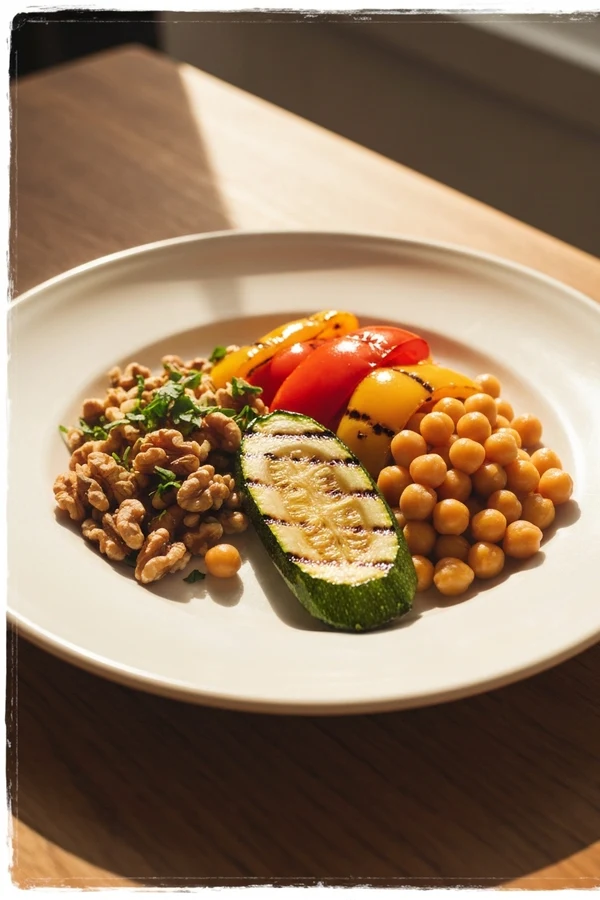
If you remember one thing from this article, let it be this: most of your meals should pass a simple four-part check.
I call it the Anti-Inflammatory Fat-Loss Plate. It is not a rigid program. It is a quick way to tell whether your meal is likely to help with fat loss or quietly make the day harder.
1. Protein Anchor
Start with protein. Most main meals should land somewhere around 25 to 30 grams. That could come from salmon, sardines, eggs, Greek yogurt, chicken, tofu, cottage cheese, or lentils paired with another protein source.
Why does this matter so much? Because protein helps with fullness, supports lean mass, and usually makes later cravings much less dramatic. When I let protein slip at breakfast, I almost always feel it by late morning. When breakfast is solid, the rest of the day tends to stay quieter.
If breakfast is your weak point, this is one place where a supplement can actually be useful. I still prefer real food first. But if you know you are not going to cook eggs or prep yogurt every morning, BioTRUST is one of the more practical protein backups I have found for quick smoothies or rushed starts. It works better as a bridge than pretending coffee will hold you until lunch.
2. Fiber Volume
Half your plate should come from foods that create actual volume and stay with you. Vegetables, beans, lentils, berries, oats, and a modest serving of whole grains all count here.
A meta-analysis published on PubMed found that higher whole grain intake was associated with lower inflammatory markers including CRP and IL-6. That does not mean oats are magic. It means meals with intact fiber tend to support the exact kind of appetite control and lower-inflammatory eating pattern that is easier to repeat.
3. Color
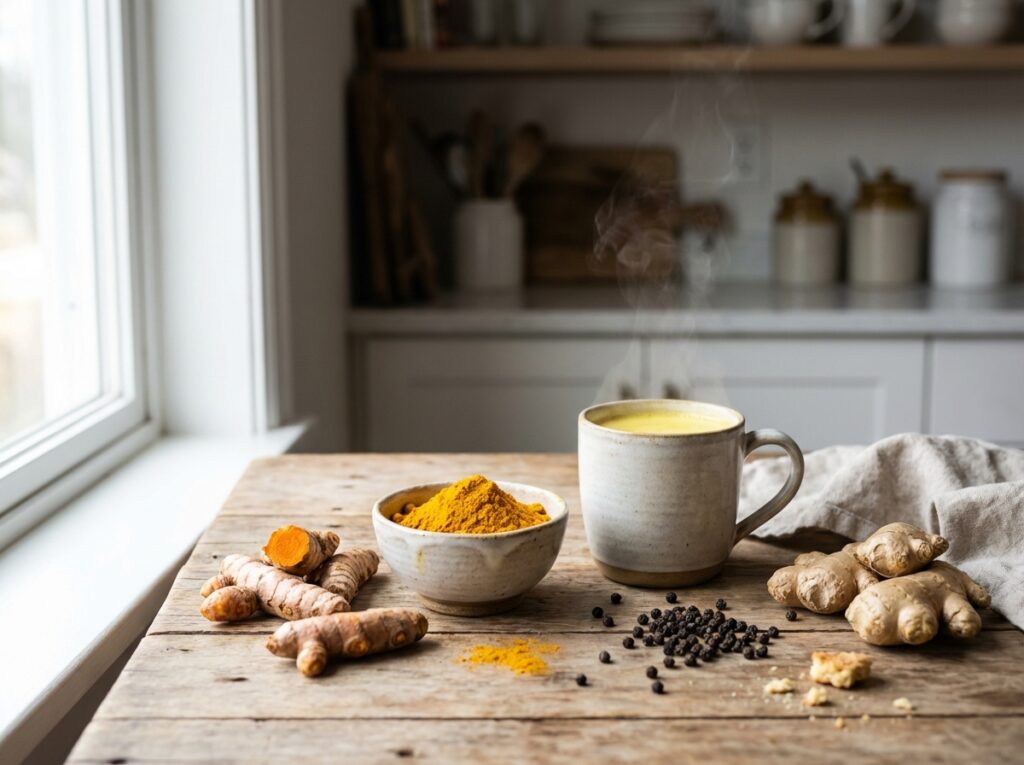
This is the part people usually think of first when they hear anti-inflammatory eating, and they are not wrong. Berries, leafy greens, broccoli, tomatoes, herbs, onions, garlic, turmeric, and ginger all bring useful polyphenols and antioxidant compounds to the plate.
Harvard Health’s guidance on foods that fight inflammation keeps coming back to the same pattern: more plants, more color, fewer heavily processed foods. That is not trendy advice. It is just what the evidence keeps pointing to.
4. Smart Fat
Healthy fats belong here, but they need to stay purposeful. Extra virgin olive oil, walnuts, chia, flax, and avocado improve meal quality and satiety. The trap is assuming “healthy fat” means unlimited.
A drizzle of olive oil over a salad helps the meal. A restaurant bowl swimming in sweet dressing is a different story. That distinction matters.
The 30-Second Plate Check
Before you eat, ask yourself:
- Do I have a real protein source here?
- Is there enough fiber to make this meal stick?
- Is at least one colorful anti-inflammatory food on the plate?
- Is the fat helping the meal, or making it too easy to overdo?
If you can answer yes to the first three and stay honest about the fourth, you are usually in good shape.
Best Foods to Eat More Often on an Anti-Inflammatory Diet for Weight Loss
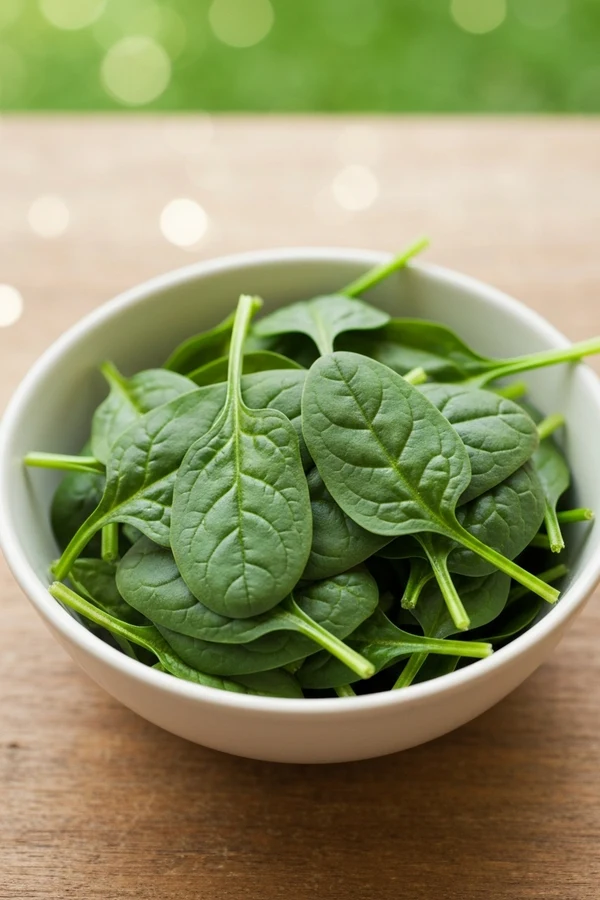
The easiest way to make this style of eating work is to stop obsessing over perfect foods and start thinking in terms of what each food does for you.
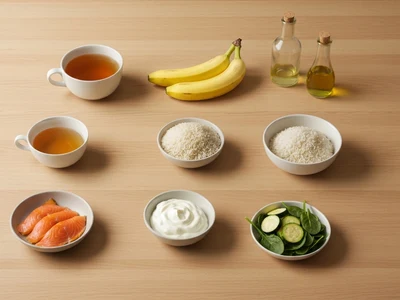
First, prioritize foods that improve fullness. Greek yogurt, eggs, salmon, lentils, chia, oats, tofu, cottage cheese, and beans all punch above their weight here. These are the foods that help a meal actually hold you for a few hours instead of leaving you hungry again almost immediately. This is one reason I keep coming back to simple meals like overnight oats with yogurt or a salmon grain bowl. They solve a problem.
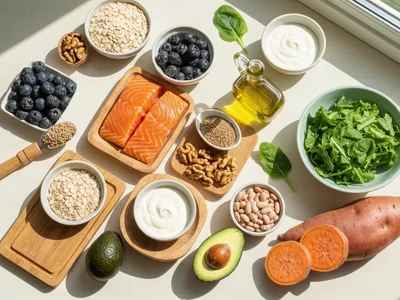
Second, lean hard on foods that support a lower-inflammatory pattern. Fatty fish, berries, extra virgin olive oil, leafy greens, broccoli, tomatoes, turmeric, ginger, garlic, and walnuts show up again and again in anti-inflammatory research. Not because they are glamorous. Because they are reliable.
Third, make room for foods that support gut health and help with that constant puffy feeling a lot of people mistake for pure body fat. Oats, beans, lentils, plain yogurt, kefir, garlic, onions, and fermented vegetables are useful here. A diet that improves digestion is easier to stay on because you actually feel the difference. For a deeper look at that side of the equation, our gut healthy foods guide is worth reading next.
And fourth, keep it realistic. Frozen berries, canned salmon, canned sardines, eggs, oats, lentils, plain yogurt, and frozen broccoli are not sexy foods. They are effective foods. They are also the ones I trust most on a busy week because they do not depend on motivation. If you want a broader list to rotate through, our full anti-inflammatory foods guide lays it out in more depth.
Foods to Avoid First If Your Goal Is Fat Loss and Lower Inflammation
You do not need to eliminate everything at once. But some foods deserve your attention first because they tend to drive hunger, inflammation, or both.
The first category is seed oils hiding inside foods that look healthy from the outside. Granola bars, bottled dressings, crackers, wraps, snack mixes, and many restaurant bowls are built around soybean, corn, canola, or sunflower oil. One small exposure is not the entire problem. The issue is how often these foods stack up across the day without you realizing it.
The second category is sugary drinks and calorie-heavy coffee habits. Coffee is not the enemy here. The problem is what often gets attached to it. Sweetened creamers, syrups, bottled drinks, and smoothie-shop blends can turn a light breakfast into a blood-sugar roller coaster before 10 a.m.
The third category is ultra-processed convenience food. Frozen diet meals, deli meats, chips, and a lot of “high-protein” snacks still combine refined carbs, poor-quality fats, and easy-to-overeat textures. Some of them are not terrible. But many of them are just processed snack foods in wellness branding.
Then there are the foods that are healthy but compact: nut butters, trail mix, dried fruit, granola, energy bites. I still eat some of these. I just try not to pretend they are impossible to overdo. That small mental shift matters.
If you want a clearer breakdown of the biggest offenders, our guide to foods that cause inflammation goes deeper. It is especially useful if your pantry has started collecting “healthy” products that do not actually make you feel good.
Your 7-Day Anti-Inflammatory Diet for Weight Loss Starter Plan
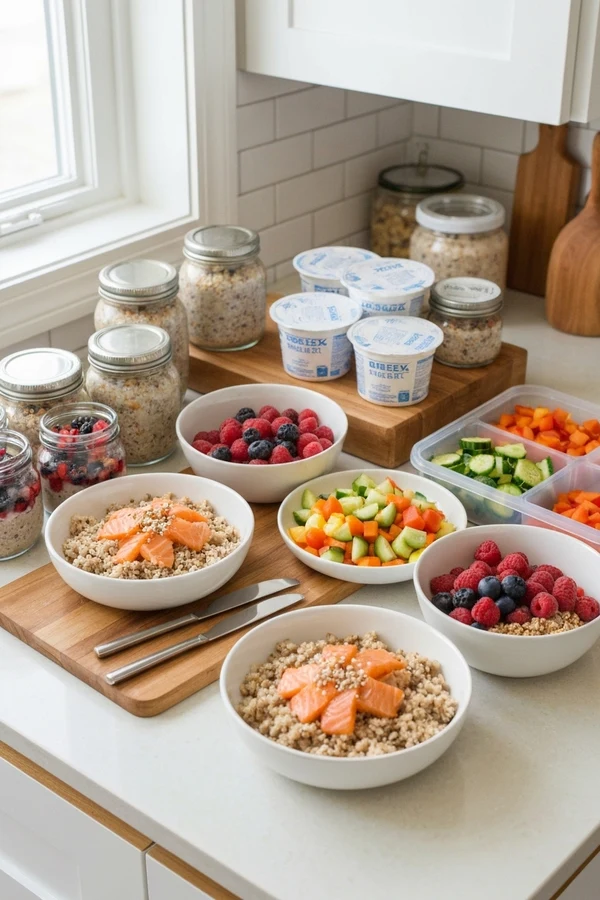
This part is about momentum, not perfection.
For the next 7 days, focus on building meals with the Fat-Loss Plate instead of trying to become a completely different person overnight. You do not need a cleanse. You do not need to count every calorie. You need seven days of meals that lower friction and make the next decision easier.
How to use this plan
- Repeat meals if that makes life easier
- Keep portions sensible, but do not turn the week into a math project
- Drink water normally, not aggressively
- Keep alcohol light for the week if you can
- Take a short walk after meals when it fits
7-Day starter plan
| Day | Breakfast | Lunch | Dinner | Snack |
|---|---|---|---|---|
| Day 1 | Greek yogurt, berries, chia, walnuts | Big salad with chicken, chickpeas, cucumber, EVOO + lemon | Salmon, broccoli, and roasted sweet potato | Apple + almond butter |
| Day 2 | Overnight oats with flax, blueberries, and a side of eggs | Lentil bowl with spinach, tomatoes, and olive oil | Turkey lettuce wraps with avocado and roasted carrots | Plain kefir |
| Day 3 | Protein smoothie: berries, spinach, protein powder, flax, unsweetened milk | Leftover salmon bowl with quinoa and greens | Chicken stir-fry with broccoli, mushrooms, and brown rice | Dark chocolate + walnuts |
| Day 4 | Turmeric eggs with sauteed spinach and whole grain toast | Tuna and white bean salad with arugula | Turkey chili with beans and a side salad | Greek yogurt |
| Day 5 | Oats with cinnamon, chia, and raspberries | Takeout survival bowl: grilled protein, greens, rice, salsa, avocado | Shrimp, zucchini, and quinoa with garlic and olive oil | Baby carrots + hummus |
| Day 6 | Cottage cheese or yogurt bowl with berries and pumpkin seeds | Leftover chili or lentil soup | Sheet-pan salmon, Brussels sprouts, and baby potatoes | Tart cherries |
| Day 7 | Avocado toast with eggs and tomato | Mediterranean plate: sardines or chicken, greens, cucumbers, olives, beans | Anti-inflammatory comfort meal: lentil pasta, turkey meatballs, sauteed spinach | Handful of nuts |
What each day is doing for you
Day 1 removes the obvious junk and gives you a quick win. Day 2 pushes fiber and steadier meals. Day 3 proves a smoothie can actually work if protein is high enough. Day 4 reminds you that plain food is often the most useful food. Day 5 is there because real life includes takeout. Day 6 gets your fridge back under control. Day 7 keeps the weekend from turning into an all-or-nothing event.
What to expect in the first week
Most people do not lose dramatic body fat in 7 days. That is not the point. The point is that the first week often gives you the changes that make real fat loss easier.
You may feel less puffy by Day 3 or 4. Afternoon cravings often calm down once breakfast and lunch contain enough protein and fiber. Digestion may feel more regular. And if your usual diet was heavy on packaged foods or restaurant meals, you may even notice a small scale drop from less water retention and bloat.
Those early wins count. They are usually what keep you going long enough to see the bigger changes show up. If you want to extend the system beyond one week, our anti-inflammatory meal plan is the most practical next step.
A Simple Grocery List for Anti-Inflammatory Weight Loss
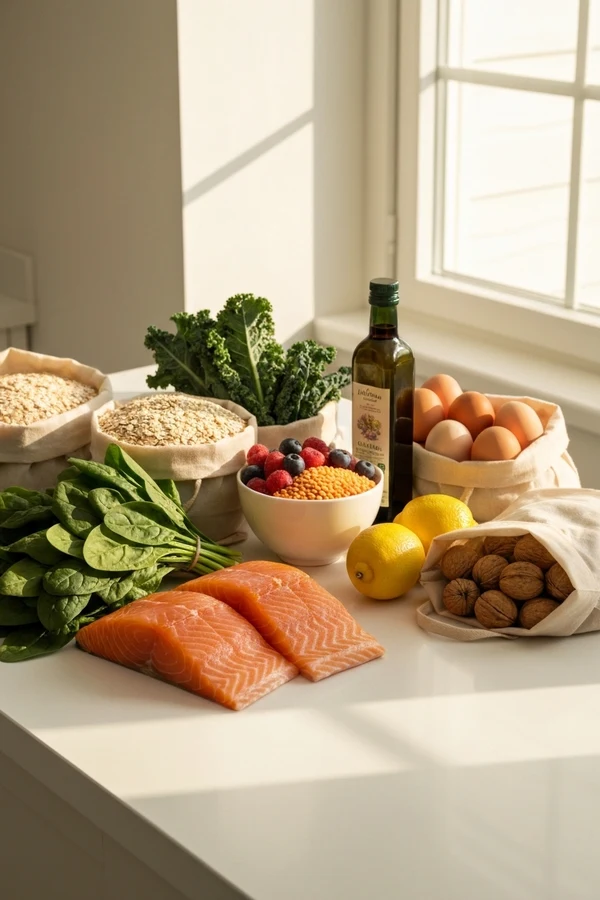
The best grocery list is the one that makes your next few meals obvious.
You do not need to shop like a wellness influencer. You just need enough ingredients to cover easy breakfasts, decent lunches, simple dinners, and one or two fallback snacks.
Protein staples
Eggs, plain Greek yogurt, plain kefir, canned wild salmon, sardines, chicken, tofu, lentils, canned beans, and frozen shrimp all work. Pick three or four for the week instead of trying to buy everything.
Produce staples
Spinach, kale, frozen berries, broccoli, cucumbers, tomatoes, bell peppers, onions, garlic, lemons, carrots, and one starchy vegetable such as sweet potatoes or baby potatoes will carry most meals further than you think.
Smart carbs and fiber staples
Rolled oats, quinoa, brown rice, lentils, beans, and whole grain bread or wraps cover most weekday needs. These foods are simple. That is exactly why they are useful.
Flavor and fat staples
Extra virgin olive oil, walnuts, chia, flax, turmeric, ginger, tahini, black pepper, mustard, and a low-sugar vinaigrette give you enough range to keep meals from feeling repetitive.
If you are rebuilding your pantry without wanting to overpay for every “clean” product, Thrive Market is one of the easiest ways I have found to stock basics like olive oil, oats, chia, canned salmon, lentils, and cleaner snacks in one order. It is especially helpful if your local grocery store turns anti-inflammatory eating into a premium hobby.
One rule that helps more than people expect: buy for three easy breakfasts, three easy lunches, and two emergency dinners before you buy anything aspirational.
Is the Mediterranean Diet the Best Anti-Inflammatory Diet for Weight Loss?
For most people, yes. It is the best place to start.
Mediterranean eating overlaps almost perfectly with anti-inflammatory eating: olive oil, fish, beans, vegetables, herbs, fruit, nuts, and fewer ultra-processed foods. It is also one of the most studied eating patterns in nutrition, which matters if you are tired of diet advice built on personality instead of evidence.
At the same time, “Mediterranean” is not automatically enough structure for weight loss. You can absolutely eat Mediterranean-style meals and still under-eat protein, overdo energy-dense foods, or rely too heavily on bread, hummus, oils, and restaurant meals. That is why I still like layering the Fat-Loss Plate on top of it.
In practice, that means keeping the Mediterranean foundation and tightening the build: make sure each meal still has a protein anchor, enough fiber, and the kind of portions that keep you satisfied without drifting.
That has been my experience with this pattern too. Mediterranean eating feels easier to stick with than most diets because it does not feel like punishment. But it works even better when each meal is built with more intention.
If you like that style of eating, our Mediterranean meal prep guide is the easiest way to turn it into a workweek system.
How Long Does It Take to Lose Weight on an Anti-Inflammatory Diet?

This is where people usually want a neat answer. Real life is messier than that.
In the first 7 days, the most common changes are not dramatic fat loss. They are less bloating, steadier energy, calmer digestion, and fewer cravings. Those shifts matter more than they sound like they should because they make consistency much easier.
By 2 to 4 weeks, the picture usually gets more interesting. Your meals start to feel more automatic. Appetite tends to calm down. Some people notice a smaller waist measurement or more stable morning weight. A 2024 meta-analysis on omega-3 intake and inflammatory markers found improvements in CRP, TNF-alpha, and IL-6 with consistent intake. That does not mean fish alone causes fat loss. It means the lower-inflammatory pattern is doing useful background work while your habits get more stable.
What happens after that depends on more than food. Sleep matters. Walking matters. Stress matters. Alcohol matters. Menopause, thyroid issues, diabetes, and medications can all change the timeline too. So if you have a health condition that affects weight regulation, it is smart to talk with your doctor rather than assuming this is only about willpower.
Frequently Asked Questions
Can an anti-inflammatory diet help you lose weight? Yes. An anti-inflammatory diet can support weight loss by improving meal quality, fullness, blood sugar stability, and consistency. It is not a magic shortcut, but it often makes fat loss easier because you are eating fewer foods that drive overeating and low-grade inflammation.
What is the fastest anti-inflammatory diet for weight loss? The fastest version is usually the simplest one: remove the biggest inflammatory triggers first, especially ultra-processed foods, sugary drinks, and seed-oil-heavy convenience foods. Then build meals around protein, fiber, colorful produce, and purposeful fats. Fast progress usually comes from cleaner repetition, not going extreme.
How long does it take to lose weight on an anti-inflammatory diet? Many people notice less puffiness and fewer cravings within a week. More meaningful body-composition changes usually take a few weeks of consistent meals, movement, and sleep. If inflammation and belly fat have been feeding each other for a long time, progress tends to come in layers, not overnight.
Is the Mediterranean diet the best anti-inflammatory diet for weight loss? For many people, yes. It is one of the strongest foundations because it emphasizes fish, beans, vegetables, olive oil, and fewer ultra-processed foods. The missing piece is often structure: enough protein, enough fiber, and enough repeatability for real life.
What foods should you avoid on an anti-inflammatory diet? Start with ultra-processed snacks, sugary drinks, refined carbs, deli meats, and packaged foods built around seed oils. Also keep an eye on foods with a healthy reputation that are still easy to overeat, such as granola, trail mix, and sweetened smoothie bowls.
Does losing weight reduce inflammation? Often, yes, especially if the weight lost includes visceral fat. Excess abdominal fat is metabolically active and linked with inflammatory cytokines. That is one reason fat loss and lower inflammation often improve together instead of acting like two separate goals.
The Bottom Line
An anti-inflammatory diet for weight loss works best when you stop treating it like a random list of superfoods and start treating it like a meal structure you can repeat without drama.
Build meals around a real protein source, enough fiber to stay full, colorful anti-inflammatory foods, and fats that support the meal instead of hijacking it. Remove the obvious triggers first. Run the 7-day starter plan. Then let consistency start doing the heavy lifting.
If you want one useful move today, fix tomorrow’s breakfast before the day gets busy. And if you want the longer system after this starter week, the anti-inflammatory meal plan and anti-inflammatory foods guide are the best next reads.
For readers who want extra support with omega-3 or curcumin coverage, Life Extension is the brand I would look at first rather than buying random supplements from a marketplace. It makes the most sense when your food quality is already improving and you want a more reliable backstop, not a shortcut.
The information on this site is for educational purposes only and is not intended as medical advice. Always consult a qualified healthcare provider before making any changes to your diet, exercise routine, or supplement use.

About Jane Smith
We turn solid evidence into everyday habits Americans can actually do—plain English, cups/oz, grocery-aisle swaps, and routines that fit real life. Our editorial process: Experience—we road-test tips in real schedules…