Probiotic vs Prebiotic: The ‘Seeds and Fertilizer’ Rule
If your probiotic has not done much, the missing piece may be prebiotic foods. This guide explains the difference and shows how to use both together in real life.
Disclaimer: I’m trained in traditional medicine in Vietnam, but I’m not currently practicing medicine or providing personal diagnosis or treatment advice through this website. I write from personal experience, ongoing research, and my own food-first wellness experiments. My work explores digestion, daily energy, traditional self-care, movement, breathwork, meditation, and simple habits that support everyday well-being. Everything I share here is educational and reflective, not medical advice. It should not replace diagnosis, treatment, or care from a licensed healthcare professional.
If you’ve spent any time in the wellness aisle of a grocery store, you’ve probably stared at those $50 bottles of probiotics and wondered if you’re missing out.
The wellness industry loves to throw around the words “probiotic” and “prebiotic” as if everyone automatically knows what they mean. The result? Millions of people are buying expensive supplements, swallowing them daily, and seeing absolutely zero improvement in their digestion.
But you don’t need a medical dictionary to understand how your microbiome works. In this guide, we’re going to break down the exact difference between probiotics and prebiotics using a simple “seeds and fertilizer” analogy. By the end, you’ll understand how to get both from your daily meals—without buying a single pill.
- Probiotics: Live “good” bacteria that add to your microbiome (The Seeds).
- Prebiotics: Non-digestible plant fibers that feed the good bacteria (The Fertilizer).
- The Golden Rule: If you don’t eat prebiotics, your probiotics will starve.
The Difference Made Simple: Seeds vs. Fertilizer
When it comes to improving your gut health from the ground up, the terminology can be overwhelming. Let’s simplify it by thinking of your stomach like a garden.
What is a Probiotic? (The Seeds)
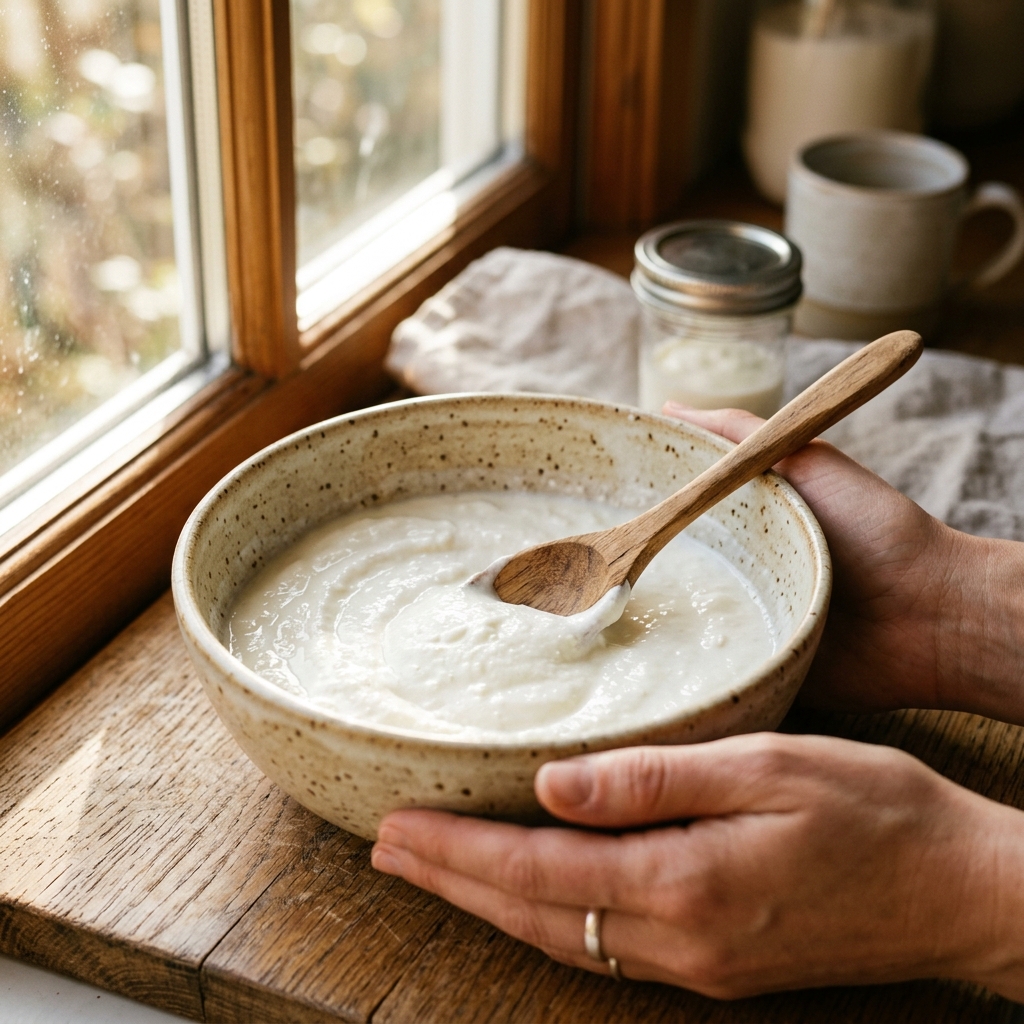
Probiotics are live, beneficial bacteria and yeasts that live in your body. When you consume them, you’re essentially introducing new “good guys” to your digestive tract. Think of probiotics as **The Seeds**. You’re trying to plant a thriving, diverse garden in your gut.
What is a Prebiotic? (The Fertilizer)
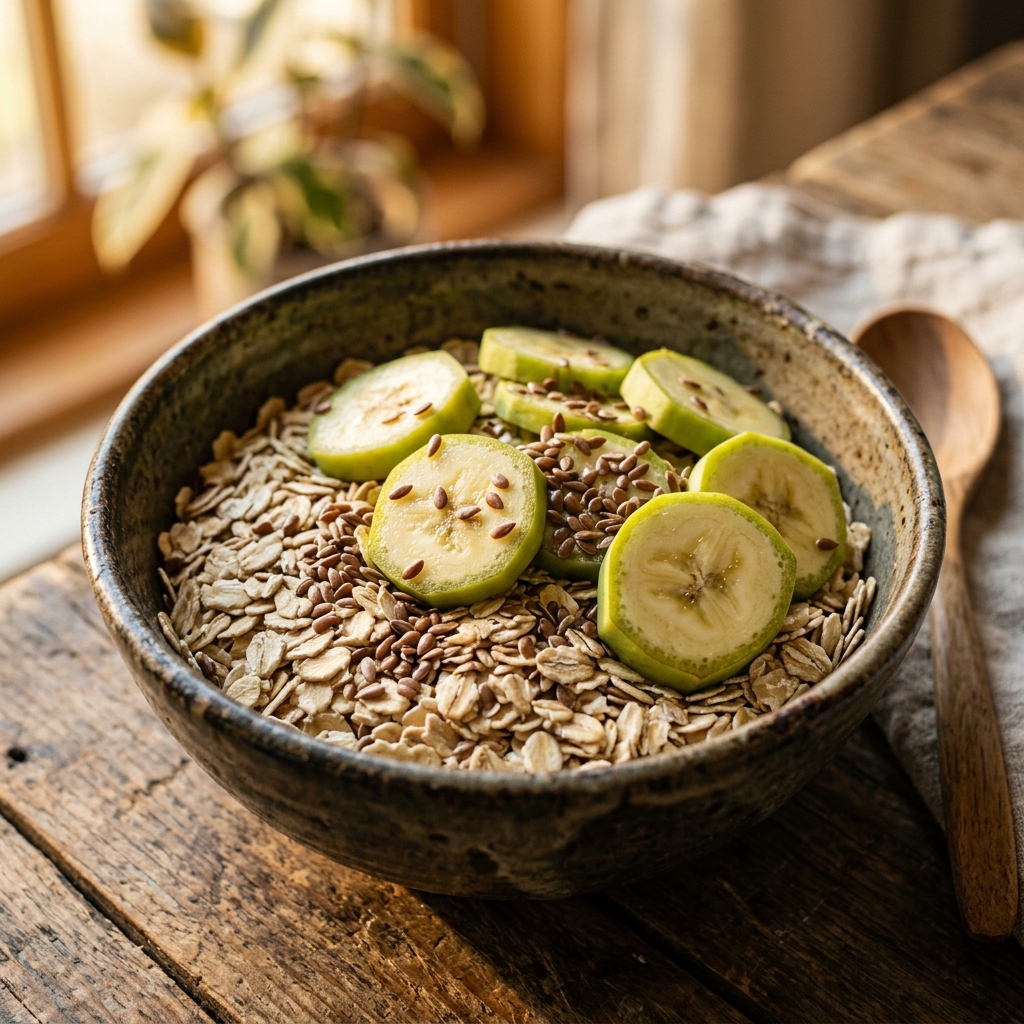
Prebiotics, on the other hand, aren’t bacteria at all. They’re types of non-digestible plant fibers that your body cannot break down. Because you can’t digest them, they pass into your lower digestive tract where they become the primary food source for your good bacteria. Think of prebiotics as **The Fertilizer and Water**.
What I noticed:
“I had a massive ‘Aha!’ moment a few years ago. I was spending a ridiculous amount of money on a high-CFU probiotic supplement, but my diet was essentially just white rice and meat. I was literally throwing expensive ‘seeds’ onto a dry, fiber-less concrete driveway and wondering why my ‘garden’ wasn’t growing. Once I started feeding the bacteria with real plant fiber, my bloating issues significantly improved.”
Why Your Probiotic Pill Isn’t Working
The biggest mistake people make is relying entirely on a supplement while completely ignoring their diet.
You’re Starving Your Good Bacteria
If you take a probiotic supplement but your diet is devoid of fiber, those expensive live bacteria will quickly starve and die off. They need fuel to colonize and thrive in your digestive tract. Here is more on why probiotic pills fail for bloating and which foods actually heal it.
What research says
A comprehensive review published by the National Center for Biotechnology Information (NCBI) highlights that prebiotics are absolutely critical for the survival, colonization, and metabolic activity of probiotics. Without the prebiotic fiber to sustain them, the probiotic bacteria simply pass through your system without providing any lasting benefits.
How to Get Both from Real Food (Zero Supplements Required)
Our food-first philosophy means you should look at your pantry before looking at a pharmacy. You can easily get both seeds and fertilizer from affordable, everyday whole foods.
Top Food Sources of Probiotics (The Seeds):
- Plain Yogurt (with active cultures)
- Kefir
- Raw Sauerkraut
- Kimchi
- Kombucha
*(See the food-first probiotic foods list with a gentle starter plan for more ideas.)*
Top Food Sources of Prebiotics (The Fertilizer):
- Oats
- Garlic and Onions
- Apples (especially the skin)
- Flaxseeds
- Slightly green bananas (see which banana ripeness stage gives the most prebiotic resistant starch)
For the broader picture, see the gentle high-fiber foods list to grow your prebiotic intake without bloating.
What is a “Synbiotic” Meal?
When you combine a probiotic and a prebiotic in the same meal, it’s called a “synbiotic” pairing. This ensures that the live bacteria are delivered to your gut alongside the exact food they need to survive.
**Easy Synbiotic Meal Examples:**
- Breakfast: Plain yogurt (probiotic) topped with chia seeds and sliced apples (prebiotics).
- Lunch: A salad with garlic dressing (prebiotic) and a side of raw sauerkraut (probiotic).
- Snack: A glass of kefir (probiotic) blended with a slightly green banana (prebiotic). *(Looking for more? See homemade synbiotic gut health drinks that pair probiotics and prebiotics.)*
Frequently Asked Questions
Can I take a prebiotic and a probiotic at the same time?
Yes, and it’s highly recommended. Consuming them together (a synbiotic approach) ensures the beneficial bacteria have an immediate food source to help them thrive in your digestive tract.
Which is better: a prebiotic or a probiotic?
Neither is “better”—they’re a team. However, if you already have a healthy, diverse microbiome, focusing on prebiotics (fiber) is often more important because it feeds the good bacteria you already possess.
Do prebiotics make you poop?
Yes. Because prebiotics are forms of dietary fiber, they add bulk to your stool and draw water into your intestines. This gently supports regular bowel movements. If you aren’t used to eating fiber, introduce it slowly to avoid temporary gas.
The Bottom Line
You can’t build a healthy garden by only planting seeds and never watering them. The exact same logic applies to your microbiome.
Before you buy another expensive probiotic supplement, ensure you’re actually feeding those bacteria with fiber-rich prebiotics. Try making just one “synbiotic” meal this week—like adding oats to your yogurt—and see how your body responds.
If you’re ready to start planning better meals, see the food-first foods for gut health strategy to stock your kitchen correctly.
Disclaimer: The information provided on EssentialWellnessAZ is for educational purposes only. It is not intended as a substitute for professional medical advice, diagnosis, or treatment.

About Mr. Anh
We turn solid evidence into everyday habits Americans can actually do—plain English, cups/oz, grocery-aisle swaps, and routines that fit real life. Our editorial process: Experience—we road-test tips in real schedules…