Anti-Inflammatory Smoothie Recipes: 10 Easy Blends That Actually Satisfy
If your smoothie keeps leaving you hungry, this guide shows how to build anti-inflammatory smoothie recipes that are fast, balanced, and actually satisfying.
- Why Anti-Inflammatory Smoothie Recipes Can Be Useful on Busy Days
- What Makes Anti-Inflammatory Smoothie Recipes Actually Work
- 10 Anti-Inflammatory Smoothie Recipes to Rotate This Week
- How to Build Your Own Anti-Inflammatory Smoothie Without Turning It Into Dessert
- The Biggest Smoothie Mistakes That Quietly Work Against You
- Frequently Asked Questions
- The Bottom Line
If your “healthy” smoothie keeps leaving you hungry, puffy, or reaching for snacks by 10 a.m., the problem usually is not smoothies. It is that most smoothies are built like dessert with a wellness label on them. That is exactly why so many people go looking for anti-inflammatory smoothie recipes. You want something fast, filling, and easy to repeat, but you also want it to support your body instead of making your mornings more chaotic.
In this guide, you will learn what actually makes a smoothie anti-inflammatory, which ingredients do the most work, and 10 simple smoothie recipes you can use for breakfast, a lighter lunch, or a post-workout reset.
Quick Takeaways:
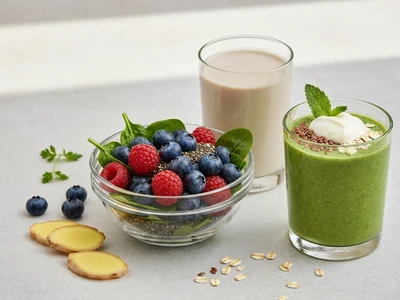
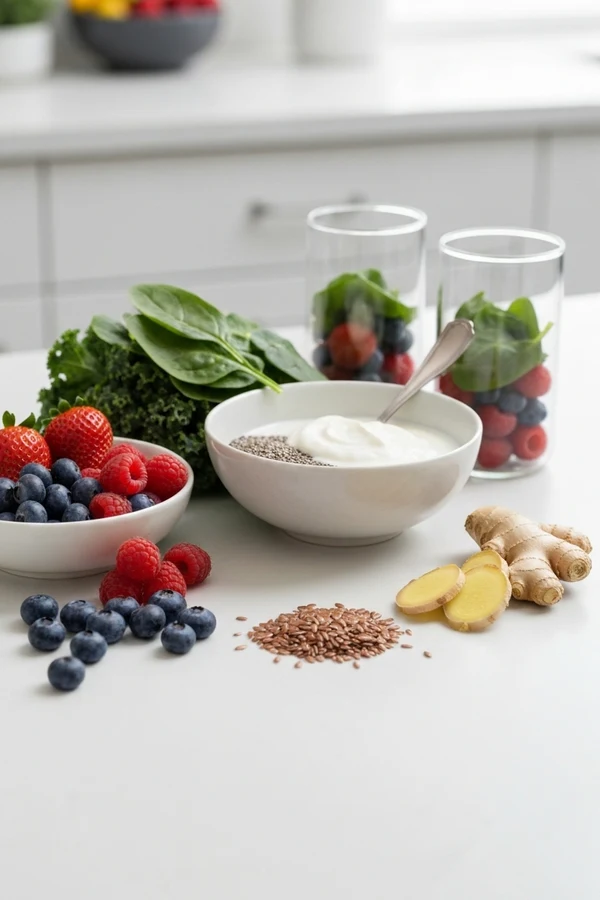
Anti-inflammatory smoothie recipes work best when they include protein, fiber, healthy fat, and whole-food plant ingredients instead of juice-heavy sugar bombsBerries, leafy greens, chia, flax, yogurt, kefir, avocado, oats, and unsweetened milk are some of the easiest ingredients to build around
A smoothie is not automatically anti-inflammatory just because it has spinach or turmeric in it
If smoothies leave you hungry, the fix is usually better structure, not more supplements
Why Anti-Inflammatory Smoothie Recipes Can Be Useful on Busy Days
Smoothies are not magic, but they can solve a real problem: you need something fast, and the default option is usually not helping.
For a lot of people, breakfast goes one of three ways. It gets skipped. It turns into coffee and a pastry. Or it becomes a smoothie that looks healthy on Instagram but is basically fruit, juice, and wishful thinking. None of those setups tend to keep energy steady for long.
That is why anti-inflammatory smoothie recipes can be genuinely helpful. They make it easier to build a meal around foods that already line up with a lower-inflammation pattern. Harvard Health’s updated anti-inflammatory foods guide highlights staples like leafy greens, nuts, olive oil, berries, and other fruits as part of a diet that may help reduce chronic inflammation. (Harvard Health)
There is also a broader food-quality angle here. A 2018 systematic review and meta-analysis published in the American Journal of Clinical Nutrition found that the majority of intervention studies reported beneficial effects of fruit and vegetable intake on at least one inflammatory biomarker. That does not mean every smoothie lowers inflammation. It means smoothies can be a practical delivery system for foods that fit an anti-inflammatory pattern when they are built well.
Personally, I think of smoothies as a convenience tool, not a wellness ritual. If a smoothie helps you get more berries, greens, seeds, and protein into a rushed morning, great. If it becomes an excuse to drink 500 calories of sweet fruit and call it balance, it stops helping.
What Makes Anti-Inflammatory Smoothie Recipes Actually Work
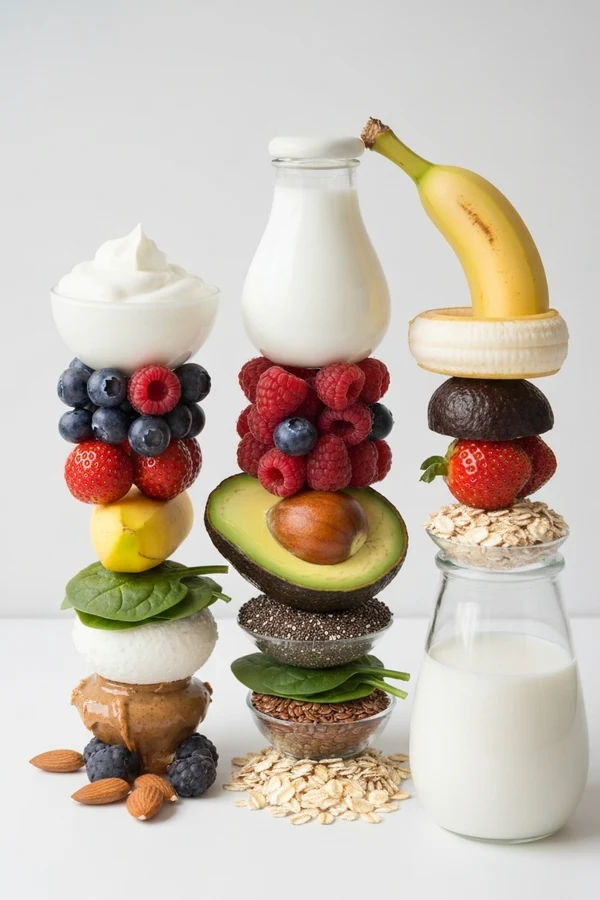
The best anti-inflammatory smoothie recipes all follow the same basic structure. Once you understand that structure, you do not need a brand-new recipe every day.
First, start with a protein anchor. This is what keeps a smoothie from turning into a liquid snack that disappears in an hour. Greek yogurt, kefir, cottage cheese, tofu, or an unsweetened protein powder can all work. If you tolerate dairy well, yogurt and kefir are especially practical. In the Framingham Offspring Study, yogurt intake was associated with lower levels of IL-6 and fibrin compared with no yogurt intake.
Second, use whole fruit instead of juice. Frozen berries are one of the easiest wins here because they bring fiber and polyphenols without making the smoothie overly sweet. Bananas are fine too, but they work better as part of the smoothie than as the entire base.
Third, add fiber and healthy fat. This is where chia, ground flaxseed, walnuts, almond butter, hemp seeds, avocado, and oats do the heavy lifting. They help slow digestion, improve staying power, and make the smoothie feel like a real meal.
Fourth, use greens or anti-inflammatory add-ins strategically. Spinach is the easiest green because it blends smoothly. Kale works, but the taste is stronger. Ginger, cinnamon, cocoa powder, and turmeric can all make sense in the right recipe, but they are add-ons, not substitutes for a better base.
And finally, keep added sugar low. Honey, dates, maple syrup, fruit juice, sweetened yogurt, and flavored plant milks can take a decent smoothie and push it straight into dessert territory. If your smoothie tastes like a milkshake every morning, it is probably not built to support stable energy.
If you are still dialing in the basics of this way of eating, our anti-inflammatory foods guide is the best companion read after this.
10 Anti-Inflammatory Smoothie Recipes to Rotate This Week
You do not need ten different grocery hauls to make these. Most of them work from the same core staples: frozen berries, spinach, chia, flax, yogurt or kefir, avocado, oats, and unsweetened milk.
1. Berry Flax Greek Yogurt Smoothie
Blend plain Greek yogurt, frozen blueberries, frozen raspberries, ground flaxseed, spinach, and unsweetened almond milk. This is one of the easiest anti-inflammatory smoothie recipes because it checks every box without getting complicated. It is especially good for breakfast if you want something cold but still filling.
2. Cherry Ginger Recovery Smoothie
Use frozen cherries, plain kefir, half a banana, fresh ginger, chia seeds, and a handful of spinach. This one works well after harder workouts or on days when your body just feels a little beat up. The cherry-ginger combo also tastes better than it sounds.
3. Green Avocado Protein Smoothie
Blend spinach, avocado, plain yogurt or protein powder, frozen pineapple, cucumber, and unsweetened coconut water or milk. The avocado makes it creamy without needing ice cream energy. If you usually get hungry fast after smoothies, this is a better fit than a fruit-only blend.
4. Turmeric Mango Kefir Smoothie
Blend plain kefir, frozen mango, carrots, turmeric, black pepper, chia seeds, and ice. Turmeric should not be the star of the recipe, but it works well here because the smoothie already has protein and fiber behind it. This is a good option if you want a brighter flavor than berry smoothies.
5. Strawberry Chia Oat Smoothie
Use frozen strawberries, rolled oats, chia seeds, plain Greek yogurt, cinnamon, and unsweetened milk. This one is ideal if you want a smoothie that feels closer to breakfast than a snack. The oats make a bigger difference for fullness than most people expect.
If you want one easy place to restock things like chia, oats, flax, frozen fruit, and unsweetened pantry basics, Thrive Market has been one of the simplest options I have found for that.
6. Pineapple Spinach Gut-Friendly Smoothie
Blend kefir, frozen pineapple, spinach, cucumber, mint, and a spoonful of ground flaxseed. This one is lighter and more refreshing than the yogurt-based blends, so it works well on warmer days. If bloating is part of why you are searching, also read how to reduce gut inflammation quickly after this.
7. Beet Berry Smoothie
Use cooked beets, frozen mixed berries, plain yogurt, ginger, lemon juice, and hemp seeds. The color is strong, but the flavor is much more balanced than people expect. It is a good option when you want variety without drifting into random superfood territory.
8. Cacao Walnut Cinnamon Smoothie
Blend unsweetened cocoa powder, frozen banana, walnuts, plain Greek yogurt, cinnamon, spinach, and unsweetened milk. This is the smoothie for people who are bored of greens and berries but still want something nutrient-dense. Keep the banana to one small serving so it does not turn overly sweet.
9. Apple Cinnamon Oat Smoothie
Use chopped apple, rolled oats, Greek yogurt, cinnamon, flaxseed, spinach, and ice. It tastes a little like a drinkable breakfast bowl, which is exactly why it works. This is one of the most realistic anti-inflammatory smoothie recipes for fall or cooler mornings.
10. Simple Blueberry Almond Smoothie
Blend frozen blueberries, almond butter, plain kefir or yogurt, spinach, chia, and unsweetened milk. If you want one default smoothie to keep on repeat, this is the one I would start with. It is fast, balanced, and hard to mess up.
On weeks when fresh greens keep going bad in the fridge, Organifi Green Juice is one of the few shortcuts I think makes practical sense for smoothies. I still prefer real greens first, but it is a convenient backup when life gets busy.
If you want to turn these blends into a fuller morning system, our anti-inflammatory breakfasts guide is the natural next read.
How to Build Your Own Anti-Inflammatory Smoothie Without Turning It Into Dessert
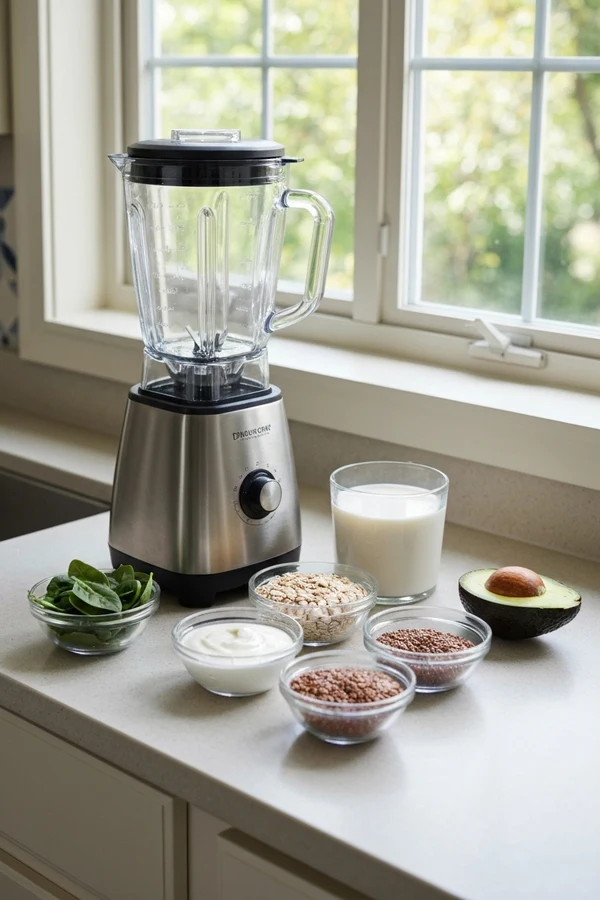
Once you know the formula, building your own smoothie is easier than hunting for another recipe list.
- Pick one protein base. Use Greek yogurt, kefir, cottage cheese, tofu, or a simple unsweetened protein powder. If there is no real protein source, the smoothie probably will not hold you for long.
- Choose one to two fruits, not five. Berries, cherries, mango, pineapple, and apple all work well. The goal is flavor and fiber, not a blender full of sugar.
- Add one handful of greens or vegetables. Spinach is easiest. Cucumber, zucchini, cooked beets, or even cauliflower rice can work too if you want a milder flavor.
- Add one fat or fiber booster. Chia, ground flax, hemp seeds, avocado, oats, or nut butter all help. This is usually the difference between a smoothie that satisfies you and one that does not.
- Keep the liquid simple. Use water, unsweetened almond milk, kefir, or plain dairy milk depending on the recipe. Fruit juice is where many “healthy” smoothies quietly go off the rails.
That is the formula I come back to over and over: protein, produce, fiber, and a sensible liquid. It is simple on purpose. You do not need a shelf full of powders to make anti-inflammatory smoothie recipes work.
If weight loss is part of the bigger picture for you, this same structure overlaps well with our anti-inflammatory diet for weight loss guide. And if your grocery cart still feels random, the list of foods for an anti-inflammatory diet will help you tighten that up.
The Biggest Smoothie Mistakes That Quietly Work Against You
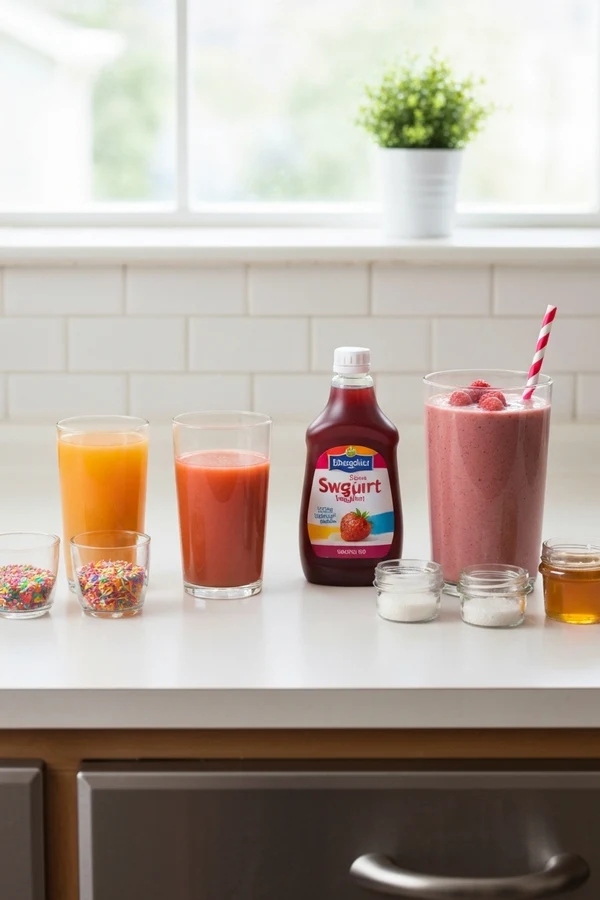
Most smoothie problems are not complicated. They come from a few repeat mistakes.
The first is using too much fruit and not enough structure. A smoothie made from orange juice, banana, mango, pineapple, and honey may sound wholesome, but it is still a fast hit of sugar if there is no real protein, fat, or fiber behind it.
The second mistake is assuming any wellness ingredient makes the whole smoothie anti-inflammatory. A little turmeric or ginger does not cancel out a base of sweetened yogurt, juice, and flavored granola. The bigger pattern still matters more.
The third mistake is drinking smoothies that are too small to be a meal and too big to be a snack. That middle zone usually backfires. If it is breakfast, build it like breakfast. If it is a snack, keep it smaller and do not expect it to replace lunch.
The fourth mistake is treating smoothies like a fix for a processed diet. Smoothies can help, but they cannot do all the work. If the rest of your day is still built around drive-thru food, packaged snacks, and sweet drinks, the more useful next read is probably foods that cause inflammation and weight gain rather than another smoothie roundup.
And finally, do not force smoothies if they simply do not work well for you. Some people feel much better chewing breakfast than drinking it. If that is you, use these same ingredients in a yogurt bowl, overnight oats, or a savory breakfast plate instead. That is still anti-inflammatory eating. It just fits your body better.
Frequently Asked Questions
Are smoothies actually good for inflammation? They can be, but only when they are built around whole-food ingredients that fit an anti-inflammatory eating pattern. Think berries, greens, yogurt or kefir, chia, flax, oats, and healthy fats. A smoothie made mostly from juice and sweetened add-ins is not doing the same job.
What is the best ingredient for anti-inflammatory smoothie recipes? There is not one perfect ingredient, but berries are one of the easiest to rely on. They fit the anti-inflammatory pattern well, taste good in almost any blend, and pair easily with greens, yogurt, and seeds. In practice, the best ingredient is the one you will actually keep on hand and use.
What should you avoid putting in an anti-inflammatory smoothie? Try to limit fruit juice, heavily sweetened yogurt, flavored milks, large amounts of syrup or honey, and oversized portions of dried fruit. These ingredients push sugar up fast and usually make the smoothie less filling. If a smoothie tastes like dessert every day, it probably is.
Is it okay to drink an anti-inflammatory smoothie every day? Yes, if it is balanced and if you still have variety elsewhere in your diet. Daily smoothies can work well for busy people, especially when they help replace more processed breakfasts. Just rotate ingredients so you are not relying on the same exact blend forever.
Should you use protein powder in anti-inflammatory smoothie recipes? You can, especially if it helps the smoothie function as a meal. Just keep it simple and low in added sugar. If you would rather skip powders, Greek yogurt, kefir, tofu, and cottage cheese can all do the job.
The Bottom Line
The best anti-inflammatory smoothie recipes are not the prettiest ones. They are the ones you can make on normal mornings without turning breakfast into a project.
That usually means keeping a few basics on hand: frozen berries, spinach, chia, ground flax, plain yogurt or kefir, oats, avocado, and unsweetened milk. From there, build a smoothie that has real protein, enough fiber, and just enough fruit to taste good without becoming dessert.
If you want this to stick, do not try all ten recipes at once. Pick two that sound easy, buy the ingredients once, and repeat them until they feel automatic. That is usually what makes anti-inflammatory eating sustainable in real life.
If you want the bigger picture after this, start with our anti-inflammatory foods guide, then move into the anti-inflammatory meal plan if you want a full week that feels more organized than random. And if your digestion is part of the reason you started looking for these recipes, our fermented foods benefits guide is a useful next read too.
The information on this site is for educational purposes only and is not intended as medical advice. Always consult a qualified healthcare provider before making any changes to your diet, exercise routine, or supplement use.

About Jane Smith
We turn solid evidence into everyday habits Americans can actually do—plain English, cups/oz, grocery-aisle swaps, and routines that fit real life. Our editorial process: Experience—we road-test tips in real schedules…