Why You Should Be Eating More Green Foods
If your plate looks mostly beige or brown, you’re not alone. Many Americans fall short on vegetables, especially green ones....
If your plate looks mostly beige or brown, you’re not alone. Many Americans fall short on vegetables, especially green ones. Yet the green foods are hard to ignore from fiber and hydration to key vitamins that support everyday health. The good news? You don’t need a complicated plan or expensive powders. With simple grocery swaps and realistic portions, you can start eating more green foods this week and actually enjoy it.
Why Green Foods Matter for US Diets
To understand the true green foods benefits, it helps to look at what most US diets are missing.

👉 If you’re also working on getting all your essential vitamins, our detailed guide on Essential Vitamins: Best Vitamin-Rich Foods List covers exactly what you need.
Green Foods Benefits: What “Green Foods” Include in US Grocery Stores
When we talk about green foods, we mean whole, recognizable produce you can find at stores like Walmart, Target, Costco, Kroger, or your local farmers market. This includes spinach, kale, romaine, broccoli, Brussels sprouts, asparagus, cucumbers, green bell peppers, avocados, kiwi, green apples, and even fresh herbs like parsley or cilantro.
A single cup of raw spinach (about 30 g) contains vitamin K, folate, and small amounts of iron. One medium kiwi provides around 70 mg of vitamin C—close to the full daily value for many adults. These foods aren’t exotic or trendy; they’re affordable staples that fit into most US grocery budgets.
Adding just 1 extra cup of green vegetables per day is a realistic starting point. Over a week, that’s 7 additional servings without dramatically changing your meals.
👉 For a deeper dive into topics related to benefits, check out: 12 Red Foods: Powerful Health Benefits & Easy Ideas — it’s packed with practical tips.
Green Foods Benefits: Fiber, Potassium, and Everyday Nutrients
One major reason the green foods benefits matter is fiber. Many Americans consume only 10–15 grams of fiber daily, while the recommended intake is about 25 grams for women and 38 grams for men. Leafy greens, Brussels sprouts, and green beans all contribute toward closing that gap.
Green foods are also sources of potassium, a mineral that supports normal muscle and nerve function. For example, one medium avocado contains roughly 700 mg of potassium. That’s more than a banana.
While no single food is magic, regularly including green vegetables and fruits helps round out nutrient intake in a practical way—especially if your typical meals lean heavily on refined grains and processed snacks.
👉 Want to go further? Our complete breakdown of Yellow Foods Benefits: Immunity, Energy & Skin walks you through immune system support step by step.
The Biggest Green Foods Benefits People Actually Notice
Beyond nutrient charts, let’s look at the everyday green foods benefits people tend to feel.

Hydration and Skin Support
Many green foods have high water content. Cucumbers are about 95% water, and lettuce is over 90% water. Adding 1–2 cups of these foods to your lunch can contribute to hydration, especially in hot US summers when temperatures reach 90°F (32°C) or higher.
Hydration supports normal skin function. In addition, vitamin C from kiwi, green bell peppers, and broccoli plays a role in collagen production. One cup of chopped green bell pepper provides more than 100% of the daily value of vitamin C.
While green foods won’t replace sunscreen or skincare, they can support your body from the inside in a steady, sustainable way.
Steady Energy and Mental Clarity
If you experience mid-afternoon energy dips, fiber may be part of the solution. High-fiber green foods slow digestion slightly, helping maintain steadier blood sugar levels compared to refined snacks.
For example, swapping a 1.5 oz bag of chips for 1 cup of edamame (about 8 grams of fiber) can provide longer-lasting fullness. Leafy greens also contain folate and other micronutrients that support normal brain function.
The result isn’t a dramatic “boost,” but rather fewer crashes. Over weeks, that steady pattern is one of the most practical green foods benefits.
Best Green Foods to Eat More Often for Maximum Green Foods Benefits
Now that we’ve covered why, let’s get specific about which foods deliver the most noticeable green foods benefits.
Green Foods Benefits from Leafy Greens and Cruciferous Vegetables
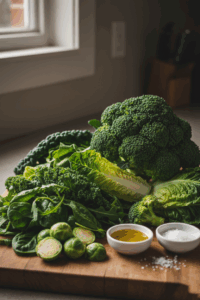
Leafy greens like spinach, kale, romaine, and arugula are easy to add to salads, omelets, and smoothies. Just 2 cups of raw spinach shrink significantly when cooked, making it easy to eat more than you think.
Cruciferous vegetables—like Brussels sprouts, broccoli, and green cabbage—contain fiber and plant compounds often associated with antioxidant activity. Roasting 1 lb of Brussels sprouts at 400°F for 20–25 minutes with 1 tbsp olive oil creates a simple side dish for 4 servings.
These vegetables are widely available frozen as well, which makes them convenient and often cheaper per ounce.
Green Foods Benefits from Green Fruits and Everyday Produce
Green fruits offer a sweeter way to access green foods benefits. A medium green apple provides about 4 grams of fiber. Kiwi adds vitamin C and a bright flavor to yogurt. Avocado contributes healthy fats and makes salads more satisfying.
Asparagus and green beans are versatile dinner sides. Steaming 1 lb of asparagus for 5–7 minutes preserves texture and color. Even herbs like parsley can add nutrients when used generously—½ cup chopped parsley contains vitamin K and small amounts of vitamin C.
Mixing fruits and vegetables increases variety, which makes it easier to stick with eating more green foods long term.
Easy Ways to Eat More Green Foods This Week (Step-by-Step)
Here’s a practical plan to increase your intake and experience the green foods benefits without overhauling your life.

Step-by-Step Plan to Increase Green Foods Benefits
- Add 1 cup of spinach to scrambled eggs or an omelet at breakfast.
- Replace iceberg lettuce with 2 cups of mixed greens in sandwiches.
- Roast 1 sheet pan of broccoli or Brussels sprouts at 400°F for 20 minutes.
- Keep 2–3 cucumbers sliced in the fridge for grab-and-go snacks.
- Add ½ avocado to lunch bowls or tacos.
- Blend 1 kiwi and 1 cup spinach into a smoothie 3 times per week.
- Swap one side of fries for steamed green beans when dining out.
- Buy 1 frozen bag of green vegetables each grocery trip as backup.
These small steps can easily add 7–10 extra servings of green foods per week.
Budget-Friendly Tips and Smart Swaps
- Buy frozen spinach and broccoli for lower cost per pound.
- Choose store brands for pre-washed greens.
- Roast veggies in bulk for 3–4 days of meals.
- Add herbs to boost flavor without extra sodium.
- Store greens with a paper towel to absorb moisture.
- Shop seasonal produce for better prices and taste.
Consistency beats perfection. Even modest increases can add up.
FAQs
How many servings of green foods should I eat per day?
Aim for at least 2–3 servings of green vegetables daily as part of the broader recommendation of 5 total servings of fruits and vegetables. One serving is about 1 cup raw leafy greens or ½ cup cooked vegetables. Start with one extra serving and build gradually.
Are frozen green vegetables as healthy as fresh?
In many cases, yes. Frozen vegetables are typically flash-frozen soon after harvest, which helps preserve nutrients. A 12 oz bag of frozen broccoli can be just as nutrient-dense as fresh—sometimes more affordable and convenient.
Do green foods help with weight management?
Green foods are generally lower in calories and higher in fiber. For example, 1 cup of broccoli has about 30 calories but contains fiber and volume that promote fullness. While no food guarantees weight loss, replacing higher-calorie sides with green vegetables can support balanced eating.
Should I worry about vitamin K if I take medication?
Leafy greens are high in vitamin K. If you take blood thinners like warfarin, sudden large changes in intake may require medical guidance. The key is consistency, not avoidance. Always talk to your healthcare provider before making major dietary shifts.
Start Eating More Green Foods Today
The green foods benefits don’t require perfection—just steady improvement. Add one extra serving today, try one new vegetable this week, and build from there. Your plate doesn’t need to be all green—but it should be greener than yesterday.
Disclaimer: This content is for informational purposes only and is not a substitute for professional medical advice.

About Sarah Williams
We turn solid evidence into everyday habits Americans can actually do—plain English, cups/oz, grocery-aisle swaps, and routines that fit real life. Our editorial process: Experience—we road-test tips in real schedules…