Eat More Purple Foods for Better Health
If you’ve heard “eat the rainbow,” purple foods are the color many of us skip most. That’s a missed opportunity—purple...
If you’ve heard “eat the rainbow,” purple foods are the color many of us skip most. That’s a missed opportunity—purple fruits and vegetables pack plant compounds (like anthocyanins) plus fiber and vitamins that can support heart, brain, and gut health over time. The good news: you don’t need expensive powders or complicated recipes. With a few smart grocery picks—fresh or frozen—you can add more purple foods to everyday meals in a way that feels easy, realistic, and tasty.
Why Purple Foods Deserve a Spot on Your Plate
A simple way to upgrade your meals is to start noticing where purple foods can fit in.
👉 If you’re also working on getting all your essential vitamins, our detailed guide on Essential Vitamins: Best Vitamin-Rich Foods List covers exactly what you need.
Purple foods and anthocyanins
Many purple foods get their deep color from anthocyanins—natural plant pigments in the polyphenol family. You don’t need to memorize chemistry to use this: treat purple as a “signal” that you’re getting a different set of plant compounds than, say, orange carrots or green spinach. For a concrete example, 1 cup of blueberries (fresh or frozen) is an easy add-in that brings color plus fiber and flavor without extra prep. You’ll also find anthocyanins in foods like red cabbage, blackberries, purple grapes, and plums. The benefit isn’t one magic ingredient—it’s the steady habit of eating a variety of plants, including purple foods, more often.
👉 For a deeper dive into spotting nutrient deficiencies early, check out: Iron Deficiency Diet: Foods to Eat and Avoid — it’s packed with practical tips.
Purple foods and “eat the rainbow” nutrition
“Eat the rainbow” works because different colors often mean different nutrients and plant compounds. Purple foods help fill a common gap: many US plates lean beige (bread, pasta) or one-note (lots of greens, little else). A practical target is 2 purple foods per week, then build up from there. For example, swap your usual side salad for ½ cup shredded red cabbage in a slaw, or toss ½ cup frozen blackberries into oatmeal. This isn’t about perfection—it’s about making the “default” options in your fridge and pantry more colorful so your meals naturally include purple foods.
👉 For a deeper dive into topics related to eating, check out: Why You Should Be Eating More Green Foods — it’s packed with practical tips.
Top Benefits of Purple Foods (Fruits and Vegetables)
Once you start adding purple foods, you’ll likely notice they’re not just pretty—they’re also easy “nutrient upgrades.”
Purple foods for heart and brain support
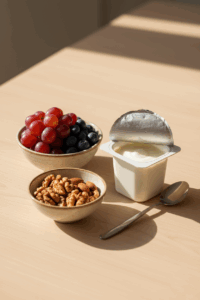
Many people choose purple foods for their antioxidant and polyphenol content, which may help support healthy blood vessels and circulation as part of an overall balanced diet. Think of it as a long game: consistent choices can matter more than any single “superfood.” A simple example is a snack swap—pair ¾ cup grapes with 1 oz of nuts instead of a sugary granola bar. For brain support, berries are a popular go-to. Adding 1 cup berries to your week (even split across several days) is a realistic starting point for most people shopping at stores like Costco, Walmart, or Trader Joe’s.
Purple foods for gut health and inflammation balance
Purple foods often come bundled with fiber, which supports digestion and helps feed beneficial gut bacteria. That matters because your gut microbes also interact with plant compounds (polyphenols), creating byproducts that may influence inflammation balance. A concrete dinner upgrade: add 1 cup chopped red cabbage to tacos or bowls for crunch and extra fiber. Or roast 1 lb eggplant with olive oil and spices for a hearty veggie side. None of this “cures” anything—but as part of a pattern that includes enough protein, sleep, and movement, purple foods can be a smart, low-effort addition.
Best Purple Foods to Add This Week
To make purple foods easier, start with what’s affordable, available, and actually tastes good to you.
Best purple foods: fruits and veggies
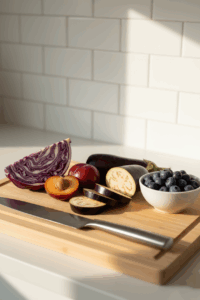
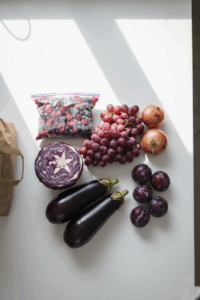
For purple foods in the fruit aisle, berries are the easiest win: blueberries, blackberries, and dark grapes. If fresh is pricey, frozen berries are often the best value and work in smoothies, yogurt, or oatmeal. In the produce section, reach for red cabbage (usually inexpensive), red onion, and eggplant. A quick example: make a simple bowl with cooked rice, chicken or beans, and 1 cup shredded red cabbage for color and crunch. You can also try purple cauliflower when you spot it—same cooking methods, fun visual payoff. These purple foods are common in US grocery stores and don’t require special prep skills.
Best purple foods: starchy options
If you want purple foods that feel more filling, look for purple sweet potatoes or purple carrots (availability varies by region). They’re especially helpful when you’re trying to make meals satisfying without relying on ultra-processed snacks. Example: cube 1 medium purple sweet potato and roast at 400°F for 25–30 minutes with olive oil, salt, and pepper. Or slice purple carrots for a sheet-pan side alongside salmon or chicken. These starchy purple foods can replace white potatoes or fries in a way that still feels comforting—just more colorful and nutrient-diverse.
Simple Ways to Eat More Purple Foods (No Fancy Recipes)
Now that you know what to buy, here’s how to turn purple foods into a repeatable routine.
Purple foods for breakfast and snacks
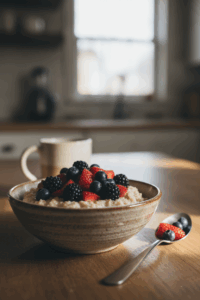
Start small and repeatable. For breakfast, add ½–1 cup frozen berries to oatmeal, yogurt, or a smoothie. If you like toast, try a quick topper like mashed berries mixed into plain Greek yogurt (sweeten lightly if needed). For snacks, keep it simple: 1 plum, 1 cup grapes, or ¾ cup berries plus a protein (string cheese, nuts, or yogurt) to help you stay full. A realistic “purple snack box” for busy days: pack ½ cup blackberries and 1 oz almonds. The goal is to make purple foods the easy choice when you’re hungry, not an extra project.
7-step purple foods plan (easy weekly routine)
- Add one bag of frozen mixed berries to your cart (aim for 3–4 servings).
- Buy one crunchy purple veggie (red cabbage or red onion).
- Put berries at eye level in the freezer so you see them first.
- Pre-shred 2 cups red cabbage for quick salads and bowls.
- Use berries in breakfast 3 days this week (even small amounts count).
- Add red cabbage to 2 lunches (wraps, slaw, or grain bowls).
- Try one cooked purple foods side at dinner (eggplant or purple potato).
Tips & swaps for purple foods (quick wins):
- Choose frozen berries when fresh is expensive.
- Add red cabbage to bagged salad kits for extra crunch.
- Roast eggplant at 425°F for deeper flavor.
- Swap red onion for white onion in most recipes.
- Mix berries into sparkling water for a “mocktail” vibe.
- Use grapes + cheese for an easy sweet-salty snack.
Shopping, Storage, and Cooking Tips for Maximum Color in Purple Foods
To keep this habit going, a few small logistics make purple foods feel effortless.
Shopping and storage tips for purple foods
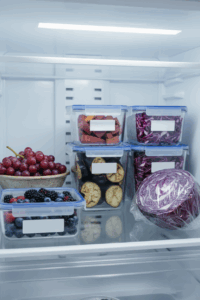
When buying purple foods, focus on what lasts. Fresh berries taste amazing but can spoil fast—plan to eat them within 3–5 days or freeze them the day you buy them. Red cabbage is a budget MVP because it keeps longer: an uncut head can last 1–2 weeks in the fridge. Store grapes unwashed until you’re ready to eat. For meal prep, pre-wash berries gently and dry well, or skip the hassle and use frozen. If you shop at big-box stores, portion berries into containers so you can grab ½ cup quickly. The less friction, the more consistently you’ll eat purple foods.
Cooking purple foods without dulling them
Cooking can soften texture and sometimes mute color, but you can still keep purple foods vibrant. Roasting works great for eggplant, purple potatoes, and purple carrots—try 400°F to 425°F depending on the recipe, and don’t overcrowd the pan. For red cabbage, quick sautéing helps: cook 5–7 minutes with a splash of vinegar or lemon to brighten flavor and color. Steaming purple cauliflower for 4–6 minutes keeps it tender-crisp. If you’re new to cooking these, start with one method you already like (roast, sauté, or steam) and apply it to purple foods you can find consistently.
FAQ (Purple Foods)
Are purple foods better than other colors?
Not “better,” just different. Purple foods add variety through anthocyanins plus fiber and micronutrients. The biggest benefit comes from eating a range of plants overall. If you already eat lots of greens, adding purple a few times a week helps round out your “rainbow” without replacing what works.
Do frozen purple foods count?
Yes. Frozen berries and frozen purple produce can be just as useful as fresh, especially for convenience and budget. They’re often picked and frozen quickly, and they’re easy to portion. A practical habit is adding ½ cup frozen berries to breakfast several days a week.
What’s the easiest purple foods option for picky eaters?
Start with fruit. Grapes, blueberries, and plums tend to be the most “approachable” purple foods. If veggies are a tougher sell, try red onion (small amount) or a simple slaw with a creamy dressing. Begin with 2–3 bites, then build.
Can purple foods help with blood pressure or cholesterol?
Purple foods may support heart health as part of an overall pattern that includes fiber, less ultra-processed food, and regular activity. They aren’t a replacement for medications or medical care. If you’re working on blood pressure or cholesterol, think of purple foods as a helpful upgrade—not a cure.
CTA:
Want to make this easy? Pick two purple foods for your next grocery run (one fruit, one veggie) and use the 7-step plan this week. Bookmark this guide and share it with a friend who needs simple, realistic wellness habits.
Disclaimer: This content is for informational purposes only and is not a substitute for professional medical advice.

About Sarah Williams
We turn solid evidence into everyday habits Americans can actually do—plain English, cups/oz, grocery-aisle swaps, and routines that fit real life. Our editorial process: Experience—we road-test tips in real schedules…