Yellow Foods Benefits: Immunity, Energy & Skin
If your plate feels a little “beige,” yellow foods are an easy way to brighten meals without overthinking nutrition. From...
If your plate feels a little “beige,” yellow foods are an easy way to brighten meals without overthinking nutrition. From bananas and pineapple to lemons, egg yolks, and yellow bell peppers, yellow foods tend to bring a helpful mix of vitamin C, carotenoids, and other nutrients that may support immune function, skin health, and steady energy. This guide keeps it practical: what counts as yellow foods, which ones to buy, and simple ways to work them into real-life US meals (with minimal prep and cleanup).
Yellow foods: What “Yellow Foods” Are (and Why They Matter)
Yellow foods show up across produce, eggs, and spices, and they’re easy to spot in the cart.
👉 For a deeper dive into getting all your essential vitamins, check out: Essential Vitamins: Best Vitamin-Rich Foods List — it’s packed with practical tips.
Yellow foods and carotenoids for skin support
When you see yellow foods like yellow bell peppers, corn, pineapple, and certain melons, you’re often getting carotenoids—plant pigments that can support overall skin health as part of a balanced diet. Think of carotenoids as “color insurance” for your plate: the brighter the natural color, the more likely you’re getting a useful mix of micronutrients. A practical example: add 1/2 cup sliced yellow bell pepper to a lunch salad, or toss 1 cup frozen corn into a weeknight bowl. These aren’t magic fixes, but they’re consistent, repeatable choices that help you eat more plants without needing a complicated plan.
👉 Want to go further? Our complete breakdown of Iron Deficiency Diet: Foods to Eat and Avoid walks you through spotting nutrient deficiencies early step by step.
Yellow foods and immune nutrients for everyday support
Many yellow foods also contribute nutrients linked to immune support—especially vitamin C–rich picks like lemons and peppers, plus the nutrient density of egg yolks. Instead of chasing “superfoods,” focus on simple patterns you can repeat. For example, squeeze 1/2 lemon into water or over roasted veggies, and include 1 egg (with the yolk) at breakfast a few times a week if it fits your preferences. Pairing yellow foods with protein and fiber (like yogurt, eggs, beans, or nuts) can also help meals feel more satisfying—an underrated part of staying consistent with healthier habits.
👉 For a deeper dive into kidney health and function, check out: Best Foods and Drinks for Kidney Detox — it’s packed with practical tips.
Yellow foods: The Best Yellow Foods to Add This Week
Once you know what to look for, choosing yellow foods becomes a quick grocery-store win.
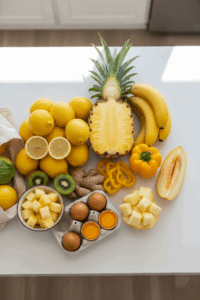
Yellow foods for immunity and skin: lemon, yellow pepper, kiwi
For an easy “starter kit” of yellow foods, begin with lemons, yellow bell peppers, and kiwi—simple items that work in both sweet and savory meals. Use 1–2 tbsp lemon juice to brighten salad dressings, soups, or roasted vegetables. Slice 1 yellow pepper for snack plates (with hummus or turkey roll-ups), or dice it into tacos and scrambled eggs. Kiwi is a fast snack or smoothie add-in: try 1 kiwi with 3/4 cup Greek yogurt and 1 tbsp chia seeds. These yellow foods won’t replace medical care, but they’re realistic, affordable ways to support your daily nutrient intake.
Yellow foods for energy and digestion: bananas, pineapple, eggs, ginger, yellow watermelon
For steady energy and digestion-friendly meals, rotate through bananas, pineapple, egg yolks, ginger, and yellow watermelon when it’s in season. A medium banana is a portable snack that pairs well with 1–2 tbsp peanut butter for staying power. Pineapple adds sweetness and acidity to bowls and salsas—use 3/4 to 1 cup chunks (fresh or frozen) in smoothies or cottage cheese. Egg yolks bring choline, a nutrient involved in brain function; try 2 eggs in a quick breakfast scramble. Ginger is easy to keep on hand—add 1/2 tsp grated ginger to tea or stir-fries. Yellow watermelon (or golden varieties) can be a refreshing hydration snack: serve 1–2 cups chilled as a dessert swap.
Yellow foods: How to Eat More Yellow (Simple, Real-Life Ideas)
Now that you’ve got your favorites, the goal is to build easy routines around yellow foods.
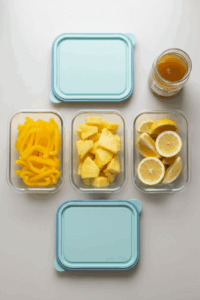
Yellow foods at breakfast: eggs, yogurt bowls, and smoothies
Breakfast is the easiest place to “stack” yellow foods without extra cooking. If you do eggs, aim for a simple repeat: scramble 2 eggs with diced yellow pepper and a handful of spinach. If you prefer something cold, build a yogurt bowl: 3/4 cup plain Greek yogurt + 1 sliced banana + 1 tbsp chopped walnuts. For smoothies, frozen fruit makes it fast and consistent—blend 1 cup frozen pineapple, 1/2 banana, 1 cup milk (or unsweetened non-dairy), and a pinch of grated ginger. These combinations are quick, budget-friendly, and feel familiar—important if you’re trying to keep healthy habits on autopilot during busy weeks.
Yellow foods at lunch and dinner: bowls, sheet pans, and quick sides
Lunch and dinner work best when yellow foods are “built in” rather than added as an afterthought. Try a grain bowl with 1/2 cup cooked rice or quinoa, 1 cup roasted veggies, and a protein you already like (chicken, tofu, beans). For a low-effort side, roast yellow bell peppers and onions at 425°F for about 20 minutes with olive oil, salt, and pepper. Add lemon at the end for flavor. You can also keep frozen corn or pineapple on standby to reduce food waste—both are easy toss-ins for soups, salsas, and stir-fries. The win here is consistency: one or two go-to yellow foods per meal is enough.
Yellow foods: A 7-Day “Eat More Yellow” Mini Plan
If you like structure, a short plan makes yellow foods feel automatic instead of optional.
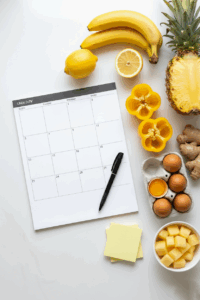
Yellow foods mini plan steps: one yellow add-on per day
Use these yellow foods steps as a simple “add-on” challenge—no perfection needed.
- Day 1: Add 1/2 lemon to water or dinner veggies.
- Day 2: Eat 1 banana with breakfast or as a snack.
- Day 3: Add 1/2 cup yellow pepper to a salad, wrap, or eggs.
- Day 4: Blend a smoothie with 1 cup pineapple (fresh or frozen).
- Day 5: Include 2 eggs (with yolks) in breakfast or lunch.
- Day 6: Make ginger tea with 1/2 tsp grated ginger.
- Day 7: Serve 1–2 cups chilled yellow melon or watermelon as dessert.
Yellow foods shopping list and prep shortcuts (US-friendly)
Keep your yellow foods plan easy by shopping with flexible “either/or” options. Buy 2–3 lemons, 4–6 bananas, 2 yellow peppers, 1 bag frozen pineapple, 1 dozen eggs, and 1 small knob fresh ginger (or ginger paste). Prep just once: slice peppers, portion pineapple into 1-cup bags, and store lemons on the counter for visibility. If you’re busy, frozen fruit and pre-cut produce can be worth it—especially if it prevents waste. The goal is less decision-making: when yellow foods are already washed, sliced, or portioned, you’re far more likely to actually eat them.
Yellow foods: Tips, Swaps, and Safety Notes
To make yellow foods work long-term, it helps to plan for real-life barriers like sugar swings and sensitivities.
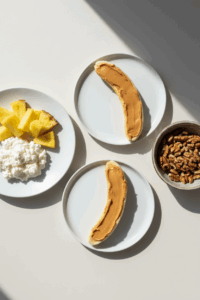
Yellow foods and sugar: portions and smart pairings
Some yellow foods are naturally sweet, which is great—until it’s not. If bananas or pineapple spike your hunger, pair them with protein or fat for steadier energy. Try 1/2 banana in a smoothie instead of a full one, or eat pineapple alongside 1/2 cup cottage cheese. Choose whole fruit over juice most of the time, and keep portions realistic: 3/4–1 cup fruit is a solid baseline for many adults. Yellow foods can absolutely fit into balanced eating; the trick is avoiding the “fruit-only snack” that leaves you hungry 45 minutes later.
Yellow foods sensitivities: citrus, ginger, and meds to consider
Yellow foods are generally safe for most people, but a few common issues are worth noting. Citrus (like lemon) can aggravate reflux for some—start with 1 tsp lemon juice and see how you feel. Ginger can be soothing, but if you’re on blood thinners or have a bleeding disorder, check with your clinician before using larger amounts daily. Eggs are a common allergen; if they don’t work for you, you can still get plenty of benefits from yellow foods through produce alone. If a yellow food consistently bothers your stomach, swap it out—there’s no single “must-have” item.
Tips & swaps (yellow foods):
- Use frozen pineapple for smoothies to cut prep time and waste.
- Add lemon at the end of cooking for brighter flavor.
- Pair fruit with yogurt, nuts, or cheese for steadier energy.
- Keep sliced yellow pepper front-and-center for snack plates.
- Try ginger paste if fresh ginger goes bad too fast.
- Choose whole fruit over juice most days.
FAQs
Are yellow foods better than other colors?
No—yellow foods aren’t “better,” just different. Each color group tends to offer a different mix of nutrients and plant compounds. Yellow foods can be a practical focus if you want more vitamin C options, easy snacks, and bright flavors. The best approach is variety over time: include yellow foods regularly, but keep other colors (greens, reds, purples) in your rotation too.
Do yellow foods actually “detox” your body?
Your liver and kidneys already handle detoxing, and no single food “cleanses” you. Yellow foods like lemons and pineapple may support healthy eating patterns because they add flavor, hydration, and nutrients that help you make balanced meals. If “detox” motivates you, reframe it as “crowding in” better choices—like swapping sugary desserts for fruit a few nights a week.
How can I eat more yellow foods on a tight budget?
Start with bananas, eggs, lemons, and frozen pineapple—these are usually affordable and widely available in US grocery stores. Frozen fruit often costs less per serving and lasts longer. Buy peppers when they’re on sale, or use frozen corn as a versatile yellow vegetable. Even adding one yellow food per day can make a difference in overall variety.
What if I don’t like eggs or citrus?
No problem—yellow foods are a broad category. Skip eggs and lemons and lean on yellow peppers, corn, pineapple, kiwi, and melon instead. You can also use mild options like yellow squash (if you enjoy it) or yellow potatoes in balanced portions. The goal is consistency and variety, not forcing foods you dislike.
CTA
Want to make this even easier? Pick two yellow foods you already enjoy and add them to your next grocery order. Then try the 7-day mini plan once and repeat the days that feel effortless.
Disclaimer: This content is for informational purposes only and is not a substitute for professional medical advice.

About Sarah Williams
We turn solid evidence into everyday habits Americans can actually do—plain English, cups/oz, grocery-aisle swaps, and routines that fit real life. Our editorial process: Experience—we road-test tips in real schedules…