Vegetables Highest in Protein: Top Picks & Easy Tips
If you’re trying to eat more protein without relying on meat at every meal, vegetables highest in protein can help,...
- What “high-protein vegetables” really means (Vegetables Highest in Protein)
- Vegetables highest in protein (ranked list)
- Best ways to eat high-protein vegetables daily (Vegetables Highest in Protein)
- Pairing for a “more complete” protein plate (Vegetables Highest in Protein)
- Shopping + storage tips to keep it easy (Vegetables Highest in Protein)
- FAQ: Vegetables Highest in Protein
If you’re trying to eat more protein without relying on meat at every meal, vegetables highest in protein can help, especially when you use them the right way. No, veggies won’t “beat” a chicken breast on protein, but they can meaningfully boost your day while also adding fiber, volume, and micronutrients. Below is a practical, US-grocery-friendly guide to the best protein-rich vegetables (think peas, broccoli, Brussels sprouts, leafy greens, and more), plus easy ways to cook, pair, and prep them so they actually show up on your plate.
What “high-protein vegetables” really means (Vegetables Highest in Protein)
👉 This pairs well with our 24 High-Protein Foods to Add to Your Grocery List guide if you want the full picture on getting enough protein.
How much protein you actually get per serving (Vegetables Highest in Protein)
Here’s the reality: vegetables highest in protein typically land in the 2–8 grams per serving range, depending on cooked vs raw. A standout example is 1 cup peas (cooked) at about 8 g protein, which is why peas often top “high-protein veggie” lists. Compare that to 1 cup cooked broccoli (around 3–4 g) or 1 cup cooked spinach (around 5 g). Those numbers won’t replace a main protein, but they add up fast across a day, especially in soups, bowls, and stir-fries where you might eat 2–3 cups of veggies without thinking.
👉 For a deeper dive into getting all your essential vitamins, check out: Essential Vitamins: Best Vitamin-Rich Foods List — it’s packed with practical tips.
The big trade-off: protein vs calories vs fiber (Vegetables Highest in Protein)
When picking vegetables highest in protein, keep the “protein density” question in mind: How much protein do you get for the calories? Leafy greens like kale and spinach are light on calories and high in nutrients, but you may need a bigger volume (think 2 cups cooked spinach) to feel it. Potatoes and corn offer more energy and moderate protein—useful if you want a hearty meal, but they’re not as protein-dense as peas. The win is pairing: protein-rich veggies plus fiber can keep meals satisfying, especially when combined with a stronger protein partner.
👉 Want to go further? Our complete breakdown of Best High Fiber Foods List to Boost Daily Fiber Intake walks you through boosting your fiber intake step by step.
Vegetables highest in protein (ranked list)
Top tier vegetables highest in protein you’ll use often (Vegetables Highest in Protein)
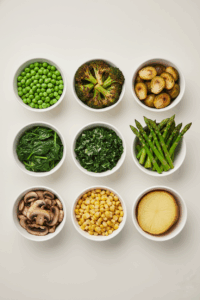
If you want the most bang-for-your-bite, start with peas. In many US grocery stores, frozen peas are an easy staple, and 1 cup cooked peas brings about 8 g protein—great in pasta, fried rice, or soup. Next, Brussels sprouts and broccoli are reliable “weeknight” choices; 1 cup cooked typically provides around 3–4 g protein each, plus plenty of fiber. Spinach also performs well when cooked down (a big bag turns into a small serving), and 1 cup cooked spinach can hit roughly 5 g protein, making it perfect for omelets, creamy soups, or sautéed sides.
Other vegetables highest in protein to round out meals (Vegetables Highest in Protein)
Don’t sleep on the rest of the list. Kale adds steady protein with a sturdier texture—use it in soups where it stays chewy. Asparagus is a lean side that can contribute about 3 g protein per cooked cup, especially helpful when you’re building a lower-calorie plate. Mushrooms won’t top the protein charts (often around 3 g per cooked cup), but they bring a “meaty” bite that helps meals feel more substantial—try them in tacos or burgers. Potatoes offer more protein than people expect (roughly 3–4 g per medium potato), and corn provides moderate protein plus carbs—handy in chowders, salads, and salsas.
Best ways to eat high-protein vegetables daily (Vegetables Highest in Protein)
Fast meals with vegetables highest in protein (Vegetables Highest in Protein)
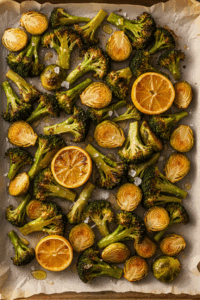
Make vegetables highest in protein automatic by building around formats you already repeat: bowls, soups, and sheet-pan meals. For example, toss broccoli + Brussels sprouts with 1 tbsp olive oil, salt, and pepper, then roast at 425°F until browned. Add peas at the end (they heat fast) and you’ve got a simple, protein-boosting side. In soups, stir in spinach or kale during the last 2 minutes so it stays bright. Even a quick microwave steam bag + a squeeze of lemon can turn into a real habit when it’s easier than ordering takeout.
Tips & swaps (Vegetables Highest in Protein):
- Use frozen peas in pasta for +8 g protein per cup.
- Roast broccoli at 425°F for better texture than steaming.
- Sauté mushrooms first to drive off water and boost flavor.
- Add spinach at the end of soups to avoid overcooking.
- Swap half rice for cauliflower + peas in fried rice.
- Try kale in chili instead of just lettuce on top.
Snack upgrades with vegetables highest in protein (Vegetables Highest in Protein)
Snacks are an underrated place to sneak in vegetables highest in protein. Keep it simple: roasted Brussels sprouts or broccoli florets can be a “grab-and-go” option when you’re tired of chips. If you’re packing lunch, add a cup of cold peas to a salad (they’re surprisingly good with feta and lemon). Corn works in a quick salsa with black beans, while mushrooms sautéed with garlic can become a savory toast topping. The key is planning for convenience—prep once, then eat repeatedly without needing new recipes every time.
Pairing for a “more complete” protein plate (Vegetables Highest in Protein)
Add protein partners to vegetables highest in protein (Vegetables Highest in Protein)
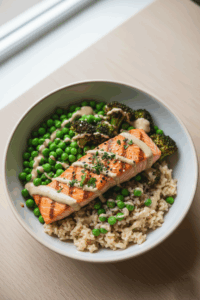
Because vegetables highest in protein still aren’t “main protein” for most people, pairing is where the magic happens. A simple target for a meal is 20–30 g protein, which is easier when veggies support—not replace—the base. Examples: add 3 oz chicken, turkey, or salmon, or plant options like ½ cup beans, ½ cup tofu, or ¾ cup Greek yogurt in a sauce. Even eggs work: a 2-egg scramble plus a heap of spinach can turn a veggie-forward breakfast into something that actually sticks with you.
Simple combos using vegetables highest in protein (Vegetables Highest in Protein)
Use repeatable combos that feel normal in US kitchens. Try a “freezer bowl”: 1 cup peas + 1 cup broccoli tossed into a skillet, then add ½ cup cooked rice and 2 eggs for a quick fried-rice vibe. Or build a sheet-pan dinner: asparagus + mushrooms with 3–4 oz salmon, roast at 400°F until the fish flakes. For plant-based, combine corn + peas into a warm salad with ½ cup black beans and a squeeze of lime. These aren’t fancy—just practical ways to make protein totals add up.
Shopping + storage tips to keep it easy (Vegetables Highest in Protein)
Fresh vs frozen for vegetables highest in protein (Vegetables Highest in Protein)
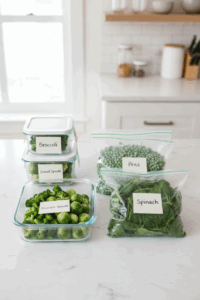
For vegetables highest in protein, frozen is often the easiest “insurance policy.” Frozen peas, broccoli, and spinach are usually picked and frozen quickly, and they’re available year-round in most US grocery stores. Keep 2–3 bags on hand so you’re not stuck when fresh produce runs out midweek. Fresh still matters for texture—Brussels sprouts roast best fresh, and asparagus is at its peak when it snaps cleanly and smells fresh. A good rule: buy fresh for roasting and frozen for soups, bowls, and backup meals.
Prep once, eat all week with vegetables highest in protein (Vegetables Highest in Protein)
A little prep makes vegetables highest in protein show up more often. On a weekend, wash and chop broccoli, trim Brussels sprouts, and portion mushrooms into containers. Roast a big tray at 425°F (about 20–25 minutes, flipping once) and store in the fridge for easy add-ons. Keep peas and spinach frozen and use them as “last-minute boosters” that don’t require chopping. If you want one simple habit: aim to add 1 cup of a protein-rich vegetable to lunch and dinner—small enough to be realistic, big enough to matter.
FAQ: Vegetables Highest in Protein
Which vegetables highest in protein are best for beginners?
Peas, broccoli, and spinach are the easiest starters. For example, add 1 cup peas to pasta, stir 1–2 cups spinach into soup, or roast broccoli at 425°F for a simple side.
Do vegetables highest in protein replace meat or fish?
Usually not on their own. Many veggies give 2–8 g protein per serving, so they’re best as a boost. Pair them with 3–4 oz of a main protein or ½ cup beans for a fuller meal.
Are vegetables highest in protein better cooked or raw?
It depends. Cooked veggies are often easier to eat in larger amounts (like spinach), which can increase total protein. Raw works great for crunch, but you may naturally eat less volume.
What’s the easiest way to get more vegetables highest in protein daily?
Use frozen. Keep peas and spinach in the freezer and add 1 cup to bowls, soups, or scrambled eggs. It’s faster than chopping and makes consistency much easier.
CTA: Want more simple, protein-forward meal ideas? Save this guide, pick two vegetables highest in protein to stock this week, and build your next lunch around a 1-cup add-in—peas, broccoli, or spinach.
Disclaimer: This content is for informational purposes only and is not a substitute for professional medical advice.

About Mike Johnson
We turn solid evidence into everyday habits Americans can actually do—plain English, cups/oz, grocery-aisle swaps, and routines that fit real life. Our editorial process: Experience—we road-test tips in real schedules…