Why Fermented Vegetables Are the Ultimate Probiotic for Gut Health
If you are struggling with chronic bloating, indigestion, or a sensitive immune system, you have probably been told to take...
If you are struggling with chronic bloating, indigestion, or a sensitive immune system, you have probably been told to take probiotics. Most people immediately reach for a sugary cup of commercial yogurt or rush to the pharmacy to buy an expensive bottle of probiotic capsules.
But did you know that for thousands of years, our ancestors possessed a much cheaper, more powerful, and completely natural “weapon” for gut healing? I am talking about fermented vegetables.
Far from being just a crunchy side dish, traditionally fermented cabbage, carrots, and radishes are now recognized by modern science as some of the most potent superfoods for regenerating the gut microbiome. However, before you rush to the supermarket to buy a jar of pickles, there are three core truths you must understand to avoid making your digestion worse.
1. The “Pickled Fake-Out” Mistake Most People Make
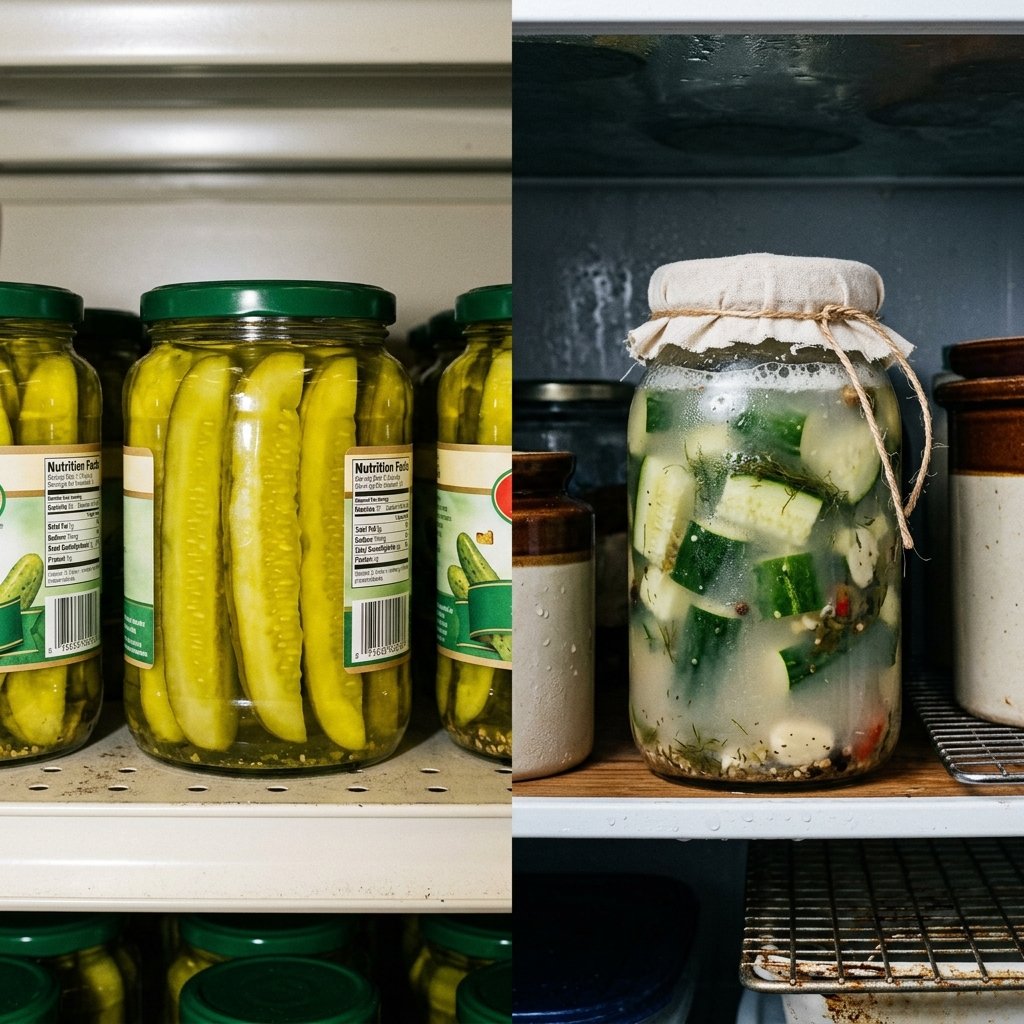
The biggest mistake beginners make on their gut-healing journey is confusing pickled foods with naturally fermented foods.
When you walk down the center aisle of a grocery store and grab a jar of dill pickles or sauerkraut with a shelf life of several years, do you think you are buying probiotics? The truth is, you are not. The vast majority of these commercial pickles are soaked in vinegar and undergo pasteurization (extreme heat treatment). This process kills 100% of the beneficial bacteria to extend the shelf life. You are simply eating vinegar-soaked vegetables with zero biological value.
How to choose the real deal: Authentic fermented vegetables for gut health are submerged in a simple saltwater brine. The natural lacto-fermentation process creates its own lactic acid. These real, living foods are always found in the refrigerated section of the supermarket, and the label should clearly state “Contains Live and Active Cultures”. Or better yet, you can easily make them at home!
2. The Synbiotic Superpower (Prebiotics + Probiotics)
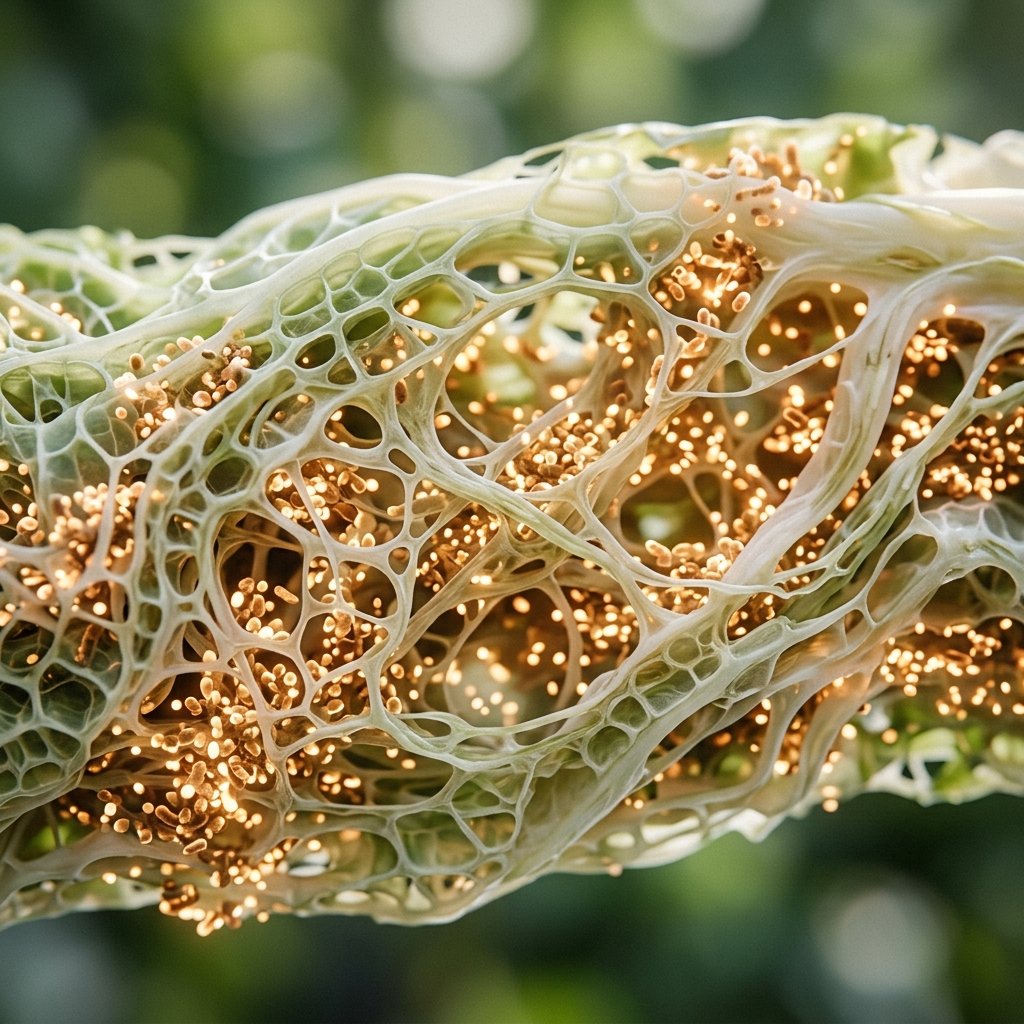
Why should you chew on fermented vegetables instead of just swallowing a probiotic pill or comparing kefir vs yogurt for daily fermented intake? The answer lies in a concept called Synbiotics.
Yogurt and pills only provide you with Probiotics (the beneficial bacteria). But these bacteria are living organisms; they need food to survive and multiply inside your stomach. Their food is fiber (Prebiotics). If you consume probiotics without the prebiotic fiber that decides whether they survive your stomach, the majority of the good bacteria will starve or be destroyed by your harsh stomach acid before they even reach your colon.
Fermented vegetables are a miracle of nature because they contain BOTH. The tough cellular structure of cabbage and carrots provides an abundant supply of fiber. The beneficial bacteria cling tightly to this food source, creating a natural “armor” that helps them safely pass through your highly acidic stomach fluids. When you eat fermented vegetables, you are sending an elite microbial army, fully equipped with its own rations, straight into your lower intestine. Here is the bigger picture of how your gut microbiome assembles itself over weeks of this kind of intake.
3. Butyrate: The Ultimate Gut Sealer
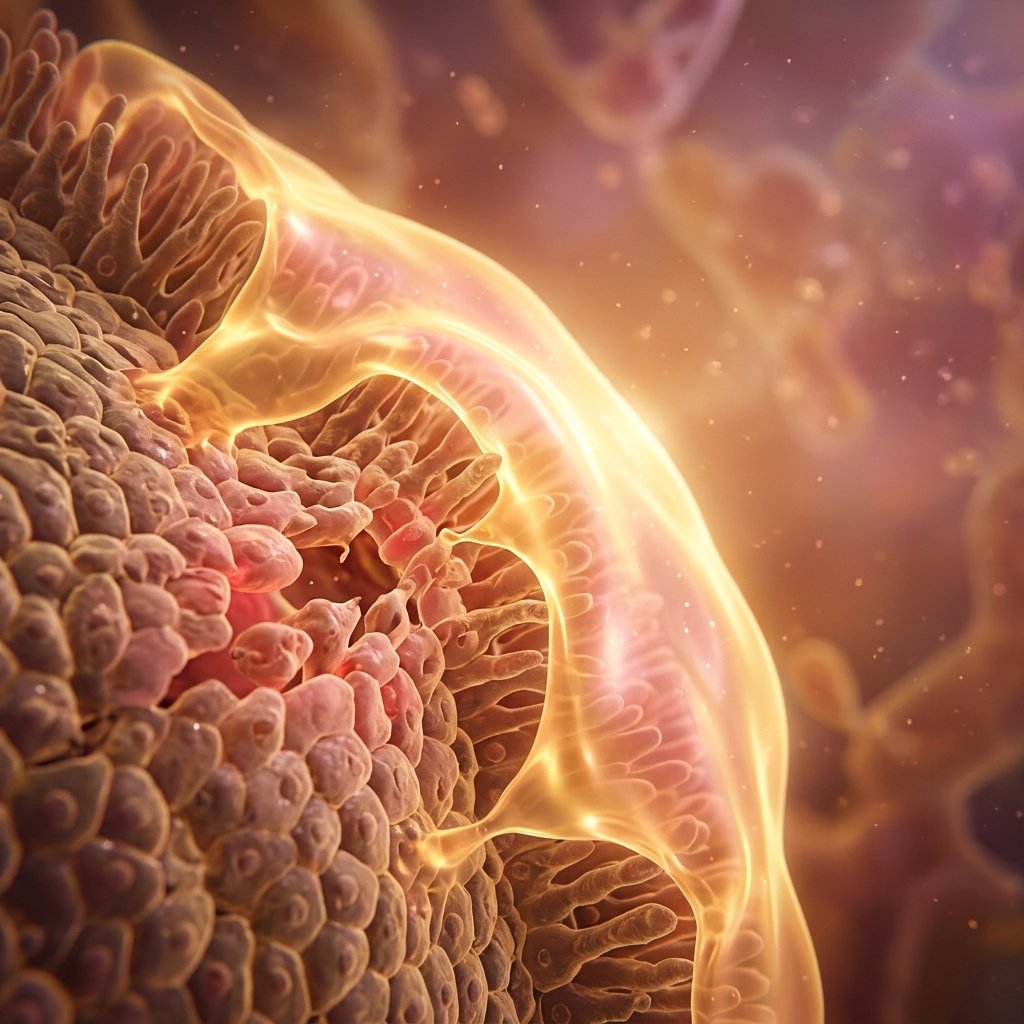
This is where the real magic happens. The benefits of fermented vegetables go far beyond simply adding bacteria to your gut.
When this microbial army digests the vegetable fiber inside your gut, they don’t just multiply—they excrete incredibly valuable byproducts. In medicine, these are called Short-Chain Fatty Acids (SCFAs), and the most prominent one is Butyrate.
If you suffer from Leaky Gut Syndrome, chronic intestinal inflammation, or a swollen, painful stomach, Butyrate is your miracle medicine. It serves as the primary energy source for the cells lining your colon. It has the power to extinguish inflammatory responses, stimulate intestinal cells to repair themselves, and “seal” the microscopic holes in your gut lining. No expensive anti-inflammatory drug can mimic this sophisticated, self-healing mechanism of Butyrate. While Butyrate builds up over weeks, you can also try the faster reset protocol for inflammatory gut symptoms.
The Best Fermented Vegetables to Start With
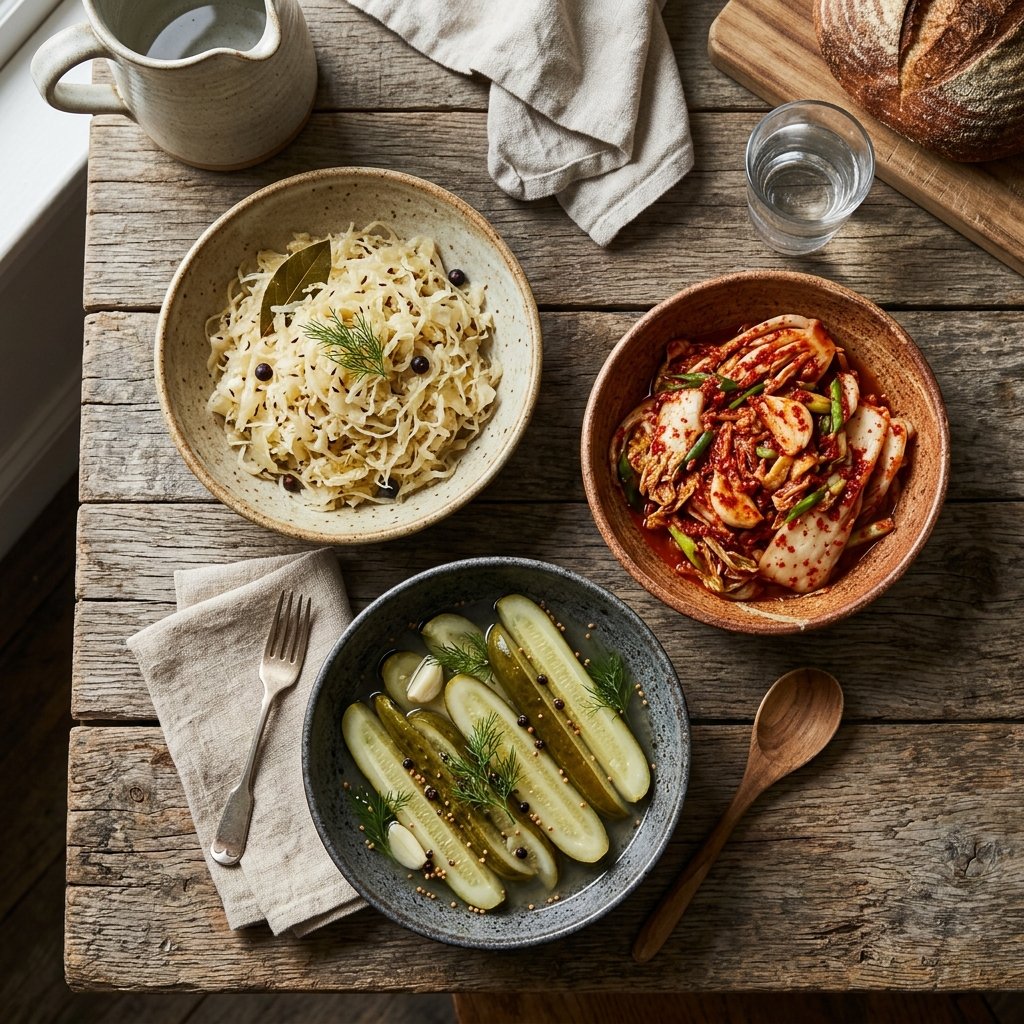
To fully harness the power of the three concepts above, start with these five “superstars” that are incredibly easy to find in American grocery stores (or easy to make at home). Beyond vegetables, here is the broader food-first probiotic foods list to round these out:
- Traditional Sauerkraut: Made with just cabbage and salt. It is incredibly rich in Vitamin C and potent strains of Lactobacillus.
- Authentic Kimchi: Contains a diverse matrix of vegetables (Napa cabbage, radish, scallions, garlic), which helps diversify your gut microbiome. However, if you have acid reflux, be careful with the spicy chili flakes.
- Kosher Dill Pickles (Brine-Fermented): A beloved American staple. Just remember to buy the brine-fermented version in the refrigerated section—never the vinegar-soaked ones in the dry aisles.
- Fermented Jalapeños: Americans love spicy food. Instead of using highly processed, sugar-laden hot sauces, a few slices of naturally fermented jalapeños will give your tacos an explosive kick while providing a massive dose of probiotics.
- Fermented Beets (Beet Kvass): Beets are incredibly easy to find at your local Farmers Market. Fermenting beets not only loads your gut with beneficial bacteria but also actively supports liver detoxification and greatly improves blood circulation.
How to Eat Them Safely (Without Bloating)
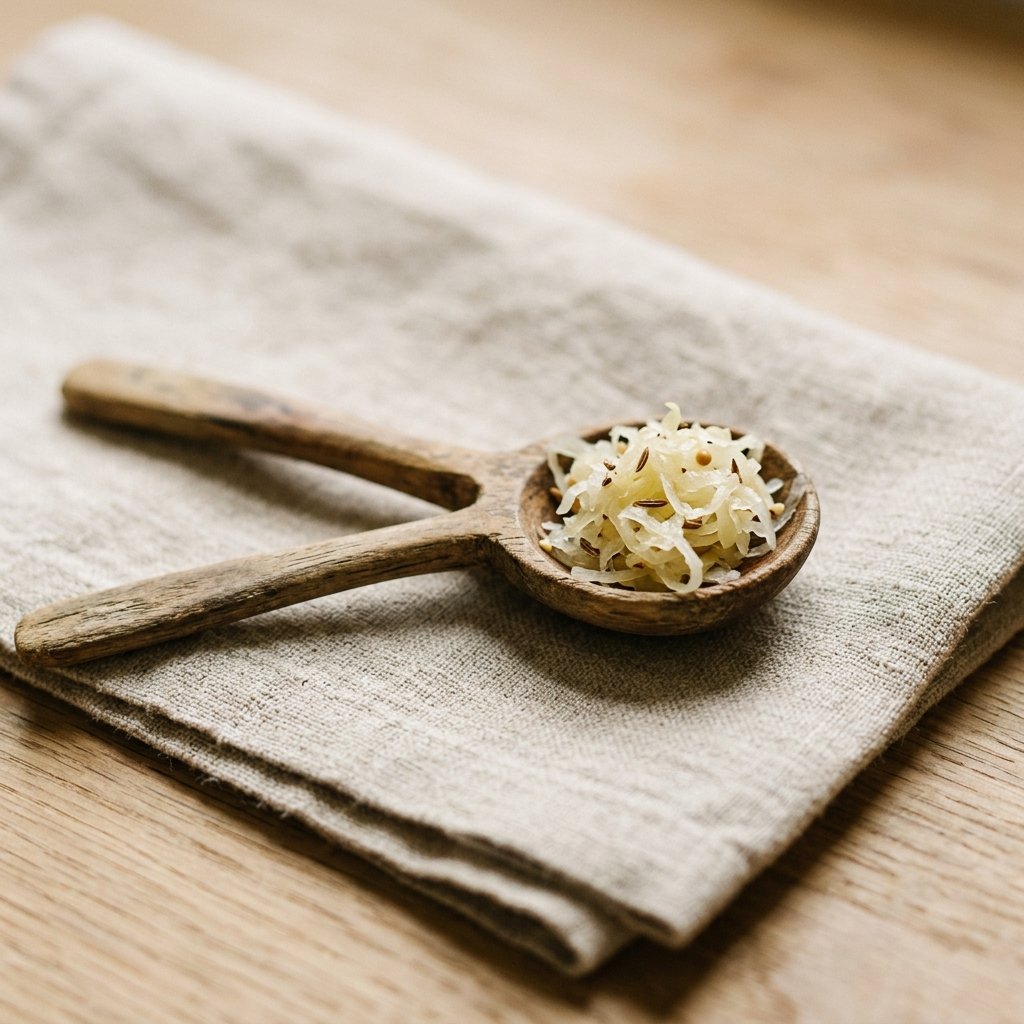
Do not get too excited and eat a huge bowl of sauerkraut on your first day. When a massive influx of powerful probiotics enters your gut, they will begin killing off the bad bacteria. This microbial war releases gas, which can cause the die-off bloat sensation that feels like fermentation bloating after eating (a process known as Probiotic Die-Off).
Follow the “Half-Teaspoon Rule”: For the first three days, take just 1/2 teaspoon of the fermented brine (or a single shred of sauerkraut) and eat it with your dinner. Listen to your body, and slowly increase your intake to 1-2 tablespoons per day once your digestive system has acclimated to this “healing army.”
Your gut is a garden that requires patience. Return to the most original, slow, and natural ways of healing!

About Mr. Anh
We turn solid evidence into everyday habits Americans can actually do—plain English, cups/oz, grocery-aisle swaps, and routines that fit real life. Our editorial process: Experience—we road-test tips in real schedules…