15 Best Omega-3 Rich Foods for Your Diet
Finding the right balance of nutrients can feel overwhelming, but prioritizing omega-3 rich foods is one of the smartest choices...
Finding the right balance of nutrients can feel overwhelming, but prioritizing omega-3 rich foods is one of the smartest choices for your overall well-being. These essential fatty acids play a crucial role in maintaining your body’s daily functions, yet our bodies cannot produce them on their own. Whether you are browsing the aisles of a typical US grocery store or planning your weekly menu, incorporating a variety of these nutrient-dense ingredients is easier than you think. Let’s explore the top fifteen options to elevate your plate.
Why You Need Omega-3 Rich Foods Every Day
Understanding the underlying science reveals exactly why you should load your grocery cart with omega-3 rich foods on a regular basis.
Cardiovascular Benefits of Omega-3 Rich Foods
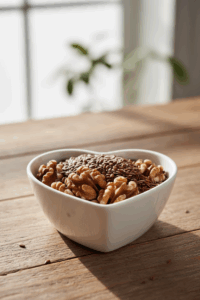
Including omega-3 rich foods in your meals can be a great way to support your heart over the long term. Research suggests that consuming these healthy fats helps maintain normal triglyceride levels and supports proper blood vessel function. For example, eating just two 4 oz (113 g) servings of fatty fish per week can significantly contribute to your cardiovascular baseline. Many Americans fall short of this simple target, missing out on easy nutritional wins. By consciously choosing omega-3 rich foods like salmon or chia seeds, you provide your cardiovascular system with the essential building blocks it requires to function smoothly.
Brain Health and Omega-3 Rich Foods
Beyond your heart, your brain relies heavily on omega-3 rich foods to maintain focus and cognitive function as you age. The DHA form of omega-3 is a major structural component of your brain tissue and retinas. For instance, incorporating just 1 tbsp (15 ml) of flaxseed oil into your daily smoothie can offer a plant-based boost of ALA, which the body converts into usable brain fuel. Ensuring a steady intake of omega-3 rich foods may assist in preserving mental clarity and memory. Prioritizing these ingredients is a practical step for supporting long-term neurological health.
The Ultimate Seafood and Seed Omega-3 Rich Foods List
When heading down the supermarket aisles, knowing exactly which omega-3 rich foods to look for makes meal planning an absolute breeze.
 Rich Foods List” width=”600″ height=”900″ />
Top Seafood Omega-3 Rich Foods
Marine sources are incredibly potent omega-3 rich foods, offering highly bioavailable forms of DHA and EPA. Salmon is perhaps the most famous, delivering about 2,260 mg of omega-3s in a standard 3.5 oz (100 g) cooked portion. Herring is another fantastic option, often overlooked but packing a massive nutritional punch per fillet. Whether you prefer baking them at 400°F (200°C) or grilling them outdoors, these fish are staples for a healthy diet. Adding these seafood-based omega-3 rich foods to your routine twice a week ensures you hit your baseline requirements without relying solely on specialized dietary supplements.
Nuts and Seeds as Omega-3 Rich Foods
For plant-based eaters, nuts and seeds represent some of the most versatile omega-3 rich foods available today. Walnuts are a true powerhouse, providing roughly 2,570 mg of ALA per 1 oz (28 g) handful. Chia seeds and flax seeds are similarly impressive, making excellent additions to oatmeal or yogurt bowls. Pecan nuts and cashews also make the list of omega-3 rich foods, though they contain slightly lower amounts, making them perfect for snacking or tossing into side salads. Storing these items in your pantry ensures you always have a quick, heart-healthy crunch ready to go.
Surprising Produce Options for Omega-3 Rich Foods
You might not immediately associate the produce section with healthy fats, but several fruits and vegetables qualify as excellent omega-3 rich foods.
Plant-Based Veggie Omega-3 Rich Foods
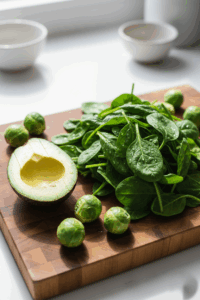
Leafy greens and cruciferous vegetables are unexpectedly good omega-3 rich foods that easily fit into everyday meals. Spinach, for instance, contains a modest amount of ALA, which adds up when you consume a hearty 2 cup (60 g) salad base. Brussels sprouts and cauliflower also provide these essential fatty acids, especially when roasted with a drizzle of olive oil. Soy beans are another brilliant choice, offering both plant protein and healthy fats. Incorporating these vegetable-based omega-3 rich foods into your dinners adds a layer of nutritional complexity that goes far beyond basic vitamins and minerals.
Fruits That Count as Omega-3 Rich Foods
While fruit is typically celebrated for its vitamin C and fiber, some varieties stand out as unique omega-3 rich foods. Avocados are legendary for their healthy fat profile, providing a creamy texture and beneficial nutrients in every 1/2 cup (75 g) serving. Surprisingly, mangoes and mixed berries also make the list of omega-3 rich foods, offering trace amounts of ALA alongside their natural antioxidants. Seaweed, technically marine algae, is another incredible plant source that boasts EPA and DHA. Blending these ingredients into breakfast bowls ensures a sweet and satisfying start to your nutritional day.
Easy Ways to Add Omega-3 Rich Foods to Your Diet
Transitioning to a healthier lifestyle requires actionable strategies, and cooking with omega-3 rich foods is entirely achievable with minor daily adjustments.

Meal Prep Steps for Omega-3 Rich Foods
Creating a sustainable routine around omega-3 rich foods starts with a structured weekly plan. Preparation ensures you never scramble for healthy ingredients when you are tired. Here are simple steps to integrate these omega-3 rich foods effectively:
-
Write a grocery list featuring at least three omega-3 items.
-
Buy a 1 lb (450 g) bag of chia or flax seeds.
-
Pre-portion walnuts into 1 oz snack bags for the week.
-
Thaw frozen salmon fillets in the refrigerator overnight.
-
Wash and chop spinach or cauliflower on Sunday afternoons.
-
Roast Brussels sprouts at 400°F (200°C) for quick dinner sides.
Quick Swaps to Boost Omega-3 Rich Foods
Sometimes the best way to increase your intake of omega-3 rich foods is through clever ingredient substitutions rather than cooking entirely new recipes. Keeping your pantry stocked with these alternatives makes daily nutrition effortless. Try these quick swaps to incorporate more omega-3 rich foods:
-
Swap out croutons for toasted walnuts on your lunch salad.
-
Use mashed avocado instead of mayonnaise on your sandwiches.
-
Blend 1 tbsp of chia seeds into your morning fruit smoothie.
-
Replace regular potato chips with roasted, lightly salted seaweed snacks.
-
Toss boiled soy beans into your pasta instead of heavy meats.
FAQs
Can I get enough omega-3 rich foods on a vegan diet?
Absolutely! Plant-based eaters have plenty of excellent options. By prioritizing chia seeds, flax seeds, walnuts, and seaweed, you can easily meet your daily needs. Your body has to convert the ALA found in plants into DHA and EPA, so consuming a slightly higher volume of these omega-3 rich foods is usually recommended for optimal health.
How often should I eat seafood to get enough omega-3s?
Health experts generally suggest eating fatty fish at least twice a week. A standard serving is about 3.5 to 4 oz (100 to 113 g) of cooked fish. Salmon and herring are top-tier omega-3 rich foods that provide highly absorbable forms of these fatty acids, making them highly efficient choices for your weekly meal rotation.
Are omega-3 rich foods safe for children to eat daily?
Yes, incorporating omega-3 rich foods into a child’s diet is highly beneficial for their developing brains and bodies. Mild-tasting options like chia seeds hidden in smoothies, or small portions of walnuts, are great starter foods. Always ensure nuts are chopped properly to avoid choking hazards, and consult your pediatrician if you have specific dietary concerns.
Do cooking methods destroy the nutrients in omega-3 rich foods?
High heat can sometimes degrade delicate fatty acids, but standard cooking methods are generally fine. Baking salmon at 400°F (200°C) or lightly roasting Brussels sprouts preserves the vast majority of their nutritional profile. To maximize benefits, try consuming some omega-3 rich foods raw, like adding a handful of fresh berries or walnuts to your morning oatmeal.
Ready to upgrade your grocery list? Start by picking three new omega-3 rich foods to try this week, and let us know which recipe becomes your new favorite. Share your creations in the comments below!
Disclaimer: This content is for informational purposes only and is not a substitute for professional medical advice.

About Sarah Williams
We turn solid evidence into everyday habits Americans can actually do—plain English, cups/oz, grocery-aisle swaps, and routines that fit real life. Our editorial process: Experience—we road-test tips in real schedules…