No Sugar Fruits List: Best Low-Sugar Picks
If you’re searching for a practical no sugar fruits list, you’re probably trying to cut back on sugar without giving...
If you’re searching for a practical no sugar fruits list, you’re probably trying to cut back on sugar without giving up fruit altogether. While no fruit is truly 0 grams of sugar, many options contain very low amounts per serving. This guide breaks down what “no sugar” really means, highlights the best low-sugar fruits commonly found in US grocery stores, and shows you exactly how to use them in everyday meals.
What Does “No Sugar” Really Mean in a No Sugar Fruits List?
Before diving into a no sugar fruits list, it’s important to clarify what that phrase actually means.
👉 If you’re also working on healthy weight management, our detailed guide on Best Fruits for Weight Loss: Low vs High Sugar covers exactly what you need.
Natural Fruit Sugar vs. Added Sugar in a No Sugar Fruits List
When people look for a no sugar fruits list, they usually mean fruits with no added sugar, not fruits with absolutely zero sugar. Whole fruits naturally contain fructose, but that sugar comes packaged with fiber, water, and micronutrients.
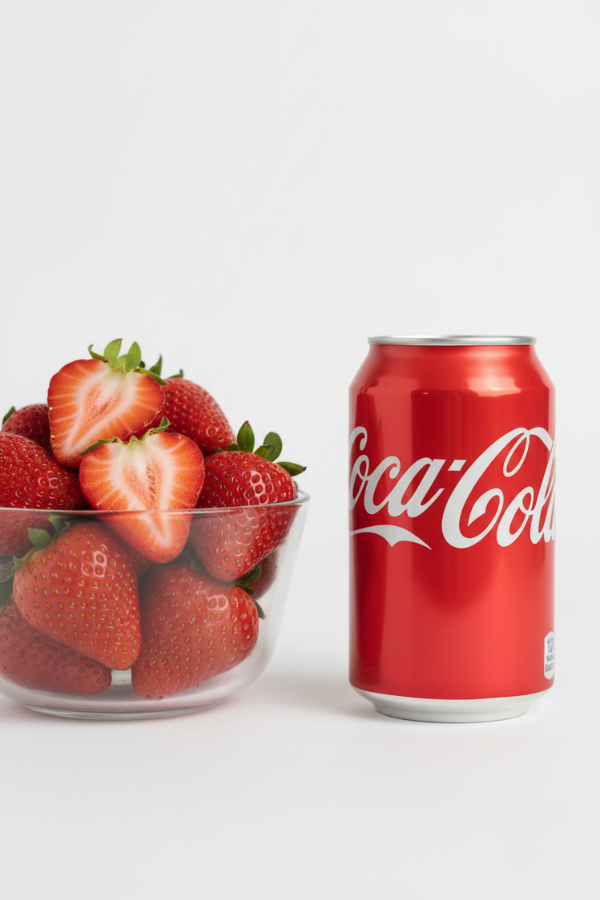
For example, 1 cup of strawberries (about 150 g) contains roughly 7 grams of natural sugar and 3 grams of fiber. Compare that to a 12 oz soda, which has around 39 grams of added sugar and no fiber. The fiber in fruit slows digestion, helping prevent sharp blood sugar spikes.
So in the context of a no sugar fruits list, “no sugar” really means “no added sugar and very low natural sugar per serving.”
👉 If you’re also working on getting all your essential vitamins, our detailed guide on Essential Vitamins: Best Vitamin-Rich Foods List covers exactly what you need.
Why Most Fruits Still Contain Some Sugar in a No Sugar Fruits List
Every fruit contains at least a small amount of natural sugar. Even lemons—one of the lowest-sugar fruits—have about 1 to 2 grams of sugar per fruit.
On a no sugar fruits list, you’re typically looking for fruits with under 10 grams of sugar per 1-cup serving. Berries, citrus fruits, and certain melons often meet that benchmark. The goal isn’t elimination; it’s smart selection and portion control.
Understanding this helps you avoid extremes and instead focus on realistic, sustainable choices.
👉 This pairs well with our Best High Fiber Foods List to Boost Daily Fiber Intake guide if you want the full picture on boosting your fiber intake.
Top Choices on a No Sugar Fruits List
Now that we’ve defined the term, let’s explore the best options on a practical no sugar fruits list available at most US supermarkets.
Berries on a No Sugar Fruits List (Strawberries, Raspberries, Blackberries)
Berries are often at the top of any no sugar fruits list because they’re low in sugar and high in fiber.
- 1 cup strawberries: ~7 g sugar
- 1 cup raspberries: ~5 g sugar
- 1 cup blackberries: ~7 g sugar
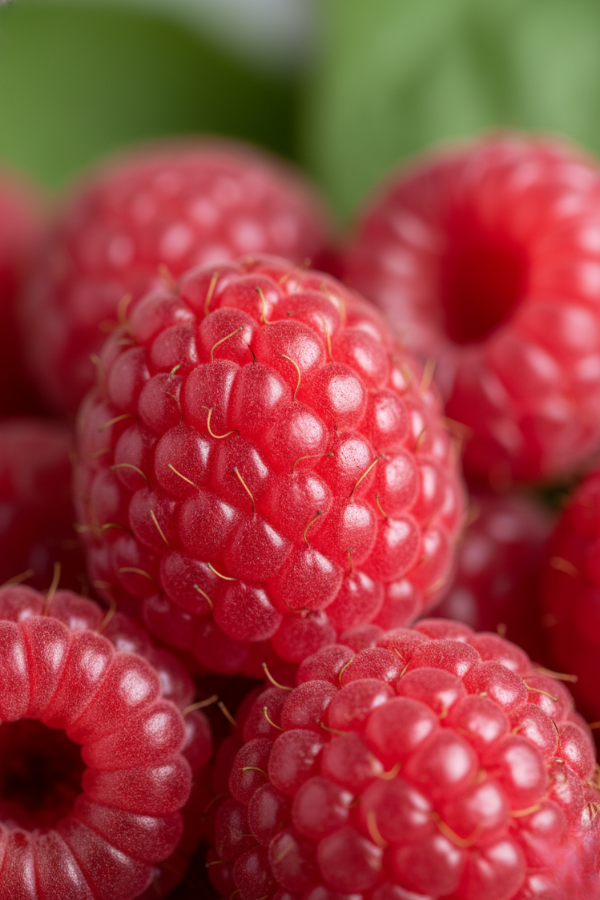
Raspberries are especially impressive, with about 8 grams of fiber per cup. That fiber helps slow carbohydrate absorption. You can add ½ cup (about 60–75 g) to plain Greek yogurt or oatmeal for natural sweetness without overdoing sugar.
Fresh or frozen berries (unsweetened) both work. Just check the label to make sure there’s no added sugar in frozen varieties.
Citrus and Tart Fruits on a No Sugar Fruits List (Lemons, Grapefruit, Cranberries)
Citrus fruits are another staple in a no sugar fruits list.
- ½ grapefruit: ~8 g sugar
- 1 lemon: ~1–2 g sugar
- 1 cup fresh cranberries: ~4 g sugar
Fresh cranberries are very tart, which keeps their sugar content low. However, dried cranberries often contain added sugar, so always read the label.
Adding a squeeze of lemon to water or using grapefruit segments in a salad can enhance flavor without adding significant sugar. A typical serving—½ grapefruit or 1 tablespoon fresh lemon juice—keeps total sugar intake modest.
Melons and Other Low-Sugar Fruits on a No Sugar Fruits List (Watermelon, Cantaloupe, Kiwi)
Melons are surprisingly reasonable choices when eaten in controlled portions.
- 1 cup watermelon: ~9 g sugar
- 1 cup cantaloupe: ~13 g sugar
- 1 medium kiwi: ~6 g sugar
Watermelon is about 92% water, so its sugar per cup stays relatively moderate. Sticking to 1 cup (about 150 g) helps keep sugar intake balanced.
Kiwi offers vitamin C and fiber, making it a smart addition to a no sugar fruits list when limited to one fruit at a time.
Nutrition Benefits of Fruits on a No Sugar Fruits List
Beyond lower sugar, fruits on a no sugar fruits list provide meaningful nutritional value.
Fiber, Vitamins, and Antioxidants in a No Sugar Fruits List
Low-sugar fruits still deliver powerful nutrients. For example, 1 cup of raspberries provides about 50% of the daily recommended vitamin C intake and around 8 grams of fiber.
Fiber supports digestive health and can help you feel fuller longer. Antioxidants like anthocyanins in blueberries and blackberries support cellular health. Even though blueberries contain about 15 grams of sugar per cup, using ½ cup keeps sugar closer to 7–8 grams.
Choosing nutrient-dense options ensures your no sugar fruits list supports overall dietary quality—not just sugar reduction.
Hydration and Heart Health Support from a No Sugar Fruits List
Many fruits on a no sugar fruits list have high water content. Watermelon and grapefruit are over 85% water, which can support hydration—especially during warmer months or after light activity.
Potassium-rich fruits like cantaloupe (about 430 mg per cup) help maintain fluid balance and support normal blood pressure levels when part of a balanced diet.
While fruit alone won’t transform heart health, incorporating low-sugar fruits in place of processed desserts can be a practical step toward better nutrition.
How to Use a No Sugar Fruits List in Your Daily Diet
Knowing the list is one thing; applying it effectively is another.
Smart Portion Sizes for a No Sugar Fruits List (US Serving Examples)
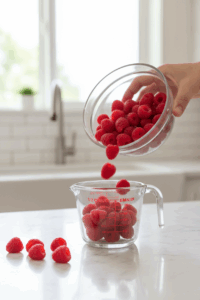
Portion size matters when using a no sugar fruits list. Even low-sugar fruits can add up.
A standard serving in the US is:
- 1 cup fresh berries
- ½ large grapefruit
- 1 small kiwi
- 1 cup diced melon
If you’re watching sugar closely, consider starting with ½ cup portions. For example, ½ cup strawberries contains about 3–4 grams of sugar.
Measuring cups can help until you become familiar with visual estimates.
Pairing Low-Sugar Fruits with Protein or Healthy Fats from a No Sugar Fruits List
Pairing fruit with protein or fat slows digestion and may help with blood sugar stability.
Examples:
- ½ cup raspberries + ¾ cup plain Greek yogurt
- 1 small kiwi + 1 tbsp almond butter
- 1 cup watermelon + 1 oz cheese
Combining macronutrients can help you feel satisfied longer compared to eating fruit alone.
7 Simple Steps to Build a No Sugar Fruits List Plate
- Choose one fruit from your no sugar fruits list.
- Measure a ½ to 1 cup serving.
- Add 10–20 grams of protein (e.g., ¾ cup yogurt).
- Include 1 tablespoon healthy fat if desired.
- Avoid sweetened toppings or syrups.
- Serve chilled or at room temperature.
- Store leftovers at 40°F (4°C) or below.
Tips for Following a No Sugar Fruits List
- Choose whole fruit over juice.
- Limit dried fruit unless unsweetened.
- Stick to 1–2 fruit servings per meal.
- Check frozen fruit labels for added sugar.
- Pair fruit with protein for balance.
Who Should Follow a No Sugar Fruits List?
Finally, let’s consider who might benefit from using a no sugar fruits list.
People Managing Blood Sugar and a No Sugar Fruits List
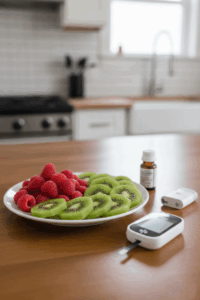
Individuals monitoring blood sugar—such as those with prediabetes, often use a no sugar fruits list to help moderate carbohydrate intake.
Choosing fruits with 5–8 grams of sugar per serving (like raspberries) may be easier to fit into a structured eating plan. However, total daily carbohydrate intake matters more than any single food.
Working with a registered dietitian can help personalize portions based on your needs.
Weight Management and Low-Carb Lifestyles with a No Sugar Fruits List
People following lower-carb eating patterns may use a no sugar fruits list to maintain fruit intake without exceeding daily carb targets.
For example, if someone aims for 100 grams of carbs per day, allocating 10–15 grams to fruit leaves room for other foods. Choosing berries instead of bananas (about 14 g sugar per medium banana) can make that easier.
The key is moderation—not elimination.
FAQs About a No Sugar Fruits List
1. Are there truly zero-sugar fruits on a no sugar fruits list?
No whole fruit contains absolutely zero sugar. Even lemons and limes contain 1–2 grams per fruit. A no sugar fruits list focuses on fruits with low natural sugar and no added sugar.
2. Is fruit juice included in a no sugar fruits list?
Generally, no. Even 100% fruit juice contains concentrated natural sugar and little fiber. For example, 8 oz orange juice has about 20–22 grams of sugar.
3. How many servings from a no sugar fruits list can I eat daily?
Most guidelines suggest 1–2 cups of fruit per day for adults. If monitoring sugar, you might stick closer to 1 cup total and choose low-sugar options.
4. Are frozen fruits okay on a no sugar fruits list?
Yes, as long as they’re labeled “unsweetened.” Frozen strawberries or raspberries without added sugar have similar nutrition to fresh.
5. Do low-sugar fruits help with weight loss?
Low-sugar fruits can support a calorie-controlled diet, especially when replacing high-sugar desserts. However, overall calorie balance determines weight change.
Final Thoughts
A realistic no sugar fruits list doesn’t eliminate fruit—it helps you choose wisely. Focus on berries, citrus, and controlled portions of melons. Measure servings, pair with protein, and avoid added sugars. Small, consistent adjustments often make the biggest difference over time.
Disclaimer: This content is for informational purposes only and is not a substitute for professional medical advice.

About Sarah Williams
We turn solid evidence into everyday habits Americans can actually do—plain English, cups/oz, grocery-aisle swaps, and routines that fit real life. Our editorial process: Experience—we road-test tips in real schedules…