How to Reduce Gut Inflammation Quickly: 24-Hour Relief Plan
When your stomach feels swollen, crampy, or reactive, you need quick relief that is simple and realistic. This guide walks through what to stop, what to sip, and what to eat first.
- What Gut Inflammation Can Feel Like in Real Life
- How to Reduce Gut Inflammation Quickly in the First Hour
- The Best First Meal for an Inflamed Gut
- The 24-Hour Gut Calm Protocol
- Foods and Drinks That Help Reduce Gut Inflammation Quickly
- What Usually Makes Gut Inflammation Worse
- How to Rebuild Your Gut After the First 24 Hours
- Frequently Asked Questions
- The Bottom Line
When your stomach feels swollen, crampy, noisy, or weirdly sensitive, you are not looking for a perfect healing protocol. You want relief, and you want it fast.
That is why people search for how to reduce gut inflammation quickly. Usually, they are not asking for a long textbook explanation. They want to know what to stop eating, what to drink, what the first safe meal looks like, and how to calm everything down without making it worse.
I get why that matters. When your gut is off, even normal daily stuff can feel harder than it should. Meals become stressful. Coffee suddenly feels risky. You start second-guessing foods that were fine a few days ago. This guide walks you through the simple moves that usually help first, plus what to do over the next 24 hours so one bad gut day does not turn into a bad week.
Quick Takeaways
- The fastest relief usually starts by removing irritants first, not piling on more “healthy” foods
- Your first meal should be soft, simple, and easy to digest
- Coffee, alcohol, fried food, raw salads, and too much fiber can all make a flare feel worse
- Warm fluids, cooked meals, steady timing, and a short walk often help more than random supplements
- If symptoms are severe or escalating, home strategies are not enough and you should get medical care
What Gut Inflammation Can Feel Like in Real Life
Most people do not mean lab-confirmed inflammation when they say, “My gut feels inflamed.” They usually mean their stomach feels puffy, tight, tender, unsettled, or reactive in a way that is hard to ignore.
That can show up as bloating, cramping, nausea, bathroom urgency, constipation, loose stools, or the feeling that even a normal meal is landing badly. Sometimes it is not just physical either. When your gut is irritated, your energy and mood can feel off too. That part is easy to dismiss, but it is real.
Harvard Health’s quick-start guide to an anti-inflammation diet points to ultra-processed foods, added sugars, refined grains, and fried foods as common inflammation-promoting inputs. In real life, that lines up with what a lot of people already notice: a rough food stretch, too much takeout, more alcohol than usual, poor sleep, high stress, and then suddenly the gut starts pushing back.
There is also a gut-brain piece that matters here. Harvard Health’s article on how the gut-brain connection influences mood explains that gut disruption and mood changes can affect each other through several communication pathways. So if your stomach feels irritated and you also feel wired, foggy, or low, that is not random. It is one system talking to another.
What I always want to clarify is this: not every “inflamed gut” feeling means something dangerous, but some symptoms should not be brushed off. If you have severe pain, fever, vomiting, black stools, blood in your stool, or unexplained weight loss, skip the self-fix mindset and get checked by a clinician.
How to Reduce Gut Inflammation Quickly in the First Hour
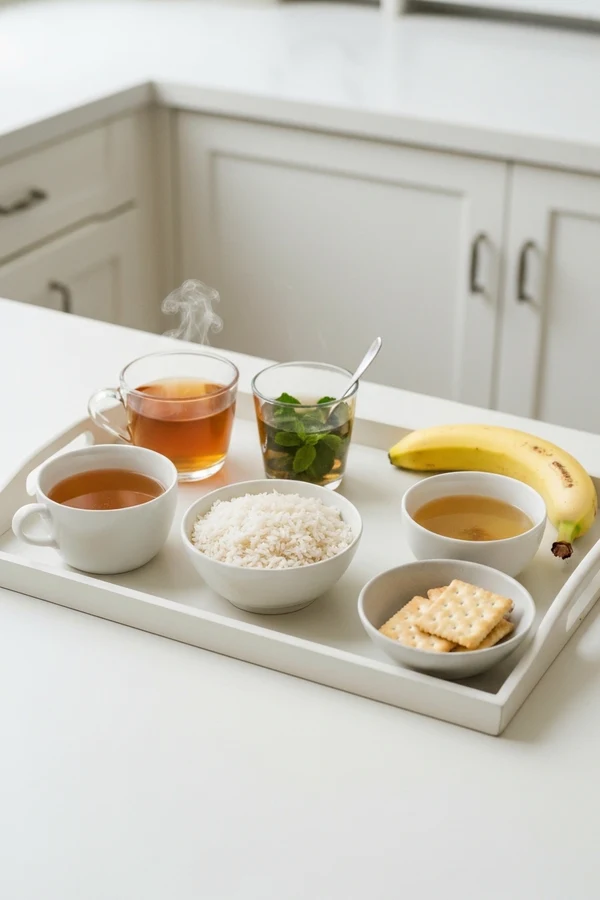
If you want to know how to reduce gut inflammation quickly, the first hour matters more than most people expect.
This is not the time to experiment with ten gut-health hacks. It is the time to lower the workload on your digestive system.
Start by stopping the obvious triggers right away. That usually means no coffee on an empty stomach, no alcohol, no fried takeout, no sugary drinks, and no “treating yourself” because you feel miserable. I have made that mistake before. Feeling off, then reaching for comfort food, then wondering why the whole day got worse. It rarely helps.
Next, switch to warm and simple fluids. Warm water, ginger tea, peppermint tea if cramping is part of the picture, or a light broth are often easier on an irritated stomach than iced coffee, soda, or sweet drinks. Sip slowly. You are trying to settle the system, not flood it.
And here is the part many health-conscious people get wrong: do not force a giant fiber push in the first hour. A raw salad, huge smoothie, probiotic shot, and fiber supplement all at once might sound healthy, but if your gut already feels raw, that stack can backfire fast.
Think of the first hour like this:
- Remove the main irritants.
- Warm the system up.
- Keep the next input boring.
That is not glamorous advice. It is just what tends to work.
The Best First Meal for an Inflamed Gut
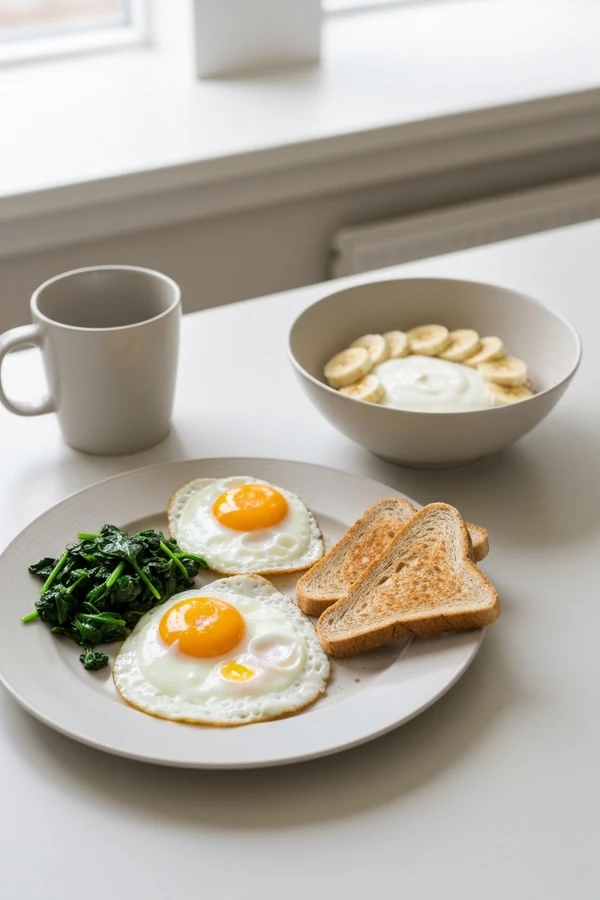
When your gut is irritated, your first meal should not try to impress anyone. It should feel easy.
The simplest version is a gentle protein + soft carb + cooked produce + modest fat.
That could look like:
- Eggs with cooked spinach and toast
- Oatmeal with banana and a little plain yogurt
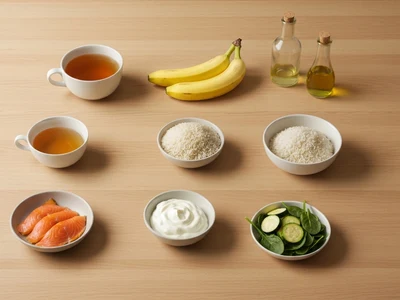
- Rice with salmon and cooked zucchini
- Soft tofu with rice and sauteed greens
I keep coming back to this kind of meal because it gives your body something useful without asking your digestion to do too much. When my stomach feels reactive, plain cooked food almost always works better than “super healthy” food that is cold, raw, spicy, or overloaded with fiber.
Harvard’s anti-inflammatory diet guidance keeps pointing back to foods like fish, whole grains, legumes, healthy oils, and produce. That matters, but the practical takeaway here is not “eat every healthy food.” It is pick the gentlest version first.
What usually does not help in that first meal? Giant smoothies, spicy food, fried food, raw cruciferous vegetables, sugar alcohols, heavy protein bars, and very rich restaurant meals. Those foods may be fine on a better day. They are often the wrong move when your stomach already feels irritated.
If your kitchen is part of the problem, this is where a pantry reset helps. Thrive Market is one of the easiest ways I have found to restock simple gut-friendly basics like oats, broth, rice, crackers, olive oil, ginger tea, and canned salmon without turning it into a five-store errand.
The 24-Hour Gut Calm Protocol
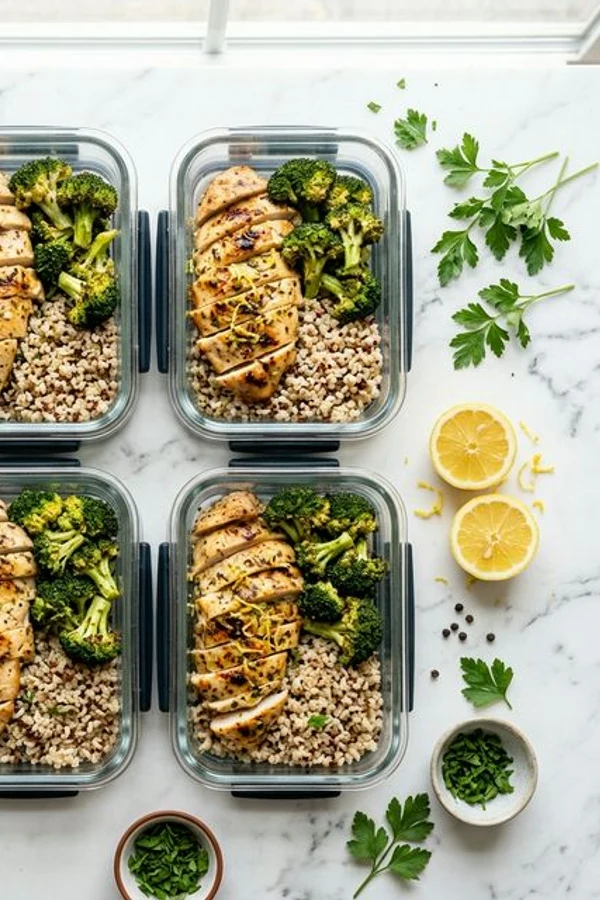
This is the part most articles skip. People do not just need a list of good foods. They need a sequence.
Hour 0-4: Calm the Fire
This is the removal phase. Cut the obvious irritants. Use warm fluids. Eat one simple meal instead of grazing all day. Slow down enough to actually chew and sit while you eat.
That sounds basic, but it matters. I have noticed that when I eat standing up, rushed, or half-distracted while already stressed, the same food tends to land worse. Your gut is not only responding to ingredients. It is responding to the whole situation.
If stress clearly helped trigger the flare, even five slow breaths before eating or a short easy walk can help more than people think. No, it is not a magic cure. But it can help shift your body out of that tight, braced, fight-or-flight state that makes digestion feel even harder.
Hour 4-12: Stabilize the System
Keep meals repetitive and easy during this window. This is not the moment for food experiments, restaurant meals, or a “cheat bite” of the thing that probably upset your stomach in the first place.
Use the same calm-gut meal formula again if needed. Eat enough to feel steady, but do not overeat because you skipped food earlier. That rebound pattern is one of the easiest ways to turn a gut flare into an all-day problem.
Hydrate between meals. If your digestion tends to stall when you are stressed, a short walk after eating can help things move without adding more pressure. I would keep workouts light here. Hard exercise on an already irritated stomach is not always the win people hope it will be.
Hour 12-24: Support Recovery
Once the worst of the reactivity eases up, you can widen the menu a little. Keep foods mostly cooked and simple, but add some variety back in.
This is often a better time for a small amount of yogurt, kefir, or another fermented food if you already know your body tolerates it well. It is also a better time to bring in a little more produce. Just do not confuse “feeling a bit better” with “back to normal.” That is where people often overdo it.
What you are looking for by the end of the first day is not perfection. It is progress. Less pressure. Less bloating. Less urgency. Meals that feel less dramatic. That is a real win.
Foods and Drinks That Help Reduce Gut Inflammation Quickly
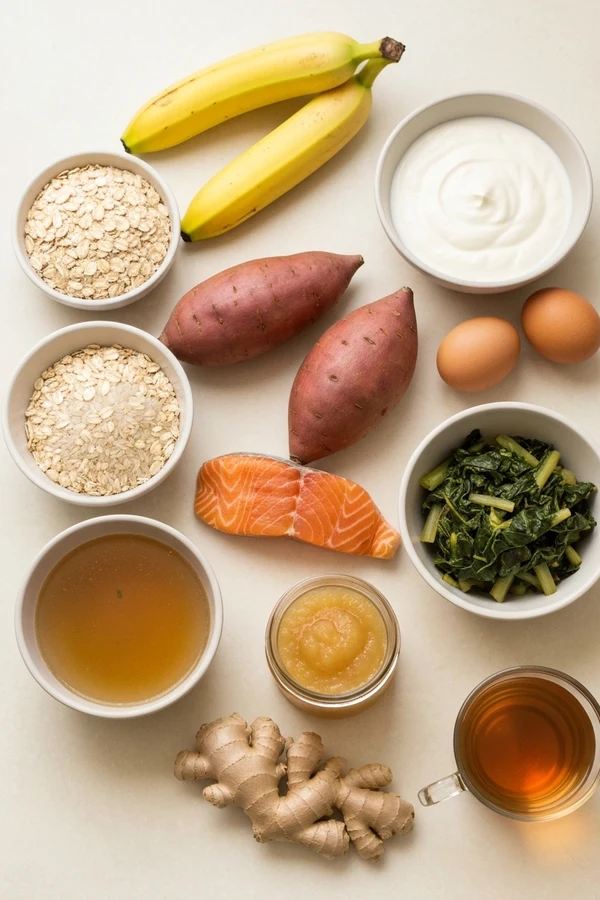
The foods that help most in the short term are usually the least exciting ones.
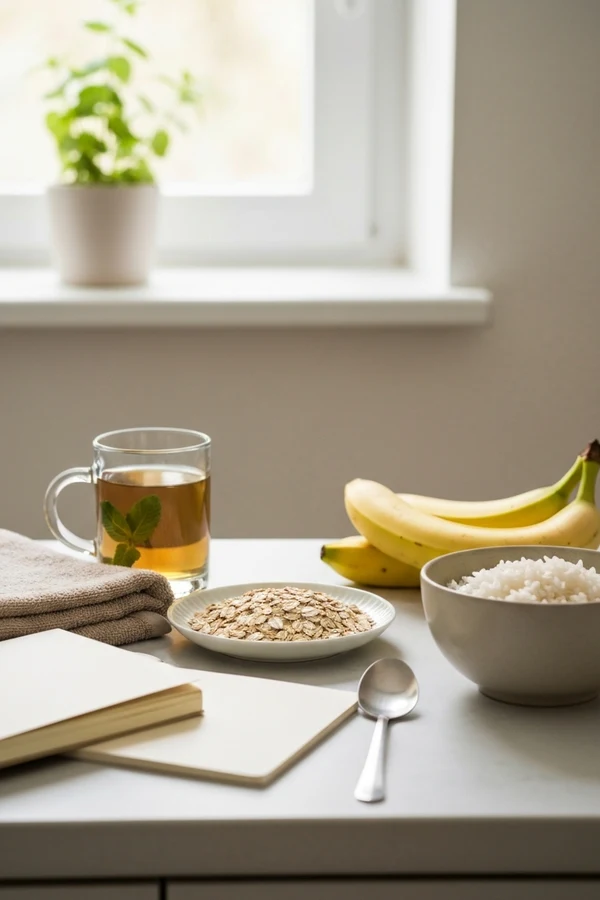
Think oats, bananas, rice, sweet potatoes, eggs, plain yogurt if tolerated, salmon, broth, cooked greens, applesauce, simple soups, ginger, and peppermint tea. These foods tend to be easier to repeat and easier to digest. That matters more than novelty when your stomach is acting up.
One thing I have learned the hard way is that “healthy” is not the same as “helpful right now.” A giant salad may be healthy on paper, but oatmeal and eggs can be the smarter choice when your gut is irritated.
Drinks matter too. Water is obvious, but warm drinks often feel easier than cold ones when your stomach is unsettled. Ginger tea is practical. Peppermint tea can be useful if cramping is part of the problem. A light broth can help when a full meal still sounds unappealing.
Fermented foods deserve a quick note because people often rush to them. A 2021 study published in Cell found that a high-fermented-food diet increased microbiome diversity and lowered several inflammatory markers over time. That is helpful context, but it is more relevant to the rebuild phase than the first hour of a flare.
So if you tolerate fermented foods, think of them as a next-step tool rather than the emergency fix. If you want help choosing the best options, our complete probiotic foods guide breaks that down in a more practical way.
And if mornings are when your stomach usually starts acting up, our anti-inflammatory breakfast ideas can help you create a gentler first meal. For the bigger picture, the full anti-inflammatory foods guide is worth bookmarking too.
What Usually Makes Gut Inflammation Worse
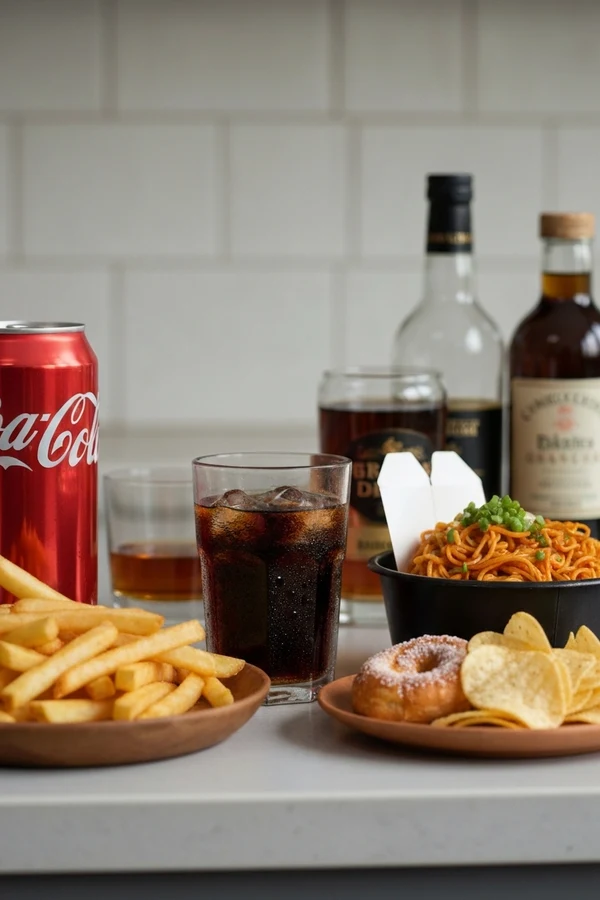
Sometimes the fastest relief comes from asking a different question.
Not “what should I add?”
But “what keeps making this worse?”
The usual suspects are not very mysterious. Alcohol, fried food, sugary drinks, ultra-processed snacks, giant restaurant meals, heavy desserts, too much caffeine, and erratic eating schedules all tend to show up in the same flare story. Add stress and poor sleep, and the pattern gets even stronger.
There are also a few “healthy” foods that can be rough in the wrong moment. Raw kale salads, giant smoothie bowls, large bean-heavy meals, some protein powders, and very high-fiber cereals can all be too much when your gut is already irritated. That does not mean they are bad foods. It means timing matters.
This is one reason generic gut-health advice can feel frustrating. It often skips tolerance, context, and timing. It tells you what is good in theory, not what is helpful today.
If your flare tends to show up after a streak of takeout, packaged snacks, sweet coffee drinks, or low-sleep weekends, our foods that cause inflammation guide can help you spot the patterns that keep repeating.
The biggest mistake, though, is still too much too fast. Too much fiber. Too many supplements. Too many fermented foods. Too much restriction followed by overeating later. If your gut is already irritated, a boring day is often more healing than an aggressive one.
How to Rebuild Your Gut After the First 24 Hours
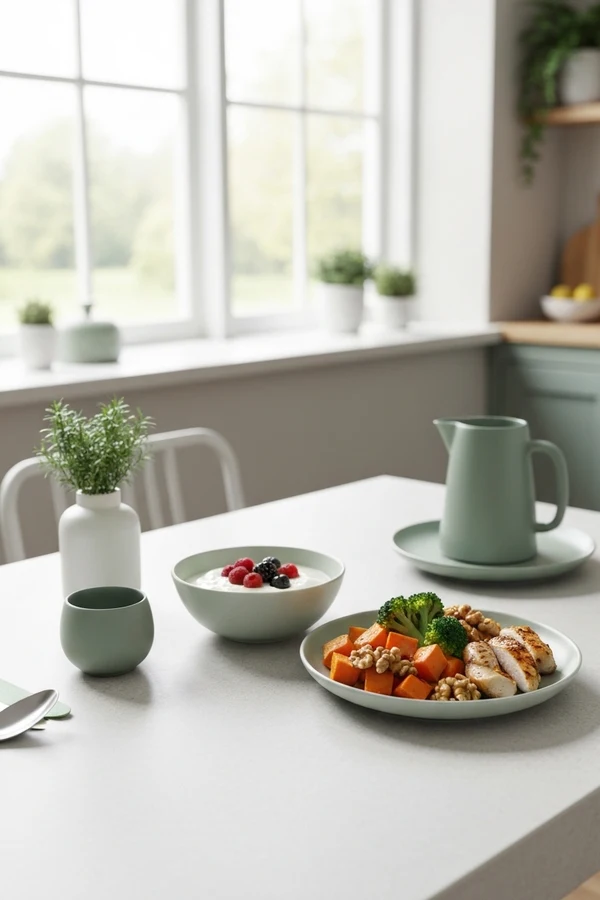
Once things calm down, the goal changes.
Now you are not just trying to stop irritation. You are trying to create a routine that makes the next flare less likely.
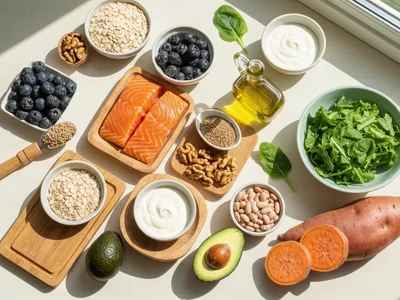
Over the next two or three days, start widening your food variety slowly. Add one or two more plant foods at a time. Keep protein steady. Bring back cooked vegetables, berries, oats, beans in smaller amounts, yogurt if tolerated, and simple fats like olive oil or walnuts.
This is where consistency does a lot of the heavy lifting. In my experience, the gut does better with repeatable meals than with big healthy swings. A few stable breakfasts, easy lunches, and simple dinners usually beat a fridge full of ambitious ingredients that never quite become meals.
By days four to seven, you can lean more into gut-supportive foods like fermented dairy if tolerated, more fiber diversity, and better meal rhythm. If stress is part of your pattern, do not ignore that piece. Food matters, but so do sleep, pace, and how chaotic your days feel.
Supplements can make sense for some people, but usually after the food basics are working. If you need a backup option for digestive support or probiotics, Life Extension is one of the approved brands I would look at first because their formulas tend to be more straightforward than random marketplace products.
If your symptoms often overlap with stress, our gut-brain connection symptoms article is the right next read. And if breakfast keeps setting off the day, go back through the anti-inflammatory breakfast ideas guide and tighten that up first.
The big idea here is simple: quick relief and long-term repair are not the same thing. But quick relief gives you enough breathing room to do the longer work properly.
Frequently Asked Questions
What is the fastest way to calm an inflamed gut? The fastest first move is usually to remove the obvious irritants, switch to warm simple fluids, and eat a gentle meal that is easy to digest. Think calm first, rebuild second.
What foods reduce gut inflammation quickly? Gentle foods usually work best first: oats, bananas, rice, sweet potatoes, eggs, plain yogurt if tolerated, salmon, broth, cooked greens, and ginger. They tend to be easier on an irritated gut than raw salads, spicy food, or heavy processed meals.
How long does it take for gut inflammation to go down? Some people feel noticeably better within a few hours to a day once they stop feeding the flare. Deeper recovery often takes longer, especially if the trigger pattern has been building for days or weeks.
Are probiotics the fastest fix for gut inflammation? Not always. Probiotics and fermented foods can be useful, but they are often more helpful in the rebuild phase than in the first hour of a flare. If your stomach already feels raw, reducing irritation is usually the better first move.
What drinks help with gut inflammation? Water, ginger tea, peppermint tea, and light broth are usually the gentlest starting points. Warm drinks often feel easier than cold, sugary, or highly acidic drinks when your stomach is unsettled.
The Bottom Line
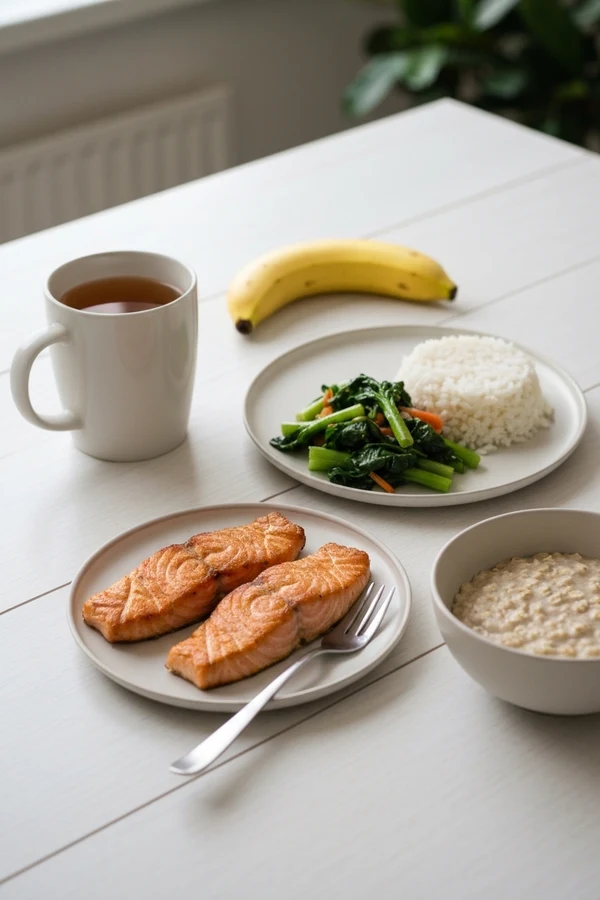
If you want to know how to reduce gut inflammation quickly, the answer is usually not doing more. It is doing less, in the right order.
Remove the obvious irritants. Sip something warm. Eat one simple meal. Keep the next 24 hours boring on purpose. Then rebuild with better food quality, better timing, and a little less digestive chaos.
That is what usually turns a gut flare into a short reset instead of a full bad week.
If mornings are part of the problem, the best next read is our anti-inflammatory breakfast ideas. And if you want the wider food framework after this, move into the full anti-inflammatory foods guide.
If rebuilding your pantry is the part that slows you down, Thrive Market is still the most natural fit here because it makes it easier to keep simple gut-friendly basics on hand before the next flare hits.
The information on this site is for educational purposes only and is not intended as medical advice. Always consult a qualified healthcare provider before making any changes to your diet, exercise routine, or supplement use.

About Jane Smith
We turn solid evidence into everyday habits Americans can actually do—plain English, cups/oz, grocery-aisle swaps, and routines that fit real life. Our editorial process: Experience—we road-test tips in real schedules…