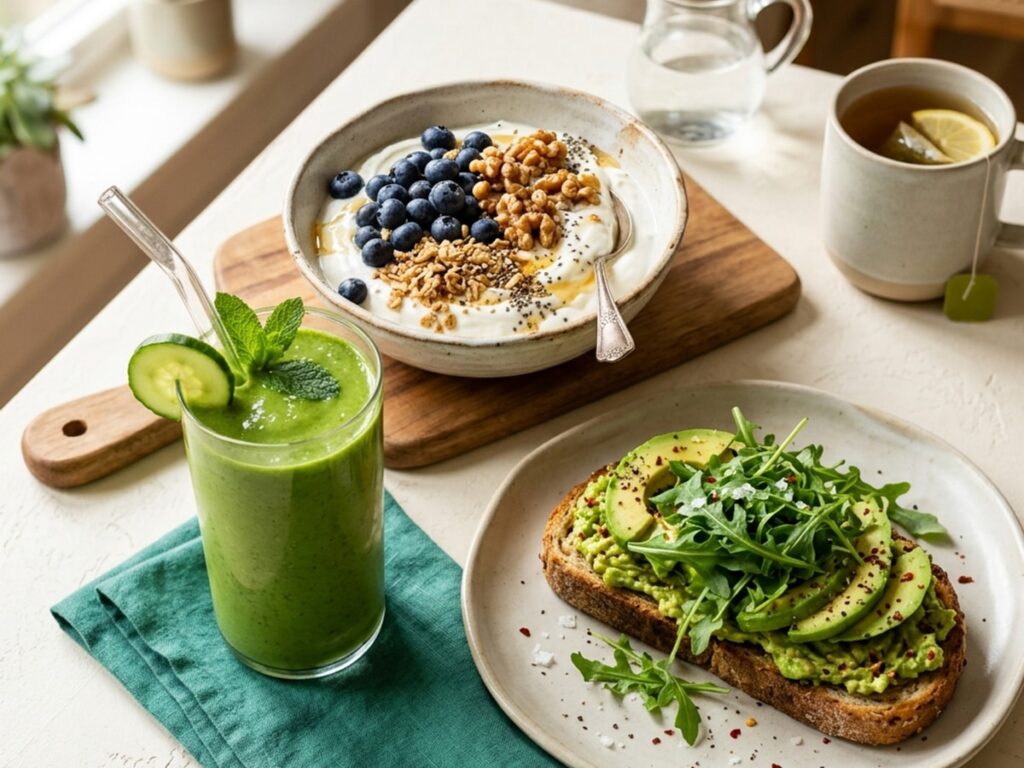
Gut Brain Connection Symptoms: 7 Signs Your Gut Is Affecting Your Mood
If bloating, anxiety, cravings, and brain fog keep showing up together, your gut-brain axis may be under stress. Learn the 7 symptom patterns to watch and the food-first habits that help calm both systems.
If your stomach tightens when you’re stressed, your mood crashes after a digestive flare-up, or you feel bloated and brain-foggy at the same time, that’s not something you’re imagining.
These gut brain connection symptoms often get treated like separate problems. Bloating gets its own advice. Anxiety gets its own advice. Cravings, low energy, and poor sleep get tossed into different conversations. But your gut and brain are in constant contact, and when that communication gets strained, the symptoms stop staying in their own lanes.
That is why a stressful week can change your digestion fast. It is also why poor digestion can leave you feeling wired, flat, foggy, or emotionally fragile. In this guide, you’ll learn the 7 most common signs of a stressed gut-brain axis and the strategies that can help calm both systems.
Quick Takeaways:
- Bloating, anxiety, cravings, brain fog, poor sleep, and irregular bowel habits often belong to the same gut-brain pattern
- Stress can slow digestion, change your microbiome, and make symptoms feel stronger fast
- Fiber diversity, fermented foods, steadier meals, and nervous system regulation give the biggest return first
- You do not need a perfect diet to help your gut-brain axis, but you do need better daily rhythmWhat Gut Brain Connection Symptoms Actually Mean

The gut-brain axis is the two-way communication network linking your digestive tract and your brain. That communication happens through the vagus nerve, stress hormones, immune signals, gut microbes, and the compounds those microbes produce. In plain English, your gut is doing a lot more than digesting food. It is sending status updates to your brain all day long.
Researchers writing in an NIH-reviewed paper on the gut-brain axis describe it as a bidirectional system connecting the central nervous system, the enteric nervous system, the immune system, and the gut microbiota. (NIH / PubMed) That explains why emotional stress can change digestion so quickly, and why digestive dysfunction can spill over into mood and focus.
Harvard Health makes the same point in more practical terms: your gut microbes can influence inflammation, neurotransmitter activity, and the messages traveling between your gut and brain. (Harvard Health) That does not mean every anxious thought starts in your intestines, or that every digestive symptom is psychological. It means the relationship is active in both directions. If your gut is irritated or chronically stressed, your brain often feels it. And if your brain is stuck in fight-or-flight mode, your gut often pays for it first.
For many people, the helpful shift is realizing the symptoms are connected. That does not make them “all in your head.” It gives you a better map.
7 Gut Brain Connection Symptoms You’re Ignoring
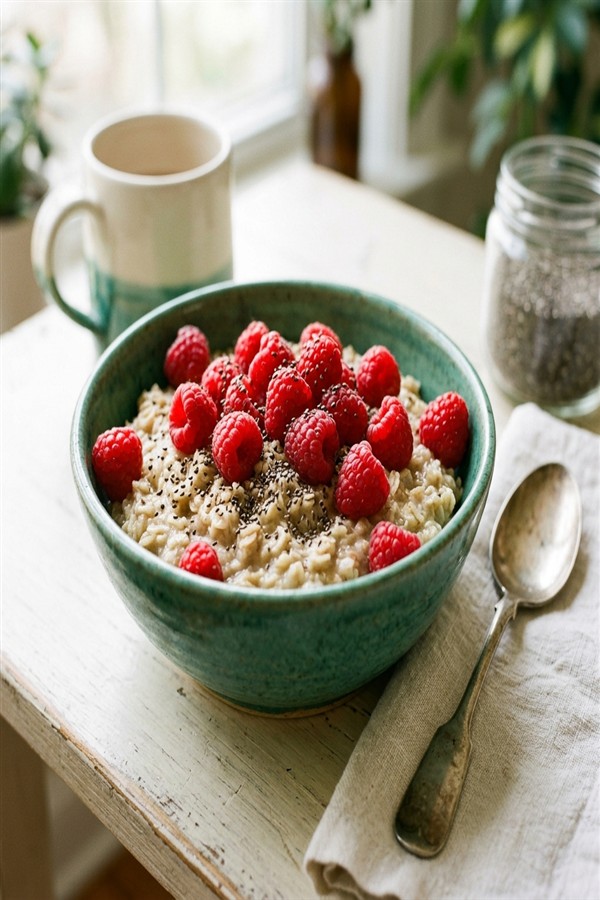
These symptoms can look random when you see them one at a time. Together, they form one of the clearest patterns of a stressed gut-brain axis.
1. Bloating That Gets Worse When You’re Stressed
If your stomach seems calmer on slower weekends and worse during hectic workdays, that is a clue worth taking seriously. Stress changes motility, stomach acid, blood flow to the digestive tract, and even the way you perceive discomfort. When your nervous system thinks you need to fight, flee, or power through, digestion becomes less of a priority. Food can sit heavier, gas can build more easily, and even a normal amount of abdominal pressure can feel amplified.
Johns Hopkins Medicine has written about this brain-gut link clearly: stress can worsen digestive symptoms, and digestive discomfort can then feed stress right back into the loop. The most useful move here is usually not a supplement. It is reducing digestive friction. Eat smaller meals when you’re under heavy stress. Favor cooked vegetables over giant raw salads. Sip ginger or peppermint tea. Slow your eating down enough for your body to register safety. If this is your dominant pattern, our guide to nervous system regulation tips pairs naturally with the food strategies in this article.
2. Brain Fog After Meals
Brain fog after eating usually has more than one cause. Sometimes it is a blood sugar swing. Sometimes it is a heavy ultra-processed meal. Sometimes it is reactive digestion, where bloating, discomfort, and fatigue all appear together after certain foods. This is one of the most overlooked gut health and brain fog patterns because people often blame their schedule before they really look at the meal itself.
One of the best first steps is to clean up breakfast and lunch before chasing complicated solutions. Build those meals around protein, fiber, and gentler carbohydrates. Oats with chia and berries usually land much better than a pastry and coffee. Eggs with fruit and toast usually work better than skipping breakfast and trying to get through the morning on caffeine alone. If brain fog tends to show up with digestive irritation, a simple gut-lining support product can be reasonable. For plain L-glutamine powder or other gut basics, iHerb is an easy approved place to compare cleaner formulas.
3. Anxiety That Seems to Come Out of Nowhere
Anxiety is complex, and it deserves to be talked about carefully. Not all anxiety starts in the gut, and gut support is not a replacement for mental health care. But there is a real connection between gut bacteria, inflammatory signaling, cortisol, and the way your body processes stress. That is why some people notice their anxiety gets louder when digestion is off, when they are constipated, after antibiotics, or during stretches when they are running on caffeine and very little food.
Researchers in Molecular Psychiatry reviewed the microbiome and mental health literature and found meaningful associations between gut microbiota composition and conditions involving stress and mood regulation. (Nature / Molecular Psychiatry) The practical takeaway is not “your microbiome caused your anxiety.” It is that a more stable gut environment can make your nervous system more resilient. Eat real meals at predictable times. Reduce coffee on an empty stomach. Add magnesium-rich foods such as pumpkin seeds, leafy greens, and dark chocolate. If anxiety is persistent or severe, talk to a licensed healthcare professional.
4. Constipation or Loose Stools When Life Feels Chaotic
One of the clearest signs of gut-brain involvement is that your bowel habits change when your life gets messy. For some people, stress slows everything down and constipation gets worse. For others, stress speeds the system up and they feel urgency or loose stools. Neither pattern is unusual. They are two different versions of the same fight-or-flight digestion problem.
What helps most is consistency. Eat meals at roughly the same times each day. Drink enough water to support motility. Walk for 10 minutes after at least one meal. And if you are increasing fiber, do it gradually instead of dumping 20 extra grams into your day overnight. A lot of people add a smoothie, cereal, beans, flax, and a supplement all at once, then blame fiber when the real issue was pace. If that sounds familiar, read fibermaxxing benefits next.
5. Intense Sugar Cravings and Mood Dips
Cravings are not always about discipline. They are often about instability. If your meals are low in protein, low in fiber, or spaced too far apart, your blood sugar tends to swing harder. Those swings can show up as shakiness, irritability, urgent cravings, and the kind of emotional drop that makes you feel like you need sugar now. Poor sleep and chronic stress make this even louder. So can a microbiome that is underfed and low in diversity.
This is one of the most useful places to intervene because the payoff is usually fast. Try protein plus fiber within one to two hours of waking. Think Greek yogurt with chia and berries, eggs with oats, or a smoothie with protein, flax, and frozen fruit. Then look closely at the late-afternoon stretch, because that is where many readers start to unravel. Pair fruit with fat or protein instead of eating sweets on an empty system.
6. Poor Sleep Plus Early-Morning Gut Issues
When sleep gets worse, gut symptoms often follow. Short sleep changes hunger hormones, makes you more reactive to stress, and increases the odds that the next day will run on caffeine, sugar, and convenience food. At the same time, a disrupted gut can make it harder to settle into restful sleep. That is why some readers feel wired at night, then wake up with urgency, nausea, bloating, or no appetite at all.
The fix here is rhythm. Eat dinner earlier. Keep alcohol low if your gut is already touchy. Shut the kitchen two hours before bed when possible. Build an evening pattern that tells your body the stressful part of the day is over. Magnesium can help some people, especially when sleep problems and stress tension travel together. If you want a straightforward option, Life Extension is one of the approved brands I would look at first for magnesium support. Just keep the expectation realistic: supplements can support the rhythm, but they cannot replace it.
7. Low Mood or Feeling “Flat” Alongside Digestive Problems
This is the symptom cluster that deserves the most nuance. A low or flat mood can have many causes, including depression, chronic stress, grief, medication effects, hormone changes, and sleep deprivation. Gut support is not a substitute for evaluation or treatment when the symptoms are serious. But when low mood shows up next to bloating, irregular bowel habits, cravings, fatigue, and low resilience, the gut-brain connection deserves a place in the conversation.
Inflammation is one reason. Blood sugar instability is another. A low-diversity microbiome is another. In the Stanford fermented foods study published in Cell, participants who increased fermented foods improved microbiome diversity and reduced multiple inflammatory markers at the same time. That does not mean fermented foods “treat depression.” It means lowering inflammatory load and improving gut signaling can make the whole system less burdened. This is the point where a mood-support probiotic may make sense for the right person. For approved brands, I would start with Life Extension or iHerb for multi-strain options after your food foundations are in place.
Why Gut Brain Connection Symptoms Show Up Together
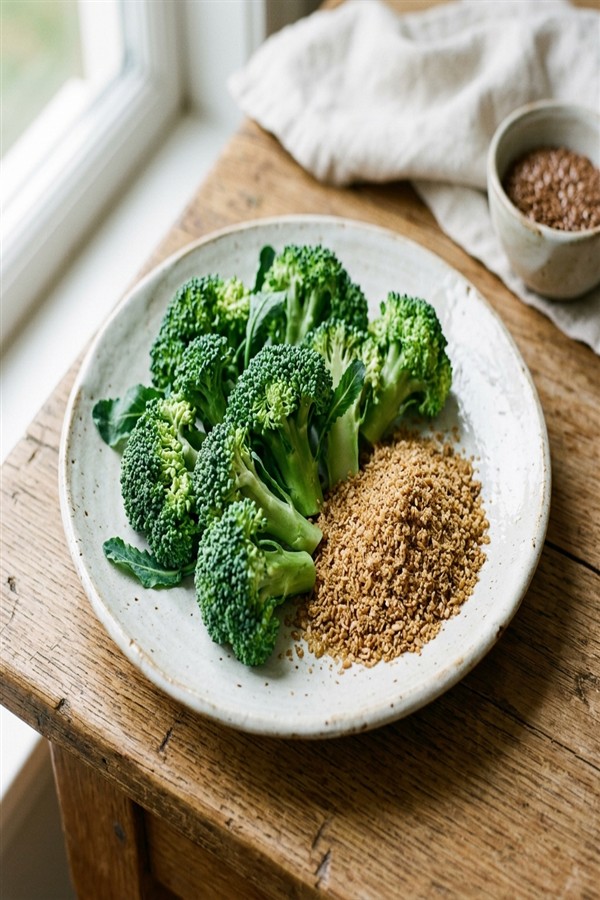
You do not need to memorize every microbiome term to make progress, but four pathways matter most. The first is the vagus nerve, the fast communication line between brain and gut. Slow breathing, thorough chewing, and calmer meals help it send a stronger “safe to digest” signal.
The second is inflammation. A gut irritated by ultra-processed food, alcohol, poor sleep, or chronic stress can send inflammatory signals that affect mood and mental clarity. The third is microbial metabolites and neurotransmitter signaling. Gut microbes produce compounds such as short-chain fatty acids that influence barrier health and brain signaling. The fourth is stress hormones and blood sugar. High cortisol and unstable meals can derail digestion fast, then digestive discomfort raises stress again.
That is why steady meals, better sleep, more plant diversity, and calmer eating work so reliably. They improve the inputs shaping the whole system. If you also notice that symptoms shift with your cycle, our guide to cycle syncing diet plan can help you match food rhythm to hormonal rhythm.
The 3-Day Calm Gut / Clear Mind Reset
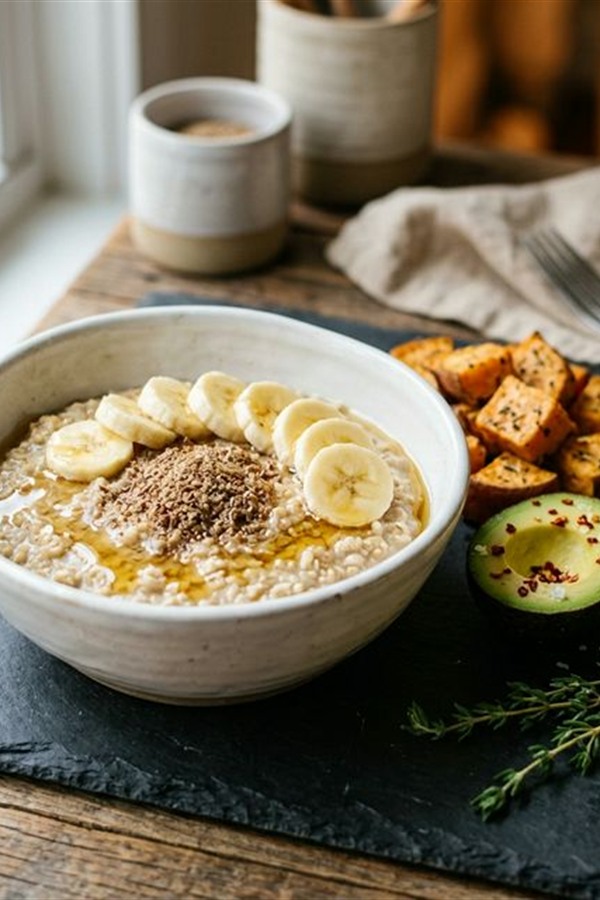
This is not a detox and it is not meant to be dramatic. It is a short reset designed to lower digestive friction, stabilize blood sugar, and give your nervous system a break.
Day 1: Remove the Loudest Aggravators
Skip alcohol for the day. Delay coffee until after food. Replace one ultra-processed meal with a simple plate built around protein, cooked vegetables, and a fiber-rich carbohydrate. Then take a 10-minute walk after dinner. Day 1 is less about adding healthy things and more about creating less static in the system.
Day 2: Feed the Microbiome
Aim for eight to ten plant foods across the day. That can include oats, berries, chia, flax, greens, beans, herbs, onions, or garlic if you tolerate them well. Add one or two servings of fermented food, such as kefir, yogurt with live cultures, kimchi, sauerkraut, miso, or tempeh. The goal is diversity and consistency. If you need help with the fermented side, read fermented foods benefits next.
Day 3: Regulate the Rhythm
Eat at roughly the same times. Do five slow breaths before each meal. Stop eating two hours before bed if possible. Pay attention to what changes. Are you less bloated? Less foggy after lunch? Less frantic for sugar in the afternoon? Sleeping a little better? If you have IBS or a very reactive gut, ramp fiber gently during this reset instead of trying to do everything at once.
What to Eat More Often When Gut Brain Connection Symptoms Hit

The fastest wins usually come from repeating a few supportive foods more often, not from building a flawless meal plan.
Start with fiber-rich plants that help steady digestion and blood sugar. Oats, chia, flax, beans, lentils, berries, pears, leafy greens, and cooked vegetables all help. These foods feed gut bacteria and support short-chain fatty acid production. If you need a broader gut reset built around female biology, gut health tips for women pairs well with this article.
Then add fermented foods consistently. A small daily serving beats a large occasional serving. Kefir, yogurt with live cultures, kimchi, sauerkraut, miso, and tempeh are practical choices. You can also support the gut-brain axis with omega-3-rich foods, magnesium-rich foods, and polyphenol-rich foods such as salmon, walnuts, pumpkin seeds, berries, green tea, and olive oil.
It also helps to notice what tends to make symptoms worse. Common culprits include chronic under-eating, too much caffeine, high-sugar breakfasts, late heavy meals, alcohol, poor sleep, and highly processed foods. Watch patterns, not perfection.
Frequently Asked Questions
What are the signs of gut-brain connection issues?
The most common signs are symptom patterns that show up together: bloating during stress, brain fog after meals, anxiety with digestive flare-ups, poor sleep, cravings, and bowel habits that change when life gets more chaotic.
How does poor gut health affect your mood?
Poor gut health can affect mood through inflammation, blood sugar instability, stress hormone signaling, and changes in the microbiome.
Can fixing your gut improve mental health?
Supporting your gut can improve digestion, energy, sleep quality, and mood stability for some people. It is supportive care, not a replacement for therapy or medical care.
What foods support the gut-brain axis?
High-fiber plant foods, fermented foods, omega-3-rich foods, magnesium-rich foods, and meals that keep blood sugar steadier are the best place to start. Oats, berries, chia, beans, kefir, yogurt, salmon, pumpkin seeds, leafy greens, and olive oil are all solid options.
Is there a connection between gut bacteria and anxiety?
Yes. Research suggests gut bacteria are connected to stress response and anxiety patterns through inflammation, microbial metabolites, and communication along the gut-brain axis.
What supplements help the gut-brain connection?
The most natural-fit options are a quality probiotic, magnesium glycinate, and in selected cases a gut-lining support product such as L-glutamine. Use them after cleaning up meals, sleep, stress, and daily rhythm first.
The Bottom Line
The biggest mistake most people make with gut brain connection symptoms is treating each symptom like its own problem. But when those symptoms keep traveling together, your body is usually telling one bigger story.
The good news is that the first steps are simple. Eat real meals more consistently. Add fiber and fermented foods gradually. Reduce the inputs that make your gut louder. Breathe before you eat. Sleep earlier. Walk after dinner. None of that is flashy, but it tends to calm the whole system down.
Related reading:
If you are serious about supporting both digestion and stress resilience, start with a steadier daily rhythm and use supplements to fill gaps, not to carry the whole load.
The information on this site is for educational purposes only and is not intended as medical advice. Always consult a qualified healthcare provider before making any changes to your diet, exercise routine, or supplement use.

About Jane Smith
We turn solid evidence into everyday habits Americans can actually do—plain English, cups/oz, grocery-aisle swaps, and routines that fit real life. Our editorial process: Experience—we road-test tips in real schedules…