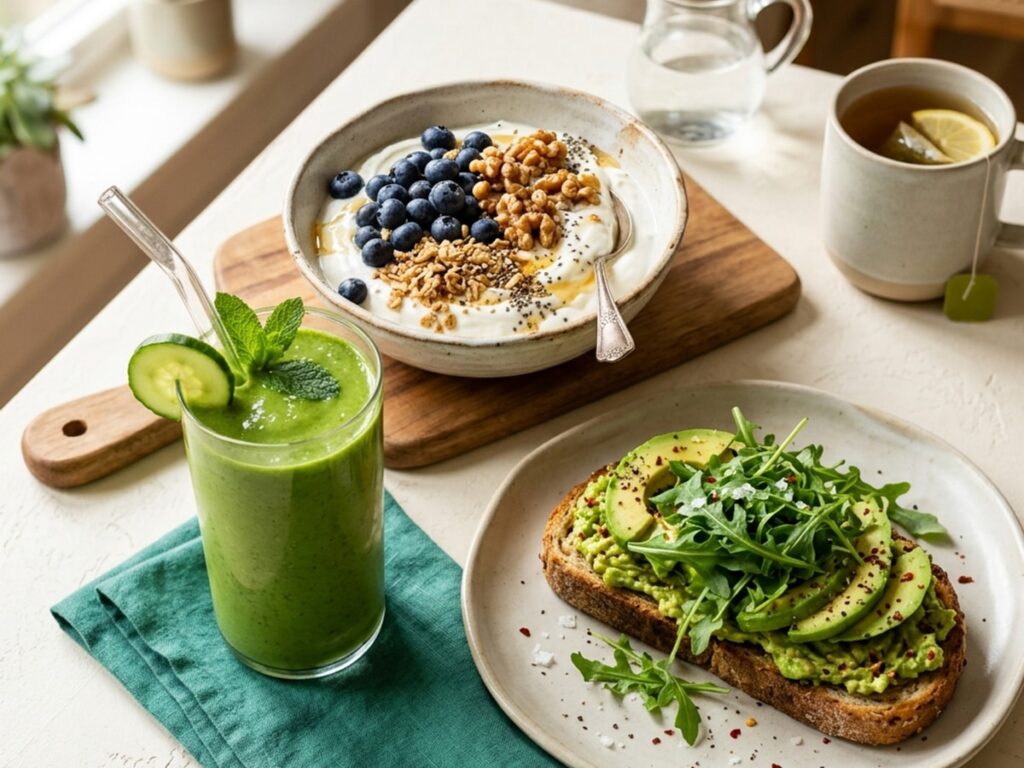
Foods That Look Like Organs: Myth vs. Science
You’ve probably seen the infographic that says certain foods “look like” body parts—so they must support those organs. It’s catchy,...
You’ve probably seen the infographic that says certain foods “look like” body parts—so they must support those organs. It’s catchy, it’s shareable, and it feels like a shortcut to eating healthier. But is the claim actually true? This article breaks down the “doctrine of signatures foods” idea (where it came from, why it went viral, and what nutrition science really says). You’ll also get a simple, practical grocery-list approach for supporting heart, brain, eye, gut, and blood sugar health—without relying on looks alone.
Doctrine of Signatures Foods: The Viral Claim in One Minute
Before we dig into history and science, let’s zoom in on what the “doctrine of signatures foods” infographic is really trying to do.

👉 For a deeper dive into getting all your essential vitamins, check out: Essential Vitamins: Best Vitamin-Rich Foods List — it’s packed with practical tips.
Doctrine of Signatures Foods: What the Infographic Is Saying
The core message is simple: foods often resemble what they support—like walnuts for the brain, carrots for eyes, tomatoes for the heart, and kidney beans for kidneys. It’s a fun pattern-matching trick, and it can be motivating if it gets you to add more produce to your cart. For example, someone who never buys nuts might start grabbing a 1-oz handful of walnuts (about 14 halves) as a snack because the “brain” idea is memorable. The problem is that resemblance isn’t evidence. A food can look like an organ and still have no special effect on that organ beyond general nutrition.
👉 Want to go further? Our complete breakdown of Iron Deficiency Diet: Foods to Eat and Avoid walks you through spotting nutrient deficiencies early step by step.
Doctrine of Signatures Foods: The Quick Truth—“Looks Like” Isn’t “Works Like”
Here’s the reality: your body doesn’t “recognize” foods by shape. What matters is the nutrients, the overall diet pattern, and your personal health context. A tomato slice may look like a heart, but heart support comes more reliably from habits like limiting ultra-processed foods, eating more fiber, and managing blood pressure and cholesterol with your clinician if needed. Think of “doctrine of signatures foods” as a memory hook, not a health rule. It’s fine to use it as a starting point—just don’t treat it like a proven map of organ-specific cures.
👉 If you’re also working on kidney health and function, our detailed guide on Best Foods and Drinks for Kidney Detox covers exactly what you need.
Doctrine of Signatures Foods: The “Doctrine of Signatures” Explained
Now that you know what the viral claim is, it helps to understand where the “doctrine of signatures foods” idea comes from and how it fits (or doesn’t) with modern nutrition.

Doctrine of Signatures Foods: Where the Idea Came From (and Why It’s Trending Again)
The “doctrine of signatures” is an old concept from traditional herbal practice: a plant’s appearance was believed to signal its healing purpose. Today, it’s trending again because it plays perfectly with social media: quick visuals, easy categories, and a satisfying “aha.” You can see the appeal in a grocery store moment—standing in front of produce, it’s easier to remember “carrots = eyes” than a list of nutrients. But popularity isn’t proof. The modern version is mostly an educational shortcut that encourages people to eat whole foods, not a scientifically validated system for matching shapes to organs.
Doctrine of Signatures Foods: What Modern Nutrition Science Can—and Can’t—Confirm
Nutrition research can support some pairings, but for reasons unrelated to appearance. Carrots, for instance, contain beta-carotene, which your body can convert into vitamin A—important for vision. Walnuts offer healthy fats and antioxidants that may fit into a brain-supportive eating pattern. That said, it’s rarely “eat X and fix Y.” A realistic example: adding ½ cup of cooked carrots a few times a week can help you meet produce goals, but it won’t instantly improve eyesight or replace an eye exam. Science supports balanced patterns (like higher fiber, more unsaturated fats, and more vegetables), not organ-shaped guarantees.
Doctrine of Signatures Foods: Reality Check on the Most Popular Pairings
With the background in place, let’s reality-check the most shared “doctrine of signatures foods” pairings and translate them into practical, low-hype guidance.
Doctrine of Signatures Foods: Eyes and Brain (Carrots + Walnuts)
Carrots and eyes is the classic example—and it’s partially grounded in nutrition. Beta-carotene can support vitamin A status, and vitamin A is essential for normal vision. In real life, that means carrots are a smart choice, especially when you eat them with a little fat for absorption—like 1 cup of baby carrots with 2 tbsp hummus. Walnuts for brain health also makes some sense because they’re rich in unsaturated fats and plant compounds. A realistic routine: sprinkle 1 tbsp chopped walnuts on oatmeal or yogurt a few days a week. Still, neither food is a magic bullet for memory, focus, or vision problems—sleep, movement, and overall diet quality matter more.
Doctrine of Signatures Foods: Heart, Gut, and Blood Sugar (Tomatoes + Ginger + Sweet Potato)
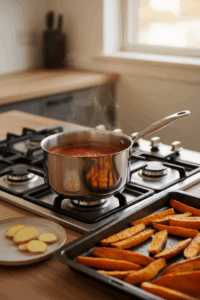
Tomatoes get linked to the heart, often because of lycopene and their place in vegetable-forward meals. A practical heart-friendly move is swapping in more tomato-based dishes at home: try a quick skillet pasta sauce using 1 (14.5-oz) can diced tomatoes and herbs. Ginger is often tied to “stomach support,” and there’s decent evidence for nausea relief in some situations. A simple use-case is steeping 1-inch fresh ginger in hot water for tea—especially when you’re feeling queasy. Sweet potatoes are linked to the pancreas/blood sugar conversation because they’re a carb source with fiber. Portion matters: try ½ medium sweet potato (about the size of your fist) with protein and a non-starchy veggie to keep meals more balanced.
Doctrine of Signatures Foods: A Smarter “Organ Support” Shopping List
Instead of relying on looks, you can use the “doctrine of signatures foods” trend as a bridge to a more reliable strategy: build meals around evidence-based nutrients and habits.
Doctrine of Signatures Foods: Weekly Swaps That Support Heart and Brain
Start with two grocery-store anchors: fiber + unsaturated fats. For heart support, aim to add one extra high-fiber item per day—like ½ cup beans, 1 apple, or 1 cup berries—and swap in olive oil or nuts more often than butter. For brain support, keep it simple: add a small serving of nuts or seeds to breakfast, and include fatty fish when you can. A realistic example for a busy week: buy a 12-oz bag of frozen salmon and cook it at 400°F for about 12–15 minutes (timing varies by thickness). Pair with a microwave-steam veggie and a whole grain, and you’ve got a practical baseline.
Doctrine of Signatures Foods: Gut and Blood Sugar Basics That Beat “Look-Alikes”
For gut support, think “regularity + comfort”: fiber, hydration, and foods you personally tolerate well. A low-effort move is adding 1 tbsp chia seeds to a smoothie or yogurt, plus drinking water with meals. For blood sugar steadiness, the best “rule” is plate balance: ½ plate non-starchy vegetables, ¼ protein, ¼ carbs. Example dinner: roasted broccoli, chicken, and ½ cup cooked brown rice. If you’re using sweet potatoes, keep the portion reasonable and pair it with protein. This approach supports energy and cravings better than chasing “organ-shaped” foods—especially if you’re managing prediabetes or diabetes with your care team.
Tips & swaps (doctrine of signatures foods):
- Add fat with carrots: hummus, olive oil, or avocado for better absorption.
- Keep walnuts portioned: 1 oz is plenty for most snacks.
- Choose low-sodium canned tomatoes to support heart-friendly cooking.
- Use ginger in small amounts first: start with ¼ tsp ground ginger.
- Balance sweet potato with protein to steady energy after meals.
- If you need vitamin D, mushrooms help—but sunlight or supplements may be needed.
FAQs (doctrine of signatures foods):
Is the doctrine of signatures foods concept “fake”?
It’s not a reliable scientific system, but it’s not totally useless either. The “looks like” claim isn’t evidence. However, if it helps you remember to eat more whole foods (like vegetables, beans, and nuts), it can be a harmless motivation tool—just don’t treat it like medical advice.
Do carrots actually improve eyesight right away?
Carrots support vitamin A intake, which is important for normal vision, but they won’t “fix” vision issues overnight. If you have blurry vision, night vision changes, or eye pain, an eye exam matters more than adding extra carrots to your diet.
Are walnuts the best food for brain health?
Walnuts can fit into a brain-supportive pattern because they provide healthy fats and antioxidants, but they aren’t uniquely “brain-specific.” A more dependable approach is an overall diet with plenty of plants, adequate protein, and consistent sleep—plus managing blood pressure and blood sugar.
Should people with kidney disease eat kidney beans?
If you have kidney disease, your diet may need potassium or phosphorus limits, so beans might require portion guidance. For many healthy adults, beans are a great fiber and protein source. If you’re unsure, ask your clinician or a registered dietitian for personalized advice.
How much ginger is safe for stomach support?
Many people do well with small amounts, like ginger tea from a 1-inch piece of fresh ginger or ¼–½ tsp ground ginger in food. If you’re pregnant, on blood thinners, or have reflux that worsens with ginger, check with a clinician first.
CTA: Want more myth-busting wellness guides that turn viral tips into practical grocery lists? Browse our latest nutrition articles, and save this one for your next shopping trip.
Disclaimer: This content is for informational purposes only and is not a substitute for professional medical advice.

About Jane Smith
We turn solid evidence into everyday habits Americans can actually do—plain English, cups/oz, grocery-aisle swaps, and routines that fit real life. Our editorial process: Experience—we road-test tips in real schedules…