Foods for Thyroid Health: Best Foods to Eat and Avoid
The thyroid is a small gland, but it plays a massive role in your metabolism, energy levels, and hormone balance....
The thyroid is a small gland, but it plays a massive role in your metabolism, energy levels, and hormone balance. Choosing the right foods for thyroid health can help support hormone production, maintain energy, and protect long-term metabolic health. In the United States, many everyday foods from iodized salt to fatty fish—contain nutrients that help the thyroid function properly.
This guide explains the best foods for thyroid health, foods to limit, and practical tips for building a balanced thyroid-friendly diet using ingredients easily found in American grocery stores.
Why Foods for Thyroid Health Matter
Supporting thyroid function begins with nutrition. The thyroid gland depends on several nutrients—particularly iodine, selenium, and protein—to produce hormones that regulate metabolism and body temperature.
How the Thyroid Uses Nutrients From Foods for Thyroid Health
The thyroid gland produces two key hormones: T3 (triiodothyronine) and T4 (thyroxine). These hormones control how your body converts food into energy. Without the right foods for thyroid health, the gland may struggle to maintain proper hormone levels.
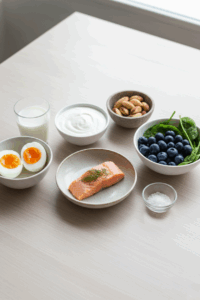
Iodine is the most critical nutrient for thyroid hormone production. In the United States, iodized salt is a major dietary source. Just ¼ teaspoon of iodized salt contains about 70 micrograms of iodine, nearly half the recommended daily intake for adults (150 mcg).
Selenium also plays a key role. It helps convert T4 into the active hormone T3. For example, one Brazil nut can contain 70–90 micrograms of selenium, making it one of the most concentrated sources. Without adequate selenium, the thyroid may not activate hormones efficiently.
Signs Your Body May Need More Foods for Thyroid Health
Many thyroid imbalances develop slowly. Eating balanced foods for thyroid health may help support normal thyroid function and prevent nutrient deficiencies.
Common symptoms that may indicate thyroid support is needed include:
- Persistent fatigue despite adequate sleep
- Weight changes without major diet shifts
- Dry skin or brittle hair
- Sensitivity to cold temperatures
- Brain fog or slowed thinking
For example, people with low iodine intake may experience fatigue and sluggish metabolism over time. However, symptoms can vary widely, which is why maintaining a nutrient-rich diet is essential.
Best Foods for Thyroid Health
Certain nutrients consistently appear in research related to thyroid health. Including these foods for thyroid health regularly can help support normal hormone production.
Iodine-Rich Foods for Thyroid Health
Iodine is the primary building block of thyroid hormones. Without adequate iodine intake, the thyroid gland cannot produce sufficient T3 and T4 hormones.
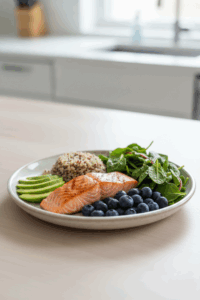
Some of the most accessible foods for thyroid health rich in iodine include:
- Iodized salt – about 70 mcg per ¼ teaspoon
- Seafood like cod or shrimp – 3 oz cooked cod contains roughly 100 mcg iodine
- Dairy products – 1 cup milk often provides about 50–60 mcg iodine
- Eggs – one large egg provides around 24 mcg iodine
For example, a simple breakfast of scrambled eggs with a glass of milk can supply over 80 micrograms of iodine, covering more than half the daily requirement.
Moderation is important. Excess iodine can also disrupt thyroid balance, so the goal is consistent intake rather than very high amounts.
Selenium-Rich Foods for Thyroid Health
Selenium protects thyroid cells from oxidative stress and helps activate thyroid hormones. Including selenium-rich foods for thyroid health supports hormone balance and overall metabolic health.
Top selenium sources include:
- Brazil nuts – 1–2 nuts can meet the daily requirement
- Tuna or salmon – about 90 mcg per 3 oz serving
- Turkey breast – around 30 mcg per 3 oz
- Sunflower seeds – roughly 20 mcg per ounce
For example, adding 2 Brazil nuts to breakfast yogurt can easily provide your daily selenium needs.
Selenium intake should also remain moderate. Experts generally recommend staying below 400 micrograms per day to avoid excessive intake.
Omega-3 and Antioxidant Foods for Thyroid Health
Anti-inflammatory nutrients may help support thyroid health by reducing cellular stress. Omega-3 fats and antioxidants appear particularly beneficial.
Helpful foods for thyroid health in this category include:
- Fatty fish like salmon or sardines (rich in omega-3)
- Blueberries and other berries (high in antioxidants)
- Greek yogurt for protein and iodine
- Leafy greens for vitamins and minerals
For instance, a dinner with 4 oz baked salmon, roasted vegetables, and blueberries for dessert provides omega-3 fats, antioxidants, and fiber—all helpful nutrients for thyroid health.
Foods That May Interfere With Thyroid Health
Just as some foods support thyroid function, others may interfere when consumed in excess. Understanding which foods to limit can help balance your thyroid-friendly diet.

Ultra-Processed Foods and Excess Sugar
Highly processed foods are among the most common dietary factors that may affect thyroid health. These foods often contain excessive sugar, refined oils, and additives that contribute to inflammation.
Examples include:
- Sugary energy drinks
- Packaged snack cakes
- Fast-food burgers and fries
- Processed frozen meals
For example, a single 16-oz energy drink may contain 50 grams of sugar, far exceeding recommended daily sugar intake.
Regular consumption of these foods may contribute to weight gain and metabolic stress, both of which can influence thyroid hormone balance. Replacing ultra-processed foods with whole ingredients is one of the easiest ways to improve thyroid nutrition.
Soy Products and Potential Thyroid Interference
Soy foods are widely used in plant-based diets. However, large amounts of soy may interfere with iodine absorption and thyroid hormone production in certain cases.
Examples of high-soy foods include:
- Soy milk
- Tofu
- Soy protein powders
- Processed soy snacks
Research suggests moderate soy intake—such as one serving per day of tofu or soy milk—is generally safe for most people with adequate iodine intake.
Problems may arise when soy is consumed in very high quantities or when iodine intake is insufficient. If soy is a regular part of your diet, ensuring adequate iodine from foods like iodized salt or seafood becomes especially important.
How to Build a Thyroid-Friendly Diet With Foods for Thyroid Health
Creating a balanced diet doesn’t require complicated meal plans. By combining several nutrient-dense foods for thyroid health, you can support thyroid function while enjoying simple meals.
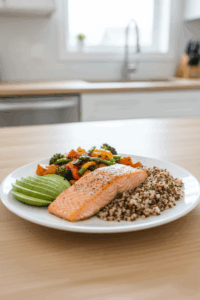
Simple Daily Meal Ideas Using Foods for Thyroid Health
A thyroid-friendly day of eating might look like this:
Breakfast:
Greek yogurt with blueberries and 2 Brazil nuts
Lunch:
Grilled salmon salad with olive oil dressing
Snack:
Apple slices with almond butter
Dinner:
Roasted chicken, quinoa, and steamed vegetables
This type of meal pattern provides iodine, selenium, omega-3 fats, and antioxidants—key nutrients for thyroid health.
Practical Nutrition Tips for Foods for Thyroid Health
Small changes can make a meaningful difference when building a thyroid-supportive diet.
Helpful tips:
- Use iodized salt instead of specialty salts when cooking.
- Include fatty fish twice weekly for omega-3 fats.
- Limit ultra-processed foods to occasional treats.
- Eat 1–2 Brazil nuts daily for selenium.
- Choose whole foods over packaged snacks whenever possible.
These strategies help create a diet naturally rich in foods for thyroid health without requiring strict restrictions.
FAQs About Foods for Thyroid Health
What are the best foods for thyroid health?
The best foods for thyroid health provide iodine, selenium, protein, and antioxidants. Examples include iodized salt, seafood, Brazil nuts, eggs, Greek yogurt, fatty fish, and berries. These foods help support thyroid hormone production and protect thyroid cells from oxidative stress.
Are there foods people with thyroid problems should avoid?
People concerned about thyroid health may benefit from limiting ultra-processed foods, excessive sugar, and extremely high soy intake. Occasional consumption is generally fine, but a balanced diet rich in whole foods tends to support thyroid health more effectively.
Can diet alone fix thyroid problems?
Diet supports thyroid health but usually cannot replace medical treatment for diagnosed thyroid conditions. For example, hypothyroidism often requires prescription thyroid hormone replacement. However, nutrient-rich foods for thyroid health can complement medical care and help maintain overall metabolic balance.
How much iodine do adults need daily?
The recommended iodine intake for adults in the United States is 150 micrograms per day. Pregnant women may require about 220 micrograms daily. Using iodized salt and consuming seafood or dairy regularly typically helps meet these requirements.
Do cruciferous vegetables harm the thyroid?
Vegetables like broccoli, cabbage, and kale contain compounds called goitrogens, but they are unlikely to affect thyroid function when eaten in normal amounts. Cooking these vegetables reduces their goitrogen content significantly. Eating 1–2 cups of cooked cruciferous vegetables daily is generally considered safe.
Final Thoughts on Foods for Thyroid Health
Supporting thyroid function doesn’t require extreme diets. A balanced routine built around foods for thyroid health—like iodized salt, fatty fish, Brazil nuts, and berries can help nourish the body and maintain healthy hormone levels.
If you’re looking to improve your nutrition, start by adding one or two thyroid-supportive foods to your meals this week.
Want more practical nutrition guides like this? Explore our wellness resources and discover simple ways to support your health through everyday food choices.
Disclaimer: This content is for informational purposes only and is not a substitute for professional medical advice.

About Jane Smith
We turn solid evidence into everyday habits Americans can actually do—plain English, cups/oz, grocery-aisle swaps, and routines that fit real life. Our editorial process: Experience—we road-test tips in real schedules…