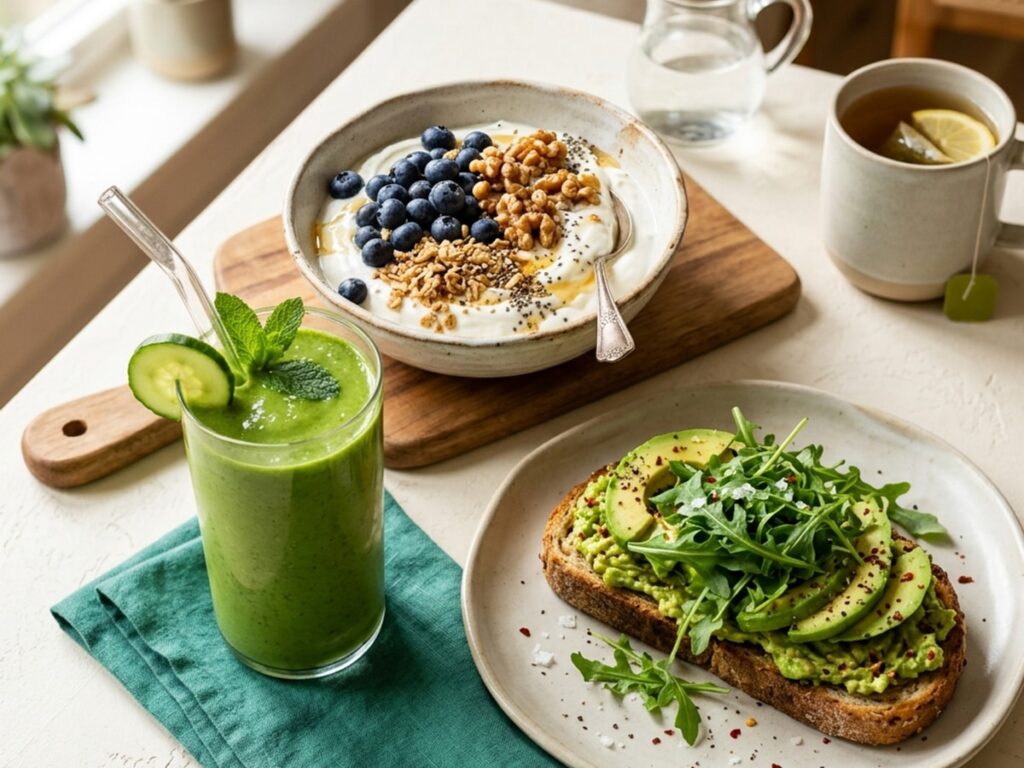
Foods for Organ Health: The 4-Organ, 4-Food Pairing Guide
Your gallbladder, bladder, spleen, and tongue do more than you think — and they each have one specific food ally. This guide shows you exactly what to eat, and what to stop eating, for all four.
- The 4 Organs That Don't Get Enough Credit — Until Something Breaks
- Foods for Gallbladder Health: Why Green Vegetables Are Your Best Ally
- Bladder Health: What Buttermilk Does That No One Talks About
- Spleen Health: The Surprising Thing Raisins Do for Your Immune System
- Tongue Health: Why Cloves Work When Nothing Else Does
- The 5 Foods That Are Quietly Damaging All Four Organs
- Your 7-Day Organ Protection Meal Plan
- Frequently Asked Questions
- The Bottom Line
Disclosure: This post contains affiliate links. If you purchase through these links, we may earn a small commission at no extra cost to you. We only recommend products we genuinely use and believe in.
You already know the basics about foods for organ health. Eat your vegetables. Drink more water. Cut back on sugar. Heart health? Got it. Liver detox? There’s a supplement for that. But there are four organs working overtime every day that almost nobody mentions — until something goes very wrong.
Your gallbladder. Your bladder. Your spleen. Your tongue.
When these four start struggling, you feel it in ways that are genuinely frustrating to track: that heavy bloat after a normal dinner, a UTI that keeps coming back, a fatigue that sleep doesn’t fix, or a white coating on your tongue that reappears no matter how carefully you brush. None of these feel dramatic. But they’re your body sending a signal, and diet is usually part of the answer.
This guide matches one specific foods for gallbladder health and beyond — one food per organ — explains in plain language what it actually does, and gives you a practical 7-day framework to start using it.
Quick Takeaways:
- 🥦 Gallbladder → Green cruciferous vegetables (broccoli, artichoke, spinach)
- 🥛 Bladder → Buttermilk (probiotic cultures that protect from the inside)
- 🍇 Spleen → Raisins (iron + antioxidants for immune support)
- 🌿 Tongue → Cloves (the most effective oral antimicrobial in any kitchen)
- 🚫 Avoid: Fried food, alcohol, diet soda, refined sugar, and processed meat
No dramatic overhaul required. Four additions, five things to cut back on. Give it 6–8 weeks.
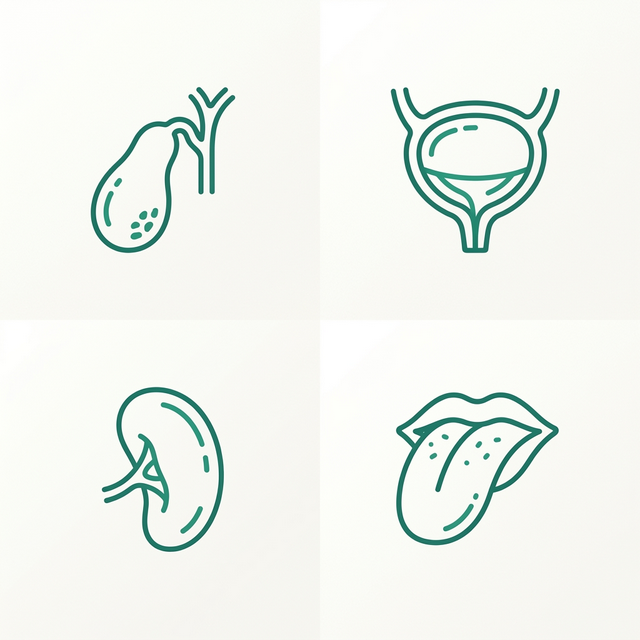
The 4 Organs That Don’t Get Enough Credit — Until Something Breaks
Here’s a quick cheat sheet of what these four organs actually do, and what it feels like when they’re not doing it well.
What Each Organ Actually Does
Your gallbladder is a small pouch tucked just beneath your liver. Its one job: hold onto the bile your liver produces, then release it the moment you eat fat. No bile release, fat doesn’t break down — it just sits there, heavy and uncomfortable, somewhere under your right ribcage.
Your bladder stores urine and flushes waste from your system. Here’s the part most people don’t know: it has its own bacterial community — a microbiome — and when that balance shifts, recurring UTIs and constant urgency follow. That’s not just bad luck. It’s biology.
Your spleen is your immune system’s most underrated organ. It filters old red blood cells, stores platelets, and produces white blood cells on demand. When it’s under-supported, you feel it as a heaviness — a fatigue that a full night’s sleep doesn’t touch.
Your tongue is the front door to your entire digestive system. A pink, clean tongue means everything downstream is likely tracking well. A coated, inflamed, or persistently bad-breath tongue means something in the oral or gut microbiome has gone off-balance.
Warning Signs Worth Paying Attention To
None of these automatically mean something serious. But they’re worth taking as a signal — and diet is one of the most direct tools you have.
Foods for Gallbladder Health: Why Green Vegetables Are Your Best Ally
If you’ve ever felt that specific heaviness after eating pizza or a burger — the kind that parks under your right ribcage and refuses to leave — your gallbladder is very likely the culprit. Sound familiar?
Here’s what’s happening: your gallbladder has to release enough bile to break down the fat you just ate. When bile production is sluggish, or when bile sits too long and becomes concentrated, you get that bloated, sluggish-after-eating feeling. And over time, concentrated bile is exactly what builds into gallstones.
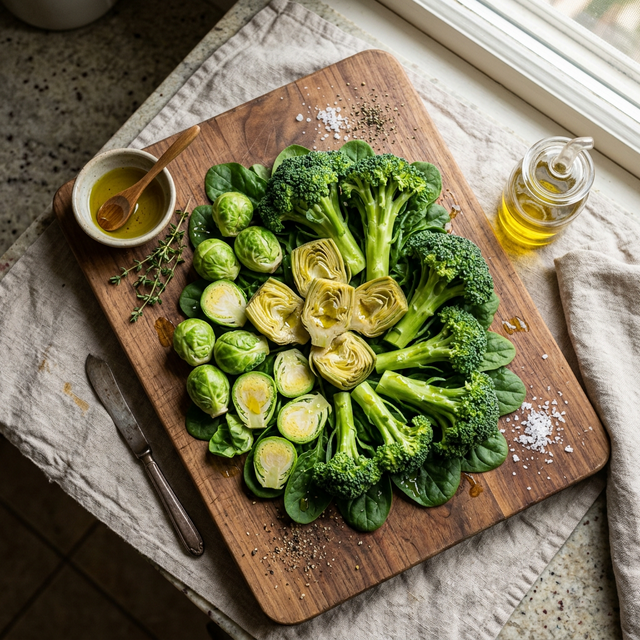
Green cruciferous vegetables are some of the most effective foods for gallbladder health because they contain plant compounds that actively encourage your body to make and release bile more efficiently. The NIH Office of Dietary Supplements has consistently highlighted cruciferous vegetables as some of the most metabolically active foods in the digestive support category.
When I started making a point of adding a cup of cooked broccoli or spinach to dinner a few nights a week — instead of treating vegetables as optional — the heavy post-meal feeling I’d noticed after fatty foods started becoming less frequent within about three weeks.
The Best Green Vegetables for Gallbladder Support
- Broccoli — its fiber binds to bile acids in your gut, helping clear them out before they can recycle and concentrate. Less concentrated bile = less risk.
- Artichoke — contains cynarin, a compound with a direct, documented effect on bile flow from the liver. It’s one of the few foods that does this mechanically, not just indirectly.
- Brussels sprouts — some of the highest concentrations of the plant compounds that trigger bile synthesis.
- Spinach — rich in magnesium, which helps relax the bile duct and allows bile to flow out more freely.
How to Actually Eat Them
You don’t need to eat them raw. Steaming or roasting cruciferous vegetables preserves more of their useful compounds than boiling does. One cup with any meal that contains fat is the practical target. Your gallbladder responds better to regular smaller bile requests than one massive demand.
The simple rule: one serving of cooked cruciferous vegetables per day. That’s the whole intervention.
Already had your gallbladder removed? Your liver still produces bile — it just drips continuously now, rather than being stored. For higher-fat meals, digestive enzyme supplements with lipase can help compensate. Worth a conversation with your doctor if you’re finding fatty meals still cause issues post-surgery.
Bladder Health: What Buttermilk Does That No One Talks About
Here’s something that genuinely surprised me when I first read it: your bladder is not sterile. Most people assume it is. It has its own bacterial community — a microbiome — and when that ecosystem gets disrupted, it creates exactly the conditions that make UTIs and bladder irritation so persistent and difficult to clear.
Most bladder health advice is all about what to cut: caffeine, alcohol, carbonated drinks. That’s useful. But the more interesting question is what you can add to actively protect your bladder from the inside.
Why Buttermilk Works Differently
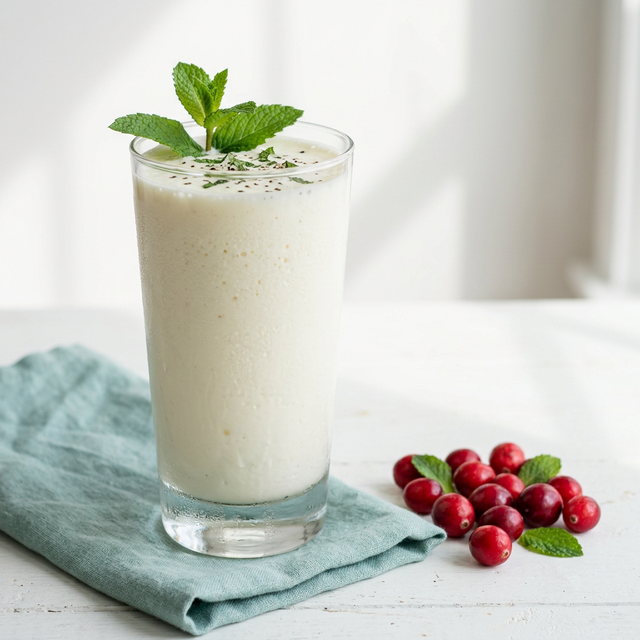
Traditional cultured buttermilk — the fermented kind, not just milk watered down — contains live Lactobacillus bacteria. These are the exact strains your bladder’s microbiome uses naturally to maintain balance and resist harmful organisms.
- Lower in fat than regular milk, so it’s easier on your gallbladder at the same time (cross-organ bonus)
- Easier to digest even for people who have mild dairy sensitivity
- Naturally soothing to the bladder wall — not acidic the way coffee or soft drinks are
Making It Work Day-to-Day
- Lactose intolerant? Swap for kefir. Similar probiotic profile, generally better tolerated, available in most grocery stores now.
- Pair it with cranberry. The D-mannose compound in unsweetened cranberry makes it genuinely harder for bacteria to grip the bladder wall. Buttermilk + cranberry together is one of the more practical dietary pairings for bladder health.
- Keep it consistent. One cup three or four times a week won’t do much. Daily is where the benefit accumulates.
For a broader look at how fermented foods support your whole digestive ecosystem, probiotic-rich foods for gut health is worth reading alongside this.
Spleen Health: The Surprising Thing Raisins Do for Your Immune System
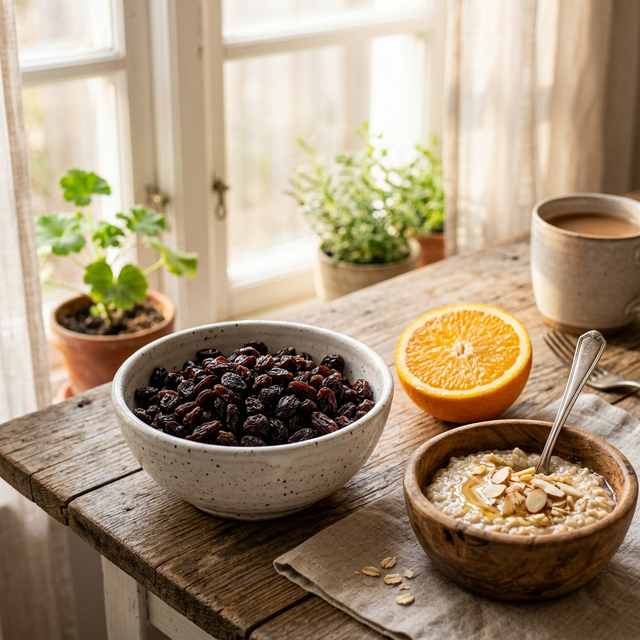
The spleen is one of those organs most people learned about in school and immediately forgot about. Here’s the short version of why it matters: it filters your blood, clears out old red blood cells, stores platelets, and serves as your immune system’s on-call production facility for white blood cells. When it’s working well, you don’t notice it. When it’s not, you feel it as a fatigue that’s different in quality from regular tiredness — heavier, more persistent, and not fixed by sleep.
Why Raisins?
Raisins are one of the most iron-dense foods available in a small serving. And iron is the core material your spleen uses to support red blood cell production. A report from the NIH Office of Dietary Supplements on Iron confirms that consistent iron intake from food sources meaningfully supports blood cell production over time.
Beyond iron, raisins bring:
- Polyphenols (resveratrol and anthocyanins) — antioxidants that reduce low-grade inflammation in soft tissue, including the spleen
- Boron — a trace mineral that plays a surprisingly active role in immune cell activation
- Natural sugars — quickly usable energy that doesn’t tax the spleen’s filtering function
This pattern — iron plus antioxidants supporting multiple body systems — is the same thread that connects spleen health with foods for healthy nails and thyroid function. The same deficiencies show up in each.
I started adding a small handful of raisins to my morning oatmeal mostly out of convenience — it was easier than taking an iron supplement. After about six weeks of doing it consistently, the mid-afternoon energy slump I’d been blaming on coffee timing was noticeably better.
How Many, and When
About 30g — roughly 2 tablespoons — is enough to meaningfully contribute to daily iron intake without loading you with excess natural sugar. Morning is ideal, with oatmeal or yogurt. And here’s a free upgrade: add a vitamin C source alongside. Vitamin C dramatically enhances non-heme iron absorption — by 2–3 times in some studies.
If you want to support both bladder and spleen health with one daily habit, a multi-strain probiotic covering both Lactobacillus and Bifidobacterium strains works across the bladder microbiome, spleen immune function, and gut health simultaneously.
Tongue Health: Why Cloves Work When Nothing Else Does
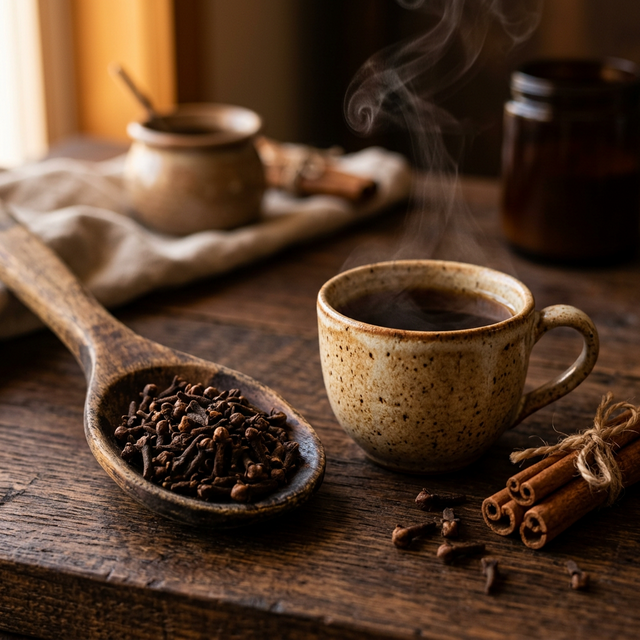
Your tongue is the first barrier between the outside world and your digestive system. When it’s healthy — pink, clean, no coating — things are generally moving in the right direction downstream. When it’s persistently coated, inflamed, or producing bad breath that brushing doesn’t fix, that’s a signal that the bacterial balance in your mouth has gone sideways.
And here’s the part that most people don’t connect: the oral microbiome and the gut microbiome aren’t separate. They’re part of the same continuous ecosystem. Bacteria that overgrow in the mouth don’t stay there.
Cloves: Why They Actually Work
Cloves contain eugenol — a compound that dentists have been using in dental cement and temporary fillings for over a century. Not because it’s traditional. Because it genuinely works on oral bacteria and inflammation.
- Kills Streptococcus mutans — the primary bacteria behind cavities, gum inflammation, and tongue coating
- Works against Candida — the fungal species responsible for the thick white coating some people can’t seem to get rid of
- Reduces inflammation of the taste buds and gum tissue directly
The PubMed record on eugenol’s antimicrobial activity documents this across multiple studied populations. It’s one of the more interesting cases where a common kitchen spice has genuine, clinically-consistent evidence behind it.
I started chewing one clove after dinner about a month ago — partly skeptical, partly curious. By the end of the first week, my tongue looked noticeably cleaner in the morning. By week three, the occasional bad breath I’d notice before my first coffee was mostly gone.
Three Ways to Use Cloves Daily
- Chew 1–2 whole cloves after meals. Sharp and intense at first, but you genuinely adjust within a few days. This is the most direct delivery method.
- Clove tea. Steep 3–4 whole cloves in boiling water for 5 minutes. Mild, warming, and actually pleasant as an after-dinner drink.
- Clove oil mouthwash. 1–2 drops of food-grade clove essential oil stirred into a small glass of water. Swish for 30 seconds. Don’t swallow.
If you want a consistent daily dose without the sharpness, food-grade clove capsules standardized for eugenol content are the easiest solution.
The 5 Foods That Are Quietly Damaging All Four Organs
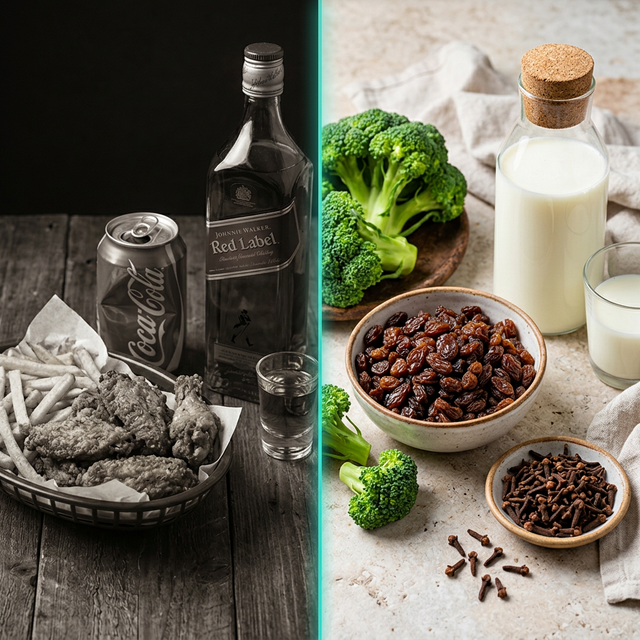
You could eat all four of the foods above consistently — and still feel like nothing’s changing — if these five are still part of your regular rotation.
1. Fried Food
Your gallbladder has to release a large bolus of bile to handle fried food — more than it can manage comfortably in a single sitting. Done occasionally, that’s fine. Done daily, it keeps the bile duct under constant stress and accelerates the conditions that lead to gallstones.
2. Alcohol
Regular alcohol consumption is hard on the spleen specifically — over time it causes it to enlarge and become less efficient, which translates into the exact kind of chronic fatigue that’s easy to misattribute to stress or poor sleep. It also directly irritates the bladder wall and inflames the tongue and oral tissue.
3. Artificial Sweeteners
Saccharin — the sweetener in most diet sodas — has a well-documented irritant effect on the bladder wall. Aspartame disrupts the gut microbiome, which has downstream effects on the bladder’s bacterial environment. If you’re dealing with recurring bladder urgency or UTIs, switching from diet drinks to sparkling water is one of the fastest single changes you can make.
4. Refined Sugar and High-Fructose Corn Syrup
High sugar loads blunt immune function for several hours after consumption. Since the spleen is your immune system’s first responder, it absorbs that cost directly. Sugar also feeds the oral bacteria that cause tongue coating and bad breath — the exact organisms eugenol fights.
5. Excess Red Meat and Processed Meat
Fatty red meat puts constant demand on gallbladder bile release. Processed meats — deli slices, hot dogs, sausages — combine saturated fat with nitrates and sodium, which together disrupt bladder pH and increase inflammation in the bladder wall. This isn’t an argument for eliminating meat. It’s an argument for leaner cuts, smaller portions, and not centering every meal around it.
For a broader look at how this pattern of eating affects systems well beyond digestion, the overlap between these foods and foods that support thyroid health is consistently underappreciated.
Your 7-Day Organ Protection Meal Plan
Knowing what to add and what to pull back is one thing. Having a concrete week to follow is another. This isn’t a strict protocol — it’s a framework. Four or five days out of seven following this pattern consistently is enough to start noticing a difference within 4–6 weeks.
Not on the list: fried food, soda (regular or diet), alcohol, deli meat, candy, artificial sweeteners.

Frequently Asked Questions
What foods are good for gallbladder health?
The best foods for gallbladder health are the ones that keep bile moving — thin, flowing, and regularly released rather than sitting and concentrating. Artichoke is the strongest single option because of its direct bile-stimulating effect. Broccoli, spinach, Brussels sprouts, olive oil, avocado, and lemon water are the rest of the practical list. Eating them consistently alongside moderate-fat meals matters more than any single big dose.
Can cloves actually help tongue and oral health?
Yes — and this one is backed by dentistry, not just folk medicine. Eugenol, the active compound in cloves, kills Streptococcus mutans and fights Candida overgrowth. Dentists have used eugenol in clinical materials for over a century. Chewing a clove after meals or drinking clove tea gets it directly into the oral microbiome where it does its work.
What foods actually help the bladder?
Buttermilk and kefir (probiotic support), unsweetened cranberry (D-mannose), cucumber, and plain water are the most practical daily additions. On the removal side: coffee, alcohol, artificial sweeteners, and carbonated soft drinks all irritate the bladder wall directly and substantially.
Are raisins actually good for spleen health?
Yes, specifically because of iron content and polyphenol antioxidants. The spleen’s primary job involves red blood cell production and turnover — iron is the core input. A daily 30g serving gives you a meaningful boost without excess sugar, especially if you pair it with a vitamin C source to maximize iron absorption.
What should I eat after gallbladder surgery?
Without a gallbladder, bile flows continuously from the liver instead of being stored and released in bursts. High-fat meals in a single sitting cause the most discomfort post-surgery. Focus on smaller meals, lean proteins, and consistent vegetable intake. Cruciferous vegetables are still useful — they support the liver’s ongoing bile production. Digestive enzyme supplements with lipase can help during the adjustment period.
Is buttermilk good for digestive health generally?
Yes — more broadly than most people expect. Its probiotic strains support the oral microbiome, gut environment, and bladder microbiome as part of the same connected ecosystem. It’s lower fat than whole milk, naturally alkaline-forming, and usually manageable even for people with mild lactose sensitivity. Coconut milk kefir is the best alternative if you’re completely dairy-free.
The Bottom Line
Your gallbladder, bladder, spleen, and tongue don’t need heroic interventions. They need consistent, daily support — the kind that comes from what you eat regularly, not what you try once and give up.
The framework is simple: green vegetables for your gallbladder, buttermilk for your bladder, raisins for your spleen, cloves for your tongue. Pull back on fried food, alcohol, diet drinks, sugar, and processed meat. Start with whichever organ feels most relevant to where you are right now — add one food this week, remove one offender, and build from there.
If some of these symptoms — the fatigue, the bloating, the persistent tongue coating — also overlap with low energy, cold sensitivity, or unexplained weight shifts, the mineral and nutrient patterns that affect these organs also connect closely to how diet protects thyroid function. The same deficiencies keep showing up.
Want to support three of these four organs with one daily habit? A multi-strain probiotic covering Lactobacillus and Bifidobacterium strains works across the bladder microbiome, spleen immune function, and gut health simultaneously. If you’re managing symptoms in more than one area, it’s the supplement with the broadest cross-organ coverage.
⚠️ Health Disclaimer: This article is for general educational purposes only and is not a substitute for professional medical advice, diagnosis, or treatment. If you’re experiencing persistent symptoms — including gallbladder pain, recurring UTIs, significant unexplained fatigue, or concerning tongue changes — please consult a qualified healthcare provider. Individual responses to dietary changes vary.
References:
- NIH Office of Dietary Supplements — Iron Fact Sheet. https://ods.od.nih.gov/factsheets/Iron-HealthProfessional/
- Eugenol antimicrobial properties — PubMed. https://pubmed.ncbi.nlm.nih.gov/23768002/
- Bladder microbiome — Pearce MM et al., PLOS ONE, 2014. https://doi.org/10.1371/journal.pone.0090372

About Jane Smith
We turn solid evidence into everyday habits Americans can actually do—plain English, cups/oz, grocery-aisle swaps, and routines that fit real life. Our editorial process: Experience—we road-test tips in real schedules…