What Is a Fart Walk? The Viral Trend Rooted in Traditional Self-Care
You have likely seen it all over your social media feeds, especially around the holidays—people bundling up after a heavy...
You have likely seen it all over your social media feeds, especially around the holidays—people bundling up after a heavy dinner to go on what they lovingly call a “fart walk.”
While the name might make you chuckle, this viral internet trend touches on something much older and deeper. During my traditional medicine training in Vietnam, I learned about ancient wellness practices that emphasize gentle movement after eating to support the body’s natural flow of energy. In Eastern traditions, there is even a proverb: “Walk a hundred steps after a meal, and you will live to ninety-nine.”
In my own food-first wellness experiments, I’ve found that what TikTok calls a “fart walk” is actually a profound act of traditional self-care. Today, I want to share my personal research and reflections on why taking a short stroll after dinner is one of the simplest habits you can adopt to support your everyday digestion.
What Exactly is a “Fart Walk”?
Before we look at the science and tradition behind this habit, let’s look at where this specific modern term came from.
The TikTok Origins
The phrase “fart walk” was heavily popularized by cookbook author Mairlyn Smith. The concept she shared is wonderfully simple: after eating a meal, instead of immediately collapsing onto the couch, you put on your shoes and take a brisk 15 to 20-minute walk. The goal is to aid digestion and intentionally release any trapped gas that built up during the meal.
Why the “Thanksgiving Fart Walk” is a Thing
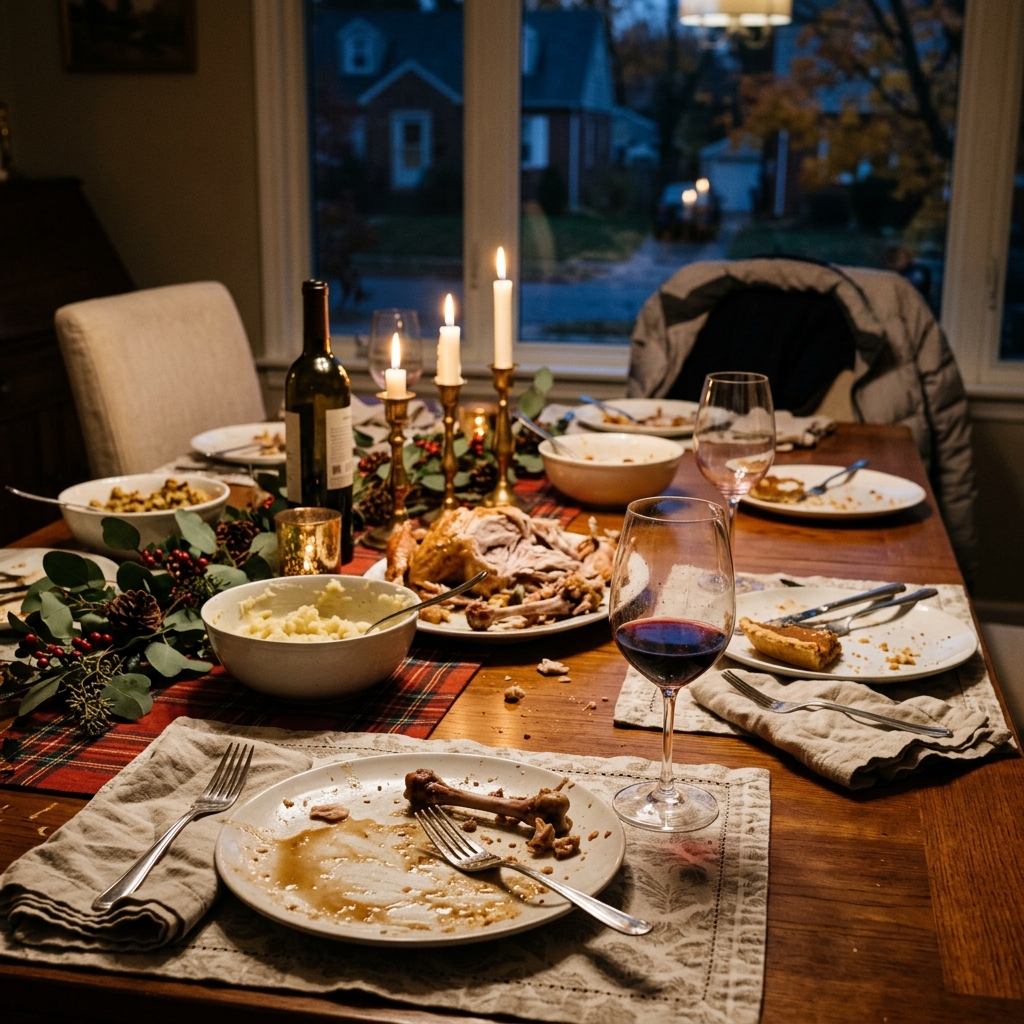
This trend always sees a massive spike in popularity around the holidays. Heavy, carbohydrate-rich meals can leave us feeling physically distended and sluggish. When I began tracking my own daily energy, I noticed that sitting still after a large meal made the bloating much worse. Read more on why a heavy meal makes the stomach distend in the first place. A post-meal walk provides almost immediate physical relief, which is why the “Thanksgiving Fart Walk” has resonated with so many people looking for simple, accessible relief.
“In traditional medicine, digestion relies heavily on the healthy flow of ‘Qi’ (Energy). Sitting completely still after a heavy meal causes that energy to stagnate, leading to what we call ‘Thực tích’ (food stagnation). A simple walk gently moves that stagnant energy, releasing tension and trapped gas naturally.”
— Mr. Anh, Founder of Essential Wellness AZ
The Science and Tradition: Why Movement Matters
It isn’t just about breathing fresh air. When you move your body after eating, you are engaging in a practice that both modern research and traditional wellness agree upon.
Supporting Gastric Emptying
When you eat a large meal, the food sits in your stomach as your body begins the heavy lifting of digestion. If you lie down, this process can slow down. In my research, I’ve learned that the longer food sits, the more time bacteria have to ferment carbohydrates, which produces excess gas.
Walking gently encourages the stomach to empty its contents into the small intestine at a healthier pace. By supporting this natural rhythm, you give fermentation less time to cause painful bloating.
Mechanical Massage and the Flow of Energy
Traditional medicine places a high value on keeping energy moving. When we sit still after eating, that energy stagnates. Physically, your digestive tract moves food along through rhythmic muscle contractions called peristalsis.
When you walk, the gentle engagement of your core, combined with rhythmic breathing, acts as a mechanical massage for your intestines. I like to think of it as a natural way to “un-stick” trapped gas bubbles, helping them move downward and exit the body naturally. Here is the full biomechanics of how walking helps move trapped gas.
Daily Energy and Blood Sugar
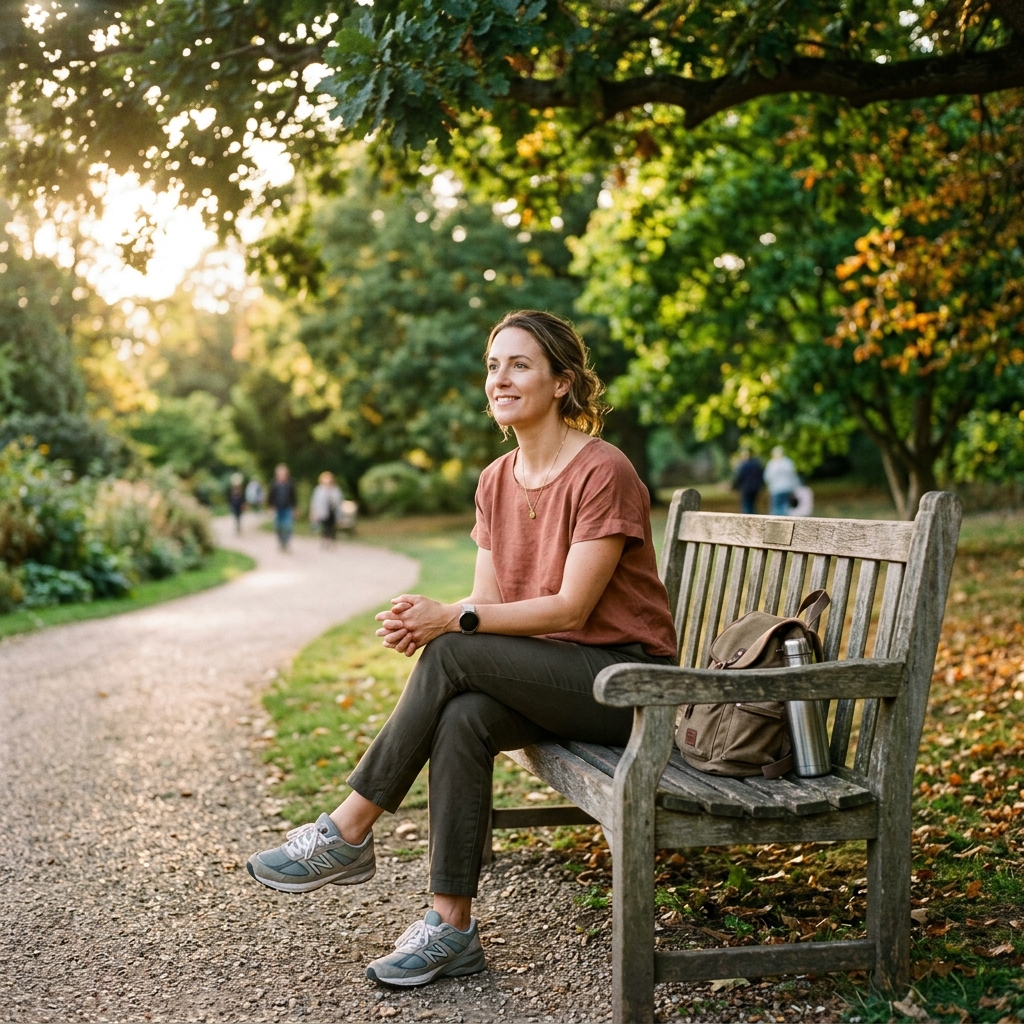
One of the most noticeable benefits in my own self-experiments has been the shift in my daily energy. When you eat a heavy, carb-rich meal, your blood sugar spikes. Walking immediately after a meal allows your active muscles to absorb some of that excess glucose.
By softening the blood sugar spike, you avoid the dreaded “food coma” crash. Maintaining steady energy levels is a cornerstone of everyday well-being and is deeply tied to how our gut feels overall. If you struggle with severe drops in energy, maintaining steady glucose is also a vital step if you want to do the inflammation reset that complements steady glucose habits.
How to Practice a Post-Meal Walk
To incorporate this simple habit into your routine without upsetting your stomach, here are a few reflective guidelines I follow:
Timing is Everything
You don’t need to sprint out the door the second you finish eating. The sweet spot I’ve found is heading out about 30 to 45 minutes after a meal. This gives your body a brief moment to settle.
Pace: A Mindful Stroll
This is a practice of traditional self-care, not a cardio workout. If you walk too fast, your body may divert essential blood flow away from your digestive organs to your legs, which can actually halt digestion. Keep your pace relaxed. Focus on your breathwork—inhaling the fresh air and exhaling any tension.
Posture and Breath
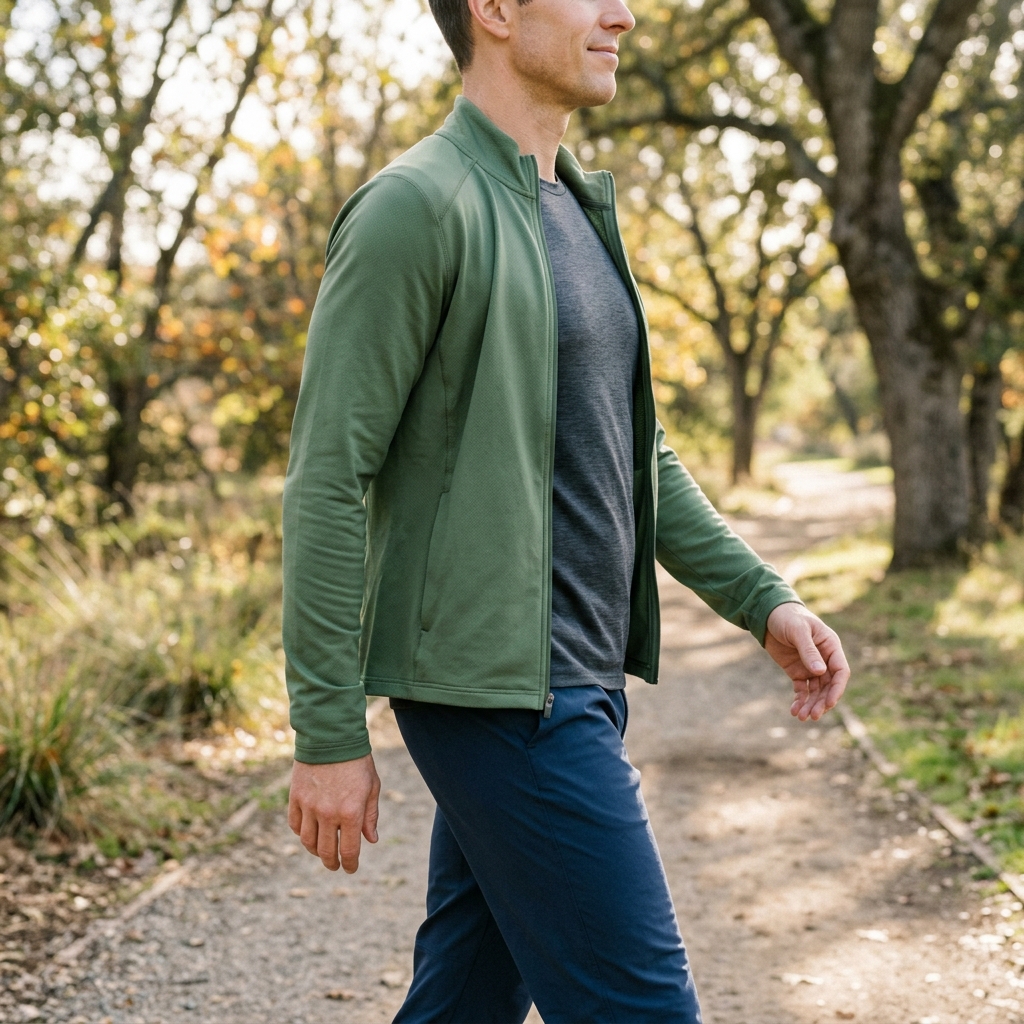
Pay attention to your posture. Keep your spine tall and your chest open. Slouching physically compresses your stomach. Standing tall gives your digestive organs the physical space they need to do their job efficiently.
A Note on Listening to Your Body
Passing gas is a completely normal, healthy bodily function. However, my work here is educational and reflective, not medical advice. If your walks aren’t providing relief, or if your bloating is accompanied by severe abdominal pain, it may be a sign of a deeper imbalance in your microbiome. If that is the case, learning about the difference between the difference between probiotics and prebiotics, and why it matters for a deeper imbalance can be a helpful next step, but it is always important to consult a licensed healthcare professional to rule out underlying conditions like SIBO. The low-FODMAP protocol that often helps when walking alone is not enough is one common next step practitioners reach for.
The “fart walk” may have started as a funny internet trend, but walking after meals is a time-tested habit that supports digestion and daily energy. The next time you finish a heavy dinner, try a self-experiment: put your shoes on, take a mindful stroll, and observe how your body responds. For more simple habits, check out our core guide on how to the daily simple habits that compound into better gut health naturally.
Disclaimer: The information provided in this article is for educational and reflective purposes only, based on personal experience, ongoing research, and traditional wellness practices. It is not intended as a substitute for professional medical advice, diagnosis, or treatment. Always seek the guidance of a qualified healthcare provider with any questions you may have regarding a medical condition or severe digestive distress.

About Mr. Anh
We turn solid evidence into everyday habits Americans can actually do—plain English, cups/oz, grocery-aisle swaps, and routines that fit real life. Our editorial process: Experience—we road-test tips in real schedules…