What is the Gut Microbiome? The ‘Invisible Organ’ Explained
Confused by all the gut-health advice online? This guide explains what the gut microbiome actually does and the biggest levers that improve it in real life.
Disclaimer: I’m trained in traditional medicine in Vietnam, but I’m not currently practicing medicine or providing personal diagnosis or treatment advice through this website. I write from personal experience, ongoing research, and my own food-first wellness experiments. My work explores digestion, daily energy, traditional self-care, movement, breathwork, meditation, and simple habits that support everyday well-being. Everything I share here is educational and reflective, not medical advice. It should not replace diagnosis, treatment, or care from a licensed healthcare professional.
If you scroll through social media, you might think the only way to understand your digestion is to buy a $300 at-home stool testing kit and analyze your DNA.
The modern wellness industry has turned the “gut microbiome” into a terrifying, overly complicated science experiment. People feel pressured to “biohack” their bodies. They track confusing bacterial strains like Firmicutes and Bacteroidetes, only to end up feeling more overwhelmed than when they started.
You don’t need a lab coat or an expensive diagnostic kit to have healthy digestion. In this guide, we’re going to strip away the biohacking anxiety. You’ll learn exactly what the gut microbiome is, how it functions like an “invisible organ,” and why simple food habits are far more powerful than expensive tests.
- The Microbiome: A massive ecosystem of trillions of microbes living in your intestines.
- The Invisible Organ: It helps digest food, trains your immune system, and supports your mood.
- The Simple Fix: You don’t need a $300 test; you just need to feed it daily with fiber-rich foods.
The “Biohacking” Trap: Why You Feel Overwhelmed
The commercialization of gut health has created a culture of fear. We’re led to believe that our digestive system is incredibly fragile and constantly on the verge of collapse.
The Problem with Expensive Stool Tests
Many companies sell at-home microbiome testing kits that promise to reveal exactly what’s “wrong” with your gut. However, science is still in its infancy regarding what a “perfect” microbiome actually looks like. Every person’s microbiome is unique. Trying to micromanage trillions of microscopic organisms based on a single snapshot test often leads to extreme dietary restrictions and severe anxiety around food.
What I noticed:
“I had a massive ‘Aha!’ moment when I realized that trying to track every single bacterial strain was causing me more stress than my original digestive issues. Stress directly harms the gut. Once I stopped obsessing over the data and simply went back to eating a varied, traditional diet, my digestion naturally stabilized.”
What is the Gut Microbiome, Actually?
Instead of looking at it like a broken machine, let’s look at it like a living ecosystem.
The “Invisible Organ” Analogy
Your gut microbiome is the collection of trillions of microorganisms—including bacteria, viruses, and fungi—that live primarily in your large intestine. There are so many of these microbes, and they perform so many crucial functions, that scientists often refer to the microbiome as an “invisible organ.”
It’s helpful to think of your microbiome as an invisible pet. You don’t need a DNA test to know if a dog is hungry; you just need to feed it.
Good Bugs vs. Bad Bugs: The Ecosystem
In a healthy gut, there’s a delicate balance between beneficial microbes (“good bugs”) and potentially harmful ones (“bad bugs”). The goal isn’t to eradicate every single bad bug—that’s impossible. The true goal is to cultivate such a strong, diverse population of good bugs that the bad ones simply don’t have enough room or resources to cause trouble.
The 3 Main Jobs of Your Microbiome
Your invisible organ works around the clock to support your overall health.
1. The Ultimate Digestion Engine
Your stomach and small intestine can’t digest certain complex carbohydrates, known as dietary fiber. When this fiber reaches your large intestine, your microbiome steps in. The bacteria ferment this fiber, breaking it down and producing essential nutrients, like vitamins and short-chain fatty acids (SCFAs), which actually nourish the lining of your gut wall.
2. The Immune System’s Training Camp
Roughly 70% of your immune system is located in your gut. Your microbiome acts as a sparring partner for your immune cells. It trains them to recognize the difference between friendly bacteria and dangerous pathogens.
3. The Gut-Brain Connection (Mood Support)

Your gut and your brain are constantly talking to each other via the vagus nerve.
What research says
A research review highlighted by Harvard Health notes that the gut microbiome actually produces a significant portion of the body’s neurotransmitters. This includes serotonin, which regulates your mood and sleep. A balanced microbiome directly supports a more stable, resilient mood.
How to Support Your Microbiome (Without Spending a Fortune)
You don’t need to “hack” this system. You just need to support it.
Stop Buying Tests, Start Buying Plants (Prebiotics)
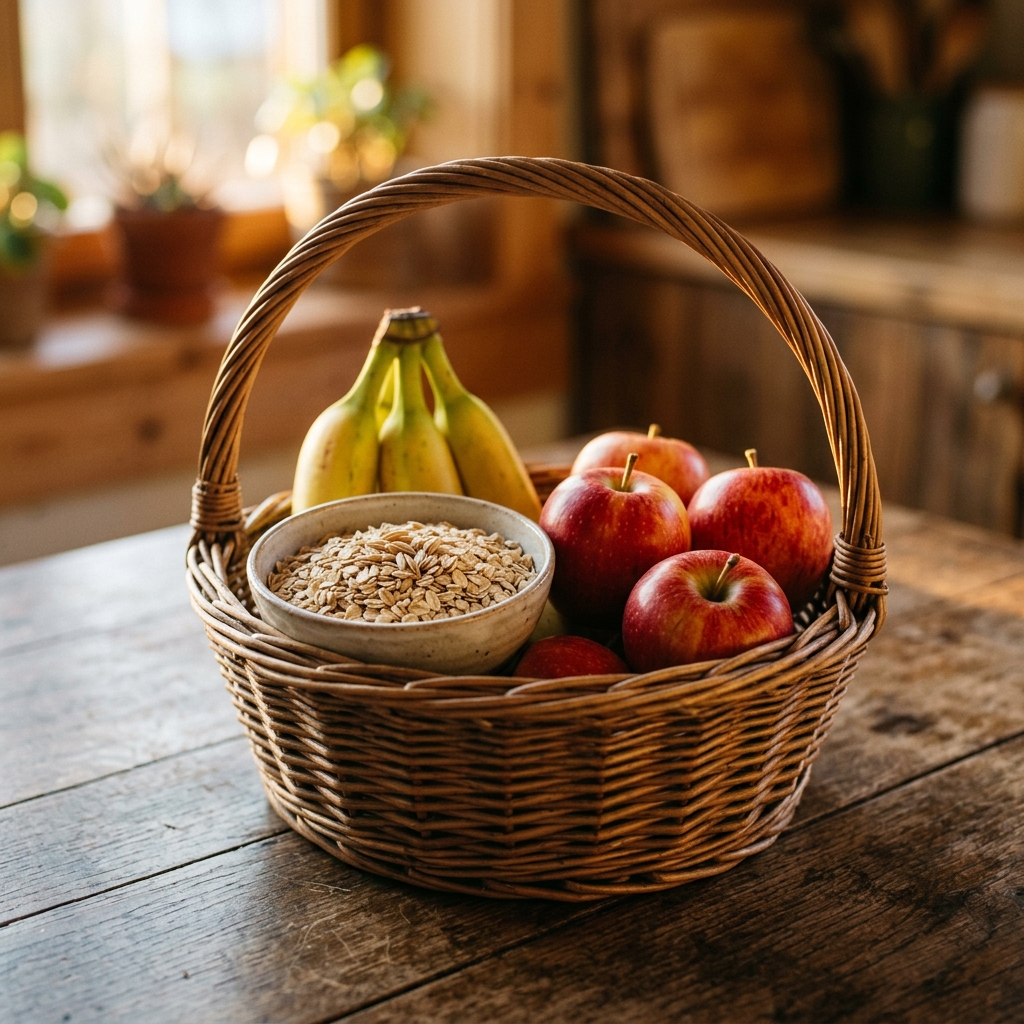
If you want a healthy microbiome, you must feed it. The food that your good bacteria eat is called a prebiotic (fiber). Instead of spending $300 on a test, spend that money at the grocery store. Start incorporating oats, apples, beans, and slightly green bananas into your meals. Here is the simple distinction between prebiotic fiber and probiotic bacteria, and the gentle high-fiber foods that actually feed these bacteria.
The Power of Fermented Foods (Probiotics)
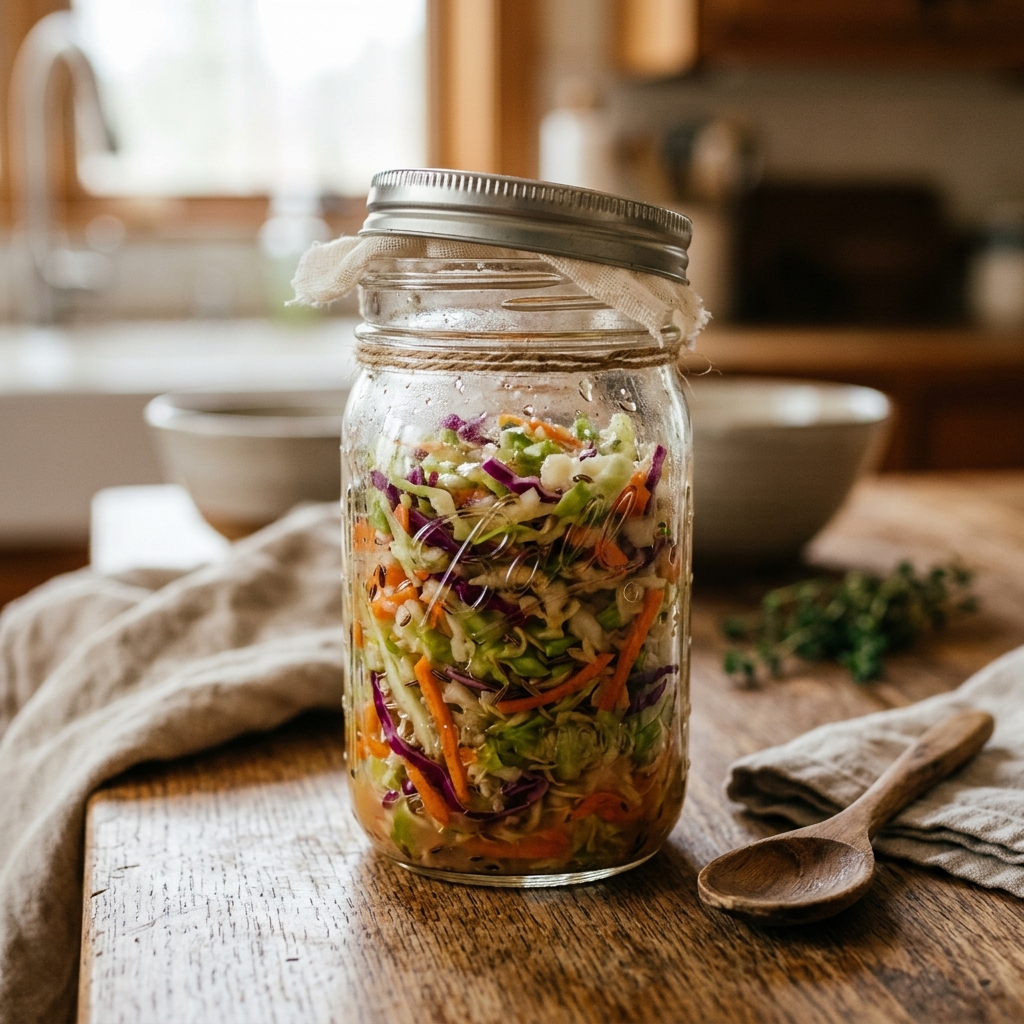
To introduce new, beneficial bacteria into your ecosystem, look to traditional fermented foods. A spoonful of raw sauerkraut, kimchi, or plain yogurt is often far more effective—and much cheaper—than a synthetic supplement pill. See the food-first probiotic foods list to seed your microbiome.
Managing Stress and Sleep (The Non-Food Factors)

Your invisible organ is highly sensitive to your lifestyle. Chronic stress and lack of sleep can negatively alter the composition of your microbiome. Sometimes, the best thing you can do for your digestion is simply go to bed an hour earlier. If stress has already taken its toll on your gut, try the faster gut-inflammation reset protocol alongside the sleep work.
Frequently Asked Questions
What does the gut microbiome actually do?
It acts as an additional organ that breaks down complex fibers, produces essential vitamins, trains your immune system, and communicates with your brain to regulate mood.
How do I know if my gut microbiome is unhealthy?
Common signs of an imbalance include chronic bloating, unpredictable bowel movements, sugar cravings, and persistent fatigue. Read more on the everyday signs of poor gut health to watch for.
What destroys the gut microbiome?
The most common disruptors are a diet high in ultra-processed foods (which starves the good bacteria), chronic stress, poor sleep, and the overuse of antibiotics when they aren’t strictly medically necessary.
The Bottom Line
Your microbiome isn’t a machine you need to “hack.” It’s a living ecosystem—like an invisible pet. You don’t need a DNA test to know if a pet is hungry; you just need to feed it the right food every day.
Put the credit card away. Instead of buying a testing kit, go to the grocery store and buy three new types of vegetables this week.
If you’re looking for simple, daily habits to support your digestion, start with our guide on how to the three zero-cost daily routines that compound into better gut health using three zero-cost routines.
Disclaimer: The information provided on EssentialWellnessAZ is for educational purposes only. It is not intended as a substitute for professional medical advice, diagnosis, or treatment.

About Mr. Anh
We turn solid evidence into everyday habits Americans can actually do—plain English, cups/oz, grocery-aisle swaps, and routines that fit real life. Our editorial process: Experience—we road-test tips in real schedules…