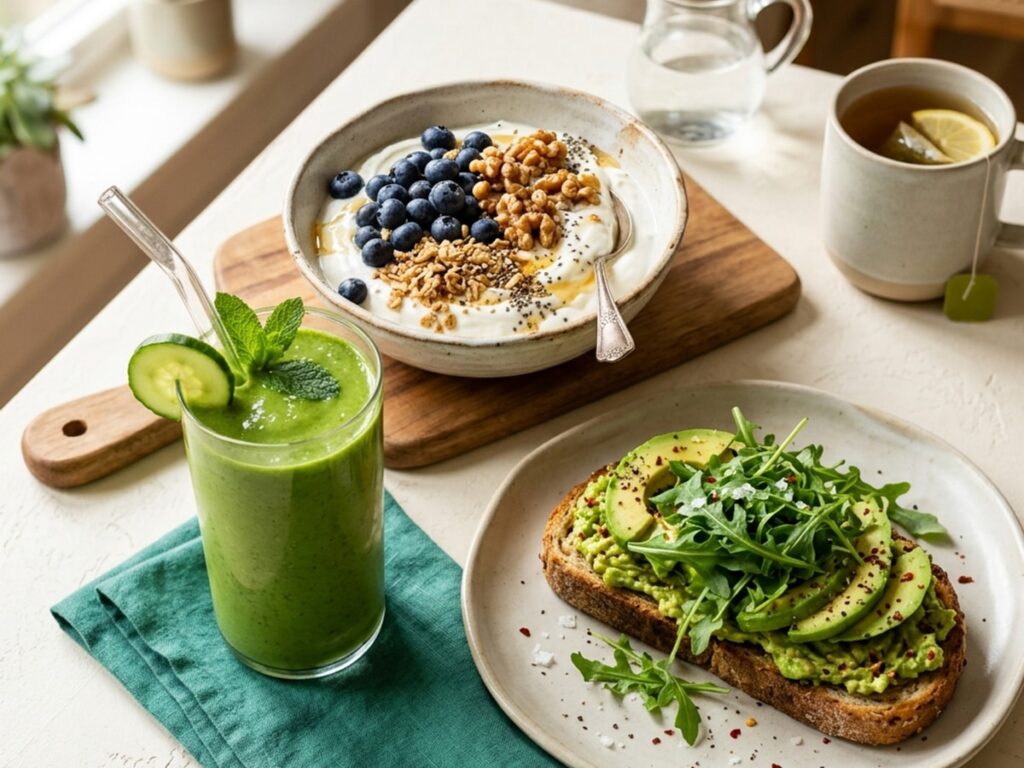
Cycle Syncing Diet: What to Eat in Each Phase of Your Cycle
Your body isn't the same every week of the month. Learn how to eat with your hormones, not against them, including 4-phase sample day menus.
- What Is the Cycle Syncing Diet? The Science Without the Jargon
- Phase 1 — Menstrual Phase Diet (Days 1–5)
- Phase 2 — Follicular Phase Diet (Days 6–13)
- Phase 3 — Ovulatory Phase Diet (Days 14–17)
- Phase 4 — Luteal Phase Diet (Days 18–28)
- How to Actually Start — The "One Phase at a Time" Method
- Frequently Asked Questions
- The Bottom Line
Affiliate Disclosure: This article contains affiliate links. If you purchase through our links, we may earn a small commission at no extra cost to you. We only recommend products we’ve researched and genuinely believe in.
Cycle Syncing Diet: What to Eat in Each Phase of Your Cycle
Some weeks you wake up, feel great, eat well, and workout without thinking twice about it.
Then — out of nowhere — the same habits that worked fine last week suddenly leave you exhausted, bloated, and raiding the pantry at 10 PM. Nothing changed. So what gives?
Here’s what took me embarrassingly long to figure out: your body isn’t the same every week of the month. Your menstrual cycle moves through four distinct hormonal phases, and those hormones directly shift how your body uses food, how hungry you are, and how much energy you have. A 2011 study published in Appetite confirmed that estrogen suppresses appetite and improves insulin sensitivity, while progesterone does the opposite — it increases hunger and drives cravings for calorie-dense foods. Your “bad week” was never a willpower problem. It was biology.
The cycle syncing diet is the practice of adjusting what you eat to match those hormonal phases — so you’re working with your body instead of constantly fighting it.
In this guide, I’ll walk you through exactly what to eat in each of the four phases, including a full sample day menu for every phase. You can start applying this as soon as today.
Quick Takeaways:
– Your cycle has 4 phases — menstrual, follicular, ovulatory, and luteal — each driven by different hormones
– Those hormones measurably change your metabolism, appetite, and nutrient needs week by week
– The luteal phase genuinely raises your caloric needs by up to 300 calories — hunger before your period is physiological, not weakness
– Prioritizing phase-specific nutrients can reduce PMS symptoms, improve energy, and support hormonal balance
– You don’t need to overhaul your whole diet — one meal swap per phase is a powerful place to start
What Is the Cycle Syncing Diet? The Science Without the Jargon

Cycle syncing is the practice of adjusting your food, exercise, and lifestyle to align with the four phases of your menstrual cycle. The concept was popularized by functional nutritionist Alisa Vitti in WomanCode, but the hormonal science behind it has been studied for decades — it didn’t originate in a wellness trend.
The core idea: your hormones don’t stay flat all month. They rise and fall in predictable patterns, and those fluctuations change how your body processes food.
The 4 Phases and What’s Actually Happening Hormonally
Here’s a simple breakdown of what’s going on at each phase:
| Phase | Days (Avg.) | Key Hormones | How You Likely Feel |
|---|---|---|---|
| Menstrual | Days 1–5 | Estrogen + progesterone bottomed out | Low energy, cramping, inward-focused |
| Follicular | Days 6–13 | Estrogen rising steadily | Energy climbing, motivated, mentally sharp |
| Ovulatory | Days 14–17 | Estrogen peaks + LH surge | Peak energy, social, confident |
| Luteal | Days 18–28 | Progesterone dominant | Slower, hungrier, PMS risk rising |
These aren’t just labels. Each phase involves measurable hormonal events that change your physiology — including how you metabolize food.
Why Food Timing Actually Changes Things
Here’s the piece most nutrition advice completely ignores.
A review in the British Journal of Nutrition confirmed that basal metabolic rate (BMR) is measurably higher during the luteal phase — your body is genuinely burning more calories when progesterone is elevated. Eating more in the week before your period isn’t giving in to cravings. Your body is asking for more fuel because it’s using more fuel.
Insulin sensitivity also peaks during the follicular phase. That means carbohydrates eaten in the first half of your cycle are more efficiently converted to energy rather than stored. The same bowl of oats hits your body differently depending on where you are in your cycle. Sound familiar when you think back to your “good weeks” and “bad weeks”?
Phase 1 — Menstrual Phase Diet (Days 1–5)
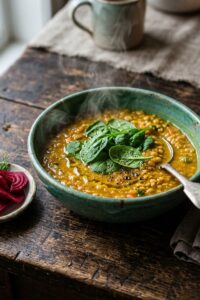
This is the phase most women dread — and the one where getting nutrition right pays the biggest dividends.
When your period starts, both estrogen and progesterone drop to their lowest levels. Your body is shedding the uterine lining, inflammation tends to spike, and your digestive system is under more stress than usual. This is not the time for cold green smoothies and raw kale salads, no matter what your usual routine is.
What Your Body Actually Needs Right Now
Your top nutritional priorities during menstruation:
- Iron — You’re actively losing iron through menstrual blood. Women lose anywhere from 10–35mg of iron per cycle. Replacing it matters, especially in the first few days.
- Vitamin C alongside iron — It enhances non-heme (plant-based) iron absorption by up to 67% when eaten together. This pairing alone is worth remembering.
- Omega-3 fatty acids — These are anti-inflammatory at the cellular level. A 2012 study in the Journal of Psychosomatic Obstetrics & Gynecology found that omega-3 supplementation reduced menstrual pain more effectively than ibuprofen in a subset of participants. I can’t say that doesn’t make me want to prioritize salmon a bit more during this phase.
- Zinc — Supports immune function, which dips slightly during menstruation
- Magnesium — Starts to matter here too, particularly if cramps are part of your experience
Foods to lean into: Grass-fed red meat, lentils, dark leafy greens, beets, pumpkin seeds, bone broth, wild salmon, dark chocolate (70%+), warming soups and stews
What to pull back on: Alcohol (increases inflammation and tanks your magnesium levels), excess caffeine (constricts blood vessels and can intensify cramps), raw and cold foods (significantly harder to digest during this phase)
The single most helpful shift I made during menstruation was replacing my usual salad lunch with a warm soup or bowl. Less bloating, less cramping, noticeably better.
Sample Day Menu — Menstrual Phase
🍽️ A Full Menstrual Phase Day
- Breakfast: Warm lentil porridge with cinnamon and fresh ginger, topped with pumpkin seeds and a small drizzle of blackstrap molasses (high in iron)
- Lunch: Spinach salad with thinly sliced grass-fed steak, roasted beet, sunflower seeds, and a lemon-tahini dressing — the lemon boosts iron absorption from the spinach
- Snack: 3–4 Medjool dates + 2–3 squares of 70%+ dark chocolate — a genuinely satisfying iron and magnesium hit
- Dinner: Slow-cooked chicken and vegetable soup with turmeric, kale, garlic, and a side of whole grain sourdough toast
If bloating peaks around your period, it’s worth knowing that certain foods can help dramatically. These foods that beat bloating fast address the exact hormonal and digestive mechanisms that are active during menstruation.
Phase 2 — Follicular Phase Diet (Days 6–13)
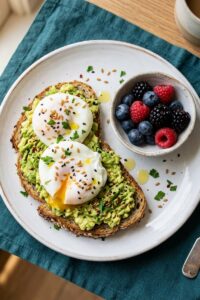
After your period ends, estrogen starts climbing — and with it, everything starts to feel lighter. Mental clarity returns, energy builds, and the things that felt impossible a week ago start feeling manageable again. If menstruation is winter, the follicular phase is spring.
Riding the Estrogen Wave — Your “Easy Mode” Phase
As estrogen rises, your body enters its most insulin-sensitive state of the month. Complex carbohydrates are processed more efficiently during this phase than at any other time. This isn’t license to eat poorly — it’s an opportunity to fuel yourself well and actually feel that fuel working.
Your phase-specific nutrient priorities:
- Folate (B9) — Estrogen metabolism depends on methylation, and folate is essential for that process. Low folate = sluggish estrogen processing.
- B vitamins overall — Energy production, mood regulation, and neurotransmitter synthesis all ramp up alongside rising estrogen
- Zinc — Supports the follicles maturing in your ovaries during this phase
- Flaxseeds — Contain lignans (a type of phytoestrogen) that support balanced estrogen signaling. This is the “flax phase” in seed cycling practice.
Foods to prioritize: Sprouted grains, eggs, light oily fish, fermented foods (kimchi, kefir, yogurt), cruciferous vegetables (broccoli, cauliflower — support healthy estrogen metabolism), fresh herbs, legumes, leafy greens
What to ease off: Heavy, processed, or greasy foods — they work against the natural energy rise your hormones are providing. Your body is doing the heavy lifting this week. Let it.
Sample Day Menu — Follicular Phase
🍽️ A Full Follicular Phase Day
- Breakfast: Avocado toast on sprouted grain bread, topped with two poached eggs and a teaspoon of ground flaxseeds — this is genuinely one of my go-to follicular breakfasts
- Lunch: Quinoa bowl with roasted broccoli, sliced cucumber, shelled edamame, pickled ginger, and a sesame-tahini dressing
- Snack: Full-fat Greek yogurt with a generous handful of mixed berries and a sprinkle of hemp seeds (adds omega-3s and protein)
- Dinner: Baked salmon fillet with steamed asparagus, lemon, and a small side of kimchi for gut support
The follicular phase is also your best window for high-protein meal prep. Your energy is at its clearest and most consistent — batch-cooking now means you have phase-aligned food ready through ovulation and into the early luteal phase without the effort.
When it comes to B vitamin needs during the follicular phase, food is your foundation — but on busy weeks it’s easy to fall short. If you’re looking to support this phase nutritionally, a women’s multivitamin with methylated B vitamins (look for “methylfolate” and “methylcobalamin” on the label, not synthetic folic acid) is worth considering. The methylated forms are what your body can actually use.
Phase 3 — Ovulatory Phase Diet (Days 14–17)
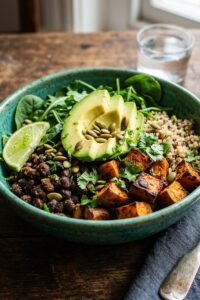
Brief, powerful, and easy to underestimate. The ovulatory phase lasts only 3–4 days, but it’s your biological peak — estrogen maxes out, a follicle releases an egg, and LH (luteinizing hormone) surges. You’ll likely feel more outgoing, focused, and physically capable than at any other point in your cycle.
Peak Phase — Lighter Fuel for Peak Output
Inflammation is naturally lower during ovulation, so your body doesn’t need heavy, high-effort foods. This is your fresh, colorful, antioxidant-forward phase — not deep-fried anything.
Why antioxidants specifically? They protect the egg during ovulation and help keep estrogen in balance as it reaches its monthly peak. Excess estrogen that isn’t properly cleared can lead to estrogen dominance over time — fiber is your key tool for supporting that clearance through the gut.
Your nutrient priorities this phase:
- Antioxidants (vitamins C, E, beta-carotene) — Protect egg quality and support LH production
- Fiber — Helps the liver clear excess estrogen before the luteal phase starts
- Sunflower seeds — In seed cycling, you switch from flax to sunflower here; sunflower seeds contain selenium and vitamin E to support progesterone production for the upcoming luteal phase
- Anti-inflammatory fats — Olive oil, avocado, and oily fish keep the ovulatory window running smoothly
Foods to emphasize: Raw and lightly cooked colorful vegetables, fresh berries, lean proteins (chicken, turkey, light white fish), quinoa, sunflower seeds, red bell peppers, fresh herbs, leafy greens
What to ease back on: Excess red meat and processed fats, which can promote estrogen dominance when estrogen is already at its natural peak
Sample Day Menu — Ovulatory Phase
🍽️ A Full Ovulatory Phase Day
- Breakfast: Green power smoothie — packed spinach, one ripe mango, 1 tbsp flaxseeds, one scoop clean protein powder, unsweetened almond milk, blended until smooth
- Lunch: Rainbow salad — mixed greens, sliced red bell pepper, roasted beet, shredded carrots, chickpeas, cucumber, with a simple lemon and olive oil dressing
- Snack: Small handful of sunflower seeds + a generous handful of fresh blueberries
- Dinner: Grilled chicken thighs with roasted zucchini, cherry tomatoes, and yellow squash, served over a cup of quinoa
The antioxidant focus during ovulation isn’t just about hormones — it’s a long-term investment that shows up decades later. The science-backed anti-aging foods list overlaps heavily with ovulatory nutrition, because oxidative protection supports your biology at every level.
Phase 4 — Luteal Phase Diet (Days 18–28)
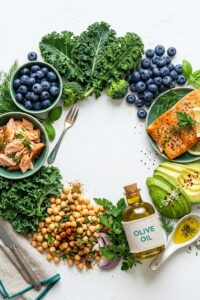
The longest phase. The one where most women struggle most. And the one where nutrition makes the biggest visible difference.
Progesterone rises sharply after ovulation — and it brings a predictable package: increased hunger, stronger carb cravings, mood shifts, and sleep disruption. None of this is a character flaw. Your body is doing exactly what it’s programmed to do.
Why You’re Hungrier Before Your Period (It’s Not in Your Head)
A study published in Physiology & Behavior measured that BMR increases by approximately 100–300 calories during the luteal phase. Your body is burning more fuel — so it asks for more fuel. That’s not emotional eating. That’s metabolic reality.
At the same time, serotonin production naturally drops as progesterone rises. Serotonin is your mood-regulating neurotransmitter, and your brain knows that carbohydrates — particularly refined carbs and sugar — create a quick serotonin spike. This is why you crave chips, chocolate, and pasta before your period. Your brain is trying to self-medicate with food. The fix isn’t to white-knuckle through the cravings. It’s to give your brain the serotonin precursors it’s asking for — through the right foods.
Your luteal phase nutrient priorities:
- Magnesium — The most impactful single nutrient for PMS. It reduces muscle cramping, regulates cortisol, supports progesterone function, and improves sleep. Most women are chronically low.
- Vitamin B6 — Directly supports serotonin and dopamine synthesis. Clinical trials have used 50–100mg/day during the luteal phase for PMS mood symptoms.
- Complex carbohydrates — Satisfy the serotonin-driven carb craving without the blood sugar crash of refined carbs. Think sweet potato, oats, brown rice, not white bread.
- Tryptophan — The amino acid your body converts to serotonin. Found in turkey, pumpkin seeds, oats, and bananas — hence why these become luteal phase staples.
- Calcium — Often overlooked, but research has shown adequate calcium intake reduces PMS symptoms by nearly half.
Foods to load up on: Sweet potato, dark chocolate (70%+), oats, pumpkin seeds, turkey, chickpeas, black beans, bananas, leafy greens, chamomile tea
What to genuinely avoid this phase: Excess salt (worsens water retention and bloating almost immediately), alcohol (depletes magnesium rapidly and disrupts progesterone), refined sugar (the spike-crash cycle amplifies mood swings), and high caffeine intake (dehydrating and cortisol-spiking when you’re already hormonally stressed)
The Magnesium Connection — Why This One Mineral Changes Your Luteal Phase
A comprehensive review published in Nutrients (2017) found a significant link between low magnesium levels and increased PMS symptom severity — including cramping, mood swings, insomnia, and bloating. The authors concluded that magnesium supplementation is a credible and effective intervention for PMS.
Food sources of magnesium: dark chocolate, pumpkin seeds, spinach, almonds, black beans, avocado. Good list — but many women still fall short even eating these regularly, especially under chronic stress (which depletes magnesium faster) or when alcohol is in the picture.
If your luteal phase involves cramps, mood shifts, or lying awake at 3 AM with your brain running on overdrive, magnesium glycinate is the specific form worth looking into. Unlike magnesium oxide (which is cheap and barely absorbed), glycinate is a chelated form that absorbs efficiently and specifically targets sleep and muscle relaxation. Look for 300–400mg of magnesium glycinate per serving, taken in the evening.
The luteal phase is also when cortisol tends to spike — and elevated cortisol amplifies every PMS symptom it touches. Working in a few of these cortisol-reducing foods during your luteal week makes a real difference. And if sleep is becoming your biggest battle this phase, the food-based strategies in this sleep optimization guide directly address the progesterone-sleep disruption connection.
Sample Day Menu — Luteal Phase
🍽️ A Full Luteal Phase Day
- Breakfast: Thick oatmeal with a sliced banana, a heaping tablespoon of almond butter, and a small handful of dark chocolate chips — warming, filling, and genuinely serotonin-supportive
- Lunch: Sweet potato and black bean bowl with roasted pumpkin seeds, sliced avocado, fresh cilantro, and a squeeze of lime
- Snack: 2–3 squares of 85% dark chocolate with a cup of chamomile tea — the theobromine in chocolate and the apigenin in chamomile work on similar calming pathways in the brain
- Dinner: Turkey stir-fry with zucchini, bok choy, and garlic served over brown rice — the tryptophan in turkey and complex carbs from the rice support serotonin production without a blood sugar crash
How to Actually Start — The “One Phase at a Time” Method
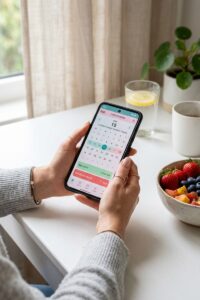
Reading four phases’ worth of information can feel like a lot. It doesn’t have to be.
You don’t need a perfect 28-day protocol to see a meaningful difference. Even adjusting one or two phases per cycle produces measurable improvements in energy consistency and PMS severity over time. Here’s the lowest-barrier way to begin:
Step 1: Track your cycle for one month. Download Clue or Flo (both free) and log your period start date. One cycle gives you enough data to map your four phases by date.
Step 2: Find your current phase right now. Go to that section above. Pick one meal from the sample menu. Make it tomorrow. That’s the entire protocol for week one.
Step 3: Layer in changes over 2–3 cycles. Once one phase feels natural, add another. By your third cycle of intentional eating, most women notice real changes — less PMS severity, more energy consistency, or better sleep in the luteal phase.
If you’re over 40, it’s also worth knowing that perimenopause shifts the cycle syncing equation — cycles shorten, the luteal phase becomes less predictable, and progesterone drops ahead of estrogen. The nutrition guide specifically for women over 40 covers how to adapt this framework as your hormones shift.
One more thing that doesn’t get enough attention: gut health and hormonal balance are deeply connected. The gut bacteria responsible for metabolizing estrogen — called the estrobolome — need prebiotic fiber to function. Poor estrobolome function = impaired estrogen clearance = hormone imbalance downstream. Adding a few prebiotic-rich foods to your diet is one of the most underrated things you can do for cycle health.
Frequently Asked Questions
Does the cycle syncing diet actually work?
The underlying hormonal science is solid — estrogen and progesterone shifts measurably affect appetite, metabolism, and nutrient requirements throughout the cycle, and this is well-established in the research literature. “Cycle syncing” as a complete, packaged protocol hasn’t been studied as a single clinical intervention, but the component mechanisms have been. Most women who try it report real improvements in PMS symptoms, energy, and mood within 2–3 cycles. Results vary individually — if you have a diagnosed hormonal condition like PCOS or endometriosis, it’s worth discussing this approach with your OB-GYN or functional medicine doctor.
What foods should you avoid while cycle syncing?
During the luteal phase, your biggest offenders are excess salt (worsens fluid retention and bloating almost immediately), alcohol (rapidly depletes magnesium and disrupts progesterone metabolism), refined sugar (worsens the serotonin spike-crash cycle and amplifies mood swings), and high caffeine (dehydrating and cortisol-raising when you’re already hormonally pressed). During menstruation, pull back on raw and cold foods — they’re harder to digest when inflammation is elevated and your body is directing energy toward shedding the uterine lining.
Can you cycle sync if your periods are irregular?
Yes — and honestly, your symptoms may be more useful than the calendar anyway. Low energy, heavier flow, and cramping signal menstrual-phase nutrition. Rising energy, sharper focus, and lighter mood signal follicular. Peak social energy and physical confidence signal ovulatory. Increased hunger, moodiness, or pre-period bloating signal luteal. Apps like Clue begin identifying individual patterns after a few months of logging even without regular cycles.
How long does it take to see results from cycle syncing?
Subtle shifts — less mid-afternoon energy crashes, slightly less luteal bloating, fewer 10 PM snack raids — typically show up within the first one to two cycles. More significant PMS relief and consistent month-to-month energy improvements usually emerge after three complete cycles of intentional eating. This is hormonal recalibration, not a one-week fix. Patience here is genuinely worth it.
What’s the best diet for overall hormonal balance?
A hormone-balancing diet prioritizes healthy fats (omega-3s, avocado, olive oil), sufficient protein with leucine-rich sources, magnesium and B-vitamin-rich whole foods, adequate fiber for estrogen clearance, and minimal alcohol, ultra-processed foods, and refined sugar. Cycle syncing is the timing layer on top of that foundation — applying the right nutrients at the phases where they deliver the most impact.
The Bottom Line
Your body isn’t the same every week of the month. Eating like it is means you’re constantly working against your own biology.
The cycle syncing diet isn’t about restriction or perfection. It’s about understanding that your hormones have real nutritional needs — and meeting those needs at the right times. When you eat iron and warmth during menstruation, fresh and fermented foods during the follicular phase, antioxidants during ovulation, and magnesium and complex carbs during the luteal phase, you’re giving your body exactly what it’s asking for.
Even one aligned meal per day makes a measurable difference over time. So find your phase, pick one meal from the menu above, and start there.
Bookmark this page and come back to the relevant phase section each week. Or pin the sample menus somewhere accessible — your phone notes, your fridge, wherever you’ll actually see them without hunting for this article again.
And if the luteal phase is where everything falls apart for you — the cramps, the mood, the sleepless nights — magnesium glycinate (300–400mg taken in the evening, starting about two weeks before your period) is the supplement with the strongest evidence base for menstrual-related symptoms. Choose a product that specifically says “glycinate” or “bisglycinate,” not magnesium oxide — the difference in absorption is significant.
⚕️ Health Disclaimer: This article is for informational and educational purposes only. It is not intended to diagnose, treat, cure, or prevent any medical condition. The information provided is not a substitute for professional medical advice, diagnosis, or treatment. Always consult your physician, OB-GYN, registered dietitian, or qualified healthcare provider before making changes to your diet, supplement routine, or health practices — especially if you have a hormonal condition (PCOS, endometriosis, thyroid issues), are pregnant, breastfeeding, or taking medications. Individual results vary.
About Jane Smith
We turn solid evidence into everyday habits Americans can actually do—plain English, cups/oz, grocery-aisle swaps, and routines that fit real life. Our editorial process: Experience—we road-test tips in real schedules…