12 Red Foods: Powerful Health Benefits & Easy Ideas
When you think about eating healthy, color matters. The health benefits of red foods go far beyond looking pretty on...
When you think about eating healthy, color matters. The health benefits of red foods go far beyond looking pretty on your plate. From juicy strawberries to roasted red peppers, red fruits and vegetables are packed with antioxidants, fiber, and heart-supporting compounds. If you’re shopping at a typical US grocery store like Kroger, Target, or Whole Foods, you’ll find plenty of affordable options. Here’s exactly why red foods deserve more space in your weekly meal plan.
Why Red Foods Are So Good for You
To understand the health benefits of red foods, it helps to know what gives them their bold color in the first place.
👉 If you’re also working on getting all your essential vitamins, our detailed guide on Essential Vitamins: Best Vitamin-Rich Foods List covers exactly what you need.
Antioxidants in Red Foods (What “Red” Signals)
The red color in many fruits and vegetables comes from powerful antioxidants such as lycopene, anthocyanins, and vitamin C. These compounds help protect your cells from oxidative stress, which can contribute to long-term health issues. For example, 1 cup of strawberries provides about 85 mg of vitamin C—more than 90% of the daily value for most adults.
Antioxidants in red foods may support immune function and reduce inflammation at a cellular level. While no single food is a cure-all, regularly including antioxidant-rich produce—like ½ cup of raspberries or 1 medium tomato—can contribute to overall wellness. The key is consistency, not perfection.
👉 For a deeper dive into spotting nutrient deficiencies early, check out: Iron Deficiency Diet: Foods to Eat and Avoid — it’s packed with practical tips.
Lycopene, Anthocyanins, and Vitamin C—Quick Cheat Sheet
Different red foods deliver different nutrients. Tomatoes and watermelon are rich in lycopene, a compound studied for heart and prostate health support. Red grapes and cherries contain anthocyanins, which may support circulation. Red bell peppers are loaded with vitamin C—1 medium pepper contains more than 150% of the daily value.
Each compound works slightly differently in the body. Lycopene is fat-soluble, meaning it’s better absorbed with healthy fats like olive oil. Anthocyanins are water-soluble and found in the skin of fruits. Together, these nutrients form the foundation of the health benefits of red foods.
👉 This pairs well with our 9 Fat-Burning Snacks to Crush Midday Cravings guide if you want the full picture on topics related to cravings.
12 Red Foods to Eat More Often
Now that you know why they matter, here are 12 accessible options that highlight the health benefits of red foods.

Fruit Picks: Watermelon, Strawberries, Cherries, Raspberries
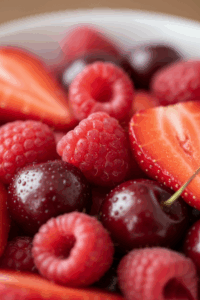
Watermelon is over 90% water, making 1 cup a hydrating summer snack with only about 45 calories. Strawberries and raspberries provide 3–8 grams of fiber per cup, which supports digestive health. Cherries, especially tart varieties, contain anthocyanins that may help with muscle recovery.
Try adding ½ cup of mixed berries to oatmeal or yogurt in the morning. A bowl of watermelon cubes chilled in the fridge is an easy afternoon snack. These fruits are widely available year-round in US supermarkets, either fresh or frozen.
Produce Picks: Tomatoes, Red Bell Peppers, Beets, Red Onion
Tomatoes are among the most studied red foods thanks to their lycopene content. Cooking tomatoes—such as in a ½ cup serving of marinara—can actually increase lycopene availability. Red bell peppers offer over 150 mg of vitamin C per cup when raw.
Beets are known for their natural nitrates, which may support circulation. Roasting beets at 400°F for 30–35 minutes brings out their sweetness. Red onions add flavor and contain quercetin, another antioxidant. These vegetables make it easy to tap into the health benefits of red foods at lunch or dinner.
Bonus Picks: Pomegranate, Red Apples, Red Grapes, Red Cabbage
Pomegranate arils provide antioxidants and fiber, with about 3 grams per ½ cup. Red apples—like Fuji or Gala—contain fiber in the skin, about 4 grams per medium apple. Red grapes are a convenient snack with hydration benefits.
Red cabbage is often overlooked but offers vitamin C and fiber. Try shredding 1 cup into coleslaw or tacos for crunch and color. These options round out a diverse approach to the health benefits of red foods.
Key Health Benefits of Red Foods (By Goal)
Let’s connect specific goals to the health benefits of red foods in practical ways.
Heart Support and Circulation Support
Many red foods contain compounds associated with heart health support. Lycopene in tomatoes has been studied for its potential role in supporting healthy cholesterol levels. Beets provide dietary nitrates that may help maintain normal blood flow.
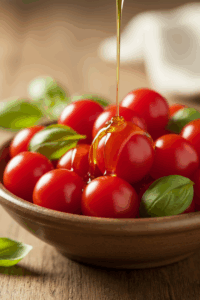
For example, drinking 8 oz of beet juice before exercise has been researched for endurance support. Including 1 cup of cherry tomatoes in salads or pasta dishes can be an easy heart-friendly addition. While red foods are not a replacement for medical treatment, they can support a balanced eating pattern.
Immune Support and Inflammation Support
Vitamin C plays a key role in immune function. One cup of strawberries delivers nearly a full day’s worth. Red bell peppers contain even more vitamin C per serving.
Anthocyanins in cherries and red grapes may help moderate inflammation. Adding ½ cup of frozen cherries to a smoothie or slicing red peppers into a stir-fry can help you consistently benefit from the health benefits of red foods.
Gut Health and Fiber Support
Fiber supports digestive health and satiety. Raspberries contain about 8 grams of fiber per cup—nearly one-third of the daily recommendation for women. Red apples provide around 4 grams.
Including fiber-rich red foods at breakfast and snacks can help meet the 25–38 grams per day recommended for adults in the US. Consistency over time amplifies the health benefits of red foods.
Easy Ways to Eat More Red Foods This Week
Adding red foods doesn’t require a major diet overhaul. Here’s how to make the health benefits of red foods practical.

Simple Breakfast + Snack Ideas (5-Minute Options)
Start your day with ½ cup of strawberries on whole-grain toast with peanut butter. Add raspberries to Greek yogurt or oatmeal. Keep red grapes washed in the fridge for grab-and-go snacks.
A smoothie with 1 cup frozen cherries, 1 banana, and 8 oz almond milk takes under 5 minutes. These small habits can help you reach 2–3 servings of red produce daily.
Lunch and Dinner Add-Ins (Salads, Bowls, Sheet-Pan)
Toss cherry tomatoes and red onion into salads. Roast beets and red bell peppers at 400°F (204°C) with olive oil for 25–30 minutes. Add red cabbage to tacos or grain bowls.
Aim for at least 1 cup of red vegetables at dinner. Pairing tomatoes with 1 tablespoon olive oil improves lycopene absorption. These simple strategies reinforce the health benefits of red foods.
Smart Grocery List + Storage Tips to Reduce Waste
Buy berries in season for lower prices. Choose frozen options if fresh produce won’t be used within 3–4 days. Store apples in the crisper drawer to extend freshness.
Batch-roast red vegetables on Sunday to use throughout the week. Planning ahead makes enjoying the health benefits of red foods easier and more affordable.
FAQs
Do I need red foods every day?
You don’t need red foods daily, but including them several times per week helps you access their antioxidants and fiber. Aim for at least 2–3 servings of red fruits or vegetables weekly as part of a varied, colorful diet.
Are canned or frozen red foods still healthy?
Yes. Frozen strawberries, cherries, and red peppers retain most nutrients. Canned tomatoes are a convenient source of lycopene—just choose low-sodium options when possible.
Which red foods are best for blood pressure support?
Beets and tomatoes are commonly studied for circulation and heart support. Beet juice (8 oz) and cooked tomato products may offer supportive benefits as part of a balanced diet.
How much is “enough” for real benefits?
There’s no magic number, but 1–2 cups of red fruits and vegetables daily can meaningfully contribute to fiber and antioxidant intake over time.
Color is one of the simplest nutrition tools you can use. By regularly including tomatoes, berries, peppers, and beets, you naturally tap into the health benefits of red foods without complicated rules. Start with one extra serving this week and build from there—your plate (and body) will thank you.
Disclaimer: This content is for informational purposes only and is not a substitute for professional medical advice.

About Sarah Williams
We turn solid evidence into everyday habits Americans can actually do—plain English, cups/oz, grocery-aisle swaps, and routines that fit real life. Our editorial process: Experience—we road-test tips in real schedules…