9 Homemade Anti-Inflammatory Drinks That Are Easy to Make
Looking for homemade anti-inflammatory drinks that actually make sense? This guide covers the best ingredients, easy recipes, and how to choose the right drink for your goal.
- Do Homemade Anti-Inflammatory Drinks Actually Help?
- What Makes a Drink Anti-Inflammatory in the First Place?
- The 5-Minute Anti-Inflammatory Drink Builder
- Best Anti Inflammatory Drinks Homemade to Try
- Which Homemade Anti-Inflammatory Drinks Are Overhyped?
- How to Choose the Right Drink for Your Goal
- Safety Notes Before Drinking These Every Day
- A Simple 3-Day Prep Plan for Homemade Anti-Inflammatory Drinks
- Frequently Asked Questions
- The Bottom Line
If you’ve been searching anti inflammatory drinks homemade, you’re probably not looking for another trendy shot that burns going down and ends up forgotten in the back of the fridge three days later.
You want homemade anti-inflammatory drinks that feel realistic. Drinks you can make before work, after dinner, or on a week when life is messy. Maybe you’re trying to cut back on soda, sugary coffee drinks, or bottled juices. Maybe you’re dealing with bloating, stiffness, low energy, or that general “off” feeling that makes you want to clean things up a little.
Here’s what you’ll get in this guide: the homemade drinks that actually make sense, the ingredients worth caring about, the ones that get overhyped, and a simple way to build anti inflammatory drinks homemade routines without turning your kitchen into a wellness lab.
Quick Takeaways
- Homemade anti-inflammatory drinks help most when they replace sugary or ultra-processed drink habits
- Ginger, turmeric, green tea, berries, kefir, tart cherry, and cocoa are the most practical ingredients to build around
- No drink cures inflammation on its own, and added sugar can cancel out a lot of the upside
- The best drink is the one that fits your goal and your real life, not the one with the longest ingredient list
Do Homemade Anti-Inflammatory Drinks Actually Help?
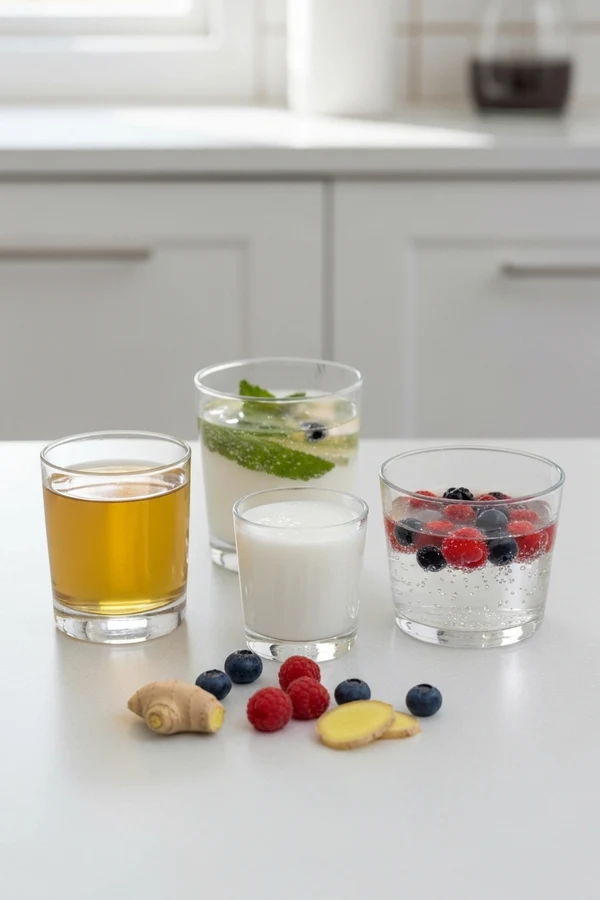
Yes, they can. Just not in the dramatic way wellness marketing likes to promise.
A homemade anti-inflammatory drink is not a treatment for arthritis, autoimmune disease, or chronic pain. It is not a substitute for medical care. But it can absolutely be a useful daily habit if it helps you get more polyphenols, spices, probiotics, or lower-sugar whole-food ingredients into your routine.
And that’s really the key. These drinks help most as replacements. If your usual pattern is soda, bottled juice, sweet coffee drinks, or nightly cocktails, then switching even one of those habits to something simpler can change the whole tone of your day.
Harvard Health keeps coming back to the same big-picture point: anti-inflammatory eating is built around plant-rich, minimally processed foods and fewer added sugars, not one magical beverage. (Harvard Health) That is the framework I would use here too.
I’ve found that drinks work best when they make the rest of your routine easier. A ginger green tea you actually enjoy is useful. A homemade “healthy” drink made with fruit juice, honey, and sweetened yogurt can still end up acting like dessert in a blender.
So yes, these drinks can help. But they work best when they support a better overall pattern. If you’re still trying to figure out what to cut first, foods that cause inflammation and weight gain is a smart next read.
What Makes a Drink Anti-Inflammatory in the First Place?
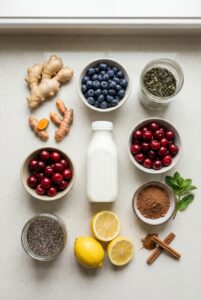
Most drinks get labeled anti-inflammatory for one of four reasons:
- they contain polyphenol-rich plant compounds
- they use spices with anti-inflammatory potential
- they include probiotic foods
- they replace a worse drink habit
The strongest everyday category is usually polyphenol-rich plants. Think green tea, berries, tart cherry, cocoa, herbs, and even some simple kitchen spices. These are not exotic wellness ingredients. They are familiar foods that fit a lower-inflammation eating pattern much more naturally than sweetened drinks do.
Then there are the spices, especially ginger and turmeric. Ginger has stronger evidence behind it than a lot of people realize. A 2020 systematic review and meta-analysis of randomized controlled trials on PubMed found that ginger supplementation significantly reduced CRP, hs-CRP, and TNF-alpha, even though not every inflammatory marker changed. That doesn’t mean ginger tea is a cure-all. It does mean ginger deserves its reputation more than a lot of trendy detox ingredients do.
Turmeric is a little trickier. Curcumin, its best-known active compound, has shown anti-inflammatory potential in multiple analyses, but absorption is a real issue. A 2023 umbrella meta-analysis on PubMed found curcumin supplementation may improve several inflammatory biomarkers, though results still vary by formulation, dose, and health condition. So what does that mean for you practically? Turmeric can make sense in a drink, but it works better as part of a well-built formula than as the whole strategy. If you want the deeper science breakdown, is turmeric good for inflammation covers that in more detail.
And then there is the part most articles skip: a drink does not need to be exotic to be useful. A homemade drink can support an anti-inflammatory pattern simply by being a better default. Plain kefir with berries or unsweetened green tea is not flashy, but it can be a huge upgrade from the drinks many people are having every day.
The 5-Minute Anti-Inflammatory Drink Builder
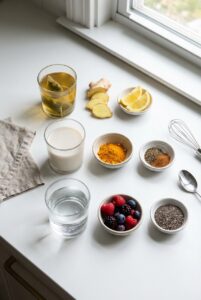
If you only remember one section from this article, make it this one.
You do not need nine recipes memorized. You need a simple system you can repeat without thinking too hard.
Step 1: Choose a base
Start with one of these:
- green tea
- unsweetened plant milk
- plain kefir
- water or sparkling water
- a smoothie base like unsweetened milk plus yogurt
- warm broth if you prefer savory drinks
Your base decides what kind of drink you are making. Green tea works well in the morning. Kefir makes more sense for gut support. Unsweetened milk works for golden milk or cocoa drinks. Broth is great if you’re tired of every “healthy drink” tasting sweet.
Step 2: Choose one active ingredient
Pick one hero instead of throwing in everything you own:
- ginger
- turmeric
- berries
- tart cherry
- cocoa
- cucumber or mint for hydration-focused drinks
This is where a lot of people go wrong. They assume more ingredients means more benefit. Usually it just means the drink gets more expensive, harder to make, and less likely to become a habit.
Step 3: Add one booster
This is the small thing that improves function or staying power:
- black pepper with turmeric
- chia or flax for fiber and omega-3 support
- cinnamon for flavor and better blood-sugar friendliness
- lemon for brightness
- mint for freshness
Step 4: Keep it low-sugar and repeatable
Here’s what no one tells you: the best homemade anti-inflammatory drinks are often a little boring.
That is not a flaw. That is why they work.
I’d rather see you drink the same simple ginger green tea four mornings a week than buy a dozen trendy ingredients and use them once. Consistency beats novelty here every time.
Best Anti Inflammatory Drinks Homemade to Try
These are grouped by real-life use, not just flavor. Each one is easy enough to make on a normal week.
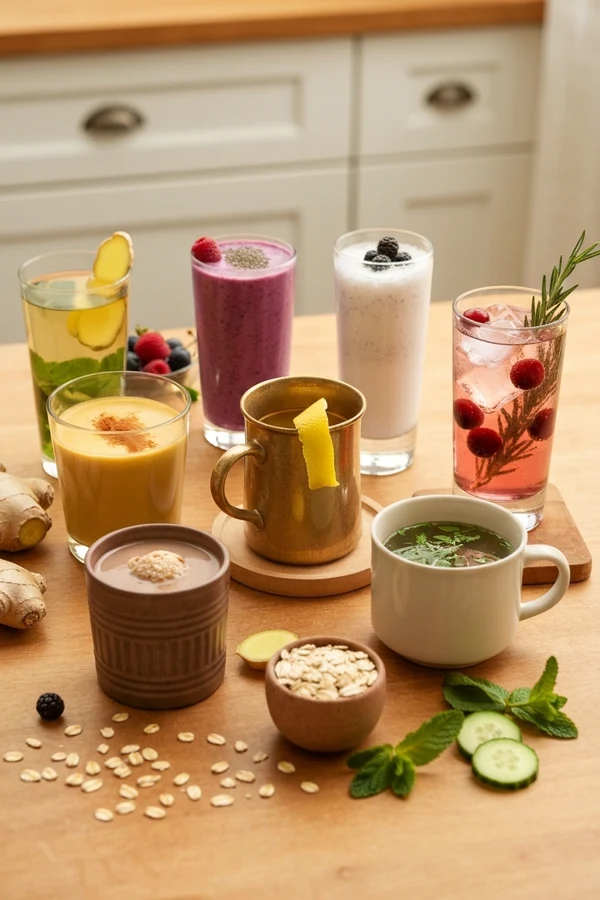
1. Ginger Green Tea Tonic
- Ingredients: brewed green tea, fresh ginger, squeeze of lemon, optional ice.
- How to make it: Steep the tea, stir in grated ginger, and serve warm or chilled.
- Why it may help: Ginger has some of the best support among common anti-inflammatory drink ingredients, and green tea adds polyphenols. A 2025 meta-analysis on PubMed found green tea improved oxidative status, though effects on major inflammatory markers were mixed.
- Best for: Morning reset, replacing sweet coffee drinks.
- Practical note: If caffeine makes you jittery, use half-caff or drink it earlier in the day.
2. Golden Milk With Turmeric and Black Pepper
- Ingredients: unsweetened milk, turmeric, black pepper, cinnamon, optional ginger.
- How to make it: Warm gently and whisk until smooth.
- Why it may help: This is one of the simplest turmeric drink recipes that still feels realistic. The black pepper matters because piperine helps with curcumin absorption.
- Best for: Evening wind-down, caffeine-free comfort.
- Practical note: I think of golden milk as a calming nightly habit, not an inflammation “hack.”
3. Berry Chia Anti-Inflammatory Smoothie
- Ingredients: frozen mixed berries, plain Greek yogurt, chia seeds, spinach, unsweetened milk.
- How to make it: Blend until smooth.
- Why it may help: Berries bring polyphenols, yogurt adds protein, and chia improves texture and staying power.
- Best for: Breakfast, post-workout snack, replacing pastry-and-coffee mornings.
- Practical note: If smoothies are your easiest entry point, anti-inflammatory smoothie recipes goes deeper.
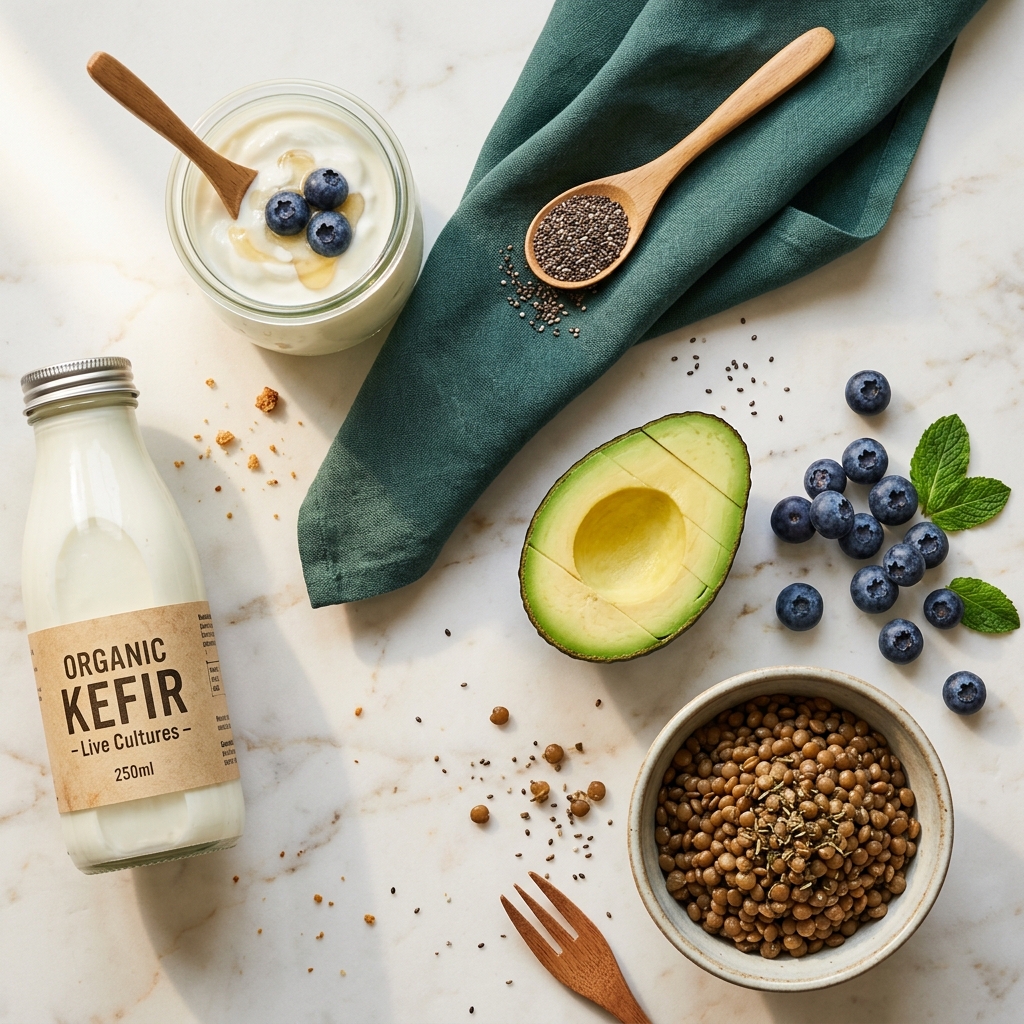
4. Kefir Berry Gut-Support Drink
- Ingredients: plain kefir, frozen blueberries, ground flaxseed.
- How to make it: Blend briefly until drinkable.
- Why it may help: This is less about “fighting inflammation fast” and more about supporting a healthier gut environment with probiotics and lower-sugar ingredients.
- Best for: Bloating-prone readers, light breakfast, digestion support.
- Practical note: Start small if kefir is new to you. Fermented drinks can be helpful, but too much too fast is not always fun.
5. Tart Cherry Recovery Spritzer
- Ingredients: unsweetened tart cherry concentrate, sparkling water, optional lime, ice.
- How to make it: Stir together in a tall glass.
- Why it may help: Tart cherry tends to make the most sense for recovery and sleep support, not miracle full-body inflammation claims.
- Best for: Evening routine, post-workout soreness, replacing alcohol or soda.
- Practical note: Keep the portion moderate. Tart cherry can get sugary fast.
6. Ginger Lemon Digestive Tea
- Ingredients: hot water, fresh ginger, lemon wedge, optional mint.
- How to make it: Steep and sip.
- Why it may help: It is simple, warming, and one of the easiest ways to use ginger regularly.
- Best for: After heavier meals, cooler weather, cutting back on sweet tea.
- Practical note: If you have reflux, go easy on the lemon. For some people, the citrus is the issue, not the ginger.
7. Cocoa Cinnamon Oat Drink
- Ingredients: unsweetened milk, cocoa powder, quick oats, cinnamon.
- How to make it: Blend warm or cold.
- Why it may help: This can be a surprisingly good dessert replacement when you want something comforting but lower in sugar.
- Best for: Afternoon cravings, sweet-tooth management.
- Practical note: Don’t turn it into liquid hot chocolate. That defeats the whole point.
8. Savory Anti-Inflammatory Broth Mug
- Ingredients: low-sodium bone broth or vegetable broth, grated ginger, pinch turmeric, black pepper, parsley.
- How to make it: Warm and sip from a mug.
- Why it may help: This is the best option in the article for people who simply do not want another sweet drink.
- Best for: Cold days, appetite reset, swapping out salty processed snacks.
- Practical note: If sweet wellness drinks have never worked for you, start here.
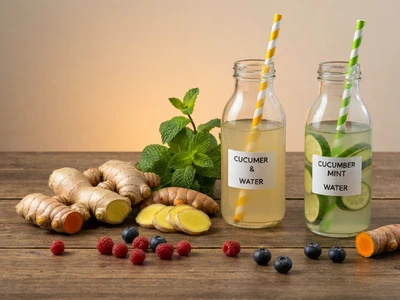
9. Cucumber Mint Hydration Drink
- Ingredients: cold water or sparkling water, cucumber slices, mint, optional lemon.
- How to make it: Let it sit in the fridge for a bit if you can.
- Why it may help: This one is useful because it makes water easier to drink and helps replace sugary beverages. That matters more than people think.
- Best for: Summer hydration, habit replacement.
- Practical note: Sometimes the best anti-inflammatory drink is just the one that helps you stop drinking worse things.
If you want a greener, more blender-heavy version of this topic, anti-inflammatory green smoothie recipes is the natural next read.
Which Homemade Anti-Inflammatory Drinks Are Overhyped?
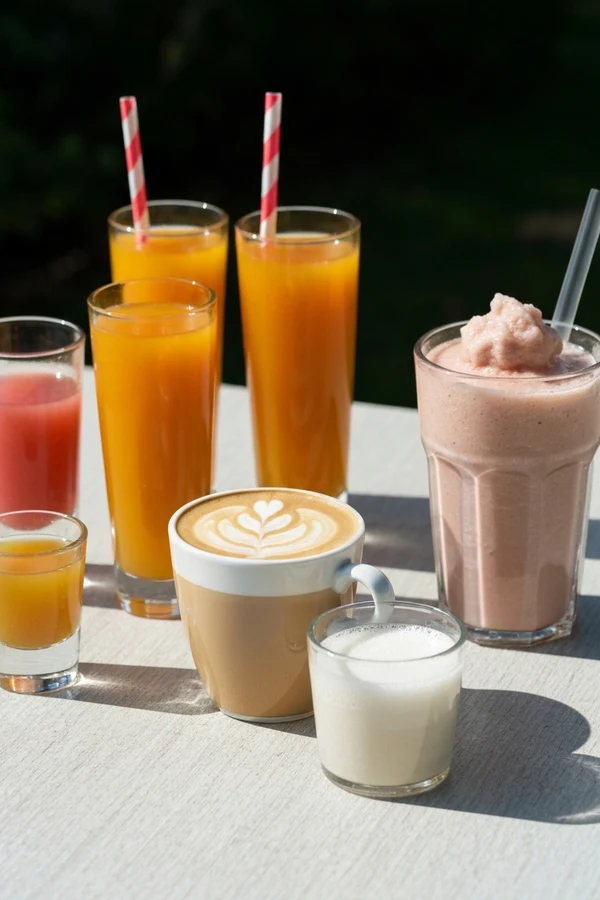
A lot of anti-inflammatory drink content looks convincing because it uses attractive ingredients. That is not the same as being a good everyday choice.
The biggest overhyped category is usually wellness shots. A homemade ginger turmeric shot can be fine once in a while. But many people assume shots are automatically stronger, cleaner, or more effective. In real life, they are often harsh, acidic, expensive, and hard to stick with. If you dread the drink, it is not a sustainable habit.
The next problem is juice-heavy anti-inflammatory drinks. Orange juice, pineapple juice, apple juice, honey, and turmeric might sound wholesome together, but it can still add up to a lot of sugar with a health halo. If your goal is steadier energy, less bloating, or better weight management, that matters.
Green tea is another place where nuance matters. It is a solid habit. It is just not a miracle. The same 2025 meta-analysis on PubMed found benefits for oxidative status, but not sweeping improvements across every inflammatory marker people usually talk about. So yes, green tea belongs here. No, it does not deserve full superhero status.
I’d also put sweet cafe drinks with trendy add-ins in the overhyped category. Adding turmeric to a heavily sweetened latte does not magically turn it into an anti-inflammatory drink.
Here is the simplest filter I know: if the drink adds a lot of sugar, irritates your stomach, leaves you hungry, or feels impossible to keep doing, it probably does not belong in your core routine.
How to Choose the Right Drink for Your Goal
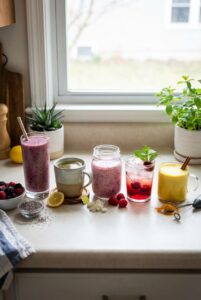
Not every drink needs to do the same job. That is why choosing by goal works so much better than randomly rotating recipes.
If your main issue is bloating or gut support, start with kefir, ginger tea, or a lower-acid smoothie. These are usually gentler than aggressive lemon-cayenne or vinegar-based drinks. If gut symptoms are a bigger pattern for you, pair this with how to reduce gut inflammation quickly.
If you care most about joint discomfort or recovery, ginger and tart cherry are usually the best starting points. Turmeric may fit here too, but I would treat it as supportive rather than dominant.
If your priority is weight management or blood sugar control, the best homemade anti-inflammatory drinks are the ones that stay low in sugar and actually satisfy you. Green tea, berry chia smoothies, cocoa cinnamon drinks, and moderate kefir-based drinks all tend to fit better than fruit juice blends. Protein, fiber, and portion size make a bigger difference than people expect. If you are trying to make anti inflammatory drinks homemade work for real life, this is usually the section that matters most.
If you want something for evening wind-down, golden milk and a small tart cherry spritzer usually make more sense than another coffee or a sugary nightcap.
In my experience, most people do best with just two go-to drinks: one morning option and one evening option. Once you have those, the whole thing starts to feel a lot less overwhelming.
Safety Notes Before Drinking These Every Day
This part is not exciting, but it matters.
If you take blood thinners, be more careful with concentrated ginger and turmeric habits. Cooking with those ingredients is one thing. Daily shots, extracts, or supplement-style use is another. If that applies to you, talk with your clinician before making them part of your everyday routine.
If you have reflux, gastritis, or a sensitive stomach, citrus-heavy drinks and aggressive wellness shots may be a terrible fit. That does not mean anti-inflammatory drinks are off the table. It just means a warm broth mug, kefir drink, or low-acid cocoa drink may work better than lemon-ginger firewater.
If you are watching blood sugar, the main thing to notice is whether your drink quietly became a large glass of juice. Whole-fruit smoothies, moderate portions, and unsweetened bases usually work much better.
If you are prone to kidney stones or need to watch oxalates, be more thoughtful with spinach-heavy smoothie habits. You do not need to panic. You also do not need a giant spinach smoothie every single morning.
And if you already know a trend irritates your body, trust that. A drink does not need to be trendy to be good for you.
A Simple 3-Day Prep Plan for Homemade Anti-Inflammatory Drinks
You do not need a full Sunday reset to make this work. A small prep system is enough.
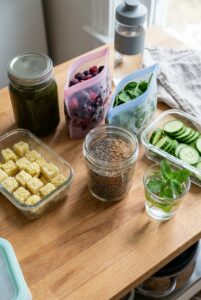
Prep once
On day one, do these five things:
- Freeze grated ginger in small cubes.
- Brew a small jar of green tea concentrate.
- Portion berries into smoothie bags.
- Mix a little jar of chia and flax.
- Slice cucumber and store mint.
That is maybe fifteen minutes, and it sets up most of the drinks in this article.
Make fresh
These are best right before drinking:
- kefir berry drinks
- broth mugs
- cucumber mint water
- ginger lemon tea
Keep in the fridge
These can last a bit:
- green tea concentrate
- tart cherry spritzer base
- smoothie freezer packs
- dry spice mix for golden milk
This follows the same logic as anti-inflammatory meal prep: the goal is not to become a wellness robot. The goal is to make the better choice easier when you are busy and tired.
Frequently Asked Questions
What is the best homemade anti-inflammatory drink?
The best one is the one you will actually drink consistently and that fits your goal. For most people, ginger tea, green tea, a berry chia smoothie, or a kefir berry drink are the easiest places to start.
Can I drink turmeric and ginger every day?
Many people can use food-level amounts daily, especially in tea, golden milk, or meals. But concentrated habits are different. If you take blood thinners, have reflux, or use supplements, check with your clinician before making daily high-dose turmeric or ginger a routine.
Are anti-inflammatory wellness shots actually healthy?
Sometimes, but they are often overhyped. A homemade shot can be fine once in a while, but for everyday use, a gentler low-sugar drink is usually easier to tolerate and more realistic to keep doing.
What drinks should I avoid if I am trying to reduce inflammation?
The biggest ones are soda, energy drinks, alcohol-heavy routines, bottled juices with lots of sugar, and sweet coffee drinks that act like dessert. If you improve only one category, start there.
Is green tea anti-inflammatory?
Green tea can fit an anti-inflammatory pattern because it is rich in polyphenols and tends to be a better default than sugary drinks. But it is not a miracle beverage, and the effect is not dramatic on its own.
Is coffee inflammatory or anti-inflammatory?
Coffee is not automatically inflammatory. For many people, the issue is what gets added to it. Plain coffee is very different from a large blended coffee drink loaded with syrups and whipped cream.
What can I drink at night for inflammation?
Golden milk, a moderate tart cherry spritzer, or simple ginger tea are the most practical options. The best evening drink is the one that supports a calmer routine without a lot of sugar or caffeine.
The Bottom Line
The best homemade anti-inflammatory drinks are not the most dramatic ones.
They are the ones that help you replace a worse habit, feel a little better in your body, and fit your real schedule.
That usually means keeping the formula simple: a good base, one useful active ingredient, one smart booster, and very little added sugar. Ginger, turmeric, green tea, berries, kefir, tart cherry, and cocoa all have a place. You just do not need all of them at once.
Start with two drinks, not nine. Pick one morning option and one evening option. Run them for a week. Notice what feels easy, what tastes good, and what actually helps you stay consistent. That is the fastest way to turn anti inflammatory drinks homemade from a search term into a habit.
If you want the food side of this to match your drink routine, read list of foods for an anti-inflammatory diet next. If smoothies are your easiest entry point, go to anti-inflammatory smoothie recipes. And if you are trying to clean up the full picture, including pantry choices and cooking fats, seed oils and inflammation is a smart next step.
The information on this site is for educational purposes only and is not intended as medical advice. Always consult a qualified healthcare provider before making any changes to your diet, exercise routine, or supplement use.

About Jane Smith
We turn solid evidence into everyday habits Americans can actually do—plain English, cups/oz, grocery-aisle swaps, and routines that fit real life. Our editorial process: Experience—we road-test tips in real schedules…