9 Subtle Warning Signs Your Body Sends
We often think of health problems as something dramatic, like chest pain or a high fever. But long before big...
We often think of health problems as something dramatic, like chest pain or a high fever. But long before big symptoms show up, your body usually whispers quieter messages. These subtle body warning signs can be easy to ignore when you’re rushing between work, kids, and errands. Learning to notice them doesn’t mean panicking—it simply helps you ask better questions, make small changes, and talk to your doctor sooner if something feels off.
Understanding Your Body’s Early Warning Signs
Our bodies are always giving feedback, from energy levels to sleep patterns. When something is out of balance, that feedback can show up as nagging, quirky symptoms that don’t seem like a big deal. The key is to look at patterns over time, not single moments.
👉 For a deeper dive into reading your body’s signals, check out: Warning Signs Your Body May Be Low in Key Nutrients — it’s packed with practical tips.
Why small symptoms can signal bigger issues
A single dizzy spell or one night of bad sleep usually isn’t cause for alarm. But when the same symptom repeats—like daily yawning or ongoing leg swelling—it can be your body’s way of waving a small red flag. For example, frequent dizziness might be related to low blood sugar, dehydration, or blood pressure changes. Constant bad breath may be linked to gum issues or gut imbalances. Paying attention early can help you and your provider catch problems before they grow.
👉 Want to go further? Our complete breakdown of The 4 Levels Of Holistic Healing walks you through topics related to holistic step by step.
How to track patterns without panicking
You don’t need fancy tech to track body warning signs. A simple notebook or a note on your phone works. Jot down when symptoms show up, what you ate, how much water you drank, how you slept, and any stress. After a week or two, you might notice links—like dizziness after skipping breakfast, or ringing in your ears on high-stress days. This calm, curious approach keeps you from spiraling into worry while still taking your body seriously.
👉 Want to go further? Our complete breakdown of Vegetarian Keto Meal Plan: Easy Meals & Shop List walks you through topics related to vegetarian step by step.
Yawning, Breath Changes, and Dizziness
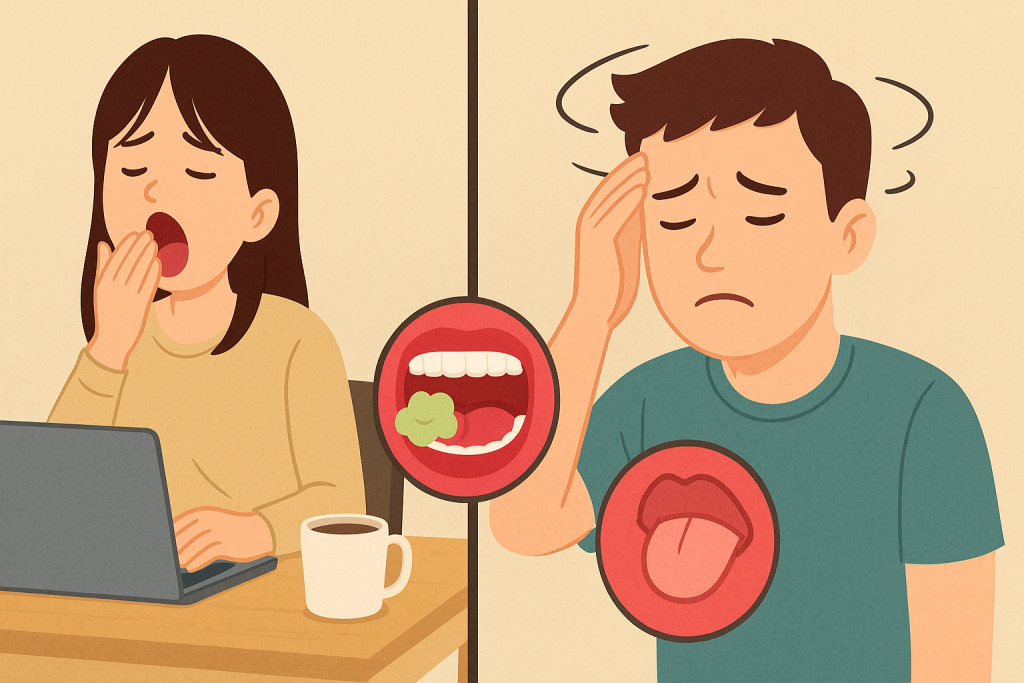
Next, let’s look at three common everyday signals many Americans brush off as “normal”: constant yawning, bad breath, and feeling lightheaded.
Constant yawning and low oxygen or fatigue
If you’re yawning all day even after 7–9 hours of sleep, your body might be tired for a reason. Chronic fatigue can stem from inconsistent sleep schedules, sleep apnea, anemia, or simply not getting enough restorative deep sleep. If you fall asleep easily on the couch, snore loudly, or wake up with headaches, it may be worth talking to your doctor or a sleep specialist. In the meantime, aim for a consistent bedtime, a cool bedroom around 65–68°F, and a screen “cutoff time” at least 30–60 minutes before bed.
Bad breath and possible gut or oral issues
Occasional bad breath after garlic fries is normal. Constant bad breath, even after brushing and flossing, might be a clue. It can point to gum disease, dry mouth, postnasal drip, or even issues in the digestive tract. Make sure you’re seeing a dentist at least once a year, brushing twice daily, and drinking enough water—about 8 cups per day for many adults, unless your provider suggests otherwise. If your dentist says your gums look fine but the odor continues, ask your healthcare provider whether reflux, infections, or gut imbalances could be playing a role.
Dizziness, low blood sugar, and hydration
That “whoa, the room is spinning” feeling when you stand up quickly isn’t always serious, but frequent dizziness deserves attention. Common triggers include low blood sugar from skipping meals, dehydration, or sudden drops in blood pressure. Try eating regular meals with protein—like eggs, Greek yogurt, beans, or chicken—and keeping a water bottle with you during the day. If dizziness comes with chest pain, shortness of breath, or fainting, seek urgent care or emergency help right away.
Cravings, Swelling, and Changes in Smell
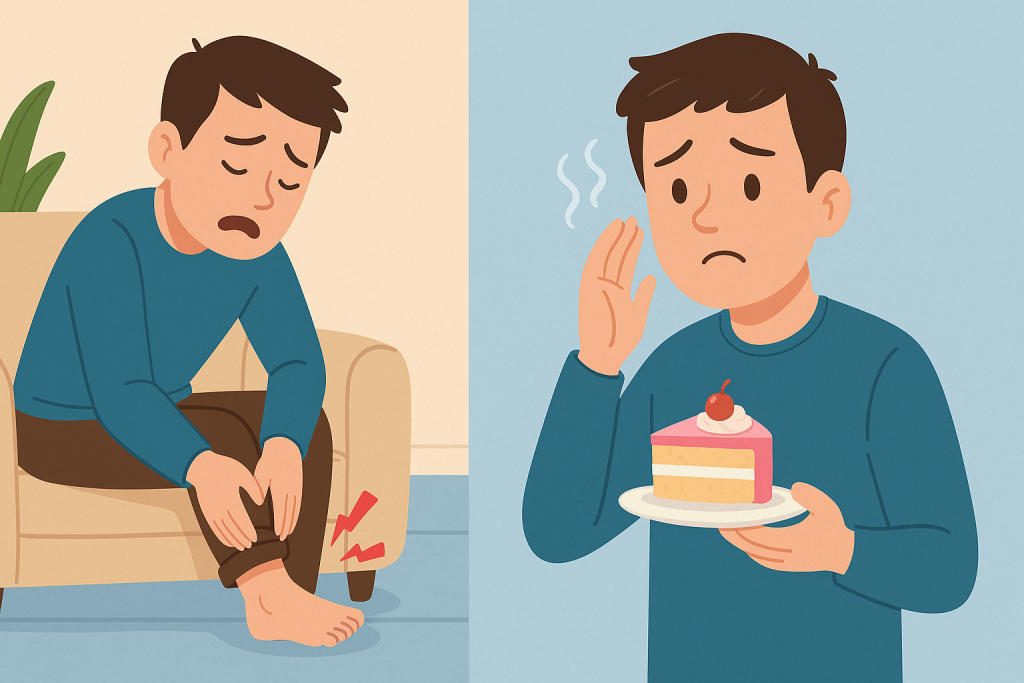
Cravings and small physical changes can also act as body warning signs, especially when they hang around for weeks.
Sugar cravings and possible magnesium gaps
Craving dessert once in a while is part of normal life. But if you constantly want candy, soda, or pastries—especially in the afternoon or late at night—it may hint at more than willpower. Blood sugar swings, poor sleep, and stress all play a role. Some people also feel more cravings when their diet is low in magnesium, found in foods like almonds, pumpkin seeds, spinach, and black beans. Instead of fighting cravings with pure restriction, try adding balanced snacks: an apple with 1–2 tbsp of peanut butter, or a small handful of nuts with a cheese stick.
Leg swelling and potential kidney or circulation issues
Swelling in the feet, ankles, or calves after a long day on your feet might be normal. But if you notice swelling most days, or one leg is much more swollen than the other, it can signal circulation issues, kidney problems, heart strain, or side effects from certain medications. If you press a finger into your lower leg and the indentation stays for several seconds, it’s worth mentioning to your doctor. Simple steps like propping your feet up in the evening, walking for 5–10 minutes every hour, and reducing high-sodium foods (like fast food or canned soups) can sometimes help, but medical evaluation is important.
Loss of smell and possible zinc deficiency
Losing your sense of smell or noticing that food tastes dull can be surprising. Temporary changes can follow a cold, flu, or COVID infection. But ongoing loss of smell may connect to zinc deficiency, chronic sinus issues, or neurological conditions. Foods naturally rich in zinc include oysters, beef, pumpkin seeds, and chickpeas. If you’re considering a zinc supplement, ask your healthcare provider first—too much zinc can also cause problems. Any sudden, unexplained change in smell or taste is worth getting checked.
Ringing Ears, Burning Tongue, and Nutrient Gaps
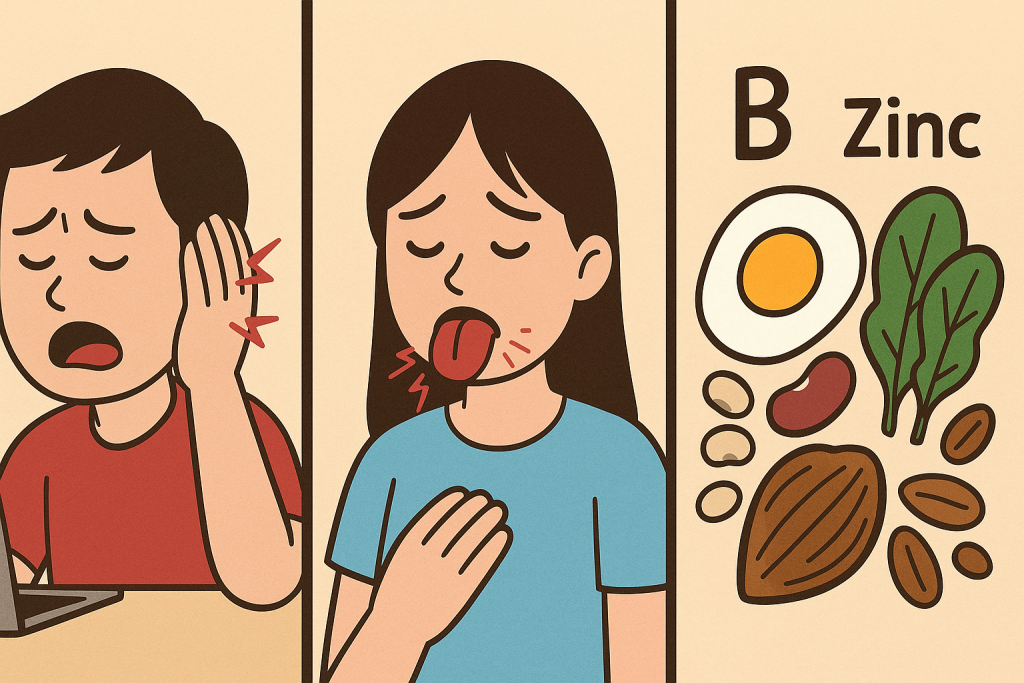
Some of the most frustrating body warning signs involve your senses: sounds, tastes, and sensations that no one else can feel.
Ringing in the ears and blood pressure concerns
Ringing, buzzing, or hissing in one or both ears—called tinnitus—can range from mild annoyance to constant distraction. It may be linked to loud noise exposure (think concerts, power tools, or earbuds turned way up), certain medications, or high blood pressure. If you notice ringing alongside headaches, chest discomfort, or vision changes, it’s important to get your blood pressure checked. Many pharmacies and grocery stores in the US have public blood pressure machines, but a home cuff or a doctor’s office reading is more accurate. Protecting your hearing with earplugs and lowering volume levels can prevent further damage.
Burning tongue and B vitamin deficiencies
A burning or tingling sensation on the tongue or inside the mouth—especially without a visible burn—can feel alarming. Sometimes it’s caused by irritation from spicy foods or toothpaste ingredients. In other cases, it may relate to low levels of B vitamins (like B12 or folate), anemia, or nerve irritation. If your tongue feels sore for more than a week, or you notice smooth, pale areas, schedule a visit with your dentist or healthcare provider. They may suggest blood work or diet changes, such as adding leafy greens, fortified cereals, or B12-rich foods like fish and eggs.
Other subtle signs of nutrient imbalances
Nutrient gaps don’t always scream for attention. They may show up as brittle nails, unusual hair shedding, frequent mouth sores, or cracked corners of the lips. In a typical US diet heavy in refined grains and convenience foods, it’s easy to miss out on key vitamins and minerals. Aiming for a “half-plate of plants” at lunch and dinner—like salads, roasted veggies, or fruit—plus some lean protein and healthy fats can help cover many bases. If you’re considering a multivitamin or specific supplement, check in with your provider or a registered dietitian first.
When to See a Doctor and Daily Habits to Help
Not every symptom calls for an emergency room visit, but some body warning signs should never be ignored.
Red-flag symptoms that need urgent care
Call 911 or seek emergency care right away if warning signs come with severe chest pain, trouble breathing, weakness on one side of the body, sudden confusion, or slurred speech. These can signal heart attack or stroke, where every minute counts. You should also contact your doctor promptly if symptoms like leg swelling, dizziness, or ringing ears suddenly get worse, interfere with daily life, or come with rapid weight gain or high blood pressure readings (for example, 180/120 or higher). Trust your instincts—if something feels very wrong, it’s better to get checked.
Simple nutrition, sleep, and stress habits for US lifestyles
While only a healthcare professional can diagnose conditions, daily habits can support your body so warning signs are less likely to show up. Aim for mostly whole foods: veggies, fruits, beans, nuts, whole grains, and lean proteins you can find at any supermarket. Try to move your body at least 20–30 minutes most days—walking, dancing, or climbing stairs all count. Prioritize 7–9 hours of sleep, dimming lights and screens before bed. And carve out short stress breaks, even 5 minutes of deep breathing in your car or a quick walk around the block. Small, consistent changes matter more than perfection.
Tips & simple swaps to support your body
- Swap soda for sparkling water with a squeeze of lemon.
- Add a handful of leafy greens to one meal each day.
- Keep a small snack with protein in your bag or desk.
- Stand up and stretch for 2–3 minutes every hour.
- Use earplugs or noise-canceling headphones at loud events.
- Schedule routine checkups, even when you feel “mostly fine.”
FAQs
- How do I know if a body warning sign is serious?
Look at three things: how intense it is, how long it lasts, and whether it’s changing. Mild symptoms that fade quickly are usually less urgent. But severe pain, sudden changes, or symptoms that keep getting worse should be evaluated by a healthcare professional as soon as possible. - How long should I wait before seeing a doctor about a subtle symptom?
If a mild symptom—like constant yawning, leg swelling, or ringing in the ears—sticks around for more than two to four weeks, it’s reasonable to schedule an appointment. Go sooner if the symptom affects daily life, keeps you from sleeping, or is paired with other red flags like shortness of breath or chest discomfort. - Can diet alone fix issues like sugar cravings or low energy?
Diet can make a big difference, especially if you’re often skipping meals or relying heavily on fast food. Balanced meals with protein, fiber, and healthy fats may steady energy and cravings. Still, ongoing fatigue or intense cravings can have medical causes, so it’s important to involve your doctor instead of assuming food is the only answer. - Should I start taking supplements if I suspect a deficiency?
It can be tempting to grab a bottle of zinc, magnesium, or B vitamins at the store, but more isn’t always better. High doses of certain supplements may interfere with medications or other nutrients. A safer path is to focus on food first and ask your healthcare provider whether blood tests or targeted supplements are appropriate for your situation.
If any of these subtle body warning signs sound familiar, don’t ignore them. Start tracking what you notice, make a few gentle lifestyle upgrades, and check in with your healthcare provider to get personalized guidance.
Disclaimer: This content is for informational purposes only and is not a substitute for professional medical advice.

About Jane Smith
We turn solid evidence into everyday habits Americans can actually do—plain English, cups/oz, grocery-aisle swaps, and routines that fit real life. Our editorial process: Experience—we road-test tips in real schedules…