Hidden Signs You May Be Low in Key Nutrients
Many people assume they would immediately notice if their body lacked essential nutrients, but early signs can be surprisingly subtle....
Many people assume they would immediately notice if their body lacked essential nutrients, but early signs can be surprisingly subtle. From cravings to skin changes, your body often sends gentle signals long before bloodwork shows anything unusual. Understanding these small clues can help you make simple, food-first adjustments that better support your daily energy and well-being. In this guide, we’ll explore common nutrient deficiency signs, how they may relate to vitamins and minerals, and practical ways to boost your nutrient intake through everyday choices.
Subtle Symptoms Linked to Low Nutrient Levels

As you pay closer attention to physical changes, certain patterns may point toward possible nutrient gaps. These signs aren’t diagnostic on their own, but they often appear before more obvious symptoms develop.
👉 This pairs well with our Habits Linked to Common Health Issues guide if you want the full picture on topics related to health.
Skin, mouth, and energy changes
Some of the most noticeable signs of nutrient shortfalls show up on the skin and around the mouth. For example, cracked corners of the lips may be connected to low riboflavin, especially if combined with dryness or redness that appears more frequently during colder months. Similarly, easily bruised skin can be associated with inadequate vitamin C because this nutrient supports collagen formation. If you find that a small bump leads to a large bruise more often than before, this pattern may be worth paying attention to. Changes in daytime energy can also present early indicators. Feeling worn down despite getting 7–9 hours of sleep a night may be related to low intake of certain B vitamins.
👉 If you’re also working on topics related to equipment, our detailed guide on 10-Minute Core Burn Workout at Home (No Equipment) covers exactly what you need.
Cravings and sensitivity shifts
Unusual cravings can sometimes hint at nutrient imbalances. Craving ice—known as pagophagia—is commonly associated with low iron levels and may appear weeks before a formal diagnosis. One example many people notice is chewing ice from a fast-food soft drink several times a day, even when they weren’t previously drawn to cold foods. Salt cravings may also emerge when the body is under added stress, such as during long workdays. In addition, sound sensitivity occasionally appears in those low in magnesium. Someone may start feeling overwhelmed by everyday noises—like clattering dishes—after long periods of magnesium-poor eating patterns.
👉 Want to go further? Our complete breakdown of Body Warning Signs You Shouldn’t Ignore walks you through reading your body’s signals step by step.
What These Signs Might Suggest About Specific Nutrients
When several subtle cues show up at once, understanding how nutrients support the body can help you interpret them more clearly.
How vitamins influence daily well-being
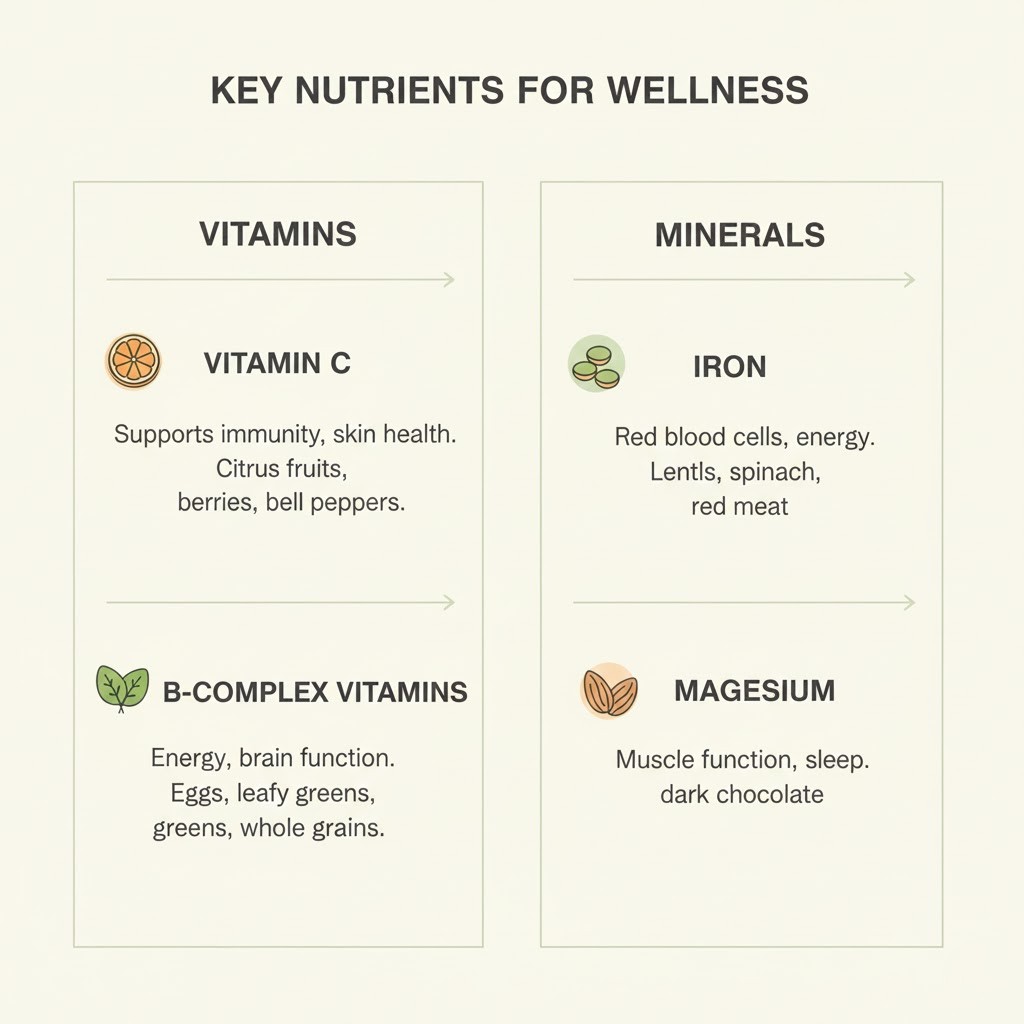
Vitamins play roles in everything from energy metabolism to skin structure. Vitamin C supports the formation of connective tissue, helping keep bruising minimal. Many Americans get less than the recommended daily amount of fruits and vegetables, making low vitamin C more common than expected. B-complex vitamins, especially B6 and B12, help with neurotransmitter production. When intake dips, some people notice feeling mentally overloaded even during ordinary tasks. Riboflavin (B2) contributes to skin health and energy production, which is why cracked lip corners sometimes accompany low intake, particularly in diets short on dairy or fortified grains.
The role of minerals in common symptoms
Minerals such as iron and magnesium play structural and regulatory roles. Iron supports oxygen transport in the bloodstream, so low levels can lead to cravings for unusual textures such as ice or even dirt. Magnesium supports nerve function, which may explain sound sensitivity or feelings of agitation when levels run low. Another mineral-related pattern some people describe is a heightened craving for salty foods during periods of high stress. Although salt craving has many possible causes, it can occasionally relate to adrenal workload or low mineral intake in general. Tracking these shifts over several days can offer insight into whether diet may be a contributing factor.
Everyday Factors That Contribute to Low Nutrient Intake
Understanding why nutrient gaps happen can help you address the root causes rather than just the symptoms.
Diet patterns common in the US
Many nutrient deficiencies arise from familiar eating habits. Fast-paced schedules often lead to quick meals like sandwiches, pizza slices, or drive-thru items that may not offer enough fruits, vegetables, or whole grains. For example, a lunch of fries and a burger may provide plenty of calories but little vitamin C or magnesium. Iron intake may also fall short for people who avoid red meat or rely heavily on convenience foods. Even small shifts—like swapping juices for whole fruits—can help increase fiber and vitamin content without major meal prep.
Lifestyle habits that quietly deplete nutrients
Beyond diet, certain habits can lower nutrient levels over time. Drinking multiple cups of coffee per day, for instance, may interfere with magnesium balance, especially in individuals who also experience high stress. Athletic training without proper recovery meals can reduce iron stores due to repetitive muscle breakdown. Restrictive dieting may limit entire food groups, reducing intake of vitamins found in dairy, grains, or colorful produce. When these patterns continue for weeks or months, deficiency signs sometimes appear gradually, such as increased fatigue or irritability during busy periods.
Practical Ways to Support Balanced Nutrient Levels
Once you recognize potential signs, small changes in daily habits can make a meaningful difference in nutrient intake.
Food-first strategies at US grocery stores
Supporting nutrient levels doesn’t require a major overhaul. Many helpful changes can be made right at your local grocery store. Adding 1 cup of berries or a medium orange to breakfast boosts vitamin C naturally. Including spinach, beans, or fortified cereals at lunch or dinner can raise iron levels, especially when paired with vitamin C–rich foods to improve absorption. To support magnesium, consider foods like almonds, avocados, and whole grains; even adding 2 tbsp of pumpkin seeds to a salad provides a notable mineral boost. Convenience items such as bagged salads and precut vegetables can help busy shoppers increase nutrient density with minimal preparation.
When to check with a healthcare professional
While food-first strategies are helpful, persistent symptoms deserve medical attention. If cravings, bruising, cracked lips, or extreme fatigue continue for more than a couple of weeks, a healthcare professional may recommend blood tests to evaluate nutrient levels. This is especially important for nutrients like iron, where both low and high levels can cause problems. A doctor or registered dietitian can also help identify whether symptoms stem from nutrient intake, lifestyle stress, or other health conditions. Paying attention early can help prevent issues from progressing and ensure that any underlying causes are addressed appropriately.
Tips to Help Maintain Steady Nutrient Intake
- Add at least 1 cup of colorful produce to two meals daily.
- Keep nuts or seeds on hand for quick magnesium-rich snacks.
- Pair iron-rich foods with vitamin C sources for better absorption.
- Rotate protein sources to avoid relying on the same foods daily.
- Choose fortified grains when whole-food options are limited.
- Prep simple produce (like carrots or peppers) once a week for grab-and-go use.
FAQs
- Are cravings always a sign of nutrient deficiency?
Not always. Cravings can come from habit, stress, or environmental cues. However, persistent cravings—especially for ice, salt, or unusual textures—may be worth discussing with a healthcare professional. Looking at your overall diet patterns can help clarify whether nutrient intake could be a contributing factor. - How quickly do deficiency signs appear?
It varies by nutrient and lifestyle. Some signs, like cracked lip corners or fatigue, can show up within several weeks of low intake. Others, such as iron-related symptoms, may take months to become noticeable. Tracking changes over time can help you identify patterns worth addressing. - Can supplements fix deficiencies immediately?
Supplements can help, but they don’t work overnight. Improvements often require consistent use over weeks, depending on the nutrient and your individual needs. Food-first strategies remain valuable even when supplements are recommended by a healthcare provider. - What foods should I eat more often to avoid common deficiencies?
Fruits, vegetables, whole grains, lean proteins, nuts, and seeds all support a more balanced nutrient intake. For example, citrus fruits help boost vitamin C, oatmeal and almonds provide magnesium, and beans or lean meats offer iron. Small daily improvements add up over time. - When should I see a doctor about potential deficiency signs?
If symptoms such as fatigue, cracked lips, bruising, or unusual cravings persist for more than a couple of weeks, it’s wise to consult a healthcare professional. They can run appropriate tests and guide you toward safe, personalized changes.
If subtle symptoms have been catching your attention lately, take a closer look at your daily food habits. Small, intentional choices can support your nutrient balance and help you feel more energized every day.
Disclaimer: This content is for informational purposes only and is not a substitute for professional medical advice.

About Jane Smith
We turn solid evidence into everyday habits Americans can actually do—plain English, cups/oz, grocery-aisle swaps, and routines that fit real life. Our editorial process: Experience—we road-test tips in real schedules…