Resistant Starch: The Complete Food-First Guide (Foods, Benefits & the Cooling Trick)
Resistant starch is one of the simplest, most food-first ways to feed the good bacteria in your gut — and...
- What is resistant starch?
- The types of resistant starch
- Resistant starch foods
- The benefits: gut, blood sugar and satiety
- The cook-and-cool trick
- How to add resistant starch every day
- How much, and how to start gently
- An Eastern lens
- Frequently asked questions
- How much resistant starch is in common foods
- Why butyrate matters
- A simple week of eating more resistant starch
Resistant starch is one of the simplest, most food-first ways to feed the good bacteria in your gut — and most people already have it in their kitchen without realizing it. This guide brings the whole topic together: what resistant starch is, which foods contain it, what it may do for your gut and blood sugar, and the simple cooking trick that increases it.
A quick note: I trained in traditional Vietnamese medicine but I don’t practice clinically or treat patients. What follows is a researcher’s notes — the modern science plus the food-first lens I grew up with. This is general education, not medical advice.
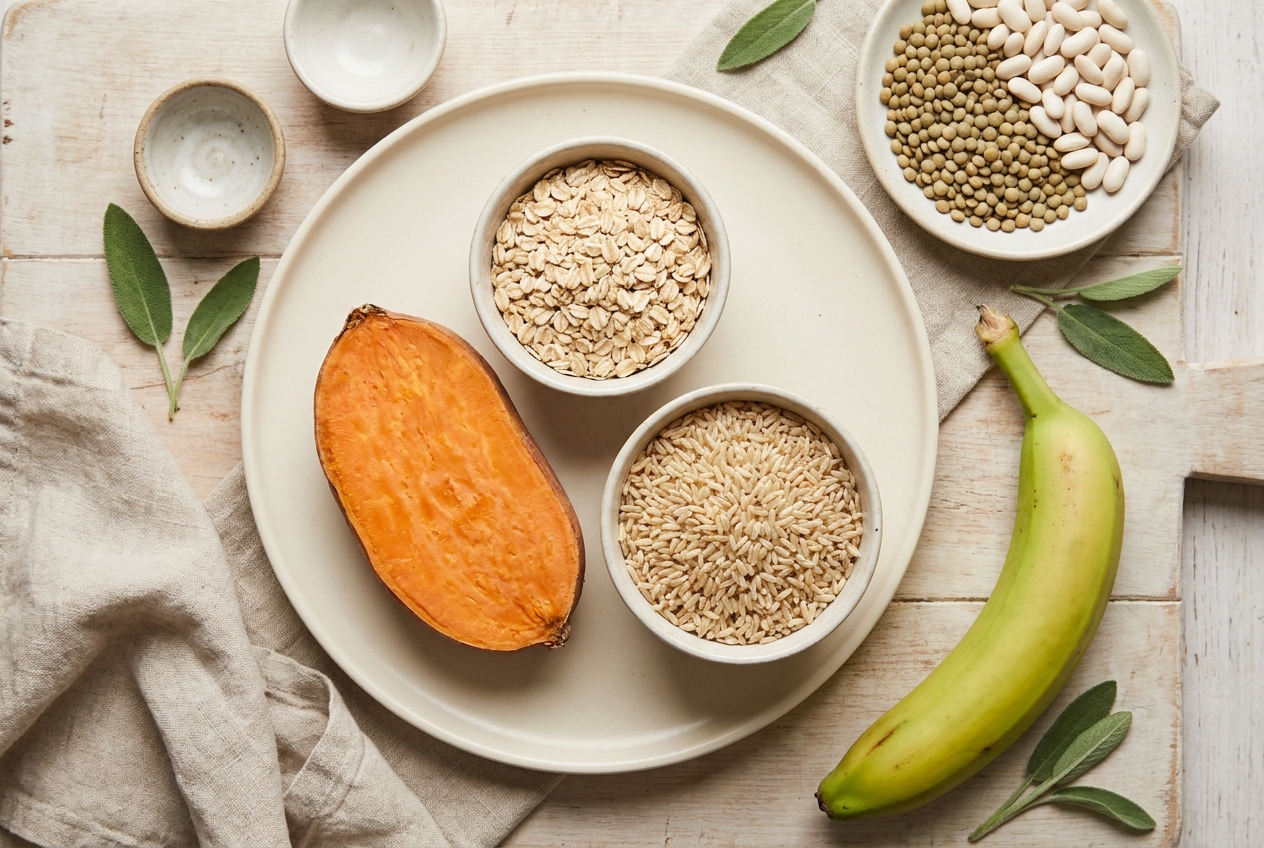
What is resistant starch?
Most starch is broken down in the small intestine and absorbed as glucose. Resistant starch is different: it “resists” digestion in the small intestine and travels to the large intestine largely intact, where your gut bacteria ferment it. In other words, it behaves less like a regular carb and more like a prebiotic fiber that feeds your microbiome.
The types of resistant starch
There are four commonly described types. You don’t need to memorize them — just know that everyday foods and simple cooking can shift how much resistant starch you actually get:
- RS1 — locked inside whole or minimally processed grains, seeds and legumes.
- RS2 — found in raw potatoes, green (unripe) bananas and some legumes.
- RS3 — formed when starchy foods are cooked and then cooled (the trick we’ll cover below).
- RS4 — chemically modified starches, mostly in processed products.
Resistant starch foods
The most practical sources are everyday, food-first ones: cooked-and-cooled oats, rice and potatoes, legumes and beans, green bananas, and cooled sweet potato. For a fuller breakdown, see our resistant starch foods list.
The benefits: gut, blood sugar and satiety
When gut bacteria ferment resistant starch, they produce short-chain fatty acids — especially butyrate, a preferred fuel for the cells lining your colon. Many people are drawn to resistant starch for three reasons:
- Gut lining & microbiome — butyrate supports the cells of the gut lining and feeds beneficial bacteria.
- Blood sugar — because it isn’t digested like regular starch, it tends to have a gentler effect on blood glucose, and some research points to a helpful “second-meal” effect.
- Satiety — the slower, fuller feeling can make it easier to eat with less snacking.
None of this is a cure for anything — it’s a gentle, food-first habit some people notice helps them feel steadier through the day.
Go deeper: resistant starch benefits and resistant starch and blood sugar.
The cook-and-cool trick
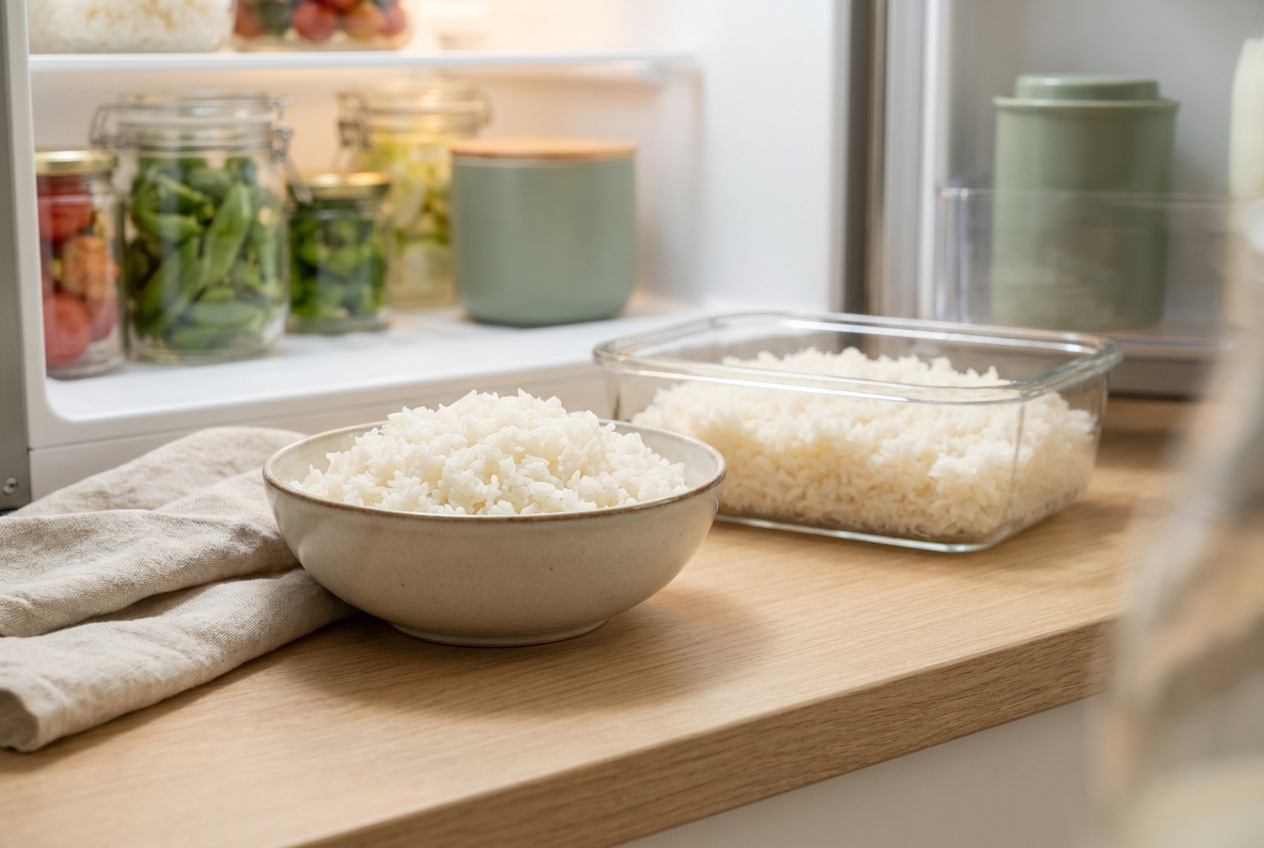
Here’s the part most people miss: cooking a starchy food and then cooling it in the fridge increases its resistant starch (that’s RS3). Cooled rice, cooled potatoes and cooled oats all gain resistant starch this way — and gently reheating them keeps much of it. We break the method down in the cook-and-cool trick for resistant starch.
How to add resistant starch every day
You don’t need a new diet — just small swaps. Two of the easiest entry points:
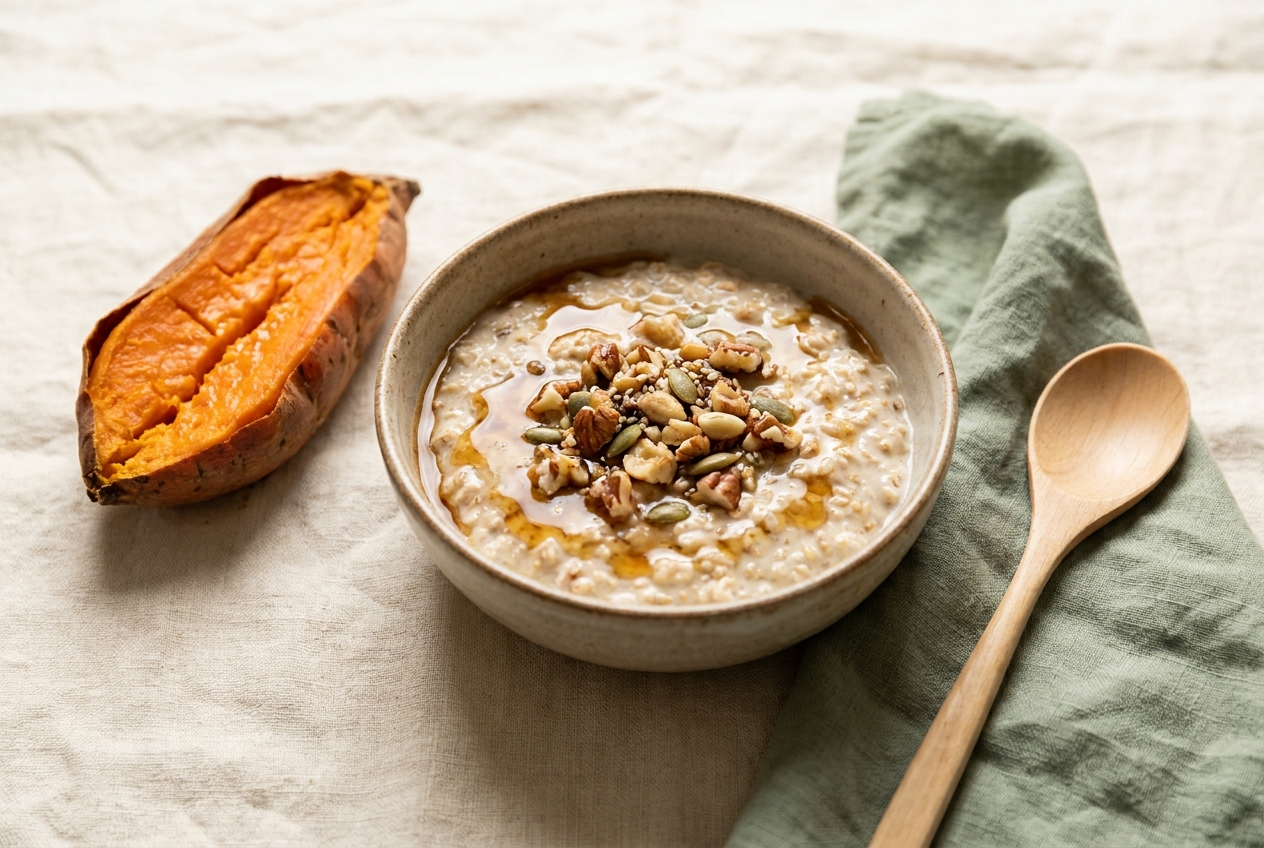
- Oats — overnight or cooled oats are a simple daily source. See resistant starch in oats.
- Sweet potato — cook it, cool it, and enjoy it cold or gently reheated. See resistant starch sweet potato.
- Legumes & beans — lentils, chickpeas and white beans are naturally rich sources.
How much, and how to start gently
Start small. Resistant starch is fermented by your gut bacteria, so adding a lot too fast can cause gas or bloating while your microbiome adjusts. A few spoonfuls of a cooled-starch food per day, increased slowly over a couple of weeks, is a comfortable way in. If twisting your whole diet feels like too much, just cool one food you already eat.
An Eastern lens
In the traditional Vietnamese and Chinese framework I grew up with, digestion centers on the “spleen-stomach” (tỳ vị) — and gentle, warm, easy-to-digest foods are favored over cold, heavy, or overly processed ones. Interestingly, cooled resistant-starch foods are usually eaten in modest amounts and often gently reheated, which sits comfortably with that food-first, don’t-overload-digestion instinct. Different language, overlapping wisdom.
Frequently asked questions
Do soaked or cooked oats have more resistant starch? Cooked-and-cooled oats generally develop more RS3 than raw soaked oats, though both can fit a food-first routine.
Does the food have to be eaten cold? Cold keeps the most resistant starch, but gentle reheating retains much of it — you don’t have to eat everything cold.
What about purple or cold sweet potato? Cooling any cooked sweet potato boosts its resistant starch; purple varieties add extra antioxidants, but the cooling step matters most.
How much resistant starch is in common foods
Exact amounts vary with the variety, ripeness, how it’s cooked and whether it’s cooled — so it’s better to think in habits than milligrams. That said, the most reliable everyday sources are:
- Cooked-and-cooled potatoes or rice — among the biggest jumps once chilled.
- Green (unripe) bananas and plantains — naturally high in RS2.
- Cooked-and-cooled oats — a gentle daily source.
- Lentils, chickpeas and white beans — naturally rich and easy to add to meals.
- Cooked-and-cooled sweet potato — modest but useful, and antioxidant-rich.
Why butyrate matters
When your gut bacteria ferment resistant starch, the standout short-chain fatty acid they produce is butyrate. Butyrate is a preferred fuel for the cells lining your colon, helps maintain the gut barrier, and is studied for its links to lower gut inflammation. Eating resistant-starch foods is, in effect, a food-first way to feed your own butyrate supply — no supplement required.
A simple week of eating more resistant starch
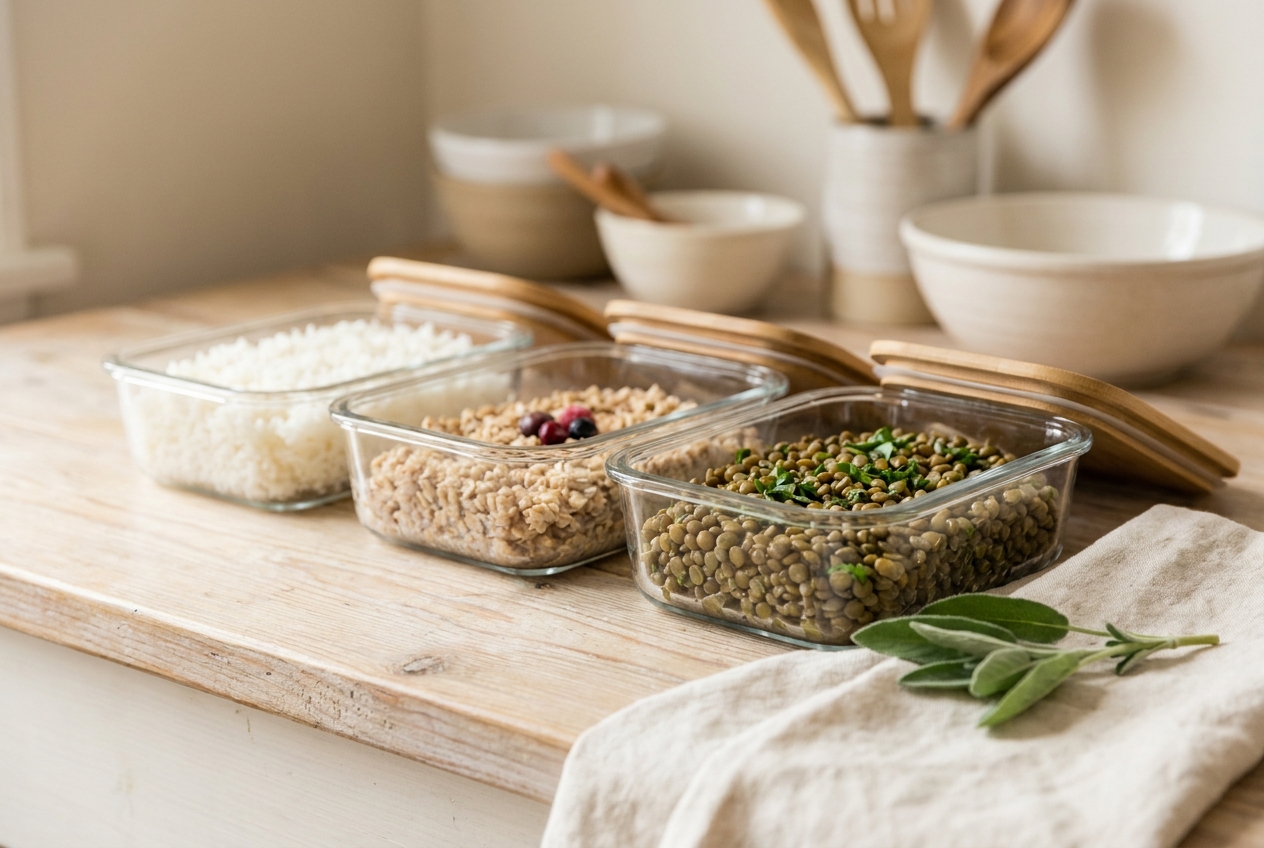
You don’t need a plan — just anchor it to meals you already eat:
- Cook a little extra rice or potato at dinner, then eat the cooled leftovers tomorrow.
- Have overnight or cooled oats for breakfast a few mornings.
- Add a scoop of lentils or chickpeas to lunch.
- Keep cooked-and-cooled sweet potato in the fridge as a grab-and-go snack.
- Choose a slightly-green banana instead of a very ripe one.
Small, repeatable swaps beat an all-or-nothing overhaul — especially while your gut adjusts.
Can resistant starch cause gas or bloating? It can if you add a lot too quickly, because your bacteria are fermenting it. Increase slowly over a couple of weeks and it usually settles.
Is resistant starch good for weight loss? It may help with satiety, which can make eating easier to manage — but it’s a gentle habit, not a magic bullet.
Do I lose resistant starch when I reheat food? Gentle reheating retains much of it, so you don’t have to eat everything cold.
Resistant starch vs fiber — what’s the difference? Resistant starch behaves like a fermentable fiber: it isn’t absorbed in the small intestine and feeds bacteria in the colon.
General wellness content, not medical advice or treatment for any condition. If you have a digestive condition or are managing blood sugar, check in with a healthcare professional before making big changes.

About Mr. Anh
We turn solid evidence into everyday habits Americans can actually do—plain English, cups/oz, grocery-aisle swaps, and routines that fit real life. Our editorial process: Experience—we road-test tips in real schedules…