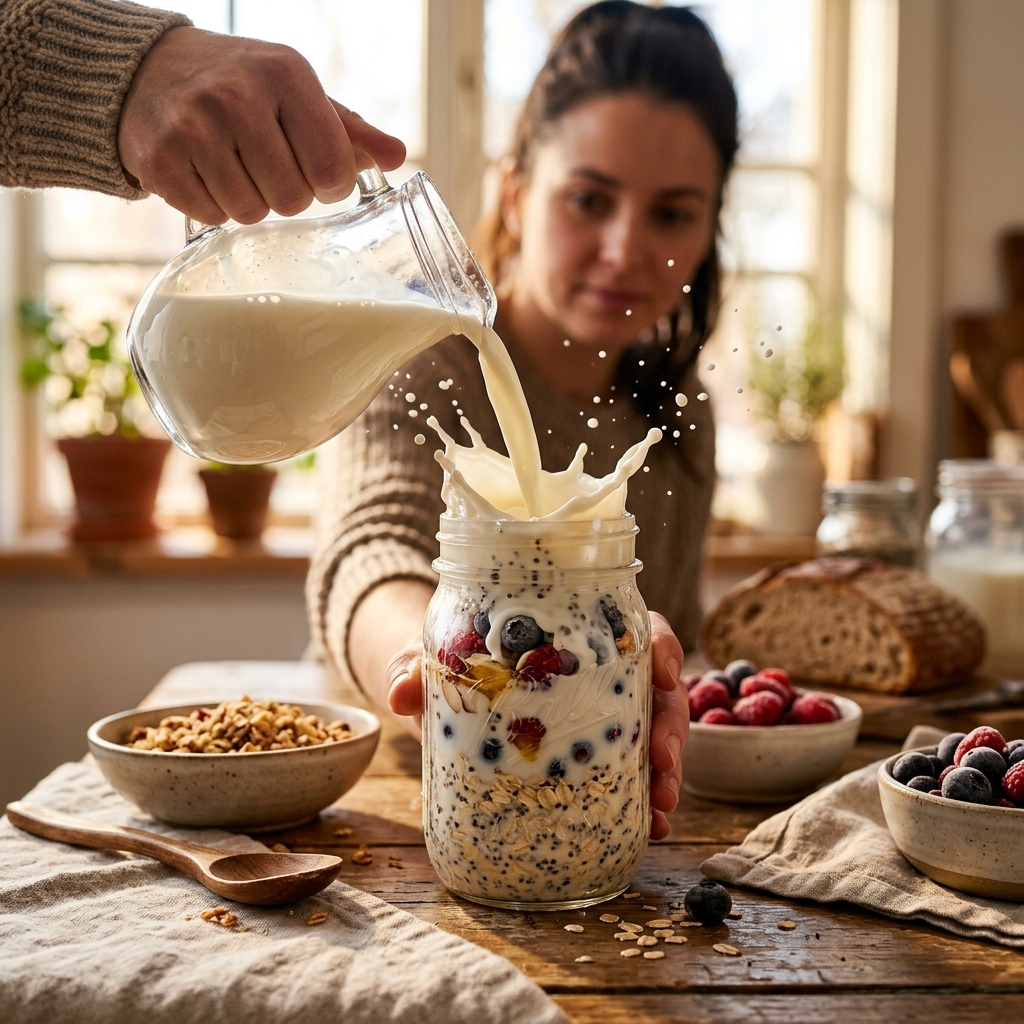
The Ultimate Probiotic Foods List: A Gentle, Food-First Guide
If you’re reading this, you’ve likely been advised to “take a probiotic” to soothe bloating, ease constipation, or gently support...
If you’re reading this, you’ve likely been advised to “take a probiotic” to soothe bloating, ease constipation, or gently support your digestion. But before you reach for an expensive supplement capsule that may contain only one or two isolated strains of bacteria, there is a beautiful, fundamental truth worth considering: nature has already perfected this system.
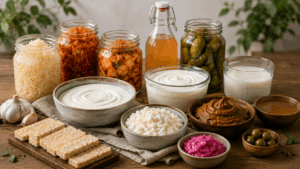
A food-first approach to gut health isn’t just more accessible—it’s wonderfully holistic. Traditional fermented foods don’t merely deliver probiotics; they offer a complex, biodiverse ecosystem of bacteria alongside the natural prebiotic fibers and enzymes those bacteria need to safely journey through your digestive tract.
However, not all fermented foods are created equal, and the modern grocery store can be surprisingly misleading. Let’s explore a gentle, food-first list of probiotic staples, and more importantly, learn how to navigate the common commercial traps that might be holding your healing back.
The Fermentation Fallacy: Why Your Pickles Might Be Misleading You

One of the most common misunderstandings in gut health is assuming that anything with a sour taste is automatically rich in probiotics.
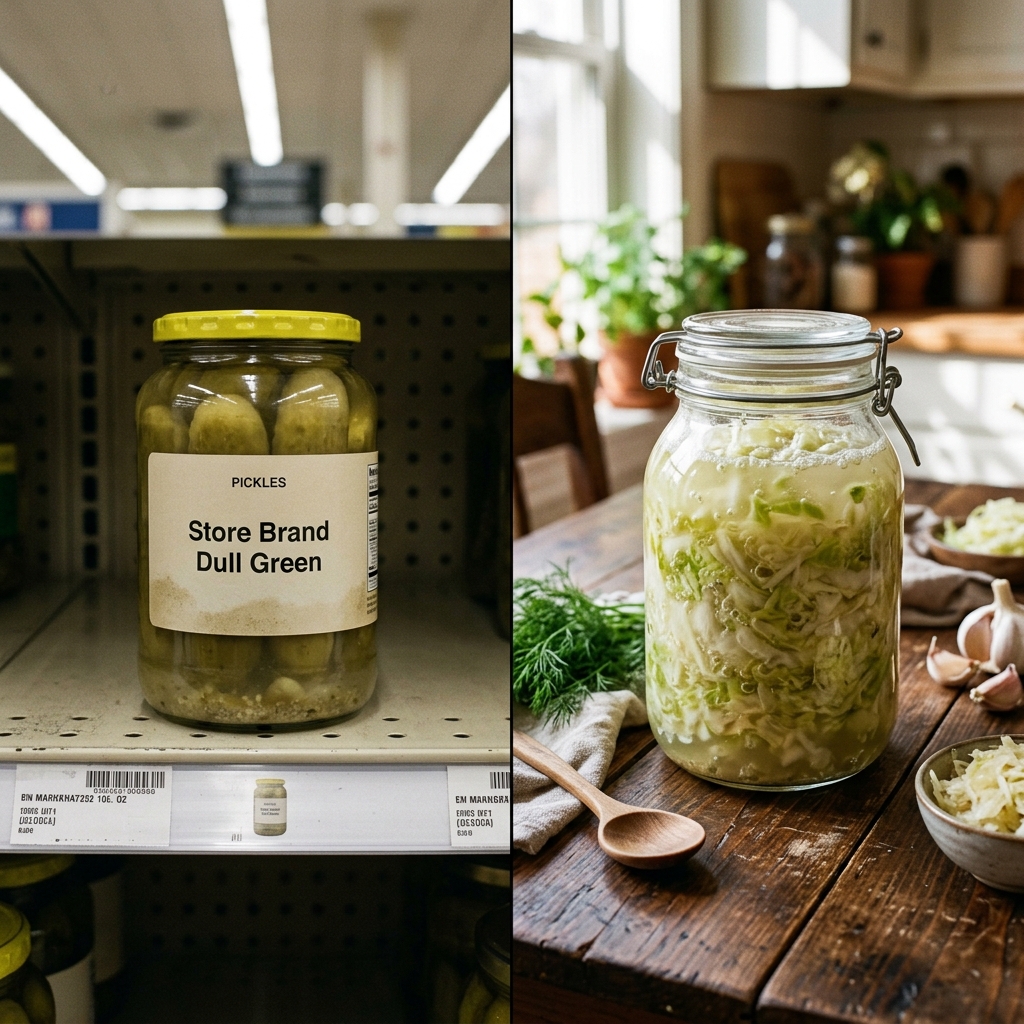
Many shelf-stable fermented foods have unfortunately been stripped of their beneficial bacteria through pasteurization. Heating these foods extends their shelf life, but it also neutralizes the live cultures. If you buy a jar of sauerkraut or pickles that is sitting on a regular, room-temperature grocery shelf, it is highly likely that the beneficial bacteria are no longer active.
Furthermore, it is wise to be aware of the Vinegar Trap. True fermentation occurs when naturally occurring bacteria slowly convert sugars into lactic acid (known as brine fermentation). However, many modern commercial pickles are simply cucumbers soaked in highly acidic vinegar. While they taste delightfully sour, the high acidity prevents natural fermentation, offering zero probiotic benefits to your microbiome.
The Golden Rule: Whenever possible, choose products from the refrigerated section, and look closely for the specific words “Live and Active Cultures” or “Naturally Fermented” on the label.
The “Fake Yogurt” Sugar Trap
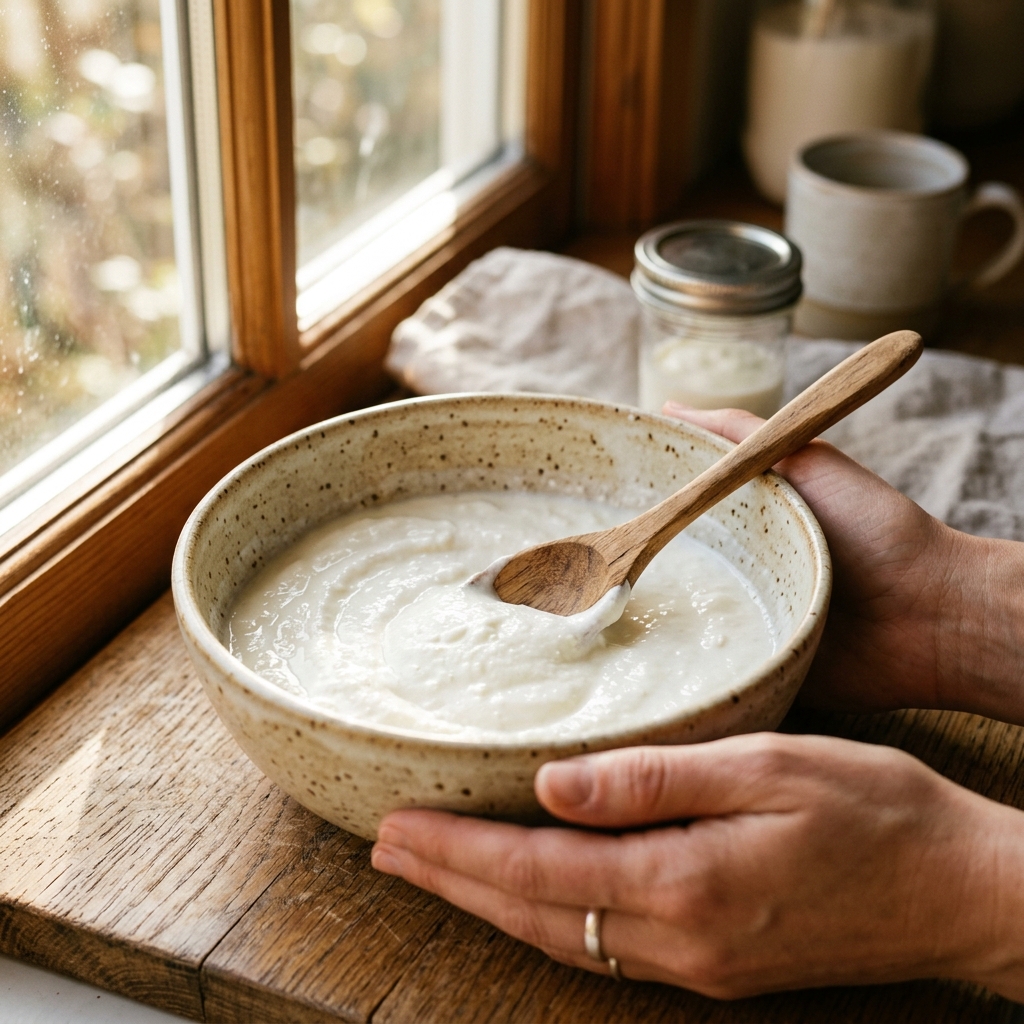
Yogurt is undeniably one of the most celebrated probiotic foods. A traditional, slow-fermented yogurt is teeming with Lactobacillus and Bifidobacterium, which help fortify the intestinal lining and gently crowd out imbalances.
But there is a catch that catches many of us off guard. A vast majority of commercial yogurts are essentially desserts masquerading as health foods, heavily sweetened with artificial fruit syrups and refined sugars.
Why is this counterproductive? Refined sugar happens to be a primary food source for opportunistic bacteria and yeast in the gut. Consuming a highly sweetened yogurt can inadvertently feed the very imbalances you are trying to soothe, neutralizing the gentle benefits of the probiotics.
To experience the true, healing benefits of yogurt, opt for plain, unsweetened, full-fat Greek or traditional varieties. If your palate prefers a touch of sweetness, simply stir in your own fresh berries or a small drizzle of raw honey.
The “Big 5” Probiotic Foods List
When you embrace a food-first, habit-based approach, you don’t need a complicated chart or rigid rules. You simply need to slowly, gently integrate these foundational staples into your weekly meals:
1. Kefir (The Cultured Powerhouse)
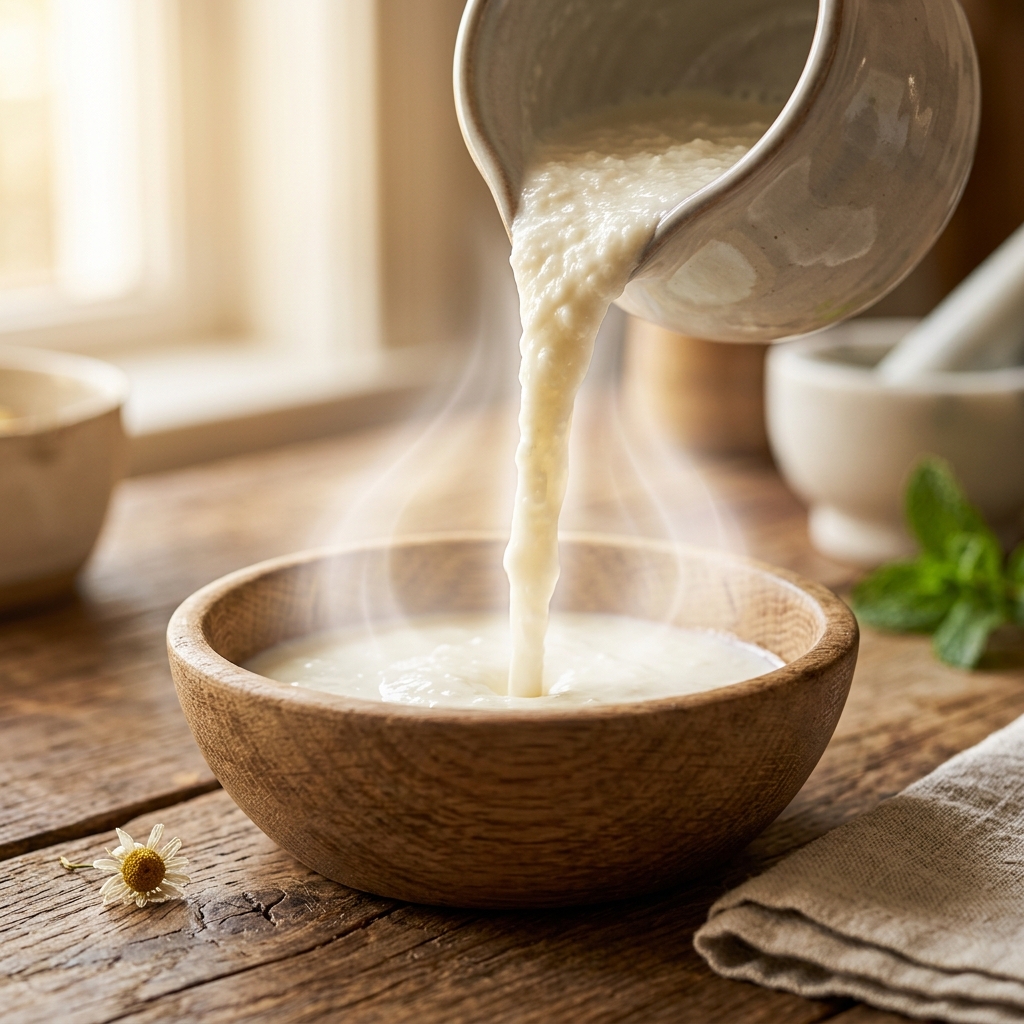
Kefir is a fermented milk drink that acts much like yogurt’s overachieving older sibling. While standard yogurt typically contains two to three strains of bacteria, kefir can boast up to 60 different strains of bacteria and beneficial yeasts. Because of its liquid consistency, it is incredibly easy to blend into a morning smoothie or sip on its own.
DIY Home Culturing: You don’t need a factory to make kefir. Simply purchase active “kefir grains” (they look like little cauliflower florets) online or from a health food store. Place 1 tablespoon of grains into a glass jar, fill it with 2 cups of whole milk (preferably grass-fed), cover with a breathable cloth, and let it sit on your counter for 24 hours. Strain the grains out to reuse them, and your tangy, probiotic-rich kefir is ready to drink!
2. Raw Sauerkraut & Kimchi
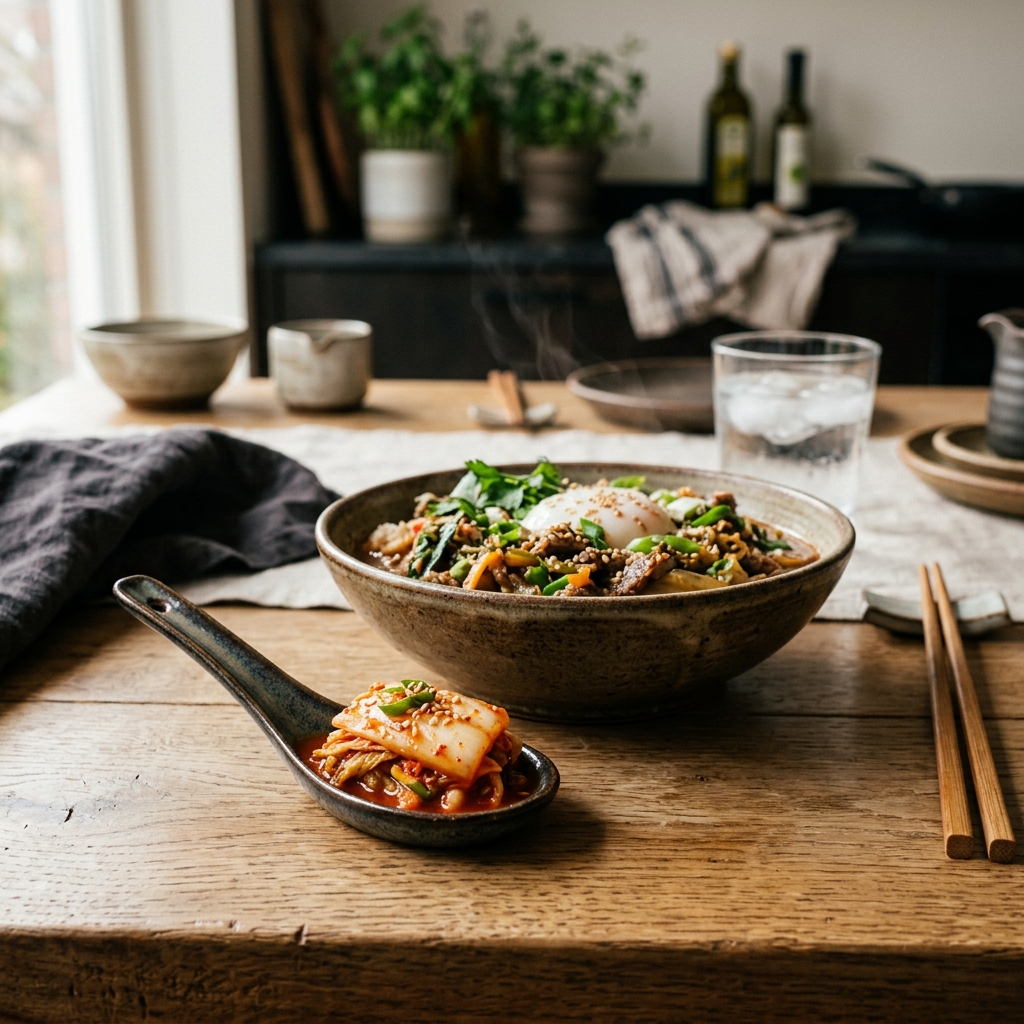
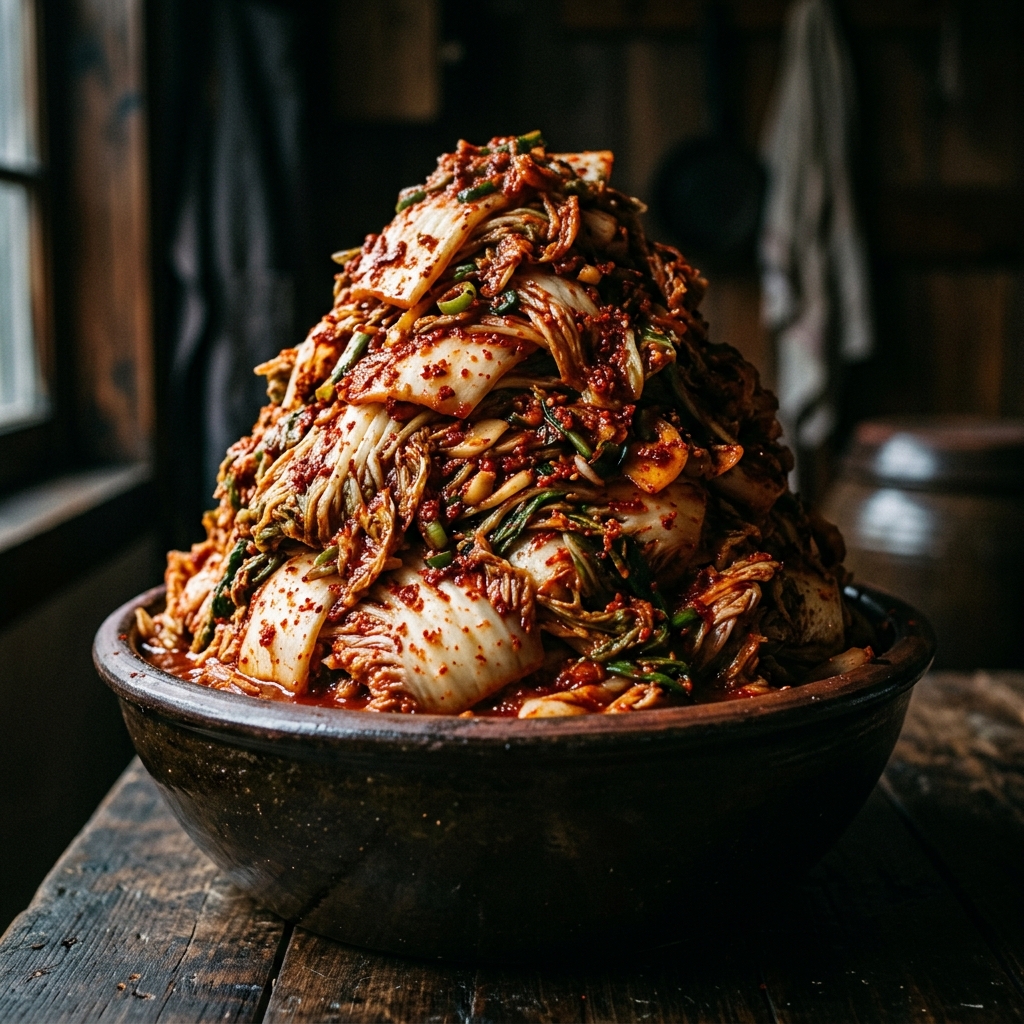
These fermented cabbages are wonderful dual-action gut soothers. Not only do they provide generous amounts of lactic acid bacteria, but the cabbage itself acts as tough, prebiotic fiber—the exact nourishment those bacteria need once they reach your colon. Just remember: for the benefits to bloom, it must be raw, unpasteurized, and refrigerated.
The 2-Ingredient Mason Jar Method: Sauerkraut is the easiest ferment for beginners. Finely shred one head of green cabbage and place it in a large bowl. Sprinkle 1.5 tablespoons of sea salt over it. Massage the cabbage vigorously with your hands for 5-10 minutes until it releases its natural juices (this creates the brine). Pack the cabbage tightly into a clean mason jar, ensuring the liquid completely submerges the cabbage. Weigh it down, cover loosely, and leave it in a dark cabinet for 1 to 2 weeks before transferring to the fridge.
3. Miso Paste
If your body is sensitive to dairy, miso is a comforting alternative. This traditional Japanese paste is crafted by fermenting soybeans with a fungus called koji. It is rich in A. oryzae, a strain noted for easing digestive distress.
A Gentle Warning: High heat neutralizes probiotics. Never boil miso paste directly. Instead, stir it gently into your soup or warm water only after you have removed the pot from the stove.
How to Prepare It at Home: While fermenting your own miso takes 6 to 12 months and requires specialized Koji spores, incorporating store-bought raw miso is incredibly easy. To make a soothing 2-minute gut tonic: boil a cup of water or bone broth, remove it from the heat, and let it cool slightly. In a small bowl, whisk 1 tablespoon of raw, unpasteurized miso paste with a splash of the warm water until smooth. Pour it back into your mug. Drink this gentle, savory elixir before a meal to prime your digestion.
4. Tempeh
Unlike standard tofu, which is unfermented, tempeh is a fermented soybean cake that binds the beans together into a dense, nutty patty. The traditional fermentation process naturally breaks down phytic acid (a compound that can block nutrient absorption), making the nutrients much easier for your body to absorb, while providing a solid, grounding dose of plant-based protein and probiotics.
How to Prepare It at Home: True tempeh requires a precise 48-hour incubation in a warm, humid environment using a specific starter culture (Rhizopus oligosporus). For most, buying organic, unpasteurized tempeh is best. To prepare it gently without killing all the probiotics: avoid deep-frying. Instead, lightly steam the tempeh block for 10 minutes to soften it and remove any bitter edge, then marinate it in coconut aminos and lightly pan-sear it over low heat.
5. Kombucha (With Caution)
Kombucha is an effervescent, fermented tea. It can be a delightful, refreshing way to enjoy a light dose of probiotics. However, because it requires sugar to ferment, commercial brands often add excessive amounts of secondary sugar to make it taste like soda. Read the label carefully and choose brands with less than 5g of added sugar per serving.
DIY Continuous Brew: To avoid the excessive sugar of commercial brands, brew it yourself! You will need a SCOBY (Symbiotic Culture of Bacteria and Yeast) and some starter liquid. Brew a pot of black or green tea, dissolve half a cup of cane sugar into it (the sugar is for the SCOBY to eat, not for you), and let it cool completely. Pour the sweet tea into a large glass vessel, gently add your SCOBY and starter liquid, cover with a cloth, and let it ferment in a dark place for 7 to 10 days. The longer it ferments, the less sugar remains.
How to Start: The Gentle Integration
If your digestion is currently sensitive, or if you are transitioning away from a standard, highly processed diet, please do not eat all five of these foods tomorrow.
Introducing a sudden abundance of new bacteria into a compromised gut can occasionally cause a temporary adjustment period, leading to unexpected bloating and gas as the microbiome shifts.
The Wise Approach: Start with just one tablespoon of sauerkraut or half a cup of kefir every other day. Allow your body the time it needs to adjust to its new, beneficial inhabitants. Healing is not a race; it is a gentle, daily habit of nourishment.
*Disclaimer: This wellness note is intended for educational purposes and should not replace professional medical advice. If you have a severely compromised immune system, SIBO, or a serious underlying medical condition, please consult your healthcare provider before drastically changing your diet.

About Mr. Anh
We turn solid evidence into everyday habits Americans can actually do—plain English, cups/oz, grocery-aisle swaps, and routines that fit real life. Our editorial process: Experience—we road-test tips in real schedules…