Top Benefits of Turmeric, Ginger, Cloves & Cucumber
Turmeric, ginger, cloves, and cucumber are four everyday ingredients many Americans already keep in their kitchens—but they offer far more...
Turmeric, ginger, cloves, and cucumber are four everyday ingredients many Americans already keep in their kitchens—but they offer far more than flavor. These foods provide approachable, simple wellness support that fits easily into a busy US lifestyle. Whether added to meals, smoothies, teas, or snacks, each one brings its own set of gentle, practical benefits. This article breaks down how they help, why they matter, and smart ways to use them at home without overcomplicating your routine.
Key Health Benefits of Turmeric, Ginger, Cloves, and Cucumber
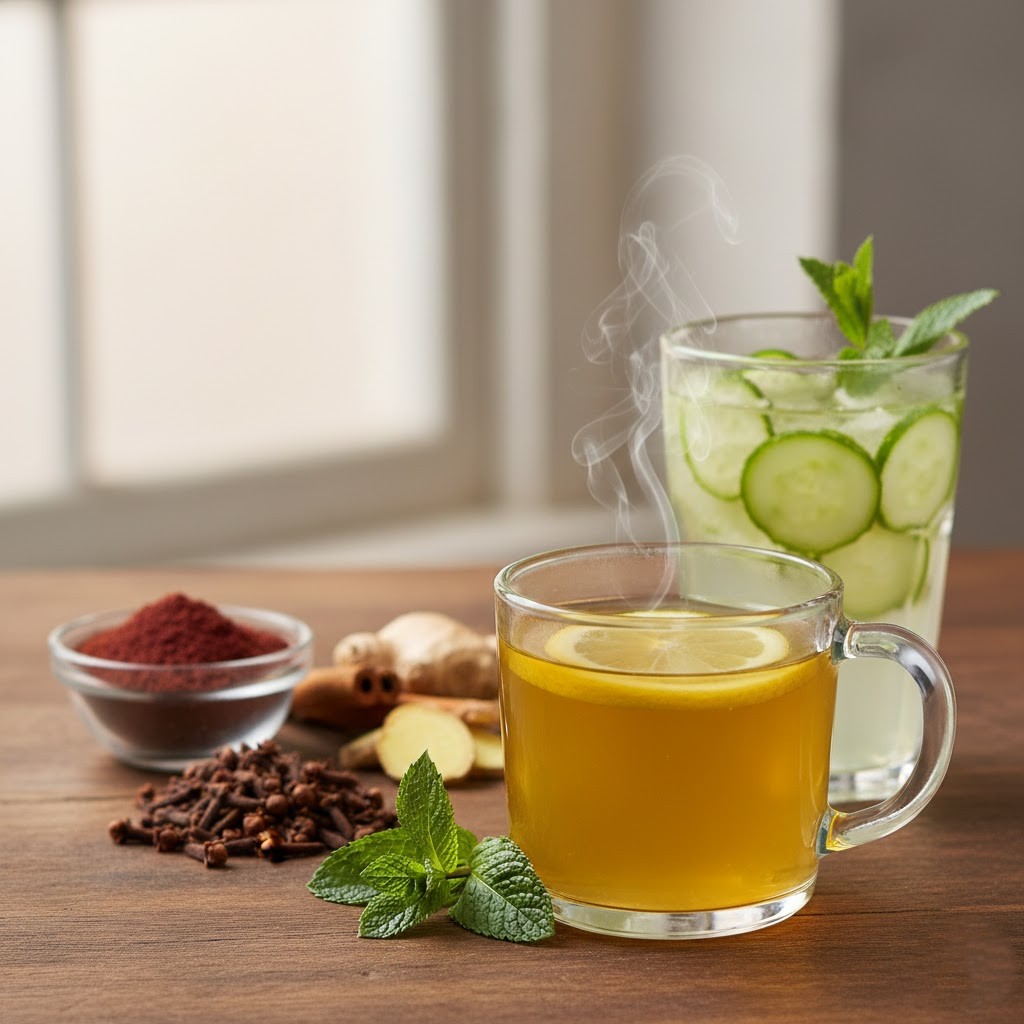
Understanding how each ingredient works gives you clarity when deciding what to add to your daily wellness habits. These four foods offer benefits that support digestion, hydration, and overall balance.
👉 This pairs well with our Hidden Signs You May Be Low in Key Nutrients guide if you want the full picture on spotting nutrient deficiencies early.
Turmeric’s Anti-Inflammatory and Digestive Support
Turmeric has long been valued for its anti-inflammatory potential, thanks to a natural compound called curcumin. While it’s not a cure-all, adding ½–1 tsp of turmeric to meals or drinks may gently support the body’s natural inflammatory response. Many US households use it in curry dishes, golden milk lattes, or even tossed with roasted vegetables. Turmeric may also aid digestion by helping stimulate bile production, supporting the natural breakdown of fats. For example, adding a pinch of turmeric to a morning smoothie with milk or yogurt offers a simple way to include it without changing your routine.
👉 Want to go further? Our complete breakdown of Foods That Support Your Body: A Simple Guide walks you through topics related to support step by step.
Ginger’s Nausea Relief and Gut-Friendly Benefits
Ginger is widely used for easing nausea, including motion discomfort during road trips or long car commutes. Many people notice that chewing 1–2 small slices of raw ginger or sipping a cup of ginger tea can help calm an uneasy stomach. Ginger also supports digestion by helping food move more smoothly through the GI tract, which may reduce occasional bloating. For instance, a cup of homemade ginger tea—made by simmering 1 tbsp of grated ginger in hot water—can be a quick remedy during busy weekdays.
👉 For a deeper dive into gut health and digestion, check out: Signs Your Gut Needs a Reset — it’s packed with practical tips.
Cloves for Antioxidants and Oral Health
Cloves are small but powerful. They’re rich in antioxidants and often used in warm, cozy recipes across American kitchens during fall and winter. Clove oil is traditionally associated with oral comfort, but even adding whole cloves to foods like oatmeal or chai spice blends may offer mild support. One example is simmering 2–3 cloves in a pot of apple cider on a chilly evening; it adds flavor and a gentle wellness boost. Cloves may also help maintain balanced blood sugar levels when used as part of a nutritious eating pattern, though they’re not a stand-alone solution.
Cucumber for Hydration and Skin Wellness
Cucumbers are about 95% water, making them a refreshing way to stay hydrated—especially during hot US summers or after workouts. Adding cucumber slices to a water bottle encourages drinking more fluids throughout the day. Cucumbers also supply vitamins and minerals that support skin wellness, helping maintain a healthy glow. For example, tossing 1 cup of diced cucumber into a salad or smoothie adds hydration and nutrients without extra effort. Their mild flavor blends well with fruits like pineapple or berries.
Simple Ways to Add These Ingredients to Daily Routines
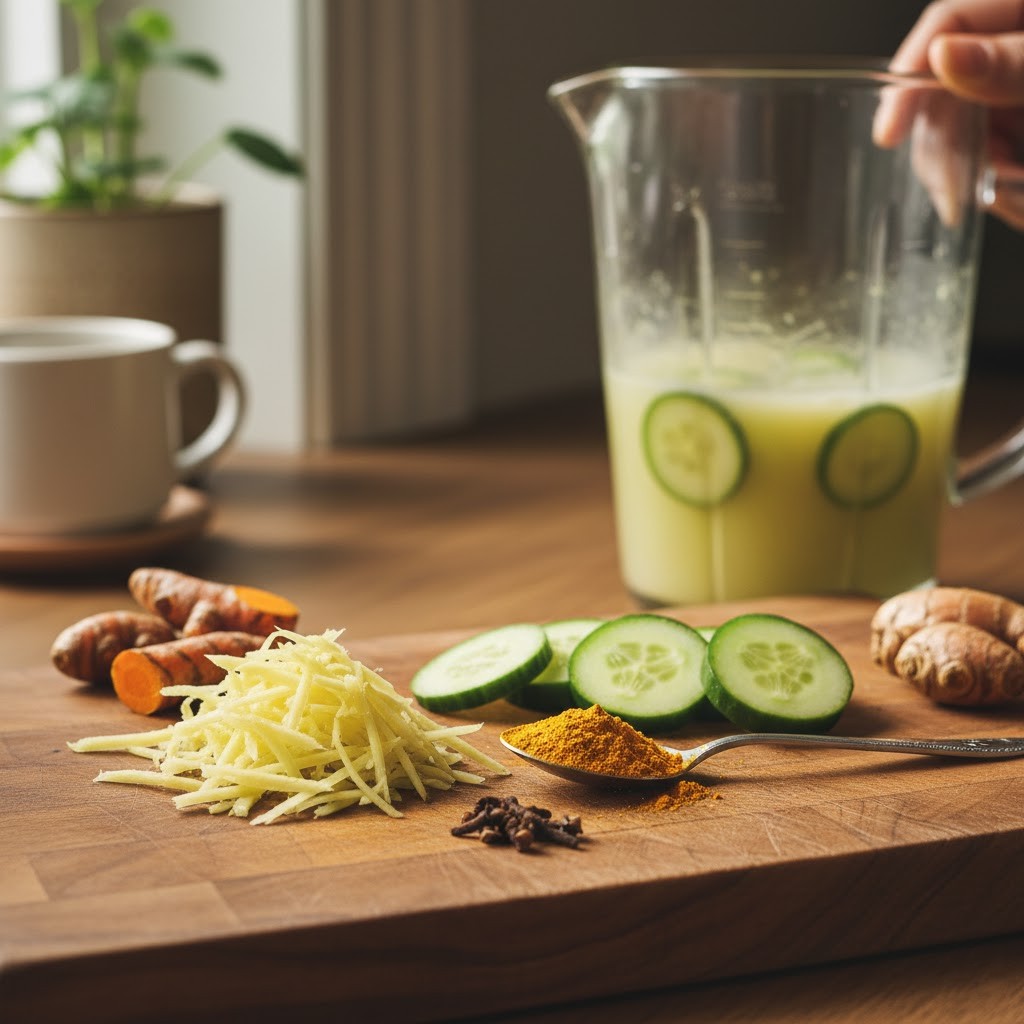
Once you know the benefits, the next step is building easy habits that fit realistically into a busy schedule. These ideas show how to incorporate each ingredient without turning wellness into a chore.
Easy Uses in Drinks, Smoothies, and Meals
A convenient way to use these ingredients is through beverages and quick recipes. For example, a morning smoothie with 1 cup of cucumber, 1 tsp ginger, and ½ tsp turmeric adds hydration and flavor. Cloves work well in warm drinks such as spiced tea or mulled fruit blends. Many people in the US prefer meal-prep options, so adding these ingredients to soups, stir-fries, or roasted dishes makes them simple to enjoy throughout the week. For example, adding ¼ tsp ground cloves to oatmeal or baked apples gives a seasonal taste with extra benefits.
Smart Tips for Safe, Effective Everyday Use
With powerful ingredients, a little goes a long way. Turmeric can stain surfaces, so use it carefully when prepping food. Ginger has a strong flavor, so start with small amounts—like ½ tsp grated—until you find what works for you. Whole cloves are quite strong too, so using 1–3 in recipes is usually enough. Cucumbers are mild, but storing sliced cucumbers in the fridge in airtight containers keeps them crisp for up to 3–4 days. Rotating these foods throughout the week is an easy way to enjoy their benefits without overwhelming your meals.
Steps: How to Add These Ingredients to Your Routine
- Add ½–1 tsp turmeric to soups, smoothies, or teas.
- Sip ginger tea made with fresh slices or add grated ginger to meals.
- Use 1–3 cloves when simmering warm drinks or baking.
- Add cucumber slices to water bottles for hydration.
- Toss cucumbers into salads, wraps, or snacks.
- Combine all four ingredients in weekly meal prep for easy access.
Tips & Swaps
- Substitute fresh ginger with ½ tsp ground ginger when needed.
- Use ground turmeric if fresh turmeric isn’t available.
- Swap cucumber with celery for hydration-focused recipes.
- Add cloves sparingly; a little goes a long way.
- Store sliced cucumbers in airtight containers for freshness.
- Mix turmeric with black pepper to support absorption.
FAQs
- Can I use turmeric and ginger every day?
Yes, many people use turmeric and ginger daily in small amounts such as ½–1 tsp. They’re common cooking ingredients and generally safe for most adults. Just keep portions moderate and listen to how your body responds. - Are cloves safe to use regularly?
Yes, cloves are safe in culinary amounts, like adding a few cloves to drinks or meals. Because cloves are strong, using small quantities is best. If you have specific health conditions, check with a healthcare professional. - How can I store fresh ginger and turmeric?
Store fresh ginger and turmeric in the refrigerator, ideally wrapped in paper towels and placed in a sealed container. They typically last 2–3 weeks. You can also freeze them whole and grate as needed. - Is cucumber water actually helpful for hydration?
Cucumber water doesn’t hydrate better than plain water, but it encourages people to drink more because it tastes refreshing. The added vitamins and minerals are a small bonus. - Can I mix all four ingredients in one drink?
You can combine them, especially in smoothies or infused water. Just start with small amounts to avoid overpowering flavors. For example, use ½ tsp turmeric, ½ tsp ginger, 1 clove, and ½ cup cucumber. - Are these ingredients enough to replace supplements?
They can support a healthy lifestyle, but they’re not a substitute for medical treatments or essential nutrients. Think of them as gentle additions to your daily routine, not replacements for professional guidance.
Try adding one of these ingredients to your next meal or drink today. Small, consistent habits create meaningful wellness changes—and these four essentials make it easy to begin.
Disclaimer: This content is for informational purposes only and is not a substitute for professional medical advice.

About Sarah Williams
We turn solid evidence into everyday habits Americans can actually do—plain English, cups/oz, grocery-aisle swaps, and routines that fit real life. Our editorial process: Experience—we road-test tips in real schedules…