Food Is Medicine: Best Foods for Each Organ
Food is medicine isn’t a trend—it’s a practical way to think about how everyday meals support specific organs. While food...
- What “Food Is Medicine” Means (and What It Doesn’t)
- Food Is Medicine Basics: Build a “Daily Plate”
- Food Is Medicine for Heart, Brain, and Blood
- Food Is Medicine for Digestion and Metabolism
- Food Is Medicine for Liver, Kidneys, and Joints
- One-Week Food Is Medicine Starter Plan
- Tips & Swaps (Food Is Medicine Made Easy)
- FAQ: Food Is Medicine
- CTA
Food is medicine isn’t a trend—it’s a practical way to think about how everyday meals support specific organs. While food won’t replace prescriptions or procedures, the right nutrients can help your heart pump efficiently, your brain stay sharp, and your joints feel less stiff. In this guide, you’ll see how a simple “food is medicine” approach fits into real US grocery aisles and busy schedules without extreme diets or expensive supplements.
What “Food Is Medicine” Means (and What It Doesn’t)
To start, food is medicine works best when you see it as support—not a cure-all. The idea is simple: nutrients influence how organs function every day.

👉 For a deeper dive into topics related to reveals, check out: Tongue Color Meaning: What Your Tongue Reveals — it’s packed with practical tips.
The Science Behind Food Is Medicine
The food is medicine approach rests on basic physiology. For example, lycopene in tomatoes has been studied for heart health, and omega-3 fats in walnuts support brain structure. A 1-oz (28 g) serving of walnuts provides about 2.5 g of plant omega-3 (ALA). Fiber—25–38 g per day for most US adults—helps regulate blood sugar and cholesterol, directly affecting the pancreas and heart.
That said, no single food “fixes” an organ. Think patterns: a weekly rotation of colorful produce, lean protein, whole grains, and healthy fats. Consistency over months—not days—drives measurable change.
👉 Want to go further? Our complete breakdown of Acne Diet: Foods to Avoid and Foods to Eat walks you through topics related to avoid step by step.
Who Should Be Extra Careful With Food Is Medicine
Food is medicine needs personalization. If you take blood thinners, high-vitamin K foods like leafy greens require steady intake—not sudden increases. People with kidney disease may need limits on potassium-rich foods such as sweet potatoes (1 medium has ~540 mg potassium).
If you have diabetes, pairing carbs with protein—like 1 cup roasted sweet potatoes plus 3 oz grilled chicken—can steady blood sugar better than carbs alone. When in doubt, check with your clinician before major diet shifts.
👉 Want to go further? Our complete breakdown of 6 Eye Signs of Disease You Shouldn’t Ignore walks you through topics related to disease step by step.
Food Is Medicine Basics: Build a “Daily Plate”
Next, let’s make food is medicine practical with a simple plate formula you can use at any US grocery store.
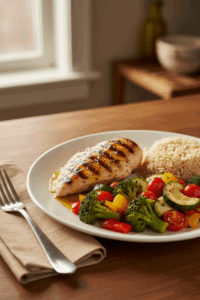
A Simple Food Is Medicine Plate Formula
Use this visual:
- ½ plate vegetables or fruit (fiber + color)
- ¼ plate lean protein (3–4 oz chicken, fish, tofu)
- ¼ plate whole grains or starchy veg (½–1 cup)
- 1–2 tbsp healthy fat (olive oil, nuts)
For example, a weeknight plate might include 1 cup roasted beets, 3 oz baked salmon, ½ cup quinoa, and 1 tbsp olive oil. This food is medicine balance supports heart, liver, and brain health in one meal.
Easy Food Is Medicine Upgrades (5-Minute Moves)
Small swaps make food is medicine sustainable:
- Add ½ cup beans to tacos for fiber.
- Stir 1 tsp grated ginger into tea for stomach comfort.
- Swap white rice for ½ cup brown rice.
- Top oatmeal with 1 oz walnuts.
- Roast carrots at 400°F (204°C) for 20 minutes to boost flavor.
These quick moves compound over time.
Food Is Medicine for Heart, Brain, and Blood
Now let’s zoom in on how food is medicine supports major systems that keep you energized and focused.
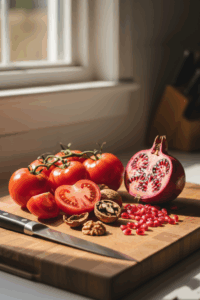
Food Is Medicine for Heart Health (Tomatoes)
Tomatoes are a standout in the food is medicine toolkit for heart health. Cooked tomatoes—like ½ cup marinara—often provide more bioavailable lycopene than raw slices. Pairing tomatoes with 1 tbsp olive oil enhances absorption.
Try this combo: whole-wheat pasta (1 cup cooked) with tomato sauce, sautéed spinach, and 3 oz grilled chicken. This pattern supports healthy cholesterol and blood vessel function over time.
Food Is Medicine for Brain Focus (Walnuts)
For brain support, food is medicine emphasizes healthy fats. Walnuts deliver omega-3s, and even 1 oz daily may support cognitive aging when combined with overall healthy eating.
A simple breakfast: ¾ cup plain Greek yogurt, ½ cup blueberries, and 1 oz chopped walnuts. That’s protein, antioxidants, and healthy fat in under 5 minutes. Hydration matters too—aim for about 8 cups (64 oz) water daily unless your clinician advises otherwise.
Food Is Medicine for Digestion and Metabolism
Shifting gears, food is medicine also targets your stomach and pancreas—key players in digestion and blood sugar balance.
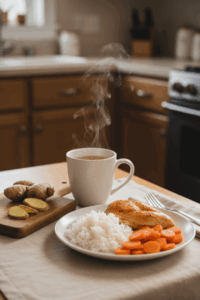
Food Is Medicine for Stomach Comfort (Ginger)
Ginger has long been used for nausea and mild indigestion. A practical food is medicine tip: steep 1 tsp fresh grated ginger in 8 oz hot water for 5–10 minutes. Some small studies suggest ginger may ease occasional nausea.
If your stomach feels off, try a gentle plate: 1 cup white rice, 3 oz baked chicken, and steamed carrots. Keep fats modest and portions moderate.
Food Is Medicine for Pancreas-Friendly Eating (Sweet Potatoes)
Sweet potatoes offer fiber and complex carbs. One medium baked sweet potato (about 5 inches long) provides roughly 4 g fiber. Pair it with protein—like 3 oz turkey—to slow glucose rise.
For steadier energy, aim for meals spaced every 3–4 hours and limit added sugars to under 25 g per day (women) or 36 g (men), per common US guidelines.
Food Is Medicine for Liver, Kidneys, and Joints
Finally, food is medicine can support detox organs and connective tissues when used wisely.
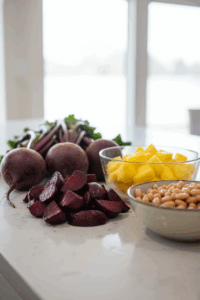
Food Is Medicine for Liver Support (Beets)
Beets contain betalains—plant compounds studied for antioxidant effects. Roast cubed beets (1 cup) at 400°F (204°C) for 25–30 minutes with 1 tbsp olive oil.
While the liver already detoxifies naturally, limiting ultra-processed foods and alcohol strengthens overall support. Aim for at least 2 alcohol-free days per week if you drink.
Food Is Medicine for Joints and Inflammation (Pineapple)
Pineapple contains bromelain, an enzyme studied for inflammation. A 1-cup serving fresh pineapple can be a refreshing addition to yogurt or smoothies.
Pair fruit with protein to balance blood sugar—for example, pineapple plus ½ cup cottage cheese. Combined with strength training 2–3 times weekly, this food is medicine approach may help long-term joint comfort.
One-Week Food Is Medicine Starter Plan
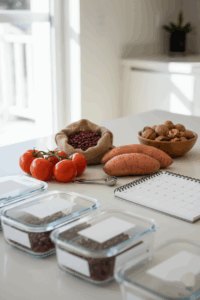
Here’s a simple 7-day rotation using food is medicine principles:
- Grill 2 lb chicken breasts at 375°F (190°C) for 25 minutes.
- Roast 3 cups mixed vegetables at 400°F for 20 minutes.
- Cook 2 cups brown rice (makes ~6 cups cooked).
- Prep 4 sweet potatoes; bake 45 minutes at 400°F.
- Chop 2 cups tomatoes and 1 cup beets for salads.
- Portion 1 oz walnuts into snack bags.
- Store meals in airtight containers for 3–4 days.
Tips & Swaps (Food Is Medicine Made Easy)
- Keep frozen veggies on hand for quick fiber.
- Choose no-salt-added canned beans.
- Add 1 tbsp olive oil instead of butter.
- Roast instead of deep fry.
- Drink water before sugary drinks.
- Aim for 5 servings produce daily.
FAQ: Food Is Medicine
1. Is food is medicine enough to treat disease?
Food is medicine supports health but doesn’t replace medical treatment. For conditions like diabetes or heart disease, diet works alongside medications and lifestyle changes. Always follow your provider’s plan.
2. How fast will food is medicine show results?
Some people notice energy changes within 2–4 weeks. Lab markers like cholesterol may shift after 8–12 weeks of consistent dietary patterns.
3. Do I need supplements with food is medicine?
Not always. Whole foods often provide what you need. However, vitamin D or B12 supplements may be appropriate in some cases—ask your clinician.
4. Is food is medicine expensive?
It doesn’t have to be. Beans, oats, frozen produce, and in-season fruits are budget-friendly at most US grocery stores.
CTA
Start small this week. Pick one organ—heart, brain, or digestion—and add one supportive food daily. Consistency beats perfection.
Disclaimer: This content is for informational purposes only and is not a substitute for professional medical advice.

About Jane Smith
We turn solid evidence into everyday habits Americans can actually do—plain English, cups/oz, grocery-aisle swaps, and routines that fit real life. Our editorial process: Experience—we road-test tips in real schedules…