Top Benefits of Seeds for Everyday Wellness
Seeds are tiny, but the benefits of seeds add up when you use them consistently. A small scoop can boost...
Seeds are tiny, but the benefits of seeds add up when you use them consistently. A small scoop can boost texture, help you feel more satisfied after meals, and add nutrients like fiber, healthy fats, and minerals without changing how you cook. Below is a practical, US-grocery-friendly guide to chia and flax, plus easy ways to work pumpkin, sunflower, sesame, and hemp into everyday meals.
Benefits of Seeds for Everyday Wellness
If you want an easy pantry upgrade, the benefits of seeds come from packing a lot into a small serving.
👉 This pairs well with our 12 Red Foods: Powerful Health Benefits & Easy Ideas guide if you want the full picture on topics related to benefits.
Benefits of Seeds: Why Seeds Are Nutrient-Dense
A core benefit of seeds is nutrient density: many seeds bring fiber, unsaturated fats, and minerals in a compact form. In real life, that means 1–2 tbsp can “level up” foods you already eat—oatmeal, salads, soups, or smoothies—without a new recipe. For example, mixing 1 tbsp chia or ground flax into yogurt makes it thicker and more filling, similar to adding granola but with a finer texture. Think of seeds as finishing ingredients you can sprinkle evenly and repeat daily.
👉 For a deeper dive into immune system support, check out: Yellow Foods Benefits: Immunity, Energy & Skin — it’s packed with practical tips.
Benefits of Seeds: Portion Guide + How to Add Seeds Daily (8 Steps)
To get the benefits of seeds without overdoing it, start small and build a routine:
- Choose one seed for the week (chia, flax, or pepitas).
- Measure 1 tbsp for consistency the first few days.
- Add to a “sticky” base like yogurt or oatmeal.
- Drink an extra 8 oz of water when increasing fiber.
- Use ground flax for easier mixing than whole flax.
- Buy a smaller bag if you won’t finish it in 30–60 days.
- Store seeds in an airtight jar away from heat.
- Track your favorite texture so you’ll keep using it.
👉 If you’re also working on topics related to benefits, our detailed guide on Benefits Of Drinking Gallon Water Daily covers exactly what you need.
Benefits of Seeds: Chia Seeds Benefits You’ll Notice Fast
Once you’ve got the habit, chia is one of the simplest ways to feel the benefits of seeds in everyday meals.
Benefits of Seeds: Chia Fiber + Hydration for Digestion
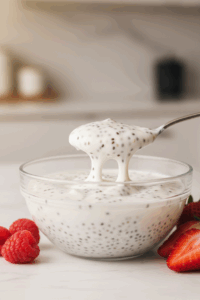
Chia thickens liquid into a gel-like texture, which makes the benefits of seeds practical for digestion-focused eaters. Try this: stir 1 tbsp chia into 1/2 cup yogurt and let it sit 10 minutes so it softens and thickens. Because chia adds fiber, ease in if your usual diet is low in fiber and pair it with water—many people start with 1 tsp for a few days, then move to 1 tbsp. The goal is comfort and consistency, not maxing out portions.
Benefits of Seeds: Easy Chia Ideas for US Breakfasts (Tips & Swaps)
These repeatable ideas make the benefits of seeds easy to stick with, especially if you shop at a typical US grocery store where chia is near oats or baking items:
- Overnight oats: add 1 tbsp chia to thicken the jar.
- Smoothies: blend 1 tsp–1 tbsp chia for body, not grit.
- Applesauce: stir in 1 tsp chia for a quick snack.
- Toast: top nut butter toast with chia + banana slices.
- Pancakes: start with 1 tsp chia in batter, then adjust.
- Quick pudding: 1 tbsp chia + 1/3 cup milk, chill 20 minutes.
Benefits of Seeds: Flaxseeds Health Benefits for Heart + Gut
If you like a more neutral flavor, flax is another staple that delivers the benefits of seeds with minimal fuss.
Benefits of Seeds: Ground vs Whole Flax—What Works Best
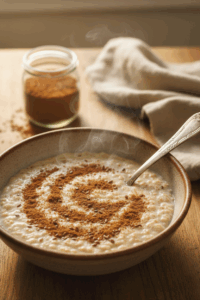
For most people, the easiest way to get the benefits of seeds from flax is buying ground flax (often labeled “flaxseed meal”). Whole flax can add crunch, but it may pass through without breaking down much. If you buy whole, grind 2–3 tbsp at a time in a coffee grinder and store it cold. An easy example: mix 1 tbsp ground flax into oatmeal, yogurt, or chili to thicken slightly. In baking, 1 tbsp blends into muffins or quick breads without changing flavor much.
Benefits of Seeds: Storage Tips to Keep Flax Fresh
Because flax contains delicate fats, freshness protects the benefits of seeds and keeps the taste mild. Store ground flax in the fridge or freezer, especially after opening. If it smells sharp or “paint-like,” it may be rancid and worth replacing. For best flavor, keep it away from the stove and use it within about 3 months once opened. A realistic routine is keeping a small jar in the fridge and scooping 1 tbsp into breakfast most days. For speed, portion 7 tbsp into a container on Sunday so weekday meals stay effortless.
Benefits of Seeds: Pumpkin, Sunflower, Sesame, and Hemp Seeds Benefits
If you prefer crunch or want more variety, these pantry-friendly options deliver the benefits of seeds in different textures and flavors.
Benefits of Seeds: Pumpkin Seeds Benefits for Minerals and Everyday Support
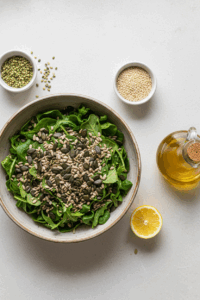
Pepitas (pumpkin seeds) are popular for minerals, which is why the benefits of seeds conversation often includes them. A common serving is 1 oz (about 1/4 cup), easy to toss into salads or eat by the handful. You’ll find them near nuts, trail mix, or salad toppers in most US grocery stores. If you’re watching sodium, choose unsalted or lightly salted pepitas. A simple habit: sprinkle 2 tbsp on a chopped salad or grain bowl right before serving.
Benefits of Seeds: Sunflower, Sesame, and Hemp Seeds Benefits for Easy Meals
Sunflower seeds are a mild, nutty way to get the benefits of seeds—try 1–2 tbsp on salads, cottage cheese, or avocado toast. Sesame seeds (and tahini) add a savory twist; whisk 1 tbsp tahini with lemon juice and water for a quick dressing. Hemp hearts are soft and blendable: a typical serving is 3 tbsp, and even 1–2 tbsp can make smoothies or oatmeal creamier. If allergies matter, sunflower seed butter is a common peanut alternative in US stores.
Benefits of Seeds FAQ
Per day?
Start with 1 tbsp total per day for a week, then move to 2 tbsp if you feel good. Split it across meals, chia at breakfast, pepitas on lunch salad. If fiber is new, increase slowly and drink more water so your stomach stays comfortable.
Soak?
Only sometimes. Chia is often soaked because it thickens and softens, but you can sprinkle it dry too. Flax is usually the best ground. Pumpkin, sunflower, sesame, and hemp are typically eaten as-is and work as quick toppings on yogurt, oatmeal, salads, or soups at home most days.
Digestion?
Seeds can support regularity mainly because many contain fiber. Pair more fiber with water—try adding seeds and drinking an extra 8 oz water daily. If your stomach is sensitive or your usual fiber is low, start smaller and increase gradually over a full week.
Storage?
Use airtight containers away from heat and light. Refrigerate ground flax after opening. If you buy in bulk, freeze what you won’t use within 30–60 days. Label the jar with the date, and replace seeds that smell bitter or “off” to keep flavor clean.
CTA: Pick one seed today, add 1 tbsp to breakfast for 7 days, save this guide, and share it with a friend.
Disclaimer: This content is for informational purposes only and is not a substitute for professional medical advice.

About Mike Johnson
We turn solid evidence into everyday habits Americans can actually do—plain English, cups/oz, grocery-aisle swaps, and routines that fit real life. Our editorial process: Experience—we road-test tips in real schedules…