What Are Digestive Enzymes? The Ultimate Guide to Better Digestion
What Are Digestive Enzymes? The Ultimate Guide to Better Digestion It’s one of the most frustrating paradoxes of modern health....
- The Gut "Factory" Metaphor: How Digestion Actually Works
- Meet the Demolition Crew: Types of Digestive Enzymes
- The Danger of Missing Enzymes: The Clean Eating Paradox
- The 5 Telltale Signs You Are Running Low on Enzymes
- Why Is Your Body Stop Making Enough Enzymes?
- Food vs. Supplements: How to Get Your Enzymes Back
- Digestive Enzymes vs. Probiotics: What’s the Difference?
- The Takeaway: You Are What You Digest
What Are Digestive Enzymes? The Ultimate Guide to Better Digestion
The truth is a hard pill to swallow for the wellness industry: you are not what you eat. You are what you can digest and absorb.
You can put the highest-quality, premium fuel into your car, but if the engine’s fuel injector is broken, the car isn’t going anywhere. In the human body, that “fuel injector” is your digestive enzyme system. If you are struggling with chronic bloating, acid reflux, floating stools, or post-meal brain fog, the problem likely isn’t the food on your plate. The problem is that your body lacks the biological tools to break that food down.
Welcome to the ultimate guide to digestive enzymes. In this comprehensive breakdown, we will explore exactly what digestive enzymes are, the fascinating “factory” of your gut, why modern lifestyles are destroying our natural enzyme production, and how you can get your digestion back on track to banish bloating for good.
The Gut “Factory” Metaphor: How Digestion Actually Works
To understand what digestive enzymes do, you must first understand how the body views food. When you eat a piece of steak or a bowl of quinoa, your bloodstream cannot absorb a “steak.” It can only absorb microscopic amino acids, fatty acids, and simple sugars.
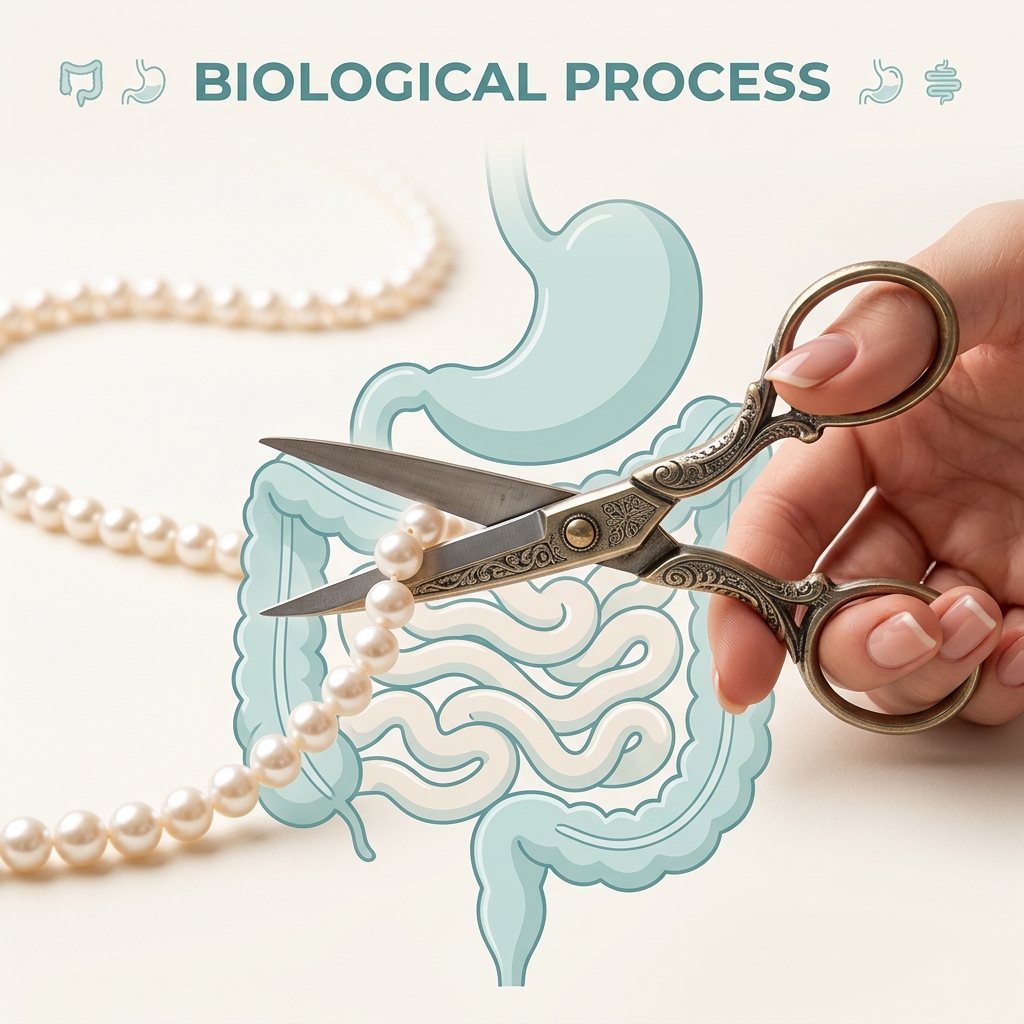
Imagine that your digestive system is a highly coordinated factory, and the food you eat is a long, tightly strung pearl necklace. Your body cannot absorb the whole necklace; it needs the individual pearls. Here is the step-by-step breakdown of your internal factory, and where enzymes fit into the picture:
- 1. Digestive Enzymes: “The Scissors”: Digestive enzymes are specialized proteins produced primarily by your pancreas, stomach, and salivary glands. Their sole job is to act as biological scissors, cutting those long, complex nutrient chains into tiny, absorbable pieces. Without these scissors, the factory halts.
- 2. Bile: “The Detergent”: Have you ever tried to wash a greasy frying pan with just cold water? The grease clumps together and refuses to wash away. Before the “Lipase Scissors” can cut the fat, your liver produces Bile, which acts exactly like dish soap. It emulsifies (dissolves) the fat so the enzymes can do their job.
- 3. The Small Intestine: “The Absorptive Hub”: Once the food is chopped up by enzymes and dissolved by bile, it enters the Small Intestine. This is the most important room in the factory. It is lined with millions of microscopic “fingers” called microvilli that absorb the tiny nutrients directly into your bloodstream.
- 4. MMC (Migrating Motor Complex): “The Janitor”: Every 90 to 120 minutes when you are not eating, your gut sends a powerful mechanical wave down your digestive tract. It sweeps up leftover food particles and stray bacteria from the small intestine and pushes them down. If you snack all day, the janitor never gets to clean.
- 5. Probiotics: “The Workers”: Finally, the remaining waste reaches the large intestine (colon), where trillions of Probiotics live. These are the factory workers. They eat fiber, produce vitamins, and clean up the final waste.
Meet the Demolition Crew: Types of Digestive Enzymes
While the pancreas produces dozens of different enzymes, they are generally categorized into “The Big Three,” along with a few highly specialized scissors for specific foods.
The Big Three
- Amylase (The Carb Cutter): Found in your saliva and pancreatic juice, amylase is responsible for breaking down complex carbohydrates and starches (like potatoes, rice, and oats) into simple sugars. Digestion of carbs begins the moment food hits your mouth.
- Protease (The Protein Slicer): Produced in the stomach and pancreas, protease breaks down tough protein chains (from meat, eggs, and beans) into amino acids. Without enough protease, protein sits like a brick in your stomach, putrefying and causing bad breath and severe fullness.
- Lipase (The Fat Dissolver): Produced in the pancreas, lipase works alongside bile to break down dietary fats (like oils, nuts, and avocados) into fatty acids. A lack of lipase is the number one cause of diarrhea or urgent bathroom trips after eating a fatty meal.
The Specialized Scissors
Beyond the Big Three, your body produces specific enzymes for specific sugars. This is where many food intolerances originate:
- Lactase: Breaks down lactose, the sugar found in dairy products. If you lack lactase, you are lactose intolerant.
- Cellulase: Humans actually do not produce cellulase, which is why we cannot digest plant fiber. However, broad-spectrum enzyme supplements often include cellulase to help break down tough plant cell walls, extracting more nutrients from vegetables and reducing “salad bloating.”
- Alpha-Galactosidase: The enzyme responsible for breaking down complex carbohydrates found in beans, legumes, and cruciferous vegetables. If beans give you terrible gas, it is because you lack this specific enzyme.
The Danger of Missing Enzymes: The Clean Eating Paradox
If you don’t have enough enzymes, that pearl necklace (your food) travels down from your stomach, through the small intestine, and into the large intestine completely intact. When a giant, undigested piece of food reaches the lower gut, the “Workers” (Probiotics) throw a feast. They ferment the undigested food, producing massive amounts of gas, which leads to painful bloating and cramping.
This is the Clean Eating Paradox. This is why eating more fiber, switching to a plant-based diet, or taking expensive probiotic pills often makes bloating worse. You are throwing more “workers” into a factory filled with uncut, rotting material. You must fix the digestion first with enzymes.
Furthermore, if large, undigested food particles repeatedly scrape against the delicate, one-cell-thick wall of your small intestine, it can create microscopic tears. This is known as Leaky Gut Syndrome. When the gut lining is compromised, undigested food proteins and bacterial toxins leak directly into the bloodstream, triggering systemic inflammation, chronic fatigue, and brain fog.
The 5 Telltale Signs You Are Running Low on Enzymes
- Instant Post-Meal Bloating: Swelling up tightly within 30 to 60 minutes of eating a fibrous or heavy meal.
- The “Brick” in the Stomach: Feeling uncomfortably full for hours after a meal, even if the portion was small (low protease/stomach acid).
- Floating or Greasy Stools: If your stool constantly floats or leaves a greasy film, you are not breaking down dietary fats properly (lack of Lipase or Bile).
- Post-Meal Fatigue and Brain Fog: Digestion requires massive energy. If your body works overtime to force undigested food through, it diverts blood from your brain, leaving you exhausted.
- Acid Reflux and Heartburn: Often caused by undigested food sitting in the stomach too long, fermenting, and creating upward gas pressure.
Why Is Your Body Stop Making Enough Enzymes?
While natural enzyme production declines as we age (dropping by roughly 10% every decade after age 20), the modern lifestyle is uniquely designed to sabotage our digestive system.
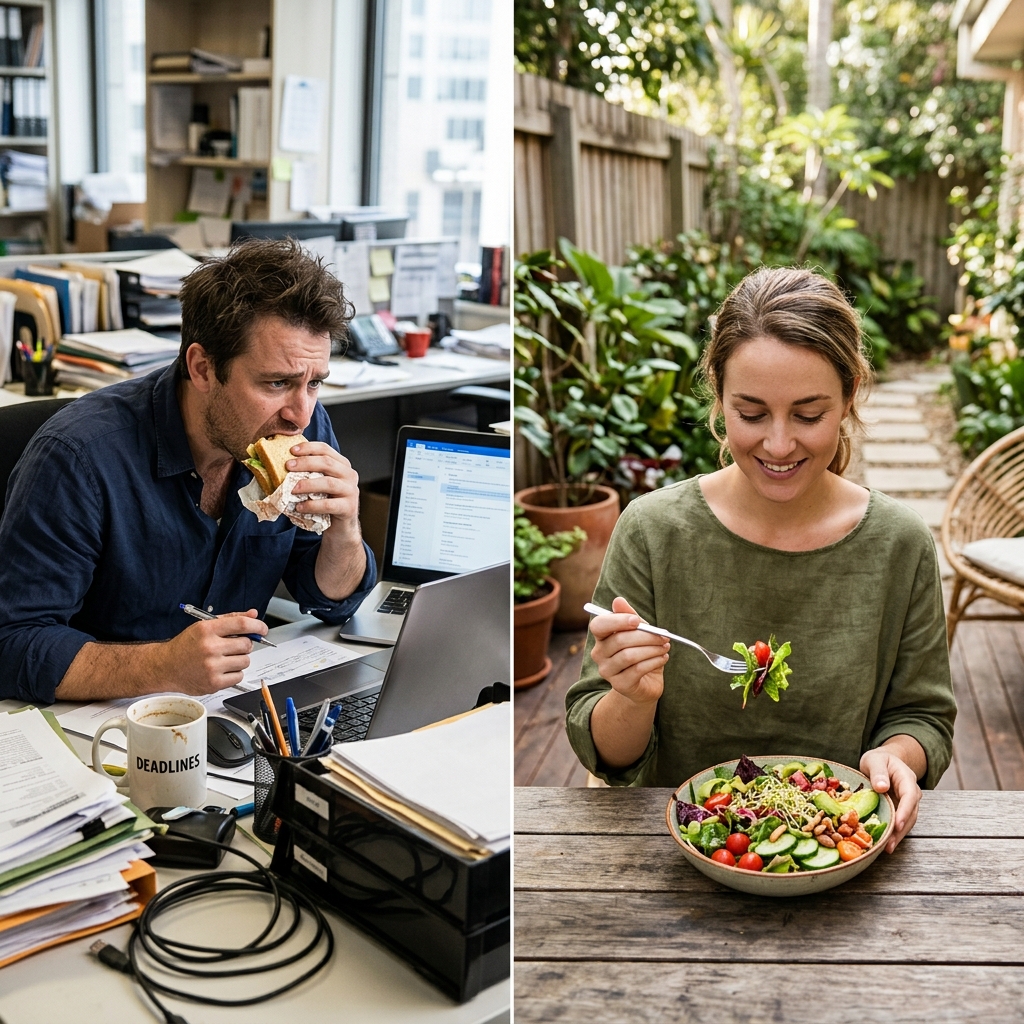
- Chronic Stress: Digestion only happens in the “Rest and Digest” (parasympathetic) nervous system state. If you are stressed, your body is in “Fight or Flight,” and the brain literally signals the pancreas to stop producing enzymes.
- The Highly Processed Diet: Years of eating highly processed foods force the pancreas to work overtime. Unlike raw foods, which contain their own enzymes, processed foods require the body to supply 100% of the enzymes needed.
- Low Stomach Acid (Hypochlorhydria): Stomach acid acts as the “trigger.” When acidic food leaves the stomach, it signals the pancreas to release its enzymes. If your stomach acid is low (due to stress, aging, or overuse of antacids), the pancreas never gets the signal.
- Exocrine Pancreatic Insufficiency (EPI): In severe cases, inflammation or gallstones can physically damage the pancreas, leading to EPI, where the pancreas is entirely unable to produce enzymes.
Food vs. Supplements: How to Get Your Enzymes Back
The Natural Route (Food-First)
Nature provides its own “scissors” to help you digest. Incorporating these raw foods can drastically improve digestion:
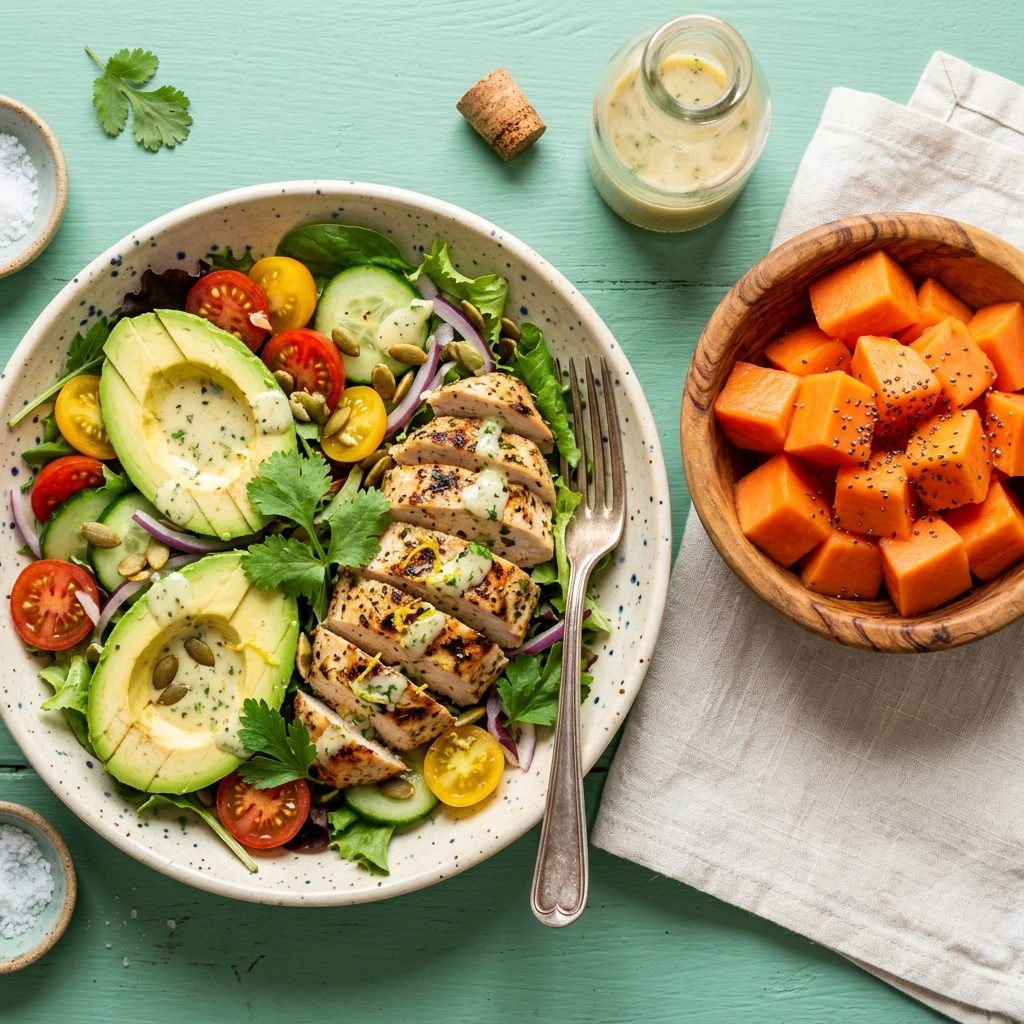
- Pineapple & Papaya: Contain Bromelain and Papain, incredibly powerful natural proteases that help break down heavy proteins.
- Fermented Foods: Raw sauerkraut, kimchi, and kefir produce natural enzymes that pre-digest the food before it even hits your stomach.
- Raw Honey & Avocados: Honey contains natural amylase and protease, while avocados contain lipase.
The Supplement Route (When to use pills)
If your gut is heavily compromised, a high-quality digestive enzyme supplement is a game-changer. Look for a Broad-Spectrum Blend that lists Amylase, Protease, and Lipase. Plant-Based enzymes are highly stable and survive stomach acid better than animal-based ones. Finally, check the Active Units (like HUT for protease, DU for amylase), not just the milligrams.
Digestive Enzymes vs. Probiotics: What’s the Difference?
If digestive enzymes are the Scissors that cut up the food in the upper GI tract, think of probiotics as the Workers who clean up the factory floor in the lower GI tract. Probiotics support immune function and produce vitamins, but they do not break down your steak and potatoes. You must fix the digestion first with enzymes before trying to populate the gut with probiotics.
The Takeaway: You Are What You Digest
Healing your gut isn’t just about cutting out “bad” foods. It is about restoring your body’s mechanical ability to extract life-giving nutrients from the food you eat. By managing your mealtime stress, chewing thoroughly, and utilizing natural or supplemental digestive enzymes, you can finally eat that healthy salad without looking six months pregnant afterward. Give your body the “scissors” it needs, and watch your energy return.

About Mr. Anh
We turn solid evidence into everyday habits Americans can actually do—plain English, cups/oz, grocery-aisle swaps, and routines that fit real life. Our editorial process: Experience—we road-test tips in real schedules…