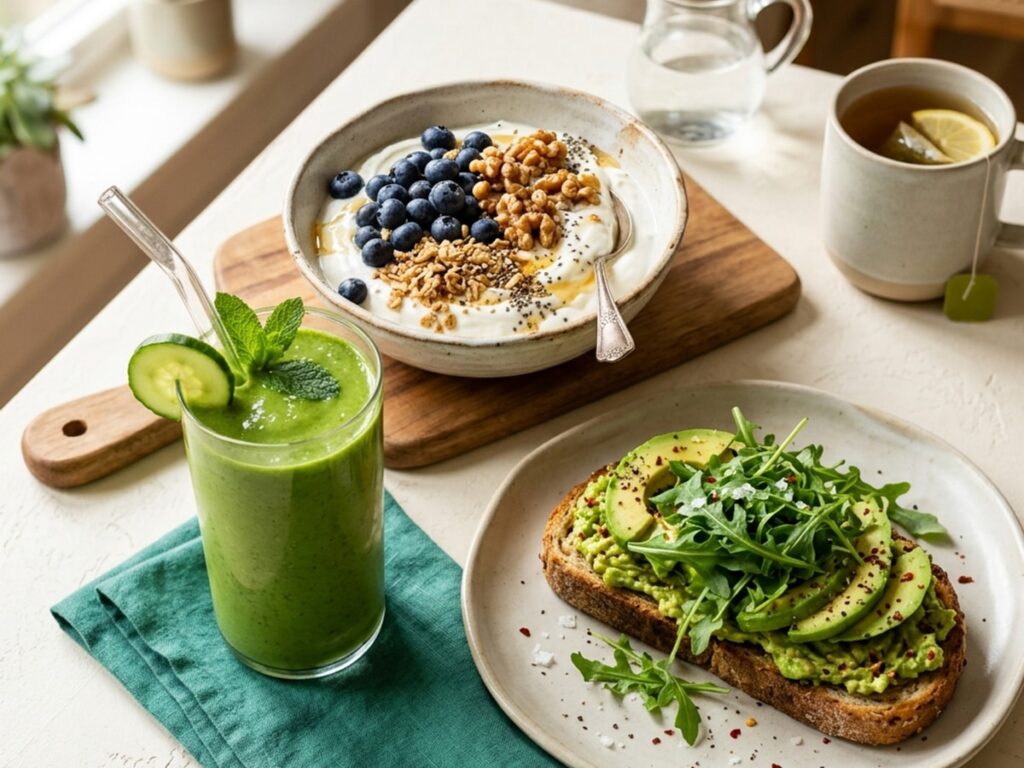
Natural Juice Ideas for Everyday Wellness
Fresh, produce-based juices have become a practical way for many Americans to support everyday wellness without overhauling their entire routine....
Fresh, produce-based juices have become a practical way for many Americans to support everyday wellness without overhauling their entire routine. With busy schedules, long commutes, and limited time in the morning, having simple juice ideas ready can make healthy habits feel easier to maintain. This guide focuses on wellness juice recipes that use common US grocery ingredients and are tailored to support goals like energy, rest, immunity, and overall comfort. While juices aren’t cure-alls, they can be a refreshing addition to a balanced lifestyle.
Why Fresh Juices Are Popular for Daily Wellness
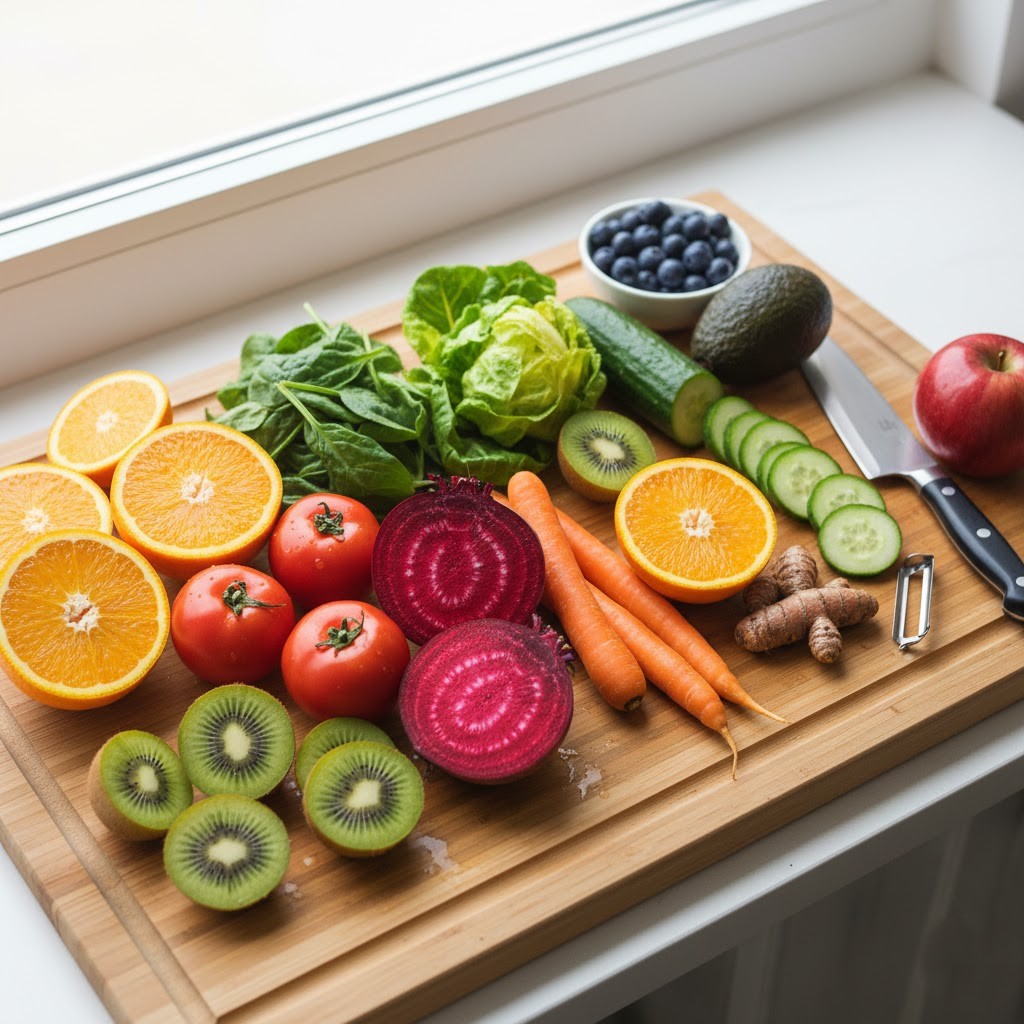
As more people look for approachable wellness habits, fresh juices have found a place in many US households. They’re quick to prepare, widely customizable, and use ingredients that you can easily pick up at major grocery stores like Kroger, Publix, and Whole Foods. This makes them a convenient option for busy mornings, post-workout moments, or even late-afternoon slumps. Fresh juices also allow people to enjoy fruits and vegetables in a simple format, especially for those who don’t always have time to prep full meals.
👉 For a deeper dive into topics related to everyday, check out: 8 Simple Daily Habits for Better Everyday Health — it’s packed with practical tips.
How produce-based drinks fit into busy US routines
For many people with packed work schedules, juice can serve as a fast and refreshing nutrition add-on. For example, blending 1 cup of berries with 1 medium tomato takes less than 5 minutes and still offers a flavorful boost to the morning. Parents often use homemade juices as an easy way to include more produce into family routines—especially when preparing snacks on the go. Juices aren’t meant to replace whole fruits and vegetables entirely, but they can help people meet daily produce goals in a flexible way.
👉 This pairs well with our The 4 Levels Of Holistic Healing guide if you want the full picture on topics related to holistic.
Simple safety notes and realistic expectations
Even though fresh juices can complement wellness goals, they shouldn’t be viewed as treatments or medical solutions. For best results, most dietitians suggest pairing juices with balanced meals, adequate protein, and good hydration. It’s also helpful to use no more than 6–8 oz of juice at a time to manage overall sugar intake, particularly in blends that include naturally sweet fruits like apples or oranges. Washing produce thoroughly, using clean juicers or blenders, and consuming juices shortly after preparation helps maintain freshness and safety.
👉 If you’re also working on topics related to vegetarian, our detailed guide on Vegetarian Keto Meal Plan: Easy Meals & Shop List covers exactly what you need.
Juice Ideas for Common Wellness Goals
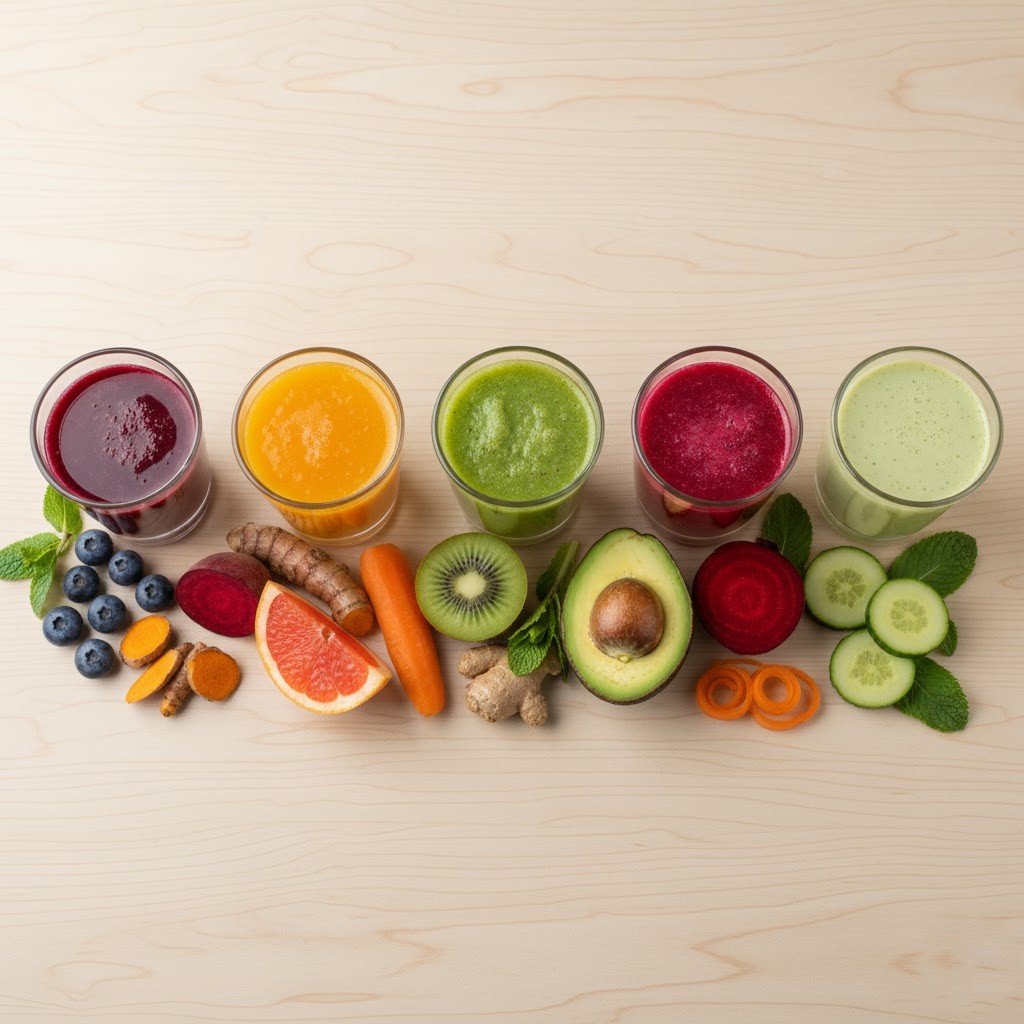
Building on these principles, you can easily create simple, flavorful wellness juice recipes using ingredients from any local supermarket. Each blend below focuses on everyday goals people commonly care about—energy, sleep, immunity, comfort, and more—while using modest, balanced ingredients.
Low Immunity: Blueberry–Tomato Juice
Blueberries and tomatoes pair surprisingly well, offering a naturally tart, slightly sweet flavor profile. A typical serving uses around ½ cup of blueberries with 1 medium tomato, blended and strained as desired. This juice works well as a morning option or a quick afternoon refreshment. It’s also an easy way to rotate in more colorful produce, especially for people who don’t frequently eat berries in whole form. If you prefer a lighter consistency, adding 2–3 tbsp of water can help thin the blend without changing the flavor significantly.
Fatigue: Orange–Apple–Turmeric Juice
This bright, golden drink offers a refreshing citrus taste with a hint of spice. Combining 1 peeled orange, ½ apple, and ¼ tsp ground turmeric creates a smooth, vibrant blend that fits naturally into a morning routine. It’s especially popular among people who want a quick pick-me-up before work or during the afternoon slump. You can also add 1–2 ice cubes before blending for a chilled texture or include a splash of cold water to lighten the sweetness if preferred.
Cholesterol: Grapefruit–Carrot–Ginger Juice
Grapefruit and carrot juice offers a balanced mix of tangy and earthy flavors, with ginger adding a subtle warmth. A typical recipe includes ½ grapefruit, 2 medium carrots, and a small ½-inch piece of ginger. This blend is refreshing without being overly sweet, making it a good choice for people who prefer lighter juices. Because grapefruit can interact with certain medications, US healthcare providers often recommend checking with a clinician if you’re taking prescription drugs that restrict grapefruit intake.
Insomnia: Kiwi–Lettuce–Ginger Juice
This calming, green blend is mild in flavor and easy to sip before winding down. Blending 1 peeled kiwi, 1 cup of chopped romaine or butter lettuce, and a small slice of ginger produces a gently sweet, soothing drink. Many people enjoy it as part of an evening relaxation routine—not as a sleep aid, but as a naturally hydrating beverage that pairs well with other nighttime habits like turning off screens or practicing slow breathing. Adding ¼ cup cold water helps achieve a lighter texture.
Anemia: Beet–Apple–Carrot Juice
This bold red juice combines sweetness and earthiness in a smooth, vibrant blend. Using ½ medium beet, ½ apple, and 2 carrots creates a balanced flavor that appeals even to those who don’t usually enjoy beets. The color alone makes it feel energizing and uplifting. This blend works well in the morning or early afternoon, especially when served over ice. If the beet flavor is too strong, reducing the beet to ¼ medium piece still keeps the color bright while softening the taste.
Inflammation: Avocado–Cucumber–Ginger Juice
For a smoother, more filling drink, this creamy green blend stands out. Blending ½ avocado with ½ cucumber and a small piece of ginger creates a rich, smoothie-like texture rather than a traditional juice. Many people enjoy this recipe as a midday snack because it feels more substantial. Adding ¼ cup cold water or a handful of ice cubes makes it easier to sip while keeping the flavor light and refreshing. Cucumber adds hydration, while avocado offers creaminess without requiring dairy.
Tips & Swaps for Wellness Juice Recipes
- Use 6–8 oz servings to keep portions balanced.
- Add ice instead of extra fruit to reduce sweetness.
- Choose in-season produce for best flavor and price.
- Blend instead of juicing when you want extra fiber.
- Use filtered water to adjust thickness without added sugar.
FAQs
- How many times a week should I drink wellness juices?
Most people find 2–4 servings per week manageable without replacing whole fruits and vegetables. Enjoying juices occasionally helps maintain variety while still fitting into normal US eating patterns. The right frequency depends on your schedule, goals, and overall diet. - Can I prep these juices ahead of time?
Fresh juices taste best within 24 hours, but you can refrigerate them in airtight containers for up to one day. Stir or shake before drinking because natural separation will occur. For thicker blends like avocado-based juices, prepping right before drinking improves texture. - Do these juices replace meals?
These wellness juice recipes are not meant as meal replacements. They work best as additions to balanced meals that include protein, fiber, and healthy fats. If you prefer a more filling drink, blends with avocado, carrots, or apples tend to create smoother, denser textures. - Should I peel fruits and vegetables first?
Most produce can be washed and blended with the skin on, such as apples, cucumbers, and carrots. Citrus fruits and kiwis should be peeled. For a milder beet flavor, peeling can slightly reduce the earthiness. - What equipment works best for these recipes?
A standard blender is perfectly fine for all the recipes in this guide. If you prefer a thinner consistency, you can strain the juice using a fine-mesh sieve or cheesecloth. Juicers also work well but remove more fiber.
Want more simple wellness juice recipes that match a busy lifestyle? Explore our full collection for easy blends, quick shopping lists, and US-friendly ingredient tips.
Disclaimer: This content is for informational purposes only and is not a substitute for professional medical advice.

About Mike Johnson
We turn solid evidence into everyday habits Americans can actually do—plain English, cups/oz, grocery-aisle swaps, and routines that fit real life. Our editorial process: Experience—we road-test tips in real schedules…