Vitamin K Foods: Best Sources for Everyday Health
Vitamin K foods don’t always get the spotlight, but they play a quiet, essential role in everyday health. From helping...
Vitamin K foods don’t always get the spotlight, but they play a quiet, essential role in everyday health. From helping your blood clot normally to supporting strong bones, vitamin K shows up where it matters most. The good news: many familiar grocery-store foods, especially greens, are rich sources. This guide breaks down what vitamin K is, why it matters, and how to eat vitamin K foods confidently in a typical American diet, using simple portions and everyday meals.
What Are Vitamin K Foods and How Do They Work?
Vitamin K foods supply a fat-soluble vitamin your body uses to activate proteins involved in blood clotting and bone metabolism. Understanding the basics helps you choose foods wisely and eat them consistently.
👉 This pairs well with our 12 Foods High in Vitamin B12 (Best B12 Sources) guide if you want the full picture on topics related to sources.
Vitamin K foods: K1 vs K2 explained
Vitamin K foods fall into two main types. Vitamin K1 (phylloquinone) is found mostly in leafy greens like kale, spinach, and broccoli. For example, ½ cup cooked kale delivers well over 500 mcg of vitamin K1. Vitamin K2 (menaquinones) appears in smaller amounts in fermented foods and some animal products, such as natto, hard cheeses, and egg yolks. In US diets, K1 makes up most intake, while K2 intake is typically lower but may support bone and cardiovascular health in different ways.
👉 For a deeper dive into topics related to vitamin, check out: Vitamin D–Rich Foods to Boost Your Daily Intake — it’s packed with practical tips.
How your body uses vitamin K foods daily
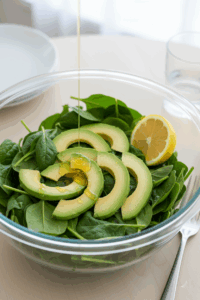
After you eat vitamin K foods, the vitamin is absorbed in the small intestine along with dietary fat. Your liver uses vitamin K to activate clotting factors that help stop bleeding after a cut. Other tissues use it to support bone proteins that guide calcium into bones. A practical example: adding 1 tablespoon olive oil to a spinach salad can improve absorption compared with eating greens fat-free.
👉 For a deeper dive into immune system support, check out: Immunity-Boosting Foods to Add to Your Daily Diet — it’s packed with practical tips.
Why Vitamin K Foods Matter for Your Health
Vitamin K foods support several core body functions. While they aren’t a cure-all, steady intake helps maintain normal physiology across different life stages.
Vitamin K foods and normal blood clotting
One of the best-known roles of vitamin K foods is supporting normal blood clotting. Without enough vitamin K, the body can’t properly activate clotting proteins. Adults need about 90–120 mcg per day, an amount easily met with 1 cup raw spinach (≈145 mcg). This doesn’t mean more is better; consistency matters most, especially if you’re managing medications that affect clotting.
Vitamin K foods for bone and artery support
Vitamin K foods also help activate osteocalcin, a protein that binds calcium in bone. Studies suggest people who regularly eat leafy greens tend to have better bone density over time. Some research also explores vitamin K’s role in keeping calcium out of arteries, though evidence is still evolving. Practically, including ½ cup cooked broccoli (≈110 mcg) a few times a week supports overall intake without extreme changes.
Best Vitamin K Foods to Add to Your Diet
Many vitamin K foods are already staples in US grocery stores. Knowing which foods deliver the most per serving helps you plan meals efficiently.
Top vegetable vitamin K foods (greens and crucifers)
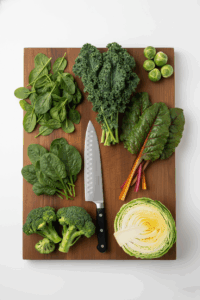
Vegetables dominate the vitamin K foods list. Leafy greens are the stars: kale, spinach, collards, and Swiss chard provide hundreds of micrograms per cup cooked. Cruciferous vegetables like broccoli, Brussels sprouts, and cabbage also contribute meaningful amounts. For example, ½ cup cooked Brussels sprouts offers about 150 mcg. These foods are affordable, versatile, and available year-round in most supermarkets.
Fruit and other vitamin K foods (what to expect)
Fruits contain vitamin K foods in smaller amounts. Kiwi, green grapes, and avocado contribute modestly about 30–40 mcg per serving for kiwi and avocado. Fermented foods like natto are exceptional sources of vitamin K2, though less common in US kitchens. Hard cheeses and egg yolks offer small K2 amounts, making them supportive additions rather than primary sources.
How Much Vitamin K Foods Do You Need and How to Eat Them
Meeting vitamin K needs is straightforward when you use simple portions and consistent habits.
Daily vitamin K foods needs by age and sex
US guidelines suggest 120 mcg/day for adult men and 90 mcg/day for adult women. Children and teens need less, ranging from 30–75 mcg depending on age. One cup raw kale already exceeds daily needs, so balance matters. There’s no established upper limit from foods, but supplements should be discussed with a clinician.
Easy ways to add vitamin K foods to meals
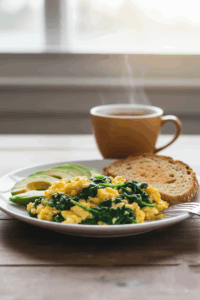
Start with familiar meals. Add spinach to scrambled eggs, roast broccoli at 400°F (205°C) for 15–20 minutes, or blend kale into smoothies with fruit and yogurt. Cooking doesn’t destroy vitamin K significantly, and pairing greens with healthy fats improves absorption.
Tips & swaps (quick ideas):
- Swap iceberg for romaine or spinach in salads
- Add olive oil or avocado to greens
- Use frozen spinach for convenience
- Roast Brussels sprouts instead of boiling
- Try kale chips at 375°F (190°C)
FAQs
Common questions help clarify how to use vitamin K foods safely and confidently.
Can I eat vitamin K foods every day?
Yes. Most people benefit from eating vitamin K foods daily, especially leafy greens. Consistency is key. Regular intake supports normal clotting and bone health without needing supplements for most healthy adults.
Do vitamin K foods interfere with medications?
Vitamin K foods can affect blood thinners like warfarin (Coumadin). The goal isn’t avoidance but consistency. Sudden large changes—like adding several cups of kale daily—can alter medication effectiveness. Always coordinate with your clinician.
Are cooked or raw vitamin K foods better?
Both work. Cooking slightly reduces volume, making it easier to eat more vitamin K foods. Light cooking doesn’t significantly reduce vitamin K, and adding fat improves absorption compared with raw, fat-free salads.
Do I need a vitamin K supplement?
Most US adults meet needs through vitamin K foods alone. Supplements may be used in specific medical situations, but routine supplementation isn’t necessary without professional guidance.
Ready to Build Meals Around Vitamin K Foods?
Small, consistent choices add up. Start by adding one serving of leafy greens or cruciferous vegetables to a daily meal and build from there. Your plate—and long-term health—will benefit.
Disclaimer: This content is for informational purposes only and is not a substitute for professional medical advice.

About Sarah Williams
We turn solid evidence into everyday habits Americans can actually do—plain English, cups/oz, grocery-aisle swaps, and routines that fit real life. Our editorial process: Experience—we road-test tips in real schedules…